Across many communities, Judaism 101 classes serve as welcoming, informative entry points for people who are curious about Jewish history, beliefs, and practice. These introductory courses are designed for newcomers and early learners, but they are also valuable for anyone seeking a structured refresher or a respectful overview before attending synagogue services, community events, or academic study. Whether described as Intro to Judaism, a Judaism fundamentals class, or a Foundations of Judaism course, the aim remains the same: to illuminate core concepts, clarify vocabulary, and offer a map of the rich and diverse landscape of Jewish life. This article provides a comprehensive guide to what these classes cover, why they matter, how they are typically organized, and what a student can expect to gain from a thoughtful, well-designed beginner’s program.
What is a Judaism 101 class and who is it for?
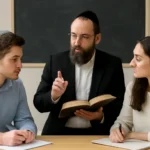
A Judaism 101 class is a structured educational experience that introduces students to the central narratives, beliefs, practices, and history of the Jewish people. The format can vary widely—from a multi-session in-person course at a synagogue or community center to an online program offered by universities or Jewish learning organizations. In many places, these classes are open to the general public, including interfaith families, new residents exploring Jewish identity, students evaluating religious or cultural affiliation, and people who want a historical framework before engaging in personal study or religious observance. The practical goal of these courses is not to make someone a scholar overnight, but to equip learners with the vocabulary, context, and critical questions needed to participate meaningfully in Jewish life and discussion.
Throughout the year, you may encounter several terms describing similar offerings. You might see:
Intro to Judaism classes focused on basics for absolute beginners
Judaism 101 or Judaism 101 courses emphasizing historical overview and belief systems
Jewish history and beliefs seminars that blend historical study with theology
Foundations of Judaism or Judaism basics seminars aimed at new members of a congregation
Beginner’s guide to Judaism programs offered through adult education departments
There are several compelling reasons to enroll in a beginner-friendly program. For many learners, the class provides a solid framework that makes later study less intimidating and more precise. Specific benefits include:
Clear vocabulary and concepts: learners gain familiarity with Hebrew terms, key words used in prayer, and central ideas like covenant, mitzvot, and tikkun olam.
Historical context: students understand how Jewish communities evolved through ancient, medieval, modern, and contemporary periods, including the significant events that shaped Jewish culture and practice.
Relational understanding: the course often includes discussions about how different Jewish communities interpret faith, law, and tradition, highlighting the diversity within Judaism.
Practical grounding: learners discover how Jewish holidays, lifecycle events, and daily rituals fit into personal and family life.
Informed engagement: with a foundation in history and belief, participants can participate more thoughtfully in services, ceremonies, and community conversations.
Although the exact syllabus varies by program, most Judaism 101 classes cover a core set of topics that build cognitive and practical understanding. The following sections outline the main pillars that learners typically explore.
Foundations: ancient origins and the biblical narrative
Understanding Judaism begins with the biblical era and the formation of the people of Israel. Students explore how stories in the Torah—Genesis through Deuteronomy—shape ideas about creation, sin, covenant, and divine promise. Topics often include:
The Torah as a living document with multiple layers of interpretation
Patriarchs and matriarchs, and the emergence of the people of Israel
The experience of exodus, liberation, and the giving of the Law at Mount Sinai
The role of prophets and the evolving sense of justice, ethics, and national identity
Rabbinic development and the evolution of law (Halacha)
In classical and medieval periods, Jewish life became increasingly shaped by rabbinic interpreters who created a framework of practice—often summarized in the term Halacha, or Jewish law. In a Judaism 101 context, expect introductions to:
The shift from temple-centered worship to synagogue-centered study and prayer
rabbinic literature such as the Mishnah and the Talmud
The dynamic relationship between textual authority, tradition, and evolving ethical norms
Major periods: from diaspora to modern times
learners are guided through the broad arc of Jewish history, including:
The First and Second Temples, exile, and diaspora communities
Medieval Jewish scholarship, including philosophical and ethical works
Enlightenment, modernization, and the emergence of diverse denominations
19th- and 20th-century Jewish life, persecution, refugee experiences, and the founding of the State of Israel
Contemporary Jewish life across continents, with ongoing dialogue about pluralism and shared humanity
Denominational and cultural diversity
One distinguishing feature of modern Judaism 101 programs is their attention to differences among denominations and cultural expressions. Participants learn about:
The beliefs and practices of Orthodox, Conservative, Reform, and Reconstructionist communities
How each group approaches Jewish law, ritual, and Jewish daily life
Indigenous, Sephardic, Mizrahi, and other cultural influences that color Jewish practice around the world
Introductory courses emphasize the central ideas that many Jews share while also explaining how interpretations may differ. This section outlines some of the most important beliefs and how they are expressed in daily life.
Monotheism and the nature of God
A foundational theme is the belief in one God who is creator, sustainer, and partner in the ongoing relationship with the Jewish people. Learners explore how different streams of Judaism articulate God’s attributes, the significance of revelation, and how God is experienced in prayer, study, and ethical action.
The covenant and ethical monotheism
Another core concept is the idea of a covenant—a mutual, dynamic relationship between God and the Jewish people. This framework underpins ethical living, social justice, and communal responsibility. Key questions often addressed include:
What does it mean to live according to a divine covenant?
How do Jewish laws and values translate into acts of compassion and justice in everyday life?
The role of commandments and moral responsibility
Traditional Jewish life is organized around mitzvot (commandments), which guide behavior in areas such as ethics, family life, ritual observance, and care for others. A Judaism basics course helps learners distinguish between ritual commandments and moral imperatives, and it explains how communities interpret and apply these directives in modern contexts.
Scriptures and sacred texts
While the Torah is central, Judaism recognizes a constellation of texts that inform law, ethics, poetry, and interpretation. In a class setting, students are introduced to:
The Tanakh (Hebrew Bible), including the Torah, Prophets, and Writings
The Mishnah and the Talmud as foundational commentaries on the law
The Siddur (prayer book) and the rhythm of daily, Sabbath, and festival prayers
Midrashic literature that offers narrative expansions and moral reflections
Prayer, ritual, and the rhythm of holidays
Beginner courses often provide a practical orientation to common prayers, blessings, and rituals. Students learn about Shabbat (the weekly sabbath), festival observances (Passover, Rosh Hashanah, Yom Kippur, Hanukkah, Sukkot, and others), and lifecycle rites. This section commonly includes:
What makes a synagogue service meaningful for newcomers
How to approach blessings, blessings before and after eating, and blessings for everyday acts
Understanding the calendar and holiday rhythms that structure Jewish time
Israel, Zionism, and Jewish identity
Many learners encounter discussions about the State of Israel, Zionism, and the diversity of perspectives within Jewish communities worldwide regarding Israel and the diaspora. A balanced introductory course presents historical context, varying viewpoints, and the complexity of political, spiritual, and cultural identities within Jewish life today.
Most introductory courses acknowledge that Judaism is not a monolith. The section below outlines the major streams and how they differ in practice and emphasis.
Orthodox Judaism
In introductory material, you may hear about a commitment to traditional interpretation of Jewish law, single-focus on Torah and Talmudic study, and a particular approach to ritual life. Learners gain an understanding of how ritual precision, communal norms, and continuity of practice shape Orthodox communities.
Conservative Judaism
This stream often emphasizes preserving traditional practices while applying modern scholarship to interpret the law. Courses explain how Conservative communities navigate tradition with openness to change and diversity in practice.
Reform Judaism
In Reform settings, emphasis is frequently on ethical monotheism, personal autonomy in belief, and inclusive approaches to ritual and liturgy. An introduction explains how Reform communities adapt ancient practices to contemporary life while maintaining a strong sense of Jewish identity.
Reconstructionist and Renewal movements
These approaches highlight community-based, progressive, and pluralistic expressions of Judaism, with an emphasis on culture, ethics, and creative liturgy. Beginners learn how these frameworks view Jewish continuity and meaning in the modern world.
Many Judaism 101 programs also welcome learners who identify culturally or secularly with Jewish heritage, as well as interfaith families seeking respectful, informative exposure to Jewish beliefs and practices. These learners often focus on history, ethics, and community life rather than strict doctrinal agreement.
Although each program shapes its own syllabus, the core components below illustrate common elements you will likely encounter in a well-designed introduction course.
Historical overview from biblical times to the present to provide context for beliefs and practices
Key terms and definitions—covenant, mitzvot, Talmud, mitzvah, Shabbat, Kashrut
Major holidays and the meanings behind their rituals and stories
Hebrew basics—alphabet, simple phonetics, and basic phrases used in prayer and blessing
Descriptive surveys of different Jewish communities around the world
Ethical frameworks for understanding justice, charity, and community responsibility
Lifecycle events and the ways Jewish communities mark birth, coming-of-age, marriage, and death
Contemporary issues such as Israel-Diaspora relations, antisemitism, and Jewish renewal
Understanding the typical structure helps learners prepare and participate effectively. A well-designed beginner course often includes:
Duration: commonly 6 to 12 weeks, with weekly sessions lasting 1.5 to 2 hours, though some programs run in intensive weekend formats
Instruction style: a mix of lectures, guided discussions, and small-group activities that encourage questions and personal reflection
Reading and assignments: recommended reading from selected texts, glossary-building exercises, and thought questions to stimulate dialogue
Guest speakers: rabbis, scholars, or community leaders who share perspectives from their traditions
Experiential components: optional tours of local synagogues, festivals, or museums, and opportunities to observe or participate in a service or ritual
Assessment: informal quizzes, reflective essays, or short presentations designed to assess understanding rather than to test religious commitment
Many learners find value in acquiring practical knowledge that enhances participation in Jewish life. Depending on the program, you may explore:
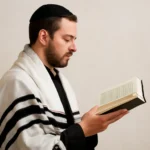
How to read and navigate a Siddur and understand the flow of the Shabbat and holiday services
Basic Hebrew terms used in blessings and prayers
Blessings and rituals for daily life, meals, and special occasions
Shabbat observance and what it means to create a meaningful day of rest and family togetherness
Holiday preparations and the rituals that accompany major festivals
Life cycle rituals such as naming, circumcision/secular naming, bar/bat mitzvah preparation, weddings, and funerals
Choosing a program that fits your goals, background, and learning style can enhance your experience. Consider the following factors when selecting a course:
Your goals: are you seeking historical knowledge, religious literacy, or a cultural understanding?
Format: do you prefer in-person interaction, a live online environment, or asynchronous online learning?
Instructor expertise: what are the credentials and approach of the teacher or program director?
Community fit: does the course come from a synagogue, a university, a nonprofit organization, or a community center that aligns with your values?
Accessibility: are there accommodations for beginners, consideration of different learning styles, and an inclusive environment?
A robust Judaism 101 experience offers more than a collection of facts. It can foster:
Personal sense-making: learners reconcile their beliefs and values with Jewish history and practice
Intellectual curiosity: the ability to compare traditions, assess evidence, and ask thoughtful questions
Community connection: a pathway to friendships, synagogue involvement, or volunteering opportunities
Respect and sensitivity: skill in discussing faith respectfully with others, including interfaith family members
Life-long learning: a foundation for further study in Jewish philosophy, history, Halacha, or liturgy
While each program tailors its schedule, the following outline provides a realistic sample to help prospective students imagine the flow of content over several weeks.
Week 1: Orientation, expectations, basic terms, and an overview of Jewish time and space
Week 2: Biblical foundations, the creation of the people of Israel, and the covenant
Week 3: The giving of the Torah, Sinai, and the emergence of Jewish law
Week 4: Rabbinic civilization, the Mishnah, the Talmud, and interpretive traditions
Week 5: Jewish prayer, the Siddur, and understanding the structure of services
Week 6: Holidays and their meanings, with emphasis on Shabbat as a weekly cycle
Week 7: Jewish ethics and the concept of tikkun olam (repairing the world)
Week 8: Jewish diversity: Sephardic, Ashkenazic, Mizrahi, and other cultural expressions
Week 9: Jewish history in the diaspora and the modern era (emancipation, migration, and Zionism)
Week 10: Contemporary Judaism and pluralism, challenges, and opportunities
Week 11: Review, reflections, and open Q&A
Week 12: Optional guest session or community immersion activity
For newcomers, a well-planned introduction demystifies many elements of Jewish life, lowers anxiety about unfamiliar terms, and creates a sense of belonging. For seasoned learners, it can provide a reliable refresher, update perspectives on evolving practices, and offer new angles on familiar concepts. Regardless of background, the best introductions are:
Accessible: language that respects diverse backgrounds and avoids jargon without explanation
Respectful: a non-judgmental atmosphere where questions and doubts are welcome
Contextual: connections drawn between ancient texts and modern life
Engaging: opportunities for dialogue, reflection, and hands-on experience
Judaism 101 programs typically measure success not by doctrinal agreement but by understanding and engagement. Common outcomes include:
A solid working vocabulary of Jewish terms and concepts
A foundational grasp of Jewish history and the major epochs that shaped Jewish life
Ability to explain the basic structure of Jewish prayer and practice
Awareness of the diversity within Judaism and the reasons communities differ in interpretation
Confidence to participate in community events, services, or lifecycle ceremonies with awareness and respect
To support learning, many programs provide or recommend a curated set of resources. These resources can include:
Texts such as a beginner-friendly Tanakh edition, an accessible Mishnah or Talmud guide, and a concise prayer book
Glossaries of essential terms and transliterations
Maps and timelines illustrating historical movements, migrations, and major events
Online libraries and digital editions for extended reading and research
Glossy or multimedia materials that explain rituals through imagery and short videos
If you’re considering joining a Judaism 101 course, keep the following tips in mind to optimize your experience:
Check the course description for prerequisites and determine whether it’s intended for absolute beginners
Review the instructor’s approach and read participant testimonials if available
Ask about the balance of history, theology, and practice to ensure it aligns with your goals
Inquire about accessibility, language use, and accommodations for diverse learners
Be prepared to participate, ask questions, and share reflections in a respectful setting
Each program has its own requirements, but some common items help learners stay engaged and prepared:
A notebook or digital device for taking notes and recording questions
A copy of the course syllabus or a reading packet if provided
Comfortable, respectful clothing for attendance at a classroom or synagogue
Open-mindedness and curiosity for encountering unfamiliar terms and ideas
Educators in these programs often play multiple roles: they are historians, theologians, community guides, and mentors. A strong instructor should:
Provide clear explanations that connect historical events to contemporary life
Encourage participation, ensure inclusive dialogue, and invite questions from all backgrounds
Offer balanced perspectives, acknowledging diversity within Jewish life while building a shared foundation
Provide practical guidance on how to observe or connect with Jewish rituals and communities in daily life
Many graduates maintain a connection with the learning community through extra study groups, guest lectures, or volunteer opportunities. Alumni networks can be a valuable source of ongoing support, including:
Buddy systems for continued study or service projects
Opportunities to participate in or observe synagogue services
Links to cultural events, museums, and educational programs that deepen understanding
Directions to more advanced study, such as Judaism 201 courses, philosophy seminars, or hands-on practice in rituals
Below are common inquiries from potential students. If you’re unsure about any of these points, consider contacting the program coordinator for clarity.
Do I need prior knowledge? Most Intro to Judaism courses are designed for beginners with no prior background required.
Is there a religious requirement? In general, introductory programs welcome people of all faith backgrounds and beliefs, though some sessions may be hosted by particular congregations with specific expectations.
What if I’m not sure what I believe? The most important goal is curiosity and learning; courses respect diverse beliefs and encourage respectful exploration.
How long does it take? Typical programs run several weeks; some offer accelerated formats or crash courses for busy schedules.
After completing a Judaism 101 journey, many learners find it helpful to translate insights into everyday actions. Practical steps include:
Incorporating sunup-to-sundown rhythms of the week into personal or family planning, especially around Shabbat
Trying a few blessings before meals or on special occasions to build familiarity with liturgy
Attending a holiday service or community event to observe rituals firsthand
Exploring a local library or online archive for primary sources and translations
Joining a study circle or discussion group to continue engaging with the material
Good Judaism 101 programming respects the range of experiences learners bring to the classroom. Instructors strive to:
Provide accurate, well-sourced information and acknowledge uncertainties
Encourage reflective dialogue while maintaining a safe space for all participants
Honor the dignity of all learners, including those from interfaith families or secular backgrounds
Promote critical thinking about how Jewish history and belief intersect with modern life
In summary, Judaism 101 classes—whether framed as Intro to Judaism courses, Judaism basics seminars, or Foundations of Judaism programs—offer a structured, thoughtful path into a complex and vibrant tradition. They help people understand the arc of Jewish history, the core beliefs that have guided communities for millennia, and the ways Jewish life is practiced today. By presenting history alongside belief, ritual alongside ethics, and diversity alongside unity, these courses empower learners to engage with Jewish culture and religion with confidence, nuance, and respect. Whether you approach the program as a curious non-Jewish neighbor, a person considering conversion, a member of another faith exploring common ground, or a Jew seeking intellectual grounding, a well-designed introductory course can be the most supportive and enlightening first step on a lifelong journey of study and participation.