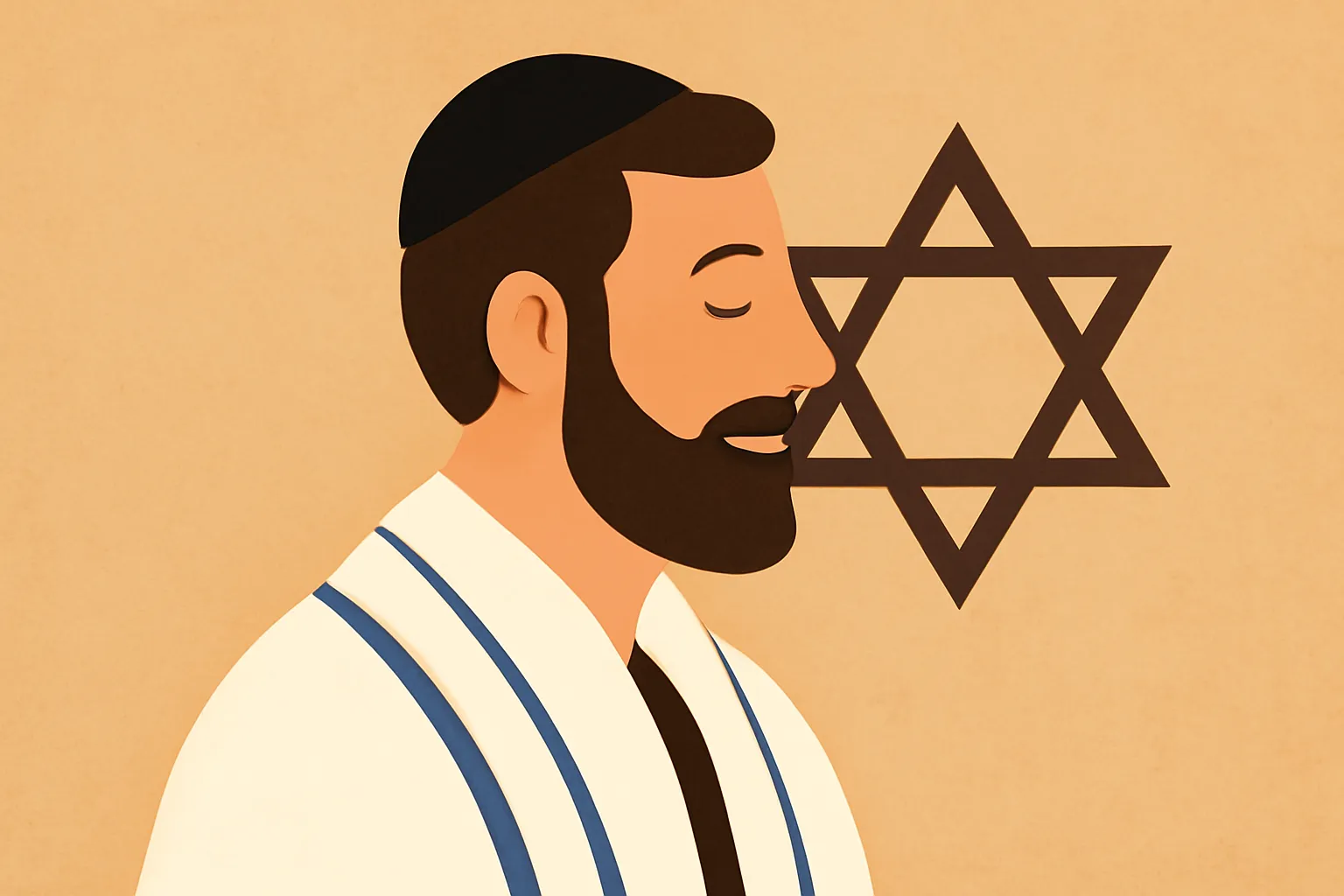
Across the modern Jewish landscape, a distinct path has emerged that centers on culture, history, ethics, and community rather than creed. Humanist Judaism, also referred to as Jewish humanism or secular Jewish identity, invites people to explore what it means to be Jewish through the lens of human values and shared heritage. This movement recognizes that Jewish life can be meaningful without a belief in God, while still honoring the enduring stories, rituals, and commitments that have sustained Jewish communities for millennia. In this guide, we will navigate the core ideas, practices, and contemporary realities of Humanist Judaism and show how it remains a vibrant, evolving option for individuals seeking a modern, inclusive, and ethically grounded form of Jewish belonging.
Humanist Judaism is a clearly defined approach within the broader Jewish world that foregrounds secular humanist principles. It treats Jewish identity as a matter of culture, history, language, and ethical responsibility, not dogma or divine command. In this sense, it offers a distinctive way of being Jewish that is deeply rooted in the human experience: our capacity for reason, compassion, creativity, and social solidarity. When people talk about non-theistic Judaism, they are describing a version of Jewish practice that does not require belief in God as a prerequisite for belonging or ceremony. Instead, devotion is directed toward human welfare, the strength of community, the pursuit of justice, and the preservation of Jewish memory and meaning.
Across the globe, communities that identify with Humanist Judaism often emphasize two interlocking strands: a commitment to Jewish culture and peoplehood and a commitment to humanistic ethics. The first strand preserves the sense of being part of a long, diverse, and creative Jewish story—one that includes language, ritual forms, art, music, and a shared historical narrative. The second strand foregrounds the belief that human beings, acting together, can shape a more just, humane, and flourishing world. Together, these strands define a modern approach to Jewish life that many people find compelling as an alternative or complement to traditional, belief-centered streams.
Origins and Core Principles
Origins: The contemporary movement known as Jewish humanism grew out of mid-20th‑century efforts to reinvigorate Jewish life through a secular, intellectually honest framework. In the United States, the Society for Humanistic Judaism and affiliated congregations helped crystallize a program of services, lifecycle ceremonies, and education that could be led by humanistic rabbis and educators.
Core Principles: At its heart, Humanist Judaism advances human dignity, ethical responsibility, and cultural literacy as the pillars of Jewish life. It treats the Hebrew Bible and other traditional Jewish texts as cultural and historical sources—rich, reflective, and worthy of study—rather than as commands to be obeyed on pain of divine sanction.
Inclusivity: This Judaic path welcomes people across a spectrum of beliefs about God, emphasizing that belonging and shared responsibility can be cultivated through community, education, and service.
Community-centered: A defining feature is the belief that community life—altars of memory, rites of passage, and collaborative learning—creates meaning in everyday living as much as any doctrinal stance.
Key Concepts in Humanist Judaism
Memory and culture: Jewish history, languages (Hebrew, Yiddish, Ladino in some communities), literature, and ritual arts are central to identity and education.
Ethical life: Moral choices, social justice, and the pursuit of human flourishing take center stage in personal development and in the community’s public projects.
Non-theism as a recognized possibility: Some adherents maintain a non-theistic stance, while others may retain a meaningful sense of spirituality that centers on nature, wonder, and human connection rather than supernatural beliefs.
Rituals without dogma: Ceremonies around birth, coming of age, marriage, and death are reimagined to reflect human responsibility and communal memory, not a required belief in God.
Building a Jewish Identity Without theism
For many people, a Jewish identity begins with family, language, history, and shared customs. Humanist Judaism treats those elements as legitimate pillars of belonging, even when religious faith is not part of the picture. The movement argues that a robust Jewish identity can be cultivated through storytelling, music, holidays, and acts of service that honor the past while shaping a ethical present and future. This approach affirms that belonging can be inclusive, not doctrinaire, and that meaningful Jewish life can be practiced alongside diverse personal beliefs about God, spirituality, and the cosmos.
Identity, Peoplehood, and Belonging
Peoplehood emphasizes the shared history, language, and cultural repertoire that connect Jews across generations and geographies. In Humanist Judaism, peoplehood is nourished through education, community service, and intergenerational activities.
Shared language: The use of Hebrew or other Jewish languages in ritual and study reinforces a sense of belonging and continuity with past generations, even when the meanings are interpreted secularly.
Biographical meaning: Personal life stories—births, milestones, relationships, and losses—become a canvas on which Jewish memory is painted through naming ceremonies, ceremonies of passage, and commemorations.
Ethics as a Bridge Between Private and Public Life
Ethical decision-making is a central bridge between private life and public obligation in Humanist Judaism. By placing human welfare, justice, and compassion at the center, practitioners translate religious heritage into concrete action. This bridge is evident in community service, advocacy, and educational projects that address contemporary issues such as poverty, discrimination, climate change, and access to education and healthcare. In many communities, ethical reflection is a regular feature of services, study sessions, and forums where people wrestle with real-world dilemmas in a Jewishly informed frame.
Practices, Rituals, and Life Cycle
Practices in Humanist Judaism are designed to nurture connection, reflection, and ethical living. Since the movement foregrounds human agency and communal responsibility, many rituals are reframed as public acts of meaning-making rather than sacraments administered by a deity. Congregations offer a spectrum of ritual forms that can adapt to different life circumstances and personal beliefs while preserving a sense of continuity with Jewish tradition.
Worship Services and Ceremonies
Services typically feature a blend of study, storytelling, music, poetry, and discussion. They may be led by trained humanistic rabbis or lay leaders who guide participants through reflections on Jewish history, ethical questions, and communal priorities.
Liturgy in Humanist Judaism often uses Hebrew prayers and readings in informed translations, with the option to substitute or reinterpret passages to emphasize human values and shared human experience.
Community singing, readings, and discussion form a central part of most services, creating an environment where participants feel seen, heard, and invited to contribute.
Lifecycle Ceremonies
Naming ceremonies for babies and young children reflect a commitment to language, memory, and belonging. These rituals honor the child and welcome them into the Jewish community without requiring assent to particular dogmas.
Coming-of-age ceremonies: The typical bar/bat mitzvah in Humanist Judaism is transformed into a secular rite of passage that foregrounds the young person’s contribution to the community, study, and leadership, rather than a declaration of belief in God. This can include readings, community service commitments, and public presentations of personal values.
Weddings: Rabbinic or civil-style weddings may be conducted with vows that emphasize partnership, mutual growth, and shared ethical commitments rather than religious covenants.
Funerals and memorials: Humanist funerals focus on the biography of the deceased, memory, and the ongoing impact of their life, often with readings, music, and communal support for the bereaved.
Education and Lifelong Learning
Education is a core practice in Humanist Judaism. Communities often offer programs for children, teens, and adults that explore Jewish history, Hebrew language as a cultural tool, ethical philosophy, and the skills of civic engagement. Classes may cover topics such as “Jewish ethics and social justice,” “the Hebrew Bible as literature,” and “Jewish memory in modern life.” The aim is to cultivate a sense of literacy and curiosity that empowers people to live with intention and to participate actively in their communities.
Holidays, Rituals, and Seasonal Life
Observance in Humanist Judaism tends to emphasize the historical, ethical, and communal dimensions of holidays, rather than the supernatural aspects often associated with religious observance. This approach preserves the energy and memory of Jewish time while making the celebrations accessible to secular and pluralist participants.
Shabbat and the Jewish Week
Shabbat is often a weekly moment of rest, reflection, and community. Instead of a God-centered liturgy, Humanist Shabbat services may highlight gratitude, family life, and social connection, with opportunities for meditation, music, and discussion about personal and communal intentions for the week ahead.
Families and individuals may mark Shabbat with shared meals, storytelling, or learning sessions that connect the day to historical memory and contemporary values.
Passover, Hanukkah, and Other Biblical Festivals
Passover (Pesach) and Hanukkah are celebrated as historical commemorations of liberation, resilience, and cultural continuity. Rituals focus on storytelling, communal meals (including the retelling of the Exodus story, often reframed in a way that emphasizes human responsibility and collective struggle for freedom), and acts of charity.
Other holidays, such as Purim or Sukkot, may be observed with readings, creative performances, and community-building activities that highlight themes of courage, vulnerability, and hospitality.
High Holy Days in a Humanist Frame
On major days of reflection, such as Yom Kippur or Rosh Hashanah, Humanist communities often focus on introspection, accountability, forgiveness, and renewal of commitments to ethical action. The framework is explicitly personal and communal rather than theological, inviting participants to consider how their actions affect others and how they can contribute to a more just world in the year ahead.
Texts, Learning, and Interpretation
Humanist Judaism treats Jewish literature as a treasure trove of human thought—stories, poetry, philosophy, and law that illuminate the human condition. The study of Jewish classics is encouraged, but the interpretive lens is secular and human-centered. This approach allows individuals to engage with tradition critically, creatively, and personally.
Texts as Cultural Treasures
Torah as literature: The Torah and other canonical writings are studied for their historical, ethical, and cultural insights. Readers explore authorship, context, symbolism, and the enduring questions they raise about justice, community, and human responsibility.
Rabbinic and modern voices: Classical commentators, poets, philosophers, and contemporary thinkers are examined to understand how Jewish intelligence has grappled with meaning across ages. Humanist Judaism welcomes diverse interpretive voices, including secular scholars and creative writers.
Languages: Knowledge of Hebrew or other Jewish languages can deepen engagement with texts and ritual, even when readings are understood in secular terms.
Education as Empowerment
Learning in Humanist Judaism is designed to empower people to think critically, act ethically, and participate meaningfully in community life. Programs may include study circles, guest lectures, debates on public policy and ethics, and opportunities for youth leadership. The goal is not to replace secular education but to enrich it with a Jewish frame that honors human dignity and responsibility.
Ethics, Justice, and Social Action
Ethics is a unifying hub in Humanist Judaism. The movement contends that Jewish life is most faithful when it translates memory and tradition into concrete deeds that alleviate suffering and advance human rights. In practice, Humanist Jewish communities often partner with civil society organizations, participate in interfaith initiatives, and sponsor programs that address local and global challenges.
Core Ethical Themes
Human dignity and equality for all people, regardless of background or belief.
Social justice: Advocacy for fair treatment, economic justice, and anti-discrimination.
Repairing the world (tikkun olam) through community service, philanthropy, and policy work that seeks to improve living conditions for the vulnerable.
In practice, Humanist Judaism sees ethical action as inseparable from community life. Members volunteer for local charities, support refugee and immigrant communities, participate in dialogues about race and identity, and engage in projects that promote education and healthcare access. This ethical emphasis aligns with the broader Jewish value of responsibility to others and to future generations.
Community, Leadership, and Organization
Humanist Jewish life organizes around local congregations and study groups, connected by national or international networks. A defining feature is the presence of trained leaders who bring a secular, humanistic perspective to worship, education, and lifecycle events.
Leadership and Clergy
Humanistic rabbis and educators guide services, teach classes, and officiate ceremonies when requested. These leaders are trained to combine Jewish literacy with a non-theistic, ethical framework.
Some communities use lay leaders or educators who are deeply versed in Jewish history and practice but do not identify themselves as religious clergy in the traditional sense.
Leadership emphasizes inclusivity, accessibility, and the ability to translate Jewish ideas into everyday life, community projects, and personal growth.
Community Life
Congregations offer regular services, education programs, and social events. They serve as spaces for people to explore Jewish meaning together, regardless of belief in God.
Study circles and discussion groups provide opportunities to read texts, discuss ethical dilemmas, and imagine practical ways to live out Jewish values.
Interfaith and intercultural engagement: Many Humanist Jewish communities collaborate with secular and religious neighbors, recognizing shared human concerns and the value of pluralism.
Israel, Jewish Identity, and the Global Community
Attitudes toward Israel and the broader Jewish world vary among Humanist Jews, reflecting a commitment to Jewish continuity and moral responsibility in a global context. Some communities maintain a strong sense of Jewish peoplehood that includes connections to Israel and Hebrew culture, while others emphasize universal humanistic ideals that can sometimes diverge from political orthodoxies. What unites Humanist Jews is a shared interest in sustaining Jewish memory, culture, and ethical action in a pluralistic world.
Israel and Dialogue
Dialogue over dogma: Humanist Jewish groups often encourage respectful conversation about Israel and Middle East realities, grounding discussions in human rights, dignity, and peace-building rather than dogmatic positions.
Hebrew culture, arts, and language can be revitalized in diaspora communities as a bridge to Jewish history and identity, even when religious practice differs from traditional forms.
Common Questions and Misconceptions
As a distinct path within Jewish life, Humanist Judaism invites questions about belief, worship, and belonging. Clarifying common misconceptions helps prospective participants understand what to expect and how to participate meaningfully.
Do Humanist Jews believe in God? In many contexts, non-theistic or secular beliefs are common among practitioners. Others may hold personal spiritual experiences that do not center on a theistic framework. The essential point is that belief in God is not a requirement for membership or ceremony.
Is this “anti-religion”? Not at all. It is a legitimate, constructive form of Jewish life that emphasizes ethics, culture, and community as the basis for belonging and religious expression.
What about traditional rituals? Rituals are adapted or reinterpreted to fit secular aims. The focus remains on memory, learning, service, and community rather than the supernatural aspects of the practice.
Who can participate? Almost anyone curious about Jewish culture, history, and ethics can participate in Humanist Jewish communities. The invitation is to engage with the material, contribute to discussions, and join in communal action.
Getting Involved: How to Explore Humanist Judaism
For those curious about whether a secular or humanistic approach to Judaism fits their identity, exploring local communities is a good first step. The following practical ideas help prospective members experience Humanist Judaism firsthand and determine if it resonates with their sense of Jewish belonging.
Attend a service: Seek a local Humanist Jewish service or study session to experience the atmosphere, leadership style, and the balance of language, music, and learning.
Join a study group: A small group focused on Jewish ethics, history, or Hebrew-language study provides a personalized way to explore Jewish identity in a secular frame.
Participate in lifecycle events: If you’re considering naming, coming-of-age, weddings, or memorials, observe how Humanist ceremonies weave memory and ethics into meaningful rituals.
Volunteer and learn: Community service projects connected to social justice can offer a practical entry into the values that drive Humanist Judaism.
Connect with a community online: For those without local options, online courses, discussions, and virtual services can be entry points into the movement’s ideas and practices.
Why Choose Humanist Judaism?
People choose Humanist Judaism for a variety of reasons that reflect personal history, intellectual orientation, and ethical priorities. Some value the explicit, non-theistic stance as a path to a humane, culturally rich Jewish life that is compatible with diverse beliefs about God. Others are drawn to the way Jewish memory, language, and ritual are preserved and reimagined to serve social justice and community resilience. Still others seek a framework that can accommodate interfaith families, secular individuals, and those who admire Jewish tradition while questioning theological claims.
In short, the modern guide to secular Jewish living offered by Humanist Judaism provides a flexible, values-centered approach to Jewish life. It acknowledges the past while inviting ongoing interpretation, conversation, and action. It is a living tradition that asks not only what Judaism meant yesterday, but what it can mean today and tomorrow for diverse communities around the world.
Glossary of Key Terms in Humanist Judaism
Humanist Judaism
A Jewish movement that centers secular humanism, cultural heritage, and ethical life, with an emphasis on community, memory, and meaning rather than belief in God.
Jewish humanism
Synonymous with Humanist Judaism; highlights the human-centered approach to Jewish life.
Non-theistic Judaism
A form of Judaism in which divine belief is not essential for belonging or ritual practice.
Peoplehood
The sense of belonging to a shared Jewish people across generations and geographies.
Tikkun olam
A concept of repairing or improving the world through ethical action and social justice.
Bar/bat mitzvah
A coming-of-age ceremony that, in Humanist Judaism, is typically conducted as a secular rite of passage focusing on learning and community contribution.
Naming ceremony
A secular or culturally framed ritual to welcome a child into the Jewish community without traditional religious overtones.
Conclusion: A Modern, Inclusive Path
Humanist Judaism offers a modern, inclusive path for those who want to engage with Jewish life through a secular, human-centered lens. By honoring the memory of Jewish history, celebrating culture and language, pursuing ethical action, and building supportive communities, adherents of Humanist Judaism demonstrate that Jewish identity can be vibrant, relevant, and deeply meaningful without requiring acceptance of a particular creed. The movement continues to evolve as new generations contribute fresh perspectives, new forms of expression, and expanded efforts toward social justice and educational access. For anyone exploring secular Jewish identity, Humanist Judaism represents a thoughtful, values-driven route that blends tradition with modernity in a way that is both reflective and action-oriented.
As with any path within Judaism, the best way to understand Humanist Judaism is to experience it directly. If you are curious, seek out a local congregation or study group, read about their practices, and consider how the emphasis on culture, memory, and ethics resonates with your own sense of Jewish meaning. Whether you come from a Jewish family, a pluralistic background, or a completely new starting point, the secular Jewish identity offered by Humanist Judaism invites you to participate in a global community that values human dignity, shared responsibility, and the ongoing creation of a just and compassionate world.