12 Tribes of Israel Bible Verse: Meaning & Key Passages is a comprehensive exploration of how the twelve sons of Jacob became the familiar tribal names of ancient Israel, how their blessings shaped biblical theology, and which verses most clearly articulate their identities, destinies, and roles in the scriptural narrative. This article will guide you through the foundational verses, the ways these tribes are described in the Torah, and the key passages that are often cited in both Jewish and Christian traditions. It will also address notable variations in lists and how later biblical books incorporate or reinterpret the original twelve-tribe framework.
Foundational Concepts: Where the Twelve Tribes Come From
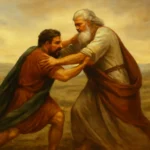
The concept of the twelve tribes of Israel originates in the patriarchal family of Jacob, whose name was changed to Israel after a nocturnal encounter with God. Jacob’s twelve sons—Reuben, Simeon, Levi, Judah, Dan, Naphtali, Gad, Asher, Issachar, Zebulun, Joseph, and Benjamin—become the ancestral heads of the tribes that later populate the biblical narrative. The formation of this tribal system occurs against a backdrop of wandering, conquest, and settlement, and it serves as a structural frame for land division, divine favor, prophetic pronouncements, and portraits of national identity.
Two important complications shape how the twelve are understood in Scripture. First, the tribe of Levi does not receive a large territory in the Promised Land because Levi’s priests and Levites are set apart for priestly service. Second, the desire to avoid fragmentation of the blessing lineage leads to the division of Joseph into two distinct tribal identities named after his sons, Ephraim and Manasseh, in many biblical lists. In some later texts, especially in prophetic and apocalyptic writings, the pattern of the twelve is kept by different formulations (for example, the list in Revelation 7), which can exhibit variations such as including or excluding certain tribes. These variations are an important part of how scholars and readers understand the meaning of the “twelve tribes” in various literary contexts.
Key Passages by Tribe: A Per-Tribe Overview
Judah
The tribe of Judah holds a central place in both the ancestral blessing and in later biblical history. In Genesis 49:8-12, Jacob’s blessing highlights Judah’s leadership and describes a ruler’s line that would emerge from this tribe. The line is associated with strength, kingship, and eventual Messianic fulfillment. A classic phrase from this blessing, often echoed in later biblical texts, is that “the scepter shall not depart from Judah.” In addition, Deuteronomy 33:7 presents the blessing of Judah within the broader confessional poem, underscoring a privileged and enduring lineage. The Messianic expectation connected to Judah is reinforced in the New Testament by references such as Revelation 5:5, where Jesus is described as “the lion of the tribe of Judah,” tying the tribal blessing to the person and work of Christ for Christian readers. These passages collectively illustrate how Judah’s royal line became a foundational theological motif in both Jewish and Christian scriptures.
Genesis 49:8-12 — Judah’s leadership, the coming ruler, the royal imagery, and the messianic expectation.
Deuteronomy 33:7 — a blessing specifically focused on Judah within the tribal benediction.
Revelation 5:5 — the New Testament portrayal of Jesus as “the Lion of the tribe of Judah.”
Reuben
Reuben, Jacob’s firstborn, receives a mixed portrayal in the blessings. In Genesis 49:3-4, Reuben’s strength is described, but the blessing also warns that he forfeits leadership because of his instability—“unstable as water.” This caution is echoed in other biblical reflections on tribal destiny, where Reuben’s potential as a firstborn is not realized in expansive territorial leadership. The refrain of Genesis 49 invites readers to consider the consequences of moral and familial choices on collective identity. The theme here is not merely national pride but a reminder that a tribe’s trajectory depends on character and fidelity to covenant expectations.
Simeon appears in Jacob’s blessing as part of a complex pattern of judgment and caution. In Genesis 49:5-7, Simeon and Levi are judged together for violence—“their swords are weapons of violence.” Because of their combined act of retaliation at Shechem, their inheritance in the land is compromised. This judgment has both a moral and theological dimension, signaling that tribal power and land cannot be divorced from fidelity to the covenant and to righteous living. The Levi-Simeon pairing is a prominent example of how personal action within a family can alter collective destiny in the biblical narrative.
Genesis 49:5-7 — Warning against violence and the consequences for Simeon and Levi.
Joshua 19 (relevant to subsequent territorial allotments): tracing how tribal allocations reflect earlier blessings and judgments.
Levi
Levi receives a distinctive treatment in Scripture. In Genesis 49:5-7, Levi shares in the judgment placed on Simeon for violence, but the Levites are later set apart for sacerdotal service, resulting in a unique priestly role rather than a land allotment like the other tribes. The book of Deuteronomy 33:8-11 and other priestly texts emphasize the Levites’ special covenant relationship with God and their service in the tabernacle and later in the temple. The dual reality of judgment and privilege marks Levi as a tribe whose identity is defined by service, holiness, and devotion to God’s presence among the people. For readers, Levi’s story underscores that spiritual vocation and covenant loyalty can redefine a tribe’s place within the people of God.
Genesis 49:5-7 — Levi’s involvement in violence and its consequences.
Deuteronomy 33:8-11 — Priestly blessing and the Levi’s sacred commission.
Dan
Dan presents a nuanced case in the biblical record. In Genesis 49:16-17, Jacob predicts that Dan will “judge his people,” but later developments in the biblical narrative, including some military and leadership episodes in the Book of Judges, portray Dan with a mixture of prowess and complicating factors. The tribe’s future is sometimes framed in terms of vigilance, judgment, and territorial challenges. In the broader scriptural arc, Dan’s place in the twelve-tribe structure invites readers to consider how a tribe’s appointed role can be fulfilled, redirected, or restricted by historical circumstances and covenant faithfulness. Some textual traditions also reflect Dan’s absence or reduced emphasis in later lists, which invites careful comparative study of tribal enumerations.
Genesis 49:16-17 — Dan as a judge over his people, with caveats tied to integrity.
Judges 18 (contextual background for the Danite settlement): narrative episodes that illuminate Dan’s trajectory in the land.
Naphtali
Naphtali is depicted in Jacob’s blessing with imagery of nimble speed and eloquence. In Genesis 49:21, Naphtali is described as a “deer let loose,” delivering a sense of swiftness and poetic speech. The blessing highlights a strength rooted in communication and liberty of expression. This motif resonates with later biblical texts that prize communicative gifts and strategic positioning—qualities that Naphtali’s tribe appears to embody within the broader tribal alliance. The tribe’s place in the land and in historical memory is nuanced but consistently linked to tenacity and creative strength.
Genesis 49:21 — Naphtali as a swift and articulate force within the people of Israel.
Gad
Gad appears in Jacob’s blessing with a martial and forthright edge. In Genesis 49:19, Gad is promised that “raids shall raid him, but he shall raid at their heels”—a picture of resilience in conflict and eventual triumph through God’s provision. This prophecy sits within the larger context of tribal dynamics in the eastern frontier, where Gad becomes a key defensive and agrarian community. Other scriptural witnesses, such as 1 Chronicles 5:18-22, recount victories and the endurance of Gad in the wilderness and in the land. For readers, Gad’s blessing emphasizes courage, strategy, and the reality that divine enabling shapes military and communal outcomes.
Genesis 49:19 — Gad’s battles and resilience.
1 Chronicles 5:18-22 — historical exemplars of Gad’s fortunes in the land.
Asher
Asher enjoys a blessing rooted in abundance and sustenance. In Genesis 49:20, Asher’s bread and provision are celebrated, pointing to material well-being and productive land. The tribal blessing often intersects with the agricultural and economic dimensions of Israelite life, reinforcing the sense that a tribe’s fortune is tied to its land, harvest, and social provision. The blessing’s language is complemented by other scriptural echoes, such as references in Deuteronomy 33:24, which highlight the tribe’s favorable future and the sweetness of its offerings. Asher’s role in the tribal federation thus intertwines economic blessing with communal vibrancy.
Genesis 49:20 — Asher’s blessing of abundance and bread.
Deuteronomy 33:24 — a related note on blessing within the tribe of Asher.
Issachar is described in Genesis 49:14-15 as a strong, patient follower who “understands the times” and prefers rest and practical wisdom. The blessing emphasizes a temperament oriented toward discernment and strategic thinking—an interpretive lens through which Issachar’s role in the national story can be understood. In later scripture, the tribe of Issachar is associated with scholars and interpreters of divine timing, and the biblical text often invites readers to consider the balance between labor, study, and faithful obedience as a pattern for life within Israel’s covenant community.
Genesis 49:14-15 — Issachar’s strength in discernment and practical wisdom.
Zebulun
Zebulun is portrayed in Genesis 49:13 as a people who dwell by the sea and engage in seaborne trade and ventures. This coastal tribal identity reflects geography shaping national character. The Zebulun blessing often harmonizes with other tribal descriptions that link location with vocation, illustrating how terrain and enterprise contributed to Israel’s social and economic fabric. While not the most prominent in prophetic or royal themes, Zebulun’s maritime temperament contributes to the diversity of Israel’s tribal economy and identity.
Genesis 49:13 — Zebulun’s coastal dwelling and maritime vocation.
Joseph (Ephraim and Manasseh)
Joseph stands as a pivotal figure within the twelve tribes because his two sons, Ephraim and Manasseh, become major tribal lines in later biblical history. In Genesis 49:22-26, Joseph’s blessing emphasizes fruitfulness, resilience, and the protection of God’s favor across generations. The imagery here—reeds thriving by a spring—conveys abundance and divine benevolence in the land. This blessing is echoed in Deuteronomy 33:13-17, which describes the divine favor and abundance poured out on Joseph’s line. In many lists, Joseph is represented by his two sons as distinct tribes, effectively preserving the intensity of blessing and land allotment that his family experiences in Egyptian exile and eventual settlement in Canaan. In the New Testament, the book of Revelation presents a slightly different arrangement of the twelve tribes, sometimes listing Joseph as a single unit or distributing Ephraim and Manasseh separately, which has led to discussions about the symbolic and eschatological significance of the twelve-tribe framework.
Genesis 49:22-26 — Joseph’s fruitful blessing, protection, and divine favor.
Deuteronomy 33:13-17 — the enduring blessings on Joseph’s line and the prominence of Ephraim and Manasseh.
Within this subsection, it can be helpful to distinguish the two branches explicitly:
Ephraim — often highlighted as the more prominent northern tribe in many lists and prophecies, symbolizing a strong political and spiritual center.
Manasseh — associated with both the eastern and western banks of the Jordan and with a diverse territorial history, including prosperity and challenge.
Benjamin
Benjamin is the youngest of Jacob’s sons and receives a blessing that emphasizes the tribe’s vitality and tenacity. In Genesis 49:27, Benjamin is described as a ravenous wolf, implying fierce protection and a fierce spirit. The tribe of Benjamin features prominently in the history of the later Israelite monarchy (with the city of Jerusalem in proximity and allegiance to Judah), and its strengths are often framed in terms of courage, strategic defense, and lasting presence within the fold of Israel. The blessing aligns with the tribe’s role as a compact, resolute, and enduring presence in the national story.
Genesis 49:27 — Benjamin’s fierce strength and lasting presence.
Deuteronomy 33:12 — a concise blessing that reflects Benjamin’s place in the covenant community.
Other Theological Themes: Land, Covenant, and the Unity of the People
Beyond the individual tribe blessings, several overarching themes weave through the discussions of the twelve tribes in Scripture. These themes help readers connect the Bible verse references about the tribes to the broader biblical narrative.
Covenant fidelity and the requirement that each tribe responds to God’s instruction with obedience, holiness, and trust.
Land and inheritance as a sign of divine favor and as a setting for worship, economy, and social order.
Priestly and prophetic roles—Levi’s unique vocation and the way the prophetic books speak into tribal identities.
Messianic expectation—especially through the Judah blessing and its royal lineage, which becomes a bridge to New Testament Christian interpretation.
Variation across biblical books—how lists of the Twelve Tribes differ in the Torah, historical books, and apocalyptic literature (for example, Revelation’s list compares with Genesis and Numbers).
Core Cross-References: How the Twelve Are Used Throughout Scripture
To deepen understanding, readers often examine the major cross-references that connect the twelve tribes to different dimensions of biblical theology. Some of the most influential passages include:
Genesis 49 — the founding patriarch’s final blessings, a primary source for each tribe’s destiny.
Numbers 1-2 — the census and organization of the camp around the Tabernacle, which codifies tribal assignments and responsibilities.
Joshua 13-19 — the distribution of the land among the tribes after the conquest of Canaan, a practical expression of the blessings and limitations described in Genesis.
Deuteronomy 33 — the final blessing of Moses, which consolidates the sense of tribal identity within the covenant community.
1 Chronicles 5-7 — genealogies and regional descriptions that emphasize continuity, memory, and tribal roles within the history of Israel.
Revelation 7 — a later and symbolic re-assembly of the twelve, with a focus on salvation history and the gathering of the faithful, illustrating how the biblical concept of twelve tribes extends into Christian eschatology.
Practical Applications for Readers Today
While the twelve tribes of Israel originate in an ancient, historical setting, the biblical texts invite modern readers to reflect on how identity, vocation, and community are formed in light of divine purpose. Here are a few practical takeaways from studying the twelve tribes’ Bible verses and key passages:
Identity and vocation—Each tribe possesses a distinct identity tied to calling, land, and covenant fidelity. Contemporary readers can reflect on their own communities and how gifts, locations, and responsibilities shape collective mission.
Leadership and accountability—Judah’s royal lineage, Levi’s priestly vocation, and the different tribal strengths illustrate how leadership emerges in diverse forms under God’s design. Modern readers can consider the balance between authority, service, and holiness.
Blessings and consequences—The blessings associated with each tribe reveal how blessings, choices, and actions have long-term consequences. This invites readers to consider their paths, choices, and the spiritual fruits they cultivate.
Scriptural literacy across genres—The same basic framework (family blessings, legal-civic organization, prophetic critique, and apocalyptic symbolism) appears in multiple biblical genres. Readers can practice recognizing how different literary forms contribute to a unified theological message.
Concluding Reflections: The Twelve Tribes as a Mirror for Faith
Throughout the twelve tribes’ Bible verse heritage, readers encounter a robust mosaic that blends genealogy, prophecy, law, history, and theology. The Genesis 49 blessings establish a theological map of destinies and responsibilities. The Numbers census and the Joshua land allocations ground those destinies in real places and settlements. The Deuteronomy blessings emphasize ethical and covenantal fidelity, while the Revelation vision recasts the same framework in the light of salvation history and divine sovereignty. Taken together, these passages offer a compelling model for how a people’s identity is formed, sustained, and renewed across generations, reminding readers that biblical truth is not a static memory but a living conversation across time.
For further study, readers may map the twelve tribes onto a modern Bible atlas, compare the tribal lists in different biblical books, and note how prophetic literature reframes tribal identities in light of divine purposes. This kind of study enriches understanding not only of the 12 Tribes of Israel but also of how sacred texts speak across centuries to nurture faith, hope, and ethical living. Whether you approach the subject from a Jewish, Christian, or secular scholarly perspective, the cross-cutting themes of blessing, covenant, leadership, and belonging make the twelve-tribe framework a rich field for exploration and reflection.
In sum, the 12 Tribes of Israel Bible Verse corpus—through its varied passages and occasional textual variations—offers a durable lens on identity, responsibility, and divine purpose. The biblical verses about Jacob’s sons invite readers to see how a community’s destiny unfolds under God’s guidance, with rows of distinct gifts that, together, tell a single, unfolding story of faith and covenant faithfulness.