Across the biblical narrative, And Jacob wrestled with an angel stands as a dramatic image of struggle, transformation, and blessing. In Genesis 32, the patriarch’s nocturnal encounter reveals powerful truths about faith, identity, and the divine-human relationship. This article explores the biblical meaning, the lessons drawn from the episode, and how scholars and readers interpret Genesis 32 today. By looking at literary context, theological themes, and practical applications, we can gain a fuller understanding of why this story has resonated for millennia.
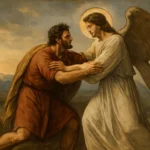
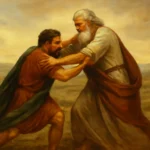
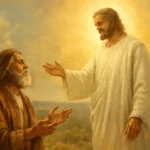
The episode unfolds as Jacob prepares to meet his brother Esau after many years apart. He sends gifts ahead and spends a night alone near the ford of the Jabbok. In the darkness, Jacob wrestled with an angel or a divine being who appears in human form. The struggle lasts until daybreak, a duration that emphasizes persistence, tension, and urgency. When the dawn light comes, the person touching Jacob’s hip causes him to limp, yet Jacob refuses to release the victor until he receives a blessing. This encounter culminates in a dramatic change: the man renames Jacob as Israel, explaining that Jacob has struggled with God and with humans and has overcome. The event also marks a personal transformation for Jacob, who experiences both pain and divine communication in a single moment.
In popular memory, the hearing of the term “wrestling with an angel” signals a spiritual struggle that transcends ordinary physical combat. However, the text embeds this drama within a broader narrative about family, kinship, fear, and trust in God’s promises. The scene is not merely a fight; it is a confrontation with fate, identity, and the blessing that can only be received through endurance, vulnerability, and divine initiative. As readers, we are invited to reflect on our own struggles and the ways in which God’s invitation to blessing often arrives through challenging encounters.
Who Is the Opponent? The Angel or Theophany?
Scholars debate the precise identity of the figure who wrestles with Jacob. The text refers to the opponent as an angel or a messengery figure and sometimes as a theophany—the appearance of God in a visible form. The ambiguity is deliberate, inviting layered readings rather than a single, fixed interpretation.
The Angel as a Messenger: In this reading, the figure represents a spiritual being who acts on God’s behalf, delivering a blessing and testing faith. The emphasis is on the encounter as a discipline that shapes Jacob’s character and mission.
Theophanic Reading: Some traditions understand the wrestler as a visible manifestation of God, a manifest presence that reveals God’s compassionate but challenging relationship with human beings. The blessing and name change then become a kind of divine commissioning.
Hybrid Perspectives: Other interpretations see the figure as a symbol of Jacob’s inner conflict projected into a physical struggle. The external wrestling dramatizes an inner wrestle with guilt, fear, trust, and the divine claim on his life.
Regardless of the precise ontological status, the encounter demonstrates that God may meet a person in unexpected ways—through struggle, through a night of vigilance, and through a blessing that reframes the meaning of struggle itself.
Interpreting the Meaning: Theological Significance
The narrative offers several layers of meaning that scholars and readers continually unpack. A few central themes emerge as especially influential in biblical theology, pastoral reflection, and spiritual formation.
The nature of blessing: The blessing given to Jacob is not simply prosperity or success in battle. It is a redefinition of identity and vocation. By naming him Israel, God signals a people whose identity is forged in struggle and faithfulness to the divine call.
The economy of humility and dependence: Jacob leaves the encounter with a limp, a physical reminder that blessing often comes through surrender and vulnerability. The limp is a paradox: weakness becomes the conduit for strength in God’s purposes.
Transformation through encounter: This event marks a turning point in Jacob’s life. The change from a man who schemed to secure his future to a patriarch who carries a holy name and a mission illustrates how encounters with the divine redefine one’s destiny.
Persistence in prayer and pursuit: Jacob will not release the blessing until it is granted. The episode highlights the importance of perseverance in prayer, even when God’s timing seems mysterious or delayed.
These themes have reverberated through Christian, Jewish, and interfaith conversations about how people relate to God, how divine plans unfold in human history, and how individuals discover their true calling under the burden and mercy of divine grace.
Symbolic Layers: Struggles with Self, God, and Destiny
Beyond the immediate narrative, the episode invites readers to consider several symbolic layers that illuminate human experience in relation to the divine. These layers have been explored in sermons, literary analyses, and scholarly commentaries for generations.
Struggle with self: The night-long fight can be seen as a confrontation with one’s own fears, ambitions, and past actions. The inner struggle mirrors the outer confrontation. In this light, the wrestle with an angel becomes a metaphor for personal transformation through truth-telling, repentance, and honest discernment.
Struggle with God: The phrase “you have wrestled with God” (in some readings) underscores a divine-human engagement where faith, doubt, and trust collide. The wrestle becomes a space in which faith grows stronger through encounter, examination, and eventual blessing.
Struggle with fate or circumstance: Jacob’s flight from his past and his anxious approach toward Esau set the stage for a destiny-changing encounter. The night fight embodies the broader human experience of contending with circumstances that seem beyond one’s control and yet are under divine governance.
Transformation in identity and mission: The name change to Israel is not simply a label change; it signals a new vocation: to be a people who persist in trust and who bear witness to God’s redemptive purposes in the world.
Across these layers, the narrative demonstrates that the spiritual life is often marked by endurance, ambiguity, and a paradox: blessing often arrives in the moment of weakness, not in the moment of triumph. The encounter thus reframes what it means to “win” in a moral and spiritual sense.
Key Episodes Within the Episode: The Wounding, the Blessing, the Name Change
Several components in Genesis 32 are especially significant for understanding the broader message of the story. We can highlight them as distinct motifs that illuminate the arc of Jacob’s journey toward blessing and leadership.
During the struggle, the opponent touches Jacob’s hip and dislocates it, leaving him with a limp for the rest of his life. This moment is often interpreted as a physical sign of the costs of divine encounter. It reminds readers that transformation rarely occurs without some form of cost or vulnerability. Yet the injury also grounds Jacob in reality, making him reliant on God’s sustaining power rather than his own strength. The limp becomes a tangible symbol of the paradox of blessing: strength is transformed by grace into a different kind of power—one that is anchored in trust rather than control.
The Blessing and the Name: Israel
After a long exchange, the angel or divine figure blesses Jacob and asks for his name. When Jacob responds, the figure says, your name shall no longer be Jacob, but Israel. The name change encodes the mission: Israel will be a people who wrestle with God and prevail. The blessing thus carries with it a dual dimension: an assurance of divine favor and a charge to bear responsibility for the relationship between God and humankind. The blessing is not merely private gain; it is a public commission that will define a nation’s identity and vocation in subsequent biblical history.
Peniel: A Place of Encounter
Genesis 32:30 notes that Jacob names the place Peniel, explaining that he has seen God face to face and yet his life has been spared. The sacred geography of Peniel becomes a pilgrimage site for memory and faith. It stands as a landmark in the Jacob narrative that emphasizes the immediacy of divine encounter. The significance of Peniel extends beyond the moment: it signals that the divine presence can appear in human history in ways that are both intimate and transformative. The experience is not merely about a personal blessing; it is about the way God engages with Israel’s future history and mission.
Language and Semantics: Variations of the Core Phrase
In biblical studies, scholars often discuss how the core incident is conveyed through a spectrum of language. The wording shifts slightly across textual versions, and readers notice subtle shifts in emphasis. To aid understanding and to reflect the semantic breadth of the event, here are several variations or reframings you might encounter in study notes, sermons, and translations:
“Jacob wrestled with an angel” as the central phrase that anchors the scene in wrestling and divine-human confrontation.
“Jacob wrestled with God” in some interpretive traditions, underscoring the theophanic dimension of the encounter.
“Jacob contended with a divine messenger” emphasizes the mediating role of the angel as a messenger of God’s purposes.
“Israel received a blessing after the struggle” highlights the outcome rather than the combat’s intensity.
“Jacob’s night of vigil and supplication” points to the devotional posture that accompanies the encounter.
In the broader literary landscape of Genesis, the story sits alongside other moments of divine-human interaction that involve naming, blessing, and transformation. The variety of expressions helps readers approach the encounter from different angles—militant struggle, intimate encounter, and communal vocation—without reducing the richness of the episode to a single interpretation.
Lessons and Practical Applications for Faith and Daily Life
What does the Genesis 32 narrative offer contemporary readers? The lessons span personal growth, communal identity, and spiritual formation. Here are several practical takeaways that readers often find meaningful:
Persistence in prayer: The insistence on obtaining a blessing shows the seriousness with which Jacob approaches God and reminds readers that prayer can be a strenuous, sustained activity rather than a casual request.
Embracing vulnerability: The hip injury teaches that blessing may require vulnerability and surrender. Accepting weakness can create space for God’s grace to work in transformative ways.
Rethinking success: The blessing is not identical with victory in typical human terms. True success may involve alignment with God’s purpose, even when it looks like loss or limitation to the world’s eyes.
Identity formation: The shift from Jacob to Israel signals how a person’s or a people’s identity is shaped by encounters with the divine. Names become markers of vocation and mission.
Integrity in family and leadership: Jacob’s careful approach to Esau demonstrates that faithfulness often requires wisdom, prudence, and ethical discernment, alongside boldness in pursuit of God’s promises.
Ambiguity and trust: The encounter does not provide a neat, tidy answer to every question. Instead, it invites faith that God’s purposes can be trusted even in mystery and ambiguity.
In Christian devotional life, the figure of Jacob who becomes Israel is often cited as an archetype of stages in spiritual growth: departure, struggle, blessing, and vocation. The idea that a life aligned with God’s purposes can endure hardship and emerge renewed resonates across ages and traditions. In Jewish readings, the episode reinforces a theology of covenant fidelity and the enduring election of a people called to witness to God in history.
Genesis 32 in Scholarly and Liturgical Context
Across scholarly disciplines, Genesis 32 is examined for its literary artistry, its source-critical placement, and its function within the larger Jacob cycle. The narrative’s compact structure—prelude, nocturnal confrontation, divine naming, and post-event memory—reveals a carefully designed piece of the biblical mosaic. The text balances action and rest, danger and blessing, deliberation and divine initiative. The episode also functions within liturgical contexts as a reminder of perseverance in prayer and the possibility of divine encounter in quiet, nocturnal moments. The concept of a “night of vigil” has resonated in monastic and contemplative traditions, where believers seek a similar proximity to God through sustained prayer and self-examination.
From a historical-critical perspective, readers may notice the layering of different traditions within Genesis. The motif of wrestling with a divine figure appears in other ancient Near Eastern literature, though the biblical account remains distinctive in its emphasis on covenant faithfulness, ethical transformation, and the reception of a divine commission. The name Israel emerges as a powerful theological signal that a people’s destiny is bound to their fidelity to God’s promises, even when those promises unfold through mysterious and difficult circumstances.
Common Misunderstandings and Clarifications
Wrestling equals condemnation: The narrative does not depict God as adversarial or punitive in this moment. Instead, it presents a paradoxical blessing that is earned through struggle and faithfulness.
Only a physical fight: While the scene features physical struggle, its deepest import is spiritual and theological. The confrontation illuminates how faith, identity, and vocation are forged in encounter with the divine.
Only about Jacob: The episode has communal implications for the nation of Israel and for readers today who seek to understand their own relationship with God and with others in their life’s journey.
Neglecting the aftermath: The lasting impact—Jacob’s limp, the new name, and the Peniel memory—shows that divine encounters leave enduring marks that shape future generations and stories.
Concluding Reflections: Why This Story Still Speaks
In the end, the narrative of And Jacob wrestled with an angel remains a potent, multi-layered story about encountering the divine in the messiness of life, about the cost and hope that accompany blessing, and about the transformation that occurs when a person’s life is opened to a higher purpose. It invites readers to reflect on their own struggles and to consider how resilience, humility, and trust in God can lead to a renewed sense of identity and vocation. The blessing granted to Jacob—becoming Israel—serves as a lasting reminder that God’s purposes often unfold in ways that challenge human certainty, test endurance, and ultimately reposition a life toward a greater mission.
Whether read as a narrative of an ancient patriarch or as a universal picture of spiritual growth, the episode offers a timeless invitation: to approach life with honesty before God, to persist in seeking blessing even in the dark, and to receive one’s true name as a gift tied to a holy calling. In this sense, the story endures not because it resolves every mystery but because it models how faith navigates struggle toward a deeper relationship with the divine and a clearer sense of purpose in the world.