Antique Rosh Hashanah cards are more than simple seasonal greetings. They are tiny windows into the social, cultural, and artistic life of Jewish communities across Europe and North America from the late 19th century into the mid-20th century. These cards, often produced as greeting cards or postcards, carried messages of blessing, renewal, and peace as families welcomed the Jewish New Year. They captured an era when handwritten letters and paper ephemera connected distant relatives, fostered communal ties, and offered a glimpse of the everyday aesthetics of the time. In the modern collecting world, vintage Jewish New Year greetings celebrate not only the wishes etched on their surfaces but also the artistry, typography, and printing innovations that made each card unique.
In this article, we explore the many variations of antique rosh hashanah cards, from regional styles and production methods to symbolic motifs and inscriptions. Whether you are a seasoned collector or a curious student of Jewish cultural history, this guide offers a comprehensive overview of the landscape of historic Rosh Hashanah greeting cards and how they arrived at our hands as cherished artifacts.
Historical backdrop: the rise of Jewish greeting cards in the 19th and early 20th centuries
The emergence of Rosh Hashanah greeting cards aligns with broader changes in print culture during the late 1800s and early 1900s. As postal services expanded and literacy grew, Jewish printers, artists, and shopkeepers began offering seasonal or ritual cards that could be mailed to relatives and friends at the start of the High Holy Days. In Europe, particularly in German-speaking lands and parts of Eastern Europe, the printing industry flourished, and chromolithography and later lithography allowed for vibrant color and intricate ornamentation. In North America, immigrant families and Jewish-owned studios in cities like New York, Chicago, and Philadelphia produced and distributed cards for a growing audience of American Jews seeking to maintain ties with family abroad.
The religious calendar itself provided a natural rhythm for card production: most designs emphasized themes of beginning, reflection, and blessing—garnering a steady demand year after year. Early cards often carried Hebrew lettering alongside Yiddish or English captions, reflecting the multilingual realities of Jewish communities. Over time, variations in language, artistic style, and printing technique created a rich spectrum of antique rosh hashanah cards that collectors prize today.
Printing techniques, materials, and design evolution
One of the most fascinating aspects of antique Rosh Hashanah cards is how they were made. The printing technology of their era influenced color, texture, and even the shape of the card itself.
Chromolithography emerged as a dominant method for multicolor designs. It allowed for bright, layered colors and elaborate borders, which became a hallmark of many vintage Jewish New Year greetings.
Lithography and, later, offset printing enabled more economical production, making cards accessible to a wider audience while preserving artistry in typography and illustration.
Copperplate engraving and engraved metal plates contributed delicate line work and refined shading, producing a more formal, classic look on some historic rosh hashanah cards.
Die-cut shapes and embossing added tactile depth, turning a flat card into a small work of art that could be customized with delicate corners, heraldic emblems, or arced Hebrew calligraphy.
Materials ranged from sturdy cardstock with a satin or linen finish to thinner, more delicate papers that aged with pronounced foxing and color shifts. Some cards were printed on textured stock to enhance the sense of luxury and ceremony.
Common production features include fold-out panels with additional blessings, gilded accents, and foil stamping that highlighted the most important phrases or symbols of the New Year.
The ingenuity of designers and printers meant that antique rosh hashanah cards could convey multiple messages within a single object: a blessing for a good year, a remembrance of loved ones, and an invitation to share in the cycle of Jewish time—all within a compact, collectible format.
Regional styles and motifs: a tour through design traditions
The appearance of antique rosh hashanah cards varies by region, reflecting the local artistic canon, language, and religious sensibilities. Here is a survey of some notable regional flavors.
In the German-speaking world, Kunstkarten (art cards) often featured elaborate borders, floral motifs, and heraldic illustrations alongside Hebrew or Yiddish inscriptions. The typography could be ornate, with fraktur-style script for captions and blessings. Many of these cards present a formal, symmetrical aesthetic, with a strong emphasis on decorative frames and meticulous line work.
Eastern European Jewish communities
In areas such as Poland, Lithuania, and Russia, Hebrew calligraphy and Yiddish captions were common, sometimes accompanied by folk art motifs—pomegranates, wheels of the year, and other symbolic imagery. The cards could display a mix of liturgical phrases and family updates, reflecting the close connections between religious life and daily tradition in these communities.
American Jewish greeting card production
In the United States, Rosh Hashanah cards from immigrant printers often balanced East European aesthetics with American sensibilities. In addition to Hebrew and Yiddish lines, many cards incorporated English messages such as “Season’s Greetings” or “A Happy and Prosperous New Year.” The American market also saw innovations in format, including larger fold-out designs and more varied paper stocks, driven by a burgeoning domestic printing industry.
Motifs, symbols, and devotional language
The imagery and wording on antique rosh hashanah cards reveal an intertwined web of ritual symbolism and affectionate sentiment. Here are some of the most enduring motifs and the meanings behind them.
Shofar (ram’s horn) signaling the start of the New Year and the call to repentance. Often rendered in gold ink or detailed line work, the shofar anchors the card in a sense of solemn renewal.
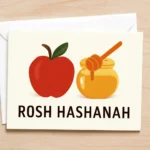
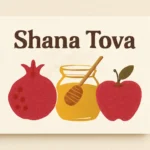
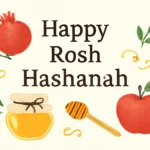
Apples and honey as a blessing for sweetness in the coming year. This motif frequently appears in color depictions and playful illustrations.
Pomegranates representing abundance and the fulfillment of mitzvot, sometimes paired with honeyed backgrounds or geometric patterns.
Seasonal harvest imagery such as grape clusters, figs, or wheat sheaves, linking the New Year with gratitude for sustenance and blessing.
Blossoms, vines, and fruit motifs that frame the greetings with natural beauty and a sense of growth.
Family scenes or sacred texts rendered in elegant Hebrew script, inviting the recipient to participate in communal memory and prayer.
While many cards emphasize the core blessings—health, prosperity, peace—some designs also weave in personal messages, such as family updates, dates, or dedications, reflecting how antique rosh hashanah cards functioned as mini time capsules within a family’s archive.
Language and inscriptions: what you’ll see on historic cards
The linguistic texture of vintage Jewish New Year greetings on cards varies by place and era. Here are common language patterns and what they suggest about provenance and audience.
Hebrew inscriptions with blessings like “L’Shanah Tovah Tikatevu” (May you be inscribed for a good year) or simply “L’Shanah Tova” as a formal blessing for the recipient.
Yiddish captions offering warmth and familiar tone, often addressing family and friends with intimate blessings.
English phrases aimed at American recipients or a bilingual audience, such as “May your year be filled with joy and health” or “Wishing you a sweet new year.”
Trilingual formats combining Hebrew, Yiddish, and English in a single card, reflecting multilingual Jewish communities in the late 19th and early 20th centuries.
The presence of multiple languages not only marks the card’s communicative function but also reveals migration patterns and the evolving identity of Jewish communities in the diaspora.
Dating, dating, dating: how to assess the age and origin of a card
For collectors, antique rosh hashanah cards present a puzzle of dates, printers, and regional characteristics. Here are practical cues that help with dating and provenance.
Printer’s marks or studio names on the back or lower margins can pinpoint a workshop or city. Some printers specialized in Jewish ephemera, and their marks are recognizable to seasoned collectors.
Back design and postal format can indicate whether a card predates a certain postal regulation or reflects a specific circulation era (e.g., fold-out vs. flat card, pre- versus post-1907 postmark conventions).
Typography and script style—fraktur, italic, or rounded sans–serif—often align with particular decades and geographic regions.
Paper quality and printing color reveal production advances and economic conditions. Chromolithography colors can help identify a card as late 19th or early 20th century, while more muted palettes may point to earlier or more modest designs.
Variants and editions—some designs were produced in multiple runs with small changes, creating subtle but important differences that signal approximate dating.
Subject matter—seasonal motifs and modern touches can reflect the era’s taste: more modern typography and urban imagery in later pieces, more traditional motifs in earlier cards.
Collecting and evaluating: a practical guide for enthusiasts
Building a thoughtful collection of antique rosh hashanah cards involves more than chasing rarity. It requires an eye for design, historical context, and condition. The following guidance helps sharpen your collecting goals.
Establish a focus—regional school, era, or motif. Some collectors pursue German-produced cards, others chase Eastern European Yiddish designs, while some seek American Jewish studio cards.
Assess condition—paper age makes fragility a key concern. Look for minimal creases, intact surfaces, legible inscriptions, and unexposed ink through the back. Condition substantially affects value and display potential.
Check for authenticity—reproductions exist. Compare print quality, stock, and back marks with catalogues or expert references. Be wary of modern print reproductions that imitate antique styling.
Document provenance—note where the card came from, its owner’s notes, and any attached letters or envelopes. Provenance can dramatically affect value and interest.
Evaluate rarity and edition size—limited-edition or region-specific designs tend to be scarcer and more sought after by collectors.
Keep symbols in mind—thematic significance (shofar, honey, apples, pomegranates) can influence desirability, but unique illustration styles or unusual inscriptions can be equally compelling.
Authenticating and dating tips: a quick checklist
If you’re evaluating a card for collection or sale, consider these practical steps:
Inspect the card stock and coating. Warping, discoloration, or brittleness may indicate age but can also reflect storage conditions.
Look for printer marks and stamps on the back. This is often the most direct clue to origin and date.
Examine the typography and language. Hebrew script evolution, Yiddish spelling conventions, and English phrasing can narrow the window.
Check for fold lines and die-cut edges—some designs show signs of early manufacturing techniques that help pinpoint era.
Consider the subject matter and style. More modern motifs may align with late 19th-century to early 20th-century trends.
Consult reference catalogs, auction records, and museum collections to compare similar pieces and confirm dating estimates.
Care, preservation, and display of antique cards
Proper care ensures that antique rosh hashanah cards endure for generations. Exposure to light, humidity, and acidic environments can accelerate deterioration.
Store cards in acid-free sleeves or within archival-quality boxes to protect against dust and abrasion.
Keep them away from direct sunlight and fluctuating humidity; stable, cool conditions are ideal.
Avoid adhesives or tapes that can damage delicate surfaces; if mounting is necessary for display, use reversible methods or framing with UV-protective glass.
For display, consider glass-front frames and neutral mounting boards to minimize stress on the card edges.
Handle with clean, dry hands or cotton gloves to prevent oils from damaging the surface.
When you curate a display, you might group historic rosh hashanah cards by region, era, or motif. This creates a narrative that invites viewers to discover connections between art, language, and Jewish ritual practice.
Using antique cards today: interpretation, inspiration, and display ideas
Although antique rosh hashanah cards were originally produced as personal communication tools and seasonal greetings, modern readers often encounter them as (curated) artifacts with educational and aesthetic value.
Educational displays in libraries, schools, or museums can illuminate the history of Jewish ephemera, printing technology, and cross-cultural exchange.
Decorative applications—framed cards or grouped wall panels create a distinctive, vintage atmosphere in homes, synagogues, or community spaces during the High Holidays.
Research and writing—carefully annotated cards can illustrate migration patterns, language shifts, and the evolution of Jewish holiday customs.
Gifting and gifting etiquette—for those who love history, a carefully chosen antique rosh hashanah card paired with a modern blessing can bridge generations and powerfully connect past and present.
The market today: collecting trends and tips
The market for antique rosh hashanah cards continues to grow as more people discover the charm and historical value of these artifacts. Here are some trends and practical advice for navigating the market.
Online marketplaces and auction platforms offer a wide range of cards, from common 1910s pieces to rare pre-war designs. Condition, rarity, and provenance drive value here.
Museum and auction catalogs provide authoritative references and price guidance, helping buyers differentiate genuine antique pieces from reproductions.
Reproduction risks—some vendors offer modern reproductions or altered items. Learn to spot authentic aging cues and verify seller credibility.
Price variability—values can range from modest sums for common, single-color cards to hundreds or thousands of dollars for rare, well-preserved pieces with strong provenance.
Conservation considerations—investors and collectors should consider professional conservation for valuable items, especially if they show fragility or significant foxing.
Notable examples and what they reveal about history
Across the spectrum of antique rosh hashanah cards, some single pieces stand out for their exceptional design, historical context, or rarity. Here are a few archetypes you might encounter in collections or databases.
Ornate die-cut cards with gilded edges and complex borders, often reflecting German or Austrian production houses and their fascination with decorative typography.
Yiddish-language cards featuring family salutations and blessings, which provide a window into daily life and community networks in Eastern Europe before World War II.
Hebrew-script pieces that prioritize liturgical phrasing and synagogue motifs, illustrating the card as a mini prayer book in miniature form.
Fold-out designs with extra panels for longer blessings or family updates, signaling a shift toward more elaborate personal communication.
American-printed cards that blend English captions with Hebrew or Yiddish script, highlighting immigrant entrepreneurship and transatlantic exchange.
Resources for further exploration of antique Rosh Hashanah cards
If you wish to deepen your knowledge or build a more informed collection, consider consulting a range of resources that document historic Rosh Hashanah greeting cards, printing history, and Jewish ephemera.
Accompanying catalogs from major auction houses and antique dealers that specialize in Jewish ephemera and paper collectibles.
Museum collections and online databases that feature Rosh Hashanah cards, often with notes on origin, date, and printing technique.
Reference books and periodicals on Victorian and early 20th-century ephemera, which provide context for design choices and market dynamics of the era.
Academic articles on Hebrew typography and Yiddish printing, useful for understanding the linguistic and stylistic choices found on these cards.
Online forums and collector networks where enthusiasts share photos, provenance, and tips for authentication.
Conclusion: preserving a shared memory through antique rosh hashanah cards
Antique rosh hashanah cards are a tangible link to Jewish communities across oceans and generations. They record personal wishes, communal rituals, and evolving artistic styles in a compact form that travels well—the postcard, the greeting, and the prayer in one small package. By studying their motifs, scripts, printing histories, and regional variations, we gain a richer understanding of how the Jewish New Year has been imagined, expressed, and carried forward by families and printers alike. Whether you are a dedicated collector, a student of Jewish art, or someone seeking meaningful decor that honors tradition, these vintage cards offer a fascinating, multi-layered lens on a timeless season.
Additional notes for enthusiasts
For those who want to begin or expand a collection, consider creating a catalog or record-keeping system. You might log each card with fields such as region, printer, date range, language, subject motif, and condition. This not only clarifies your collection’s structure but also makes it easier to track changes in market value and historical interpretation over time.