Breaking glass at Jewish wedding: meaning and customs
The moment known colloquially as the breaking glass is one of the most recognizable and debated rituals at a Jewish wedding. It is a brief, electric gesture that punctuates the ceremony and ties together joy and memory in a single, often noisy, flourish. While the sound of the glass shattering can momentarily surprise guests, the deeper significance remains a source of reflection for couples, families, and communities. This article explores the many layers of meaning behind the ritual, traces its historical roots, surveys regional and denominational variations, and offers practical guidance for couples planning weddings today.
The core meaning: why break a glass at a Jewish wedding?
At its heart, the breaking glass ritual serves as a powerful mnemonic and ethical reminder. There are two traditional strands of interpretation that many communities emphasize, and some couples prefer to hold both in tension to honor a full range of Jewish thought.
Memory of Jerusalem’s Temple: One of the most longstanding explanations is that the shattering glass recalls the destruction of the Temple in Jerusalem. The moment is meant to acknowledge that even in moments of immense joy, history and collective sorrow are never far away. The broken glass becomes a tangible symbol of fragility, reminding the couple and their guests to value peace, safety, and responsibility toward one another and toward the broader community.
Fragility of human happiness: A second vein of meaning centers on the idea that marital joy is precious and fragile. The sound of glass breaking signals that joy comes with a need for care, attention, and ongoing effort. It invites the couple to tend their relationship with humility, patience, and mutual respect, even as their life together begins in celebration.
Historical roots and development
The exact origin story of the glass-breaking rite is not fixed in one authoritative source, and practices have evolved differently across Jewish communities. What remains consistent is that the ritual functions as a ritual punctuation—an intentional break between the solemn vows and the celebratory cheers of the moment that follows.
Some scholars point to medieval and early modern synagogue practices that highlighted memory, accountability, and the interplay between joy and loss in communal life. Others suggest that the ritual emerged as a practical demonstration of breaking the fast or abstaining during certain days, later reinterpreted as a symbolic act in the wedding context. Regardless of how it originated, the central idea—marking a transition with a vivid sensory cue—has endured in many streams of Jewish wedding customs.
Across centuries and geographies, the breaking of the glass has become a near-universal signifier in Jewish weddings, even as the way it is observed can vary widely from one community to another.
Elements of the ritual: how the breaking glass is typically performed
Although there are countless personal and communal adaptations, several elements recur in many versions of the glass-breaking ceremony.
Selection of the glass: Most couples choose a small wine glass, often a pressed or elegant glass, sometimes a simple inexpensive glass that can be shattered without concern. The glass is typically placed on a flat surface or carried in a cloth wrap to prevent shards from flying in undesirable directions.
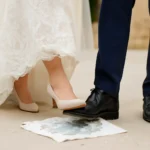
Wrapping or protection: In many traditions, the glass is wrapped in a napkin, cloth, or a special small bag so guests do not step on shards or slices of glass afterward. This wrapping also helps to control the moment of breaking.
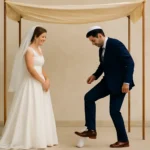
The act: The most familiar form involves the groom (or sometimes the couple together) stepping on the wrapped glass with a foot, producing a crisp shattering sound. In some communities, a designated person—such as a rabbi, cantor, or friend—may break the glass on behalf of the couple, depending on local custom or safety concerns.
Guest reaction: The breaking of the glass is almost always followed by enthusiastic “Mazel Tov!” from the guests, calibration signals, and mid-ceremony applause. The audible moment serves as a communal blessing and a shared memory.
Variations in the breaking method
The method of breaking the glass and the surrounding rituals can vary significantly.
Some couples use a bottle instead of a regular wine glass, which can produce a louder or more dramatic crack.
In certain communities, the glass is placed inside a cloth or bag, and the groom (or the couple) steps on it with a visible flourish, sometimes lifting the cloth at the last moment to reveal the shattered pieces.
A few traditions involve both partners breaking a separate glass or sharing in the breaking process to emphasize equality and mutual responsibility. In other cases, the bride may also have a moment to break a glass later in the ceremony or during a different ceremony moment. These variations reflect a spectrum from highly traditional to more feminist or egalitarian interpretations.
Some couples incorporate the breaking ritual into a broader sequence of symbolic actions, treating the glass break as just one of several meaningful moments that foreground memory, commitment, and joy.
Regional and denominational variations
The way the glass-breaking ritual is observed can reflect deeply rooted cultural and liturgical differences. Here is a broad survey of how the ritual appears across major streams of Jewish practice and in diverse communities.
Ashkenazi traditions
In many Ashkenazi communities, the groom performs the act of breaking the glass at the conclusion of the ceremony, often after the exchange of rings and the pronouncement of marriage. The moment is typically announced to the guests, and the room erupts in a chorus of mazel tov and celebration. Some families prefer to have the bride participate in the breaking, particularly in reform or egalitarian settings.
Sephardic and Mizrahi practices
Sephardic, Mizrahi, and other non-Ashkenazi communities may adapt the ritual in unique ways. For some, the glass-breaking moment may occur in a final blessing or as a transition into the processional or reception phase. The choice of glass, wrapping, and who performs the act can reflect local customs and family traditions that have been handed down through generations.
Affirmative and egalitarian approaches
In many modern weddings—often conducted in Reform, Conservative, or progressive Orthodox settings—the ritual may emphasize gender equality or a shared responsibility. The glass-breaking moment can be executed by either partner, or by both in a cooperative gesture, underscoring the idea that a marriage is a partnership grounded in mutual respect and shared vows.
Symbolic meanings in practice: what the ritual communicates beyond the moment of sound
The physical act of breaking a glass is laden with layered symbolism that resonates with people in different ways. Here are several core messages frequently drawn from the practice.
Memory and responsibility: The shattered glass becomes a poignant reminder that the couple carries memory—of ancestors, history, and the larger Jewish story—into their future. It invites ongoing responsibility toward family, community, and tradition.
Joy tempered by reality: The moment of breaking acknowledges that happiness exists alongside the fragility of human life and relationships, encouraging kindness, patience, and resilience in daily life.
Continuity of tradition: Even as the couple moves forward into a new stage of life, the ritual ties them to centuries of Jewish communal life and the shared practice of marking rites with symbol and sound.
Commitment to growth: The ritual signals that marriage is a lifelong project—one that will require effort, compromise, and continual work, much like tending a precious, delicate vessel that must be cared for to avoid shattering.
Practical considerations and etiquette
For couples planning a wedding, understanding practical aspects helps ensure the ritual goes smoothly and safely.
Safety first: The glass should be placed on a sturdy, flat surface and wrapped to avoid dangerous shards. The area around the breaking glass should be clear, and guests should be informed about the moment to minimize accidental contact with shards.
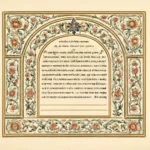
Choosing the right moment: The ritual is often performed after the ring exchange and the signing of the ketubah (if applicable), or immediately after the vows but before the reception to provide a clear transition into the celebration. Some couples prefer to perform it at the end of the ceremony as a concluding flourish.
Who breaks the glass: Traditionally the groom breaks the glass, but in egalitarian ceremonies or Reform and Conservative settings, either partner or both may participate. The choice reflects the couple’s values and community norms.
Audience cues: It’s common to have a brief ritual description announced by a rabbi, cantor, or MC so guests understand the significance and join in the moment appropriately.
Clarity and respect: If the couple is of different cultural backgrounds, it’s respectful to acknowledge both traditions and explain how the ritual is being observed in a way that honors both families.
In-depth variations to consider when planning
For couples shaping their own wedding narrative, the glass-breaking moment offers a chance to tailor the ritual in ways that feel authentic without sacrificing meaning. Here are several variations couples frequently consider.
The inclusive approach: A ritual in which both partners take part in breaking a glass or breaking two glasses, symbolizing shared responsibility and mutual support in partnership.
The personalized glass: Choosing a glass with personal significance—perhaps an heirloom or a glass that has meaning within the family—can add a meaningful touch to the ritual.
Alternative vessels: Some couples substitute a bottle, a ceramic cup, or a ceremonial vessel from their cultural background, turning the moment into a more distinctive and memorable visual.
A musical or spoken component: The ritual may be accompanied by a brief blessing, a short reading, or a chorus of a favorite song to deepen the emotional resonance.
Common questions and misconceptions about breaking glass at a Jewish wedding
Because the ritual is so visually and emotionally striking, it is often the subject of questions and misunderstandings. Here are some frequent inquiries and clarifications.
Is breaking the glass required? Not universally required. It is a traditional custom in many communities, but some Jewish weddings do not include it. If the couple does not observe the ritual, it does not reflect on the validity of the marriage in Jewish law.
What does the sound symbolize? The shattering sound is mostly symbolic—memory, fragility, and the transition from single life to partnership. It is not a standardized ritual with a singular definition but a flexible practice that carries multiple layers of meaning.
Why do guests shout mazel tov after the breaking? The moment of breaking is a cue for communal blessing—“Mazel tov” is the collective expression of joy and support for the newly married couple.
Could the ritual be omitted for safety? Yes. In venues with limited space, during outdoor celebrations, or in regions with strong safety concerns, couples may opt for a less hazardous alternative while preserving the symbolic intent, such as breaking an ornamental glass that is purposefully designed to minimize risk.
Textual and liturgical context: where the ritual sits in the ceremony
The glass-breaking moment is most often positioned toward the end of the ceremony. For many, it acts as a ceremonial hinge that transitions from vows and blessings to the celebratory reception. The precise placement can reflect community norms or the couple’s preferences.
In some rites, a brief blessing or a single verse may precede or follow the breaking of the glass. The inclusion of readings from the Torah, poetry, or a contemporary blessing can enrich the moment, making it not only a cultural marker but also a personal statement about the couple’s values and hopes for the future.
Ethical and cultural considerations for modern weddings
In today’s diverse Jewish communities, couples often aim to honor multiple strands of Jewish tradition while also recognizing the individuality of their story. The glass-breaking ritual can be an opportunity to reflect on ethics, communal responsibility, and the couple’s commitments beyond the vows.
Environmental and waste considerations: Some couples prefer to use reusable ceremonial glassware or to properly collect and recycle glass after the moment, reducing waste while preserving symbolism.
Inclusion and accessibility: Planning the moment with accessibility in mind ensures that guests with mobility or sensory needs can participate or observe comfortably. This includes clear sightlines, audible cues, and a straightforward action that does not rely solely on visual cues.
Family and interfaith dynamics: In interfaith or intercultural weddings, the ritual can be a bridge between traditions, incorporating elements that honor both spiritual backgrounds and family histories.
Related rituals and how they complement the breaking of the glass
The breaking of the glass is part of a broader tapestry of wedding rituals in Jewish life. Several ceremonies or symbolic actions may accompany or precede this moment, enriching the overall narrative of the day.
Ketubah signing and the exchange of rings, which establish the legal and covenantal framework of the marriage.
Wedding blessings recited by the rabbi or a loved one, offering spiritual and communal support.
Seven blessings (Sheva Brachot) that are recited in some communities at the groom’s breaking of the glass or at a later moment, depending on the tradition.
Reception traditions such as dancing, the hora, and other celebratory customs that echo the communal joy signaled by the glass-breaking moment.
Sephardic and Mizrahi nuances: a broader palate of meanings
In Sephardic and Mizrahi wedding circles, the glass-breaking ritual often carries additional cultural layers. It can be combined with music, poetry, and language that reflect a long history of diaspora and adaptation. The ritual remains a powerful way to connect the couple’s present with a lineage of communities across the globe. Some families incorporate specific blessing phrases or lines from liturgical texts that echo themes of resilience, hope, and continuity.
Practical guidance for couples and planners
If you are planning your wedding and deciding how to approach the glass-breaking moment, here are practical steps to help ensure the ritual aligns with your values, space, and safety considerations.
Discuss with your officiant: Confirm expectations, placement, and language. Decide whether the moment will be performed by one partner, both, or by a designate, and how the moment will be framed for guests.
Choose a suitable vessel: Select a glass that is appropriate for breaking but easy to clean up. Consider using a decorative or heirloom glass if you wish to add personal meaning, while keeping safety in mind.
Plan the wrap and cleanup: Decide on a cloth or bag for containing the glass, and designate a clean-up plan for after the glass shatters. This can include a dedicated person to collect fragments and ensure environmental disposal is handled responsibly.
Prepare a brief explanation: Prepare a short, respectful explanation for guests who may be unfamiliar with the ritual. A succinct description enhances the experience and goodwill among attendees.
Conclusion: a ritual with enduring resonance
The breaking glass at Jewish wedding ceremony remains a vivid, meaningful, and adaptable ritual that invites reflection even as it signals celebration. Whether observed in its traditional form or reimagined in an egalitarian or modern context, the glass-breaking moment serves as a bridge between memory and hope, between history and the couple’s future, and between the private vows they make and the public joy of family and community.
As you plan or attend a wedding that includes this ritual, consider the ways in which the glass-breaking custom can be a personal, inclusive, and memorable expression of your shared life. Whether you call it the shattering of the glass, the glass-smashing rite, or simply the final symbolic act of the ceremony, the moment remains one of the most evocative and meaningful facets of Jewish wedding traditions.