Brisket for Tacos: How to Make Juicy, Tender Taco Meat
Brisket is a natural fit for tacos when you want meat with deep, beefy flavor and a texture that shreds or slices beautifully. In many kitchens, brisket for tacos becomes the star of a weeknight dinner or a weekend gathering, delivering the kind of juicy, tender meat that holds up to bold toppings and vibrant salsas. This article is a comprehensive guide to selecting the right cut, choosing between different brisket for tacos variations, and mastering several reliable methods to coax maximum flavor and tenderness from this affordable, crowd-pleasing cut.
Understanding the Brisket Cut: What makes it ideal for tacos
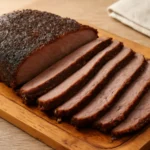
The term brisket refers to a large cut from the chest area of the cow. It is prized for its combination of muscle fibers and connective tissue, which respond beautifully to slow cooking. When properly prepared, the collagen breaks down into gelatin, coating every shred or slice with richness. For taco meat, you want a balance of tenderness and bite that can be shredded for soft tortillas or sliced for crisp-edged taco builds.
Flat cut vs. Point cut: texture and juiciness considerations
There are two primary subtypes you’ll encounter:
Flat cut (also called the «first cut») – leaner, uniform shape, cooks relatively evenly, and yields tidy, uniform slices. It’s often preferred when you want clean tacos with consistent texture.
Point cut (also called the «deckle» or «second cut») – fattier, with more marbling and interconnected fat. It can deliver richer flavor and more forgiving tenderness, especially when you’re shredding the meat for soft tacos.
Because tacos benefit from either a neatly sliced texture or a juicy, shredded texture, you may choose based on your preferred outcome. Some cooks use a mixed brisket for tacos approach, starting with a small portion of flat for neat, evenly sliced tacos and a portion of point for salsa-laced shredded bites that melt in your mouth.
Choosing the right brisket at the market
When you shop for a brisket intended for tacos, look for:
Color and aroma: bright red-pink raw color and a clean beef smell.
Marbling: thin, even streaks of fat across the body of the meat indicate good flavor potential and moisture retention.
Weight range: a whole brisket can range from 3 to 12 pounds. For taco purposes, a 5–8 pound piece is practical for crowd meals and manageable cooking times.
Trim level: ask for a modest trim; too much trimming can waste flavor, while leaving some surface fat helps during braising or slow smoking.
If you’re unsure, tell the butcher you’re cooking brisket for tacos and you want something that can be shredded or sliced with ease after long cooking. They can select a portion with good balance between flat and point or guide you to a pre-trimmed option optimized for taco night.
Flavor foundations: building a reliable profile for brisket taco meat
The core idea behind braised brisket for tacos or smoked brisket for tacos is to create a flavor framework that remains vibrant after slow cooking and when combined with toppings. A well-crafted rub, a smart braising liquid, and a proper resting period are the trio that transforms a tough cut into delicious taco meat.
Salt, spice, and sweetness: rub and marinade concepts
Rubs can be as simple or as complex as you like. Here are common components and why they matter:
Salt and pepper provide the baseline seasoning and help form a flavorful crust when searing or smoking.
Chili powder or ancho/chipotle for depth and heat without overpowering the beef.
Garlic and onion powders or fresh aromatics for aromatic sweetness.
Cavities of cumin and paprika enhance smokiness and a hint of sweetness.
Brown sugar or agave for a caramelized glaze and subtle balance to heat.
Acid balance such as lime juice or vinegar in the braising liquid brightens the beef and helps tenderization.
For a classic approach, a simple, robust rub might include salt, black pepper, chili powder, cumin, garlic powder, and a touch of brown sugar. For more regional or global inspiration, you can add ground coriander and dried oregano for a Mexican-inspired profile or go bolder with chipotle for a smoky heat. The key is to apply the rub evenly on all surfaces and let it mingle with the meat long enough to seed flavor into the surface.
Cooking methods: how to achieve juicy, tender taco meat
There isn’t a single “best” method for brisket in tacos; each approach yields a distinct texture and flavor. Below are four dependable paths, with practical steps to help you achieve juicy and tender results.
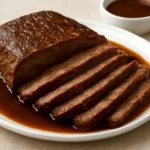
Method A — Low-and-slow braising: the classic, reliable route
Braising is forgiving and forgiving equals consistency. You’ll typically use a heavy pot like a Dutch oven or a deep braising pan. The general idea is to sear the meat, then cook it submerged in flavorful liquid until it’s fork-tender.
Season the brisket generously on all sides with your chosen rub.
In a wide heavy pot, sear the meat over medium-high heat until a deep brown crust forms on all sides.
Remove the meat and deglaze the pot with a liquid such as beef stock, broth, beer, or a mixture with a bit of tomato and onion.
Return the brisket to the pot, add aromatics (garlic, onion, bay leaves), and ensure the liquid comes about halfway up the sides of the meat.
Cover tightly and braise at a gentle simmer in the oven (325°F / 165°C) or on the stove, until the meat is tender enough to shred with forks, often 2.5 to 4 hours depending on size.
Let the meat rest briefly before shredding or slicing; reserve the braising liquid for brushing or to moisten the meat during serving.
Advantages of braising for tacos include maximum moisture retention and a deeply integrated flavor profile. The liquid itself becomes a flavorful sauce that can be reduced to a glossy finish and spooned over finished tacos for extra richness.
Method B — Smoking brisket for tacos: smoky depth and bite
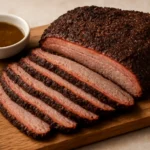
Smoking a brisket adds a charismatic flavor and an almost pillowy tenderness when properly managed. This approach works beautifully for smoked brisket for tacos, especially when you want a stronger, barbecue-inspired profile.
Trim the brisket to leave a balanced fat layer and apply a rub with a heavier emphasis on salt, pepper, and paprika for a classic bark.
Set your smoker to a low temperature, typically 225–250°F (107–121°C).
Smoke until the internal temperature reaches around 165–175°F (74–79°C) for a flavor peak that isn’t too dry, then wrap in butcher paper or foil with a splash of liquid (like beef broth or beer) to continue cooking until 190–203°F (88–95°C).
Rest the meat for at least 20–30 minutes (longer if possible) before shredding or slicing to maintain juiciness.
The result is an aromatic, smoke-kissed brisket with robust flavors that pair beautifully with radishes, fresh cilantro, and tangy salsas. For tacos, many cooks prefer the shredded texture that comes from the braising-like finish of the wrapped stage, ensuring moist, pull-apart meat.
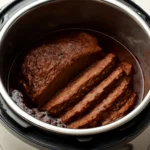
Method C — Pressure-cooker or Instant Pot brisket for speed
When time is tight, a pressure cooker or Instant Pot can deliver excellent tenderness in a fraction of the time. The trick is layering flavor in the cooking liquid and finishing with a brief reduction to concentrate the sauce.
Use a rub with bold flavors and a quick sear to develop color.
Deglaze to lift browned bits, then add liquid (beef stock, a bit of beer, and a splash of tomato or chili sauce).
Cook under high pressure until the brisket is fork-tender, then shred or slice and simmer briefly in the leftover liquid to emulsify the flavors.
The pressure cooker brisket for tacos approach prioritizes speed but still yields juicy, flavorful results that hold up well to toppings and salsa verde.
Method D — Braised brisket with alternative liquids and aromatics
You can customize the braising liquid to create regional profiles. Consider adding cocoa powder for depth, coffee for a bold edge, or dark beer for a malty balance. A braise that includes roasted peppers or chipotle can yield a smoky, nuanced result that’s perfect for taco night.
Seasoning, rubs, and finishing liquids: tailoring your taco meat
The right seasoning and finishing touches can turn a routine brisket into a memorable taco component. Here are ideas to help you tailor your brisket for tacos to different flavor moods.
Simple, classic rub: salt, black pepper, cumin, chili powder, garlic powder, and a light touch of brown sugar.
Smoky, Texas-inspired: heavier pepper, paprika, garlic, chili powder, and a touch of cayenne for heat.
Bright and Mexican-inspired: add oregano, coriander, a pinch of citrus zest, and finish with lime juice in the braising liquid.
Korean-inspired: go with gochugaru or Korean chili flakes, garlic, sesame, and a splash of soy in the braise, finishing with sesame oil.
Barbacoa-style: a bold mix of chipotle, cumin, garlic, oregano, and a hint of cinnamon for a deep, earthy heat.
Regardless of your rub, the purpose is to ensure the meat carries flavor into every bite and remains moist after cooking. As a finishing touch, reduce some of the braising liquid into a glossy sauce, then drizzle lightly over the finished meat to add shine and moisture.
Prep steps: getting your brisket ready for taco service
A little preparation goes a long way toward juicy, tender taco meat. The steps below help you maximize texture and flavor while keeping workflow efficient.
Trim thoughtfully: remove excess hard fat, but maintain a thin fat layer for flavor and moisture during cooking.
Season ahead: apply rub at least 30 minutes before cooking, or even a few hours if you have time to allow flavors to penetrate.
Pat dry before searing: a dry surface sears better and creates a crust that locks in juices.
Brown well before braising or smoking to develop a deep, flavorful crust that contributes to aroma and texture.
If you’re making tacos for a crowd, you may prepare the beef in advance and reheat gently on the day of service with a little reserved braising liquid to restore moisture.
Shredded vs sliced: deciding how to build your tacos
One of the most important decisions for brisket for tacos is whether you want shredded meat or neat slices. Both have virtues:
Shredded brisket tends to be juicier, more forgiving on tortilla integrity, and perfect for soft corn or flour tortillas with multiple toppings.
Sliced brisket gives clean bites and makes a visually striking taco with distinct, resilient pieces that can stand up to chunky salsas.
A practical approach is to cook brisket to a texture that makes shredding easy, then reserve some slices for a different presentation. For example, you might shred most of the meat for a “barbacoa-style” taco setup and arrange a few neatly sliced pieces for a more refined tasting option.
Finishing touches: toppings, salsas, and sauces that elevate brisket tacos
The best taco toppings are bright, crunchy, and complementary rather than overpowering. A few well-chosen accompaniments can lift taco meat and highlight the meat’s natural flavors.
Onions and cilantro: finely chopped for a fresh bite that contrasts with the richness of the brisket.
Pico de gallo or salsa verde: acidity and brightness to cut through fat and intensify meat flavor.
Radishes for crunch and peppery notes, plus a nice color contrast.
Sour cream or crema for a cooling counterpoint to heat and spice.
Lime wedges for a citrus finish that brightens every bite.
Cheese options such as crumbled queso fresco or a light sprinkle of aged cheddar for a textured finish.
For a different vibe, consider a drizzle of chimichurri or a light, smoky sauce made from the braising liquid reduced with a touch of chipotle and lime. The goal is to add moisture and lift, not overwhelm the beef with heavy sauces.
Common pitfalls and troubleshooting tips
Even experienced home cooks face snags with brisket for tacos. Here are practical tips to avoid common missteps and to troubleshoot if things go awry.
Don’t rush the sear: a good crust adds flavor and helps seal moisture. Skimping here can result in flat-tinished meat with less depth.
Avoid over-salting: be mindful of the salt content in rubs and braising liquids. If you’re unsure, taste the braising liquid and adjust.
Watch for dry meat after long cooking. If the meat seems dry, add some of the reserved braising liquid during resting or shredding to restore moisture.
Mind the temperature: cooking brisket too hot or too fast can make it tough. Low and slow yields more tenderness; high heat can tighten fibers rather than break them down.
Resting matters: allow the meat to rest after cooking. Resting redistributes moisture and makes shredding or slicing easier.
If you notice a strong smoky or charred exterior that feels overpowering, you can trim the outer crust a bit before serving to reveal the more subtle, tender interior and allow a balance of textures in each bite.
Make-ahead and storage: planning for leftovers
Brisket for tacos is highly amenable to make-ahead planning. Here are practical guidelines for storing and reheating to preserve juiciness and flavor.
Refrigeration: store cooked brisket in a shallow, airtight container with a small amount of the braising liquid or its own juices. It will keep well for 3–4 days.
Freezing: for longer storage, portion into freezer-safe bags or containers with some braising liquid. It will keep up to 2–3 months; thaw slowly in the fridge before reheating.
Reheating: reheat gently on the stovetop with a splash of braising liquid, or reheat in a low oven (300°F / 150°C) until warmed through. Shredded meat tends to reheat quickly and evenly; sliced meat can be reheated with a little moisture to prevent dryness.
Freeze-friendly tips: when you plan to freeze, consider shredding before freezing so you can easily reheat and assemble tacos later with fresh toppings.
Variations and global inspirations: different takes on brisket for tacos
The versatility of brisket allows you to create multiple brisket for tacos experiences that feel distinct while still rooted in the same cut. Here are a few variations you can try to expand your taco repertoire.
Barbacoa-style brisket with dried chiles, cumin, oregano, and a hint of cinnamon for a deeply earthy, Mexican-inspired profile.
Korean-inspired brisket tacos using gochujang, garlic, sesame, and soy in the braise, finished with green onions and toasted sesame seeds.
Al Pastor-inspired brisket by including pineapple juice in the braising liquid and a chili-lime finish, producing a sweet-tunky pork-adjacent profile in beef form.
Birria-style brisket tacos with a rich, red chili braise and a consommé side for dipping, delivering a bold, soulful taco experience.
Smoked brisket with citrus and herbs—a brighter, fresher approach that highlights marbling and a lighter finish with herbs and lime.
Each variation starts with a planning stage: select a brisket portion that suits your method, build a flavor framework (rub + braising liquid), and adjust cooking temperatures to savor the meat’s tender, juicy qualities. The core skill is controlling moisture and texture through cooking time and method, then pairing the result with toppings that complement without masking the essential meat flavor.
Tips for best results: a concise checklist
Use these practical reminders to consistently produce juicy, tender brisket for tacos:
Choose a brisket with good marbling and plan your method around the cut’s strengths (lean flat for clean slices; fatty point for shredding).
Season deeply but evenly, allowing time for the rub to penetrate the surface.
Brown the meat well for flavor development before slow cooking or smoking.
Maintain low cooking temperatures to keep the beef moist and tender.
Reserve some braising liquid to moisten and glaze the meat at the end.
Rest the meat after cooking to reabsorb juices before shredding or slicing.
Finish with bright toppings and a splash of lime or a tangy salsa to balance richness.
Sample plan: a practical menu built around brisket for tacos
If you’re planning a taco night, consider this ready-to-call plan to ensure you get consistent, excellent results from your brisket.
Day before or morning of: rub the brisket, then refrigerate to let flavors penetrate.
Cooking window: use a braising method for a tender texture, or a smoker for a smoky, bark-rich exterior. Depending on size, budget 3–6 hours for braise or 6–10 hours for smoking, plus resting time.
Final prep: shred most of the meat for tacos and reserve a portion sliced for varied textures. Reduce braising liquid to a sauce consistency and lightly glaze the meat as it heats.
Serving: arrange tacos with a bright salsa, pickled onions for a tang, fresh cilantro, and lime wedges. Offer a crema or a queso fresco option to finish the plate.
Conclusion: savoring the journey from brisket to taco night triumph
Brisket for tacos offers a dependable path from an inexpensive, robust cut to a celebratory dish with universal appeal. Whether you opt for the classic braise, the smoke-kissed version, or a dynamic global-inspired brisket twist, the essential principles stay the same: select well-minished meat, respect the science of slow cooking, layer flavors thoughtfully, and finish with toppings that brighten rather than overwhelm. With patience and a few smart steps, you’ll transform a tougher cut into what many people consider the most satisfying part of a taco spread: tender, juicy beef that pulls apart or slices cleanly and stands up to bold toppings and sauces.
This guide is designed to be a practical companion for chefs and home cooks alike. By embracing the variations of brisket, you can experiment with confidence, learning what textures you prefer, which flavor profiles excite your guests, and how to pair brisket-based tacos with sides that complete the meal. The result is not only delicious meat, but a versatile, satisfying cooking approach that makes brisket for tacos a repeatable, joyful culinary ritual.