Greeting Rosh Hashanah: Warm Wishes, Messages, and Traditions
Rosh Hashanah, the Jewish New Year, offers a moment to pause, reflect, and extend kind wishes to family, friends, colleagues, and the wider community. In many households, the greeting is not simply a casual phrase but a meaningful exchange that resonates with themes of renewal, sweetness, and hope for the year ahead. This guide explores greeting Rosh Hashanah in its many forms—from traditional Hebrew blessings to contemporary English messages, and from the etiquette of timing to the traditions that accompany the holiday. Whether you are writing a card, composing a WhatsApp message, delivering a spoken greeting, or posting a note online, you will find ideas, examples, and practical tips to convey warmth with sincerity and cultural respect.
The core ideas behind most greetings center on two forces: a sweet year and a good year—often expressed through the iconic symbols of the holiday, such as honey for sweetness and the hope that one’s name will be written in the Book of Life for the coming year. While the surface greeting may be brief, you can layer it with specific wishes that align with the receiver’s life, values, and customs. In the sections that follow, you’ll find ready-to-use phrases, ideas for personalizing messages, and an overview of how traditions intersect with modern greetings.
What is Rosh Hashanah and Why Do We Greet It So Thoughtfully?
Rosh Hashanah marks the beginning of the Jewish New Year and is observed for two days in most communities. It is a time for reflection, repentance (teshuvah), prayer, and the renewal of commitments to family, community, and ethical living. The greeting you offer can acknowledge:
New beginnings and the chance to start afresh with intention.
Hope for peace, health, and prosperity for the coming year.
The idea that one’s name be inscribed for a good year in the heavenly Book of Life, a familiar blessing found in traditional liturgy.
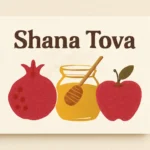
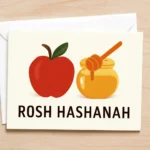
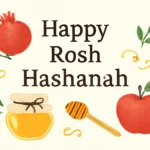
The sweetness of life, often symbolized by apples dipped in honey and other seasonal foods.
Because the holiday has deep religious roots for many, while others observe it as a cultural or secular occasion, the language you choose for your greeting can reflect the relationship you share with the recipient. A thoughtful greeting can bridge differences and honor diverse practices, from a simple “Shana Tova” to a longer message that weaves in blessings, gratitude, and wishes for growth.
Two Days, Two Opportunities to Greet
Traditionally, Rosh Hashanah spans two days. This extended period means you have more chances to reach out with warmth. Some people send a message on Erev (the eve of) Rosh Hashanah, others on the first day, and many follow up on the second day. In many communities, the practice of greeting early in the season, upon hearing the shofar, or upon receiving a hospitality invitation is common. If you are unsure of the recipient’s level of observance or preferred greeting style, a concise, respectful note is usually best.
Key Hebrew and English Greetings for Rosh Hashanah
Because Rosh Hashanah is a bilingual and multicultural occasion for many families, you will encounter a spectrum of phrases in Hebrew and in English. Here are core greetings you can adapt to your own voice and relationship:
Classic Hebrew Blessings
Shanah Tovah — A short, familiar wish meaning “Good year.”
Shanah Tovah U’metukah — “A good and sweet year.”
Shanah Tovah Tikatevu — “May you be inscribed for a good year.”
L’shanah Tovah Tikatevu Ve’teenu — “May you be inscribed for a good year and may you be granted a year of life” (a broader blessing used in some communities).
Tikatevu Ve’tichatemu — “May you be inscribed and sealed for a good year.”
Inclusive English Phrases
Wishing you a sweet and prosperous New Year—with a touch of honeyed warmth.
Shana Tova (often used as a bridge between languages) — “A good year.”
May your year be filled with health, happiness, and peace.
May all your hopes come true in the coming year.
Sending you blessings for renewal, growth, and joy.
Transliterations and Pronunciation Tips
Even if you do not speak Hebrew, you can share beautifully meaningful transliterations. For example:
When using transliterations, keep tone and pronunciation considerate, and avoid mispronunciations that might distract from the sentiment. It’s perfectly acceptable to provide the Hebrew phrase in parentheses after your transliteration, especially in written messages or cards.
Warm Wishes for Different Audiences
Messages for Friends
Friends often appreciate informal, heartfelt, and playful language. Here are ideas you can adapt:
Shanah Tova, dear friend: may this year bring laughter, adventures, and memorable moments.
Wishing you a sweet year ahead filled with good health, strong friendships, and abundant joy.
May your days be as bright as your smile and your year as sweet as honey.
Messages for Family
Family greetings can blend warmth with gratitude for shared moments and hopes for togetherness:
Shana Tova U’metukah, beloved family—may this year bring us closer, with health and happiness for all.
Wishing you a year of peace, strength, and blessings for every member of our family.
May our home be filled with love, laughter, and sweet moments in the year ahead.
Messages for Colleagues and Neighbors
Professional or neighborly greetings can be respectful and inclusive:
Shanah Tovah—wishing you a productive and peaceful year.
May the new year bring health, success, and good collaborations to you and your family.
G’mar Chatimah Tovah (a traditional closing in some circles) — “May you be sealed for a good year,” used respectfully in appropriate contexts.
Messages for Acquaintances and Community Members
When reaching out to broader circles, consider neutral and warm language:
Wishing you a sweet year of health and happiness.
May this New Year bring renewal, hope, and peace for you and those you care about.
Happy New Year to you and your loved ones, with best wishes for a brighter year ahead.
Messages, Quotes, and Examples for Personal Touch
Sometimes a well-chosen sentence or two can express more than a longer paragraph. Here are ready-to-use messages you can copy, customize, or paraphrase. They are organized by tone to help you find the right balance for your recipient.
Concise and Friendly
Shanah Tova! Wishing you a year filled with health, happiness, and honey-sweet moments.
Shana Tova U’metukah—a sweet year ahead to you and yours.
May this new year be kind to you in every way.
Warm and Personal
Dear [Name], as we begin this new year, may your days be filled with love, laughter, and lasting memories. Shana Tova!
To my wonderful friend/family member, may the coming year be generous with blessings, sweet with joy, and rich in moments we cherish together.
Wishing you a bright and peaceful year ahead. Thank you for your warmth and presence in my life.
Reflective and Spiritual
May you be inscribed and sealed for a good year, with a heart open to growth, compassion, and hope.
May Teshuvah guide us all toward kindness, understanding, and mutual respect in the year to come.
May the shofar call us to repair the world and renew our commitments to family, friends, and community.
Digital and Social Media Friendly
Shana Tova to all my online friends—may this year bring you joy and good health.
Wishing you a sweet New Year from my home to yours; may your feed be filled with good vibes and blessings.
For Children and Young Adults
Happy New Year! May your year be full of adventures, learning, and fun with friends.
Shana Tova U’metukah—may your days be busy with curiosity and your nights with sweet dreams.
greetings often sit alongside traditional customs that reinforce the themes of sweetness, renewal, and community. Knowing a few of these rituals can help you tailor your message to feel more authentic and respectful.
Symbolic Foods and Their Meanings
Apples dipped in honey — a classic emblem of a sweet year ahead.
Pomegranates — symbolize abundance and the idea that the year should be filled with good deeds (mitzvot).
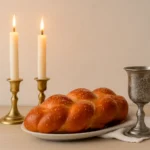
Round challah — represents the cycle of the year and continuity; some communities bake it specifically for Rosh Hashanah.
Beets, dates, carrots — used in some cuisines as regional interpretations of sweetness and renewal.
Prayer, Reflection, and the Shofar
Blowing the shofar is a central sound in many communities, signaling awakening and spiritual reflection.
Evening prayers and audible sounds of the shofar often accompany greetings and gatherings.
When you send a greeting in a religious context, you may include or reference traditional phrases that acknowledge the prayerful mood of the season.
Seasonal Greetings and Customs Across Communities
Ashkenazi and Mizrahi variations in phrasing, timing, and liturgical references, reflecting rich diversity within Jewish communities.
Chabad, Conservative, Reform, and Modern Orthodox practices might emphasize different aspects of the holiday, from halachic notes to universal well-wishes.
When greeting someone from a different background, you can say “Shana Tova” or “Happy New Year” and invite personal notes that honor their customs.
Etiquette, Timing, and Delivering Your Greeting
When to Send a Greeting
Timing can convey respect and thoughtfulness. Consider these guidelines:
Send an Erev Rosh Hashanah greeting for a quick, respectful note that acknowledges the approaching holiday.
Offer a message on the first day of Rosh Hashanah to recognize the holiday’s public, communal aspect.
Follow up on the second day or during the week after the holiday with a renewed wish for blessings and peace.
Delivery Methods: Cards, Messages, and Social
Choose a method that matches your relationship and the receiver’s preferences:
Personal cards (physical or e-cards) with a hand-written note add a personal touch.
Text messages or emails are convenient for friends, colleagues, and acquaintances who are tech-forward.
Social media posts can be inclusive when you want to reach a broader audience, but tailor the language to be respectful and broadly meaningful.
Language and Tone Considerations
Context matters. Here are tips to ensure your greeting is appropriate and warmly received:
Match the tone to your relationship: formal for colleagues or elders, informal for close friends and family.
Avoid presuming religious practice; use universal themes like health, happiness, and renewal when uncertain.
Respect linguistic preferences: use Hebrew phrases if you know the recipient values tradition; otherwise, English or bilingual messages work well.
Creative Ways to Personalize Rosh Hashanah Greetings
Beyond standard phrases, you can tailor your message by referencing shared memories, future plans, or specific blessings you wish for the recipient. Here are some ideas for personalization:
Reference a shared memory or milestone and couple it with a seasonal wish.
Offer a specific blessing for the recipient, such as success in a project, improvement in health, or harmony in family life.
Link your greeting to the recipient’s seasonality—someone starting a new job, a student preparing for exams, or a family welcoming a new member.
Sample personalized lines you can adapt:
“Shana Tova, [Name]. May this year bring you and your family abundant joy and the strength to pursue your dreams.”
“Wishing you a sweet year, [Name], with steady health and memorable moments shared with those you love.”
“May you be inscribed for a good year, [Name], and may the next months bring clarity, purpose, and peace.”
Historic and Cultural Context: How Greeting Traditions Evolved
The practice of greeting Rosh Hashanah reflects centuries of Jewish life, diaspora, and adaptation. Over time, communities developed a robust repertoire of blessings, songs, and customs that accompany the greeting. The evolution includes:
The shift from exclusively liturgical phrases to a blend of liturgical blessings and everyday expressions suitable for notes, cards, and social media.
The increasing use of transliteration to bridge language barriers and reach a broader audience without sacrificing meaning.
The incorporation of non-religious or secular blessings for those who observe the holiday as a cultural or seasonal occasion.
As a result, your greeting can be rooted in tradition or oriented toward inclusivity, or a thoughtful combination of both. Understanding the audience and honoring personal preferences helps you craft a message that feels authentic rather than performative.
Conclusion: Crafting Thoughtful, Respectful, and Rich Rosh Hashanah Greetings
Greeting Rosh Hashanah in a way that is both meaningful and considerate is a skill that grows with practice. Whether you lean toward short and sweet messages or long, heartfelt notes, the underlying aim is the same: to acknowledge the new year, extend warm wishes for health and happiness, and express appreciation for the relationship you share. By combining traditional phrases with personalized content, and pairing words with the holiday’s symbolic customs, you can offer greetings that others remember not just for the words themselves but for the care, thought, and cultural respect they reflect.
Remember these best practices as you prepare your Rosh Hashanah greetings for friends, family, colleagues, and neighbors:
Choose language that matches the recipient’s observance and background.
Balance tradition with modern communication styles to ensure accessibility.
Pair your message with an appropriate gesture or tradition (e.g., a note alongside a small honey jar or a card featuring a round challah illustration).
Respect timing and delivery method to maximize warmth and thoughtfulness.