Hebrew Vowel Sounds: A Practical Guide to Pronunciation
Hebrew is a language built on consonants and vowel sounds that are written with a system called niqqud (vowel diacritics) or, in everyday writing, left to the reader’s familiarity with the words. This guide offers a comprehensive, practical look at how Hebrew vowels work in speech, with clear descriptions, examples, and strategies you can use to improve your pronunciation. Whether you are learning Modern Hebrew for daily conversations, planning to read biblical or liturgical texts, or simply curious about how the sounds come together, this article will walk you through the essential vowels, their variations, and the common pronunciation patterns you’ll hear in different contexts.
What makes Hebrew vowels unique?
Unlike languages that always spell vowels with separate letters, Hebrew largely relies on consonantal writing. The vowel system—the niqqud—was developed to help readers know how to vocalize words, especially in education, sacred texts, and poetry. In Modern Hebrew, many writers omit niqqud in everyday text, expecting readers to supply the vowels from context. In spoken Hebrew, vowel quality is also influenced by stress, syllable structure, and neighboring consonants. This means that you’ll often hear a single written form pronounced differently depending on the word and the speaker.
Key ideas to keep in mind as you study vowel sounds:
There are base vowels (pataḥ, qamatz, segol, tzere, hireq, holam, shuruk, kubutz) and reduced or shortened forms (hataf vowels).
Many vowels can shift slightly in Modern Hebrew versus Biblical or liturgical pronunciations. This is especially true for vowels like qamatz and segol in different dialectal contexts.
Some letters change how a vowel sounds when they carry a dagesh (a dot placed inside a letter) or when vowels occur in clusters (vowel combinations in consecutive syllables).
The niqqud system: a quick overview
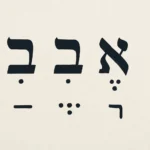
The niqqud system consists of a set of diacritical marks placed above or below the consonants. In this guide, we focus on the main vowels you’re likely to encounter in Modern Hebrew, plus a few notes on historical or formal pronunciations that appear in Biblical or liturgical contexts. The common marks are:
Pataḥ (ַ) — a short a sound, as in father or the first vowel in bath for many learners.
Qamatz (ָ) — a longer or more open a sound, often described as an a like in father or in some speakers an extended a.
Hataf vowels (ֲ, ֳ, ֱ) — reduced, quick versions of a, o, and e used in certain syllables, giving a lighter vowel feel.
Segol (ֶ) — an e sound, as in bed.
Tzere (ֵ) — an e sound, often a longer or tenser e than segol.
Hireq (ִ) — an i sound, like ee in see.
Holam (ֹ) — an o sound, as in go.
Holam Haser and Holam Male — variations of o that can occur in different orthographic contexts (e.g., with or without a following letter).
Shuruk (וֹ or וּ with a dot inside the vav) — an u sound, often written as the vav with a dot.
Kubutz (ֻ) — also an u sound, indicated by three dots under the consonant; less common in Modern Hebrew, more visible in older or liturgical texts.
In addition to these base vowels, there are the hataf vowels (hataf pataḥ, hataf qamatz, hataf segol), which are shorter, lighter versions used in specific syllable contexts. They often appear in poetry or traditional texts where precise rhythm or meter is important.
For learners, the big picture is simple: vowels give you the melody of the language, telling you whether a syllable says a, e, i, o, or u. The challenge is recognizing when o, e, or a sound shifts because of stress, the surrounding consonants, or whether the text uses niqqud at all.
Practical vowel-by-vowel guide
Below you’ll find a practical breakdown of the main vowels, with a focus on how they typically sound in Modern Hebrew and how they appear in common lexical patterns. For each vowel, you’ll see the name, the symbol, the typical champion sound, and example words that demonstrate usage. Where helpful, we include a short note about how the sound may vary in Biblical or liturgical readings.
The pataḥ is the short a sound. In modern speech it often sounds like the a in “cat” or “far” depending on the speaker and the word’s stress. It is common in syllables that begin with a consonant and end in a single open vowel.
Typical appearance: underneath the initial or medial consonant in a syllable.
Common pattern: consonant + patakh + consonant (CV) in simple words, e.g., בַּית (bayit) for “house” in certain forms, though in everyday written form you won’t always see niqqud.
Note: In Biblical Hebrew you might hear a sharper or more open a depending on the text’s meter and vowel system.
Qamatz (ָ): the fuller a sound
Qamatz yields a broader a than pataḥ and is often described as a longer or more open vowel. In many contexts, it is close to the “ah” sound you hear in the English word “father,” though the exact quality can vary by speaker and tradition.
Common pattern: often appears in stressed syllables or in morphological endings that carry meaning (for example, certain noun or verb endings in biblical or formal Hebrew).
Example word with niqqud pattern: אָב (av, “father”) — this is a classic example where qamatz marks a strong a sound.
Note: In Modern Hebrew, qamatz often sounds very similar to pataḥ, but spelling with qamatz cues a slightly longer, fuller vowel in careful reading or liturgical contexts.
Hataf vowels: quick, reduced vowels
The hataf vowels are reduced, shorter variants that occur in specific syllable environments. They are mainly seen in more formal or poetic contexts, and in older texts. The three hataf vowels are:
Hataf Pataḥ (ֲ) — a quick /a/ sound
Hataf Qamatz (ֳ) — a quick /a/ that leans toward /o/
Hataf Segol (ֱ) — a quick /e/ sound
In practice, many learners encounter hataf vowels primarily in liturgical or developmental reading materials. When you see them, you’ll hear a brief, light vowel that shortens the syllable without adding a full vowel length. They are less common in everyday Modern Hebrew but are essential for reading biblical poetry and formal prose with the original cadence.
Segol (ֶ) and Tzeire (ֵ): the e family
The segol and tzere vowels both approximate an e sound, but they carry different tonal weights and are used in distinct lexical positions. In many modern texts, segol and tzere are pronounced very similarly, but listeners may perceive subtle differences depending on the speaker, rhythm, and accent.
Segol (ֶ): often described as a shorter, lighter e like in bed.
Tzere (ֵ): typically an /e/ that may feel a bit longer or tenser, similar to the English ay in say in some contexts, but often realized as a pure /e/ in Modern Hebrew.
Hireq (ִ): the i sound
Hireq is the i sound, like the English ee in see. In Hebrew this vowel is often written as a single dot below the consonant, or it follows a consonant-vowel pairing such as Aleph with Hireq.
Classic example: אִיש (ish) — “man.” Here you can hear a clean i sound after the initial aleph.
Note: Hireq is particularly prominent in many loanwords and in the common masculine/feminine noun forms where the vowel pattern carries meaning.
Holam (ֹ) and Holam Haser
Holam gives an o sound, as in the English word go. When Holam appears over a yod or a vav, or as a dot above letters in various orthographies, you’ll hear a clear o sound.
Common pattern: yōm (יום) — “day” uses holam under yod to yield /joːm/.
Another common pattern: ko-tev or ko-te-v in certain verb forms, where holam appears with a consonant cluster.
Shuruk (u) and Kubutz (u): the u vowels
Two vowels in Hebrew share the same u sound but appear in different orthographic forms.
Shuruk — represented by a dot inside the letter vav (ו) or the sequence וֹ when the vowel is explicitly marked. Examples include words like שוּק (shuq, “market”) or רוּח (ruaḥ, “spirit” or “wind”).
Kubutz — a three-dot pattern under the consonant (ֻ) that also yields u. Kubutz is more common in older or liturgical texts and appears in some classic or biblical spellings. In Modern Hebrew, you’ll mostly see the shuruk realization in everyday speech.
Pronunciation in practice: how vowels shape speech
Understanding the sounds is one thing; producing them accurately is another. Here are practical strategies to get comfortable with Hebrew vowels in real speech and listening contexts.
Listen and imitate: Start with words that clearly demonstrate each vowel. Choose everyday vocabulary and listen to native speakers, podcasts, or language apps. Repeat after the speaker, focusing on the vowel quality rather than the surrounding consonants at first.
Slow it down: Break words into syllables, pronouncing each vowel clearly before blending the consonants. This helps you hear where the vowel occurs and how it affects the syllable’s tempo.
Use minimal pairs: Practice pairs that differ mainly by one vowel, such as a short a versus e, or u versus o. For example, compare synonyms or cognates that differ only by vowel sound in short phrases.
Watch stress patterns: In Hebrew, the main vowel you hear can be affected by syllable stress. In Modern Hebrew, most words carry stress on the penultimate syllable, but there are many exceptions. Pay attention to which syllable is stressed, because vowel length and quality can appear subtly different as you move the emphasis.
Practice with texts that include niqqud: For learners, reading materials with niqqud (especially for Biblical or traditional texts) are invaluable. They reveal how vowels map to consonants and help you map the sounds to the letters you know.
Pronunciation tips for common pitfalls
Hang on to a vs e: Pataḥ and segol/tzere differences can blur for learners. A practical tip is to listen for the surrounding consonants and the word’s meaning to guide your vowel choice, rather than trying to memorize a single “correct” sound in every context.
Vowel length is subtle: Unlike languages with long and short vowels that significantly alter meaning, Hebrew vowel length is less of a lexeme-distinguishing feature in Modern Hebrew. Still, clear vowels aid comprehension, especially for new learners and in formal reading.
Consonant clusters: When vowels are near consonant clusters, the vowels may appear shortened or compressed. Practice breaking words into smaller chunks to maintain vowel clarity before reassembling the word.
Listening exercises you can try
Pick a short passage in Modern Hebrew and try to transcribe it with niqqud. Then compare with a version that has niqqud to see where vowels align with consonants.
Choose a Biblical Hebrew verse and listen to a professional reading. Pay attention to the subtle vowel differences between Shva Na (a pronounced, present vowel) and Shva Nach (often silent).
Record yourself saying a few sentences, then play back and compare your vowels to native pronunciation. Focus first on the vowels you find most challenging (e.g., hireq vs. hataf vowels).
Vowel usage in Modern Hebrew vs. Biblical and liturgical Hebrew
One of the most practical distinctions in vowel use is between Modern Hebrew pronunciation and the vowels encountered in Biblical, liturgical, or poetic contexts. In everyday conversation, readers often omit niqqud entirely and rely on context, grammar, and vocabulary to convey meaning. Vowels in Modern Hebrew tend to be relatively regular and predictable, but you’ll still encounter exceptions, especially with loanwords or hyphenated compounds.
In contrast, Biblical and liturgical Hebrew frequently preserve the full niqqud set, and vowels can carry additional nuance. For example, the hataf vowels and certain qamatz realizations may be more prominent in poetry, chant, or scriptural recitation. When you encounter cantillation marks (trope) in addition to niqqud, the vowel timing is intertwined with musical phrasing, adding another layer of cadence to voice.
To bridge the two worlds, practice with both kinds of material. Read a modern news article with no niqqud, then read a short verse from a Hebrew Bible or a prayer with full niqqud. Notice how the vowel quality, speed, and emphasis shift between the two contexts.
Pronunciation is inseparable from listening, speaking, and reading. Here are practical applications and techniques you can adopt to apply your vowel knowledge in real-life Hebrew use cases.
Everyday speech: Focus on clear vowel pronunciation in essential words (greetings, self-introductions, numbers, common verbs). Build a small set of phrases like שלום עליכם (shalom aleichem) or מה נשמע? (ma nishma?) and practice the vowels in each word until you’re comfortable.
Reading signs and labels: In a shopping environment or on signs, you’ll often see niqqud only in educational settings. Practice reading with and without diacritics to maintain fluency.
Structured study: Use a “vowel focus” day once a week—choose a subset of vowels (e.g., hireq, holam, shuruk) and drill words containing those vowels in different positions (initial, medial, final).
Sample practice routine (10–15 minutes)
Choose 5–7 words containing a single target vowel. Say each word aloud, paying close attention to the vowel’s quality.
Write the same words with niqqud, then cover the vowels and try to recall them from memory.
Record yourself reading a short paragraph aloud, focusing first on vowels, then on overall fluency.
Common questions about Hebrew vowels (quick FAQ)
Do all Hebrew texts include niqqud?
No. Most Modern Hebrew writing omits niqqud, relying on readers’ knowledge of vocabulary and context. Niqqud is common in children’s books, beginner textbooks, language-learning materials, and religious texts where precise pronunciation matters.
Is Modern Hebrew pronounced the same as Biblical Hebrew?
There are similarities, but there are also differences in vowel realization and accent. Biblical Hebrew tends to preserve older vowel patterns, including the hataf and some qamatz distinctions, whereas Modern Hebrew often merges certain vowel contrasts and uses a more standardized pronunciation that is easier for contemporary speakers to produce daily.
Mastering every niqqud mark is not essential for conversational fluency, but it is very helpful for reading comprehension, especially with unfamiliar words, poetry, or liturgical texts. A practical strategy is to learn the most common vowels first (pataḥ, qamatz, segol, tzere, hireq, holam, shuruk) and then gradually add the rarer hataf vowels as you encounter them.
Building a robust vocabulary of vowel-aware pronunciation
A well-practiced vowel system improves both listening and speaking. Here are some steps to strengthen your vocabulary and your ability to recognize and reproduce vowels accurately.
Label words by their vowel pattern: Create a small catalog of word families (e.g., words with i in the first syllable vs. the second) to observe how vowel placement affects pronunciation and meaning.
Read with a tutor or language partner: A native speaker can provide immediate feedback on vowel quality and cadence. Use audio recordings to compare your pronunciation against natural speech.
Use pronunciation apps or online resources that simulate hearing and repeating niqqud-laden words. Repetition helps the brain encode the subtle differences between similar sounds.
As you grow more comfortable with the vowels, you’ll notice that intonation, stress placement, and vowel harmony (the way vowels co-occur with particular consonants) all contribute to a natural, confident Hebrew voice.
Conclusion: vowels as the melody of Hebrew
Hebrew vowels provide the essential melody that ties consonants to meaning. They shape how words feel, how easy they are to understand, and how a speaker’s intention carries across a phrase or sentence. By learning the main vowel sounds, understanding the difference between Modern Hebrew and Biblical/Liturgical pronunciations, and practicing with real text, you’ll build a strong foundation for accurate pronunciation and confident comprehension.
Remember: pronunciation is a skill you acquire through listening, imitation, and consistent practice. Start with the core vowels, use clear and deliberate practice routines, and gradually expand your vocabulary and exposure to diverse texts. In time, Hebrew vowels will become second nature, turning what can feel like a daunting system into a natural, musical aspect of your speech.