Whether you are preparing for a traditional ceremony in a synagogue, a civil wedding with a Jewish aesthetic, or a modern, inclusive celebration under a chuppah, the journey to choosing a Hebrew wedding dress is about more than fabric and silhouette. It is a study in how Jewish bridal style can harmonize modesty, cultural meaning, personal taste, and contemporary couture. This guide explores the evolution of Hebrew wedding dresses, the vocabulary of options across communities, and practical advice for finding a gown that feels both authentic and uniquely yours.
The term Hebrew wedding dresses encompasses a wide range of styles and expectations rooted in Jewish tradition and community norms. Across denominations—from Orthodox to Reform, and across geographies—from Jerusalem and Tel Aviv to New York, London, and Toronto—brides interpret modesty, ceremony requirements, and aesthetics in diverse ways. At its core, the concept of a Jewish bridal dress reflects two intertwined ideas: respect for tradition and personal expression.
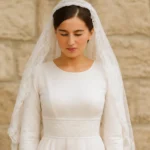
Historically, many Jewish communities emphasized modest attire for brides. In practice, this has often meant dresses with sleeves, higher necklines, and hemlines that cover the knees or more. But the modern era has brought reinterpretation: brides are increasingly choosing sleeves of varying lengths, neckline shapes that balance elegance with modesty, and silhouettes that flatter different body types while honoring community guidelines. The result is a broad spectrum of wedding gowns for Jewish brides—each telling a personal story about faith, family, and future.
Modern Interpretations of Jewish Bridal Style
Today’s Hebrew wedding gowns blend timeless elements with contemporary silhouettes. Some brides gravitate toward classic, full-length gowns with traditional silhouettes, while others opt for detachable overskirts, fitted lace dresses with long sleeves, or two-piece ensembles that transition from ceremony to reception. This modernity does not erase tradition; instead, it adapts it—allowing for greater mobility, comfort, and self-expression within the bounds of community expectations.
When we discuss Hebrew wedding dresses in a modern context, it’s helpful to consider the language used by designers and stylists:
Hebrew wedding gowns: a term often used by designers who aim for a traditional mood with refined tailoring.
Jewish bridal dresses or Jewish wedding gowns: broader phrases that capture the intersection of Jewish identity with bridal fashion.
Israeli bridal couture: a regional flavor, frequently reflecting high-fashion fabrics, precise draping, and a penchant for layering and texture.
Chuppah-ready ensembles: outfits designed to look polished under a chuppah while offering practical comfort for dancing at the reception.
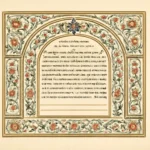
Variation in color and ornamentation is another hallmark of modern practice. While white remains a traditional symbol of purity and new beginnings, many brides experiment with ivory, champagne, or soft blush tones. Some incorporate personal or family symbolism—embroidery that mirrors a ketubah motif, or a treasured family lace panel—creating a gown that is meaningful in addition to beautiful.
Choosing a Hebrew Wedding Dress: A Step-by-Step Guide
Selecting a Hebrew wedding dress is an intimate process that benefits from thoughtful planning. Below is a practical framework to help you navigate choices, schedule fittings, and arrive at a gown you’ll love wearing under the wedding canopy.
Step 1: Define your community’s modesty standards
Different streams of Judaism interpret modesty differently. Start by clarifying what is expected in your family or congregation:
Are long sleeves mandatory, or are three-quarter sleeves acceptable?
Is a high neckline required, or is a bateau, scoop, or jewel neckline permissible?
Should the hemline reach the floor at all times, or is a slightly shorter hemlline acceptable for dancing?
Would you be comfortable with a detachable overskirt or bolero for the ceremony, followed by a simpler dress for the reception?
It’s useful to document these preferences and share them with your designer, stylist, or tailor so that expectations stay aligned from first consultation to final fitting.
There is ample room for variation within modesty guidelines. You can explore three-quarter sleeves for a blend of coverage and movement, or full-length sleeves with delicate lace for texture. Necklines range from high bateau and jewel to illusion with lace appliqué. For length, floor-length gowns are timeless, but an elegant high-low hem with a floor-grazing train can offer drama while maintaining ease of movement in a ceremony space.
Step 3: Consider layering and versatility
A practical approach to Hebrew wedding dresses is to seek layers that can be added or removed. Options include:
Detachable overskirt or cape that converts a ceremony look into a dance-friendly reception outfit.
A lightweight jacket or bolero for the ceremony, which can be removed for the party.
A separate bridal shirt or top that can pair with a dress for a second look.
Layering supports modesty while preserving flexibility and comfort—especially important for longer ceremonies or celebrations that involve many hours of movement.
Step 4: Align fabric, silhouette, and embellishment with your body type
The right combination of fabric and cut can dramatically alter how a gown reads. Consider:
Silhouettes: A-line for classic elegance, fit-and-flare for definition, sheath for a sleek modern feel, or ballgown for fairytale drama.
Fabrics: Satin and silk for smooth drape; tulle for volume; lace for romance; mikado for structure.
Embellishments: Beading, embroidery, or appliqué can highlight motifs important to your family or heritage.
Always try a range of silhouettes with your trusted stylist, because what looks good on a hanger may not translate the same on your body. Comfort, posture, and confidence are part of the overall aesthetic.
Fabric, Silhouette, and Coverage in Hebrew Wedding Couture
The practical realities of choosing a Hebrew wedding dress involve an assessment of fabric behavior, weight, and movement. The ceremony setting, climate, and time of day influence fabric choices and silhouette preferences. A dress that feels beautiful when you stand still may become less comfortable during long hours of dancing or walking down the aisle.
Silhouettes commonly preferred
While there is no single “right” shape for Hebrew wedding gowns, certain silhouettes tend to be popular within diverse communities:
A-line and ballgown silhouettes for timeless formality and a generous skirt that sways beautifully under the chuppah.
Fit-and-flare for a modern contour that still provides ample length and modest coverage.
Column/ sheath styles for a streamlined, contemporary look that can be balanced with layered accessories.
Fabric choices
The choice of fabric in Hebrew bridal fashion affects durability, weight, and drape:
Satin and silk for a smooth, structured surface that photographs well under lights.
Lace for romance and softness, often used as sleeves, overlays, or panels.
Tulle for volume, easy layering, and a delicate, ethereal feel.
Mikado for crispness and architectural shaping, especially in modern or minimalist designs.
Embellishments and details
The ornamentation on Jewish bridal dresses can carry personal or familial meaning. Consider:
Intricate embroidery with motifs inspired by your ketubah, family crests, or cultural symbols.
Delicate beading that adds sparkle without overwhelming the garment.
Three-dimensional appliqué that builds texture and depth, especially on sleeves and skirts.
When collaborating with a designer, discuss whether the embellishments can be customized to reflect your personal narrative while respecting modesty guidelines.
Traditional color in bridal fashion is historically white, but the Hebrew wedding dress landscape today embraces a spectrum. Some brides choose ivory, champagne, or ivory-blush blends to achieve warmth and depth. Embellishment can be used to tell a story: for example, a sleeve cuff embroidered with a family coat of arms or a hemline stitched with biblical or poetic motifs.
Ornamentation plays a dual role: it enhances beauty and can serve as a visual reminder of values, lineage, or shared history. In many Jewish communities, the font of symbolism is a source of pride rather than mere decoration. A gown might incorporate a nod to a grandmother’s lace or a motif from a beloved wedding passage, creating a meaningful fusion of tradition and fashion.
Modesty and Community Variation in Hebrew Bridal Attire
Modesty, known in Hebrew as tznius, is a central consideration for many brides and their families. However, the interpretation of tznius varies by community, synagogue, and region. Here is a snapshot of how different streams approach bridal attire:
Charedi (ultra-Orthodox) communities often favor complete sleeves, high necklines, and hems that reach the floor. Some brides choose gowns with a detachable overlay that provides coverage for the ceremony and then remove it for the reception.
Modern Orthodox and Conservative communities frequently embrace a broader range of necklines and sleeve lengths, while still prioritizing modesty in public settings.
Reform and Reconstructionist communities may permit more flexible silhouettes, diverse neckline options, and shorter hemlines, depending on the couple’s values and venue guidelines.
It is essential to communicate with your rabbi, wedding planner, or community leader to ensure your selection aligns with local expectations. Modern bridal shops often carry lines specifically designed to be adaptable across these variations, enabling a bride to maintain personal style without compromising tradition.
Caring for and Preserving Your Hebrew Wedding Dress
After the ceremony, the question turns to care, storage, and the ability to pass the dress on to future generations. Proper handling is vital to ensure the gown remains pristine for years to come.
Cleaning should be done by a professional cleaner experienced with bridal fabrics, lace, and embroidery. Some fabrics may require non-water-based cleaning methods for delicate beads or sequins.
Storage matters. Use a breathable garment bag, store in a cool, dry place away from sunlight, and avoid plastic that traps moisture. Consider acid-free tissue to help preserve shape and prevent yellowing.
Preservation can include professional preservation kits or archival boxes. If your gown has sentimental embroidery, keep photos of the details for generations who may never see the gown up close.
If you anticipate a family ceremony in the future or plan to lend the gown for a relative, discuss care instructions and possible alterations with your tailor to ensure the garment remains flexible for future use.
Budgeting, Shopping, and Where to Find Hebrew Wedding Dresses
The market for Hebrew wedding dresses spans a broad price spectrum. Your budget will influence whether you shop with boutique designers, bridal salons in metropolitan hubs, or second-hand markets and rentals. Here are practical considerations to maximize value and satisfaction.
Budgeting tips
Set a realistic budget that includes alterations, accessories, undergarments, and care costs.
Allocate a portion for alterations—most gowns benefit from tailoring to achieve that perfect fit.
Consider a dress with detachable layers or a two-piece set that can be re-worn in other contexts, providing greater long-term value.
Shopping options
Bridal boutiques specializing in Jewish weddings offer knowledgeable consultants who are familiar with communal expectations and can suggest appropriate Hebrew bridal gowns.
Israeli designers and studios known for modern, couture silhouettes often provide unique textures and embroidery that honor Jewish motifs.
Major metropolitan markets (for example, New York, London, and Los Angeles) provide a wide range of options, including designers who publish lines specifically designed for modesty-conscious brides.
Second-hand and rental markets can be a sustainable and budget-friendly path. Look for reputable shops that ensure proper cleaning and repair.
Practical shopping considerations
Bring a trusted person who understands your modesty requirements and overall aesthetic.
Ask about alterations timelines—some bidders require early fittings well in advance of the wedding date.
Request swatches or fabric samples to evaluate weight, lining, and comfort in real conditions.
Real-World Experiences: Designer Advice and Bride Stories
Drawing from designers and brides can offer valuable perspective on what to expect when shopping for a Hebrew wedding dress.
Designer insights often emphasize tailoring to a bride’s movement. The right designer will propose options like a detachable sleeve or a custom embroidery panel that you can see in person before committing. A good atelier will also help you balance the ceremonial requirements with your everyday preferences, ensuring you feel like yourself under the chuppah.
Brides frequently share that the moment of discovery—when a gown that feels both traditional and personal appears—creates lasting memories. The best experiences often come from shops that offer a collaborative atmosphere, allowing brides to experiment with layering, neckline changes, or color variations without pressure.
Enhancing Your Look: Accessories, Veils, and Outerwear
Accessories can elevate a Hebrew wedding dress while remaining within modesty and aesthetic guidelines. Consider the following elements:
Veils can be short or cathedral-length, layered with lace, beads, or embroidery that echoes the gown’s motifs.
Capelets, boleros, or jackets add coverage for the ceremony and a different vibe for the reception.
Belts or sashes can define the waist and introduce color or metallic accents without altering the fundamental silhouette.
Jewelry should complement the neckline and embroidery, avoiding overpowering the gown’s design.
When choosing accessories, consider compatibility with head coverings or hairpieces that may be part of your ceremony protocol. Thoughtful coordination ensures a harmonious look from the aisle to the dance floor.
Conclusion: Embracing a Modern Jewish Bridal Style
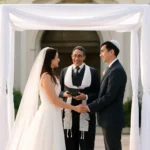
The world of Hebrew wedding dresses is richer and more varied than ever before. Brides today can honor tradition, participate in community expectations, and express individual taste at the same time. Whether you lean toward a classic, fully covered gown or a contemporary, layered ensemble that can transform for the reception, the most important element is the feeling you carry when you walk toward your future under the chuppah.
By exploring the different variations of Hebrew wedding dresses, you can build a wardrobe that respects your roots while celebrating your unique identity. From the fabric choice and silhouette to the symbolism woven into embroidery and family heirlooms, a carefully chosen gown becomes more than a garment—it becomes a personal declaration of faith, family, and new beginnings.
If you are starting your search today, this guide is a starting point for inquiry, inspiration, and practical planning. Reach out to designers who specialize in religious or culturally aware bridal fashion, visit boutiques that showcase Jewish wedding dress lines, and don’t hesitate to try on a range of designs. The right Hebrew wedding dress will feel like a natural expression of who you are—timeless, meaningful, and beautifully you.