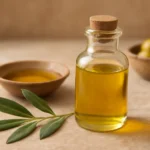
Israel Anointing Oil: Meaning, Significance, and Variations
The topic of Israel anointing oil sits at the crossroads of history, faith, and personal practice. Across centuries, the idea of anointing with sacred oil has carried layered meanings: it marks people for service, sanctifies objects for sacred use, invites divine presence, and offers comfort in times of change or challenge. In modern discussions, you will encounter several phrases that refer to the same or related concepts: holy anointing oil, oil of anointing, oil from Israel, and Israeli sanctified oil. Each variation points to a shared heritage while also signaling different contexts—biblical, liturgical, devotional, or contemporary wellness-inspired practice.
This article provides an in-depth exploration of Israelanointing oil in its traditional sense, what it symbolizes today, how its ingredients are described in sacred scripture, and how individuals may thoughtfully use such an oil in a respectful, informed way. We will distinguish between the biblical commandments surrounding the holy oil and modern adaptations used for devotion, healing-inspired rituals, or personal meditation. The aim is to offer a balanced, educational overview that helps readers understand the meaning, benefits, and practical use of this practice.
Historical and Biblical Context
Biblical origins of the holy oil
The concept of anointing with fragrant oil appears prominently in the Hebrew Bible as a consecration ritual. The best-known formulation describes a special blend of olive oil enriched with rare spices. In the biblical text of Exodus, the instructions say to prepare the holy anointing oil with a precise combination: olive oil plus spices such as myrrh, cinnamon, calamus, and cassia, along with the olive oil as a base. This mixture is then used to sanctify the Tabernacle, its furnishings, the Alter, and the priests who serve there.
In Exodus 30:22-25 (and the surrounding verses), the biblical command is clear: a specific recipe is provided, and the resulting oil is designated as “holy to the Lord.” The idea behind this oil is not simply fragrance but divine belonging—objects and people touched by it are set apart for service to God. Later scriptural passages show the oil used in ritual moments of appointment and blessing, such as the anointing of prophets, kings, and high priests, illustrating a pattern of empowerment and consecration that extends beyond a single ritual moment.
Priestly and Tabernacle use
The oil’s primary biblical function is sanctification—to mark sacred space and persons who will carry out sacred duties. It is associated with the presence of God and with setting apart for roles of leadership or service. The use of the oil is closely tied to the Tabernacle’s sanctity, as well as to the consecration of individuals who would serve in a covenant community. This connection between the oil and divine commissioning appears again in later traditions where anointing becomes a sign of a person’s calling.
Transition into Jewish and Christian traditions
Over time, the concept of anointing oil moved from a strictly temple-bound practice to more personal and communal rites. In Jewish tradition, the remembrance of anointing—whether for temple service or for kingship—carried symbolic weight, even as daily life did not routinely involve anointing with the sacred oil. In Christian contexts, the legacy of the biblical anointing lived on in rites of ordination, baptismal preparation, and moments of healing prayer, with many communities incorporating the oil into liturgy or devotional practice.
Understanding the meaning of anointing oil requires looking at both its symbolic language and its practical function. Theologically and spiritually, the olive-based blend represents the convergence of human effort and divine blessing. The act of anointing can be viewed as:
consecration: setting someone or something apart for sacred service.
empowerment: enabling a person to fulfill a particular role or calling.
protection: invoking divine care and safeguarding.
healing and restoration: a sign of comfort and spiritual, emotional, or physical renewal.
remembrance: recalling a covenant relationship and God’s faithfulness.
The inclusion of fragrant spices, alongside olive oil, adds sensory symbolism: scent accompanies the blessing, making the moment memorable and meaningful. In many faith communities today, Israelanointing oil serves as a tangible reminder of God’s presence in daily life, the continuity of faith across generations, and the call to serve with humility and responsibility.
Ingredients and Preparation: Traditional and Modern Approaches
Traditional biblical recipe
The biblical instruction describes a precise blend designed to be set apart for divine use. The holy anointing oil is often summarized as olive oil with several aromatic spices, typically listed as myrrh, cinnamon, calamus, and cassia. The mixture is more than fragrance; it is a covenantal instrument—a sacred sign that the objects or people touched by it belong to God’s service.
In modern discussions, scholars and practitioners sometimes recreate the recipe as a devotional tradition or as a ritual apparatus for home use, understanding that the biblical instructions emphasize holiness and purpose rather than mere scent.
Modern adaptations and safe practice
Today’s Israel anointing oil or “oil of anointing” used in personal devotion often appears as a blend of high-quality olive oil infused with essential oils or natural extracts that resemble the biblical spices. When reproducing or purchasing a version intended for personal devotion, consider the following:
Base oil: extra virgin olive oil is a faithful base representing the original biblical material.
Spices or essential oils: keep to sources that are safe for topical use and adults only (e.g., myrrh, cinnamon, cassia, and calamus are common choices in symbolic recipes).
Proportions: modern recipes often adjust to skin-safety guidelines to ensure the blend is appropriately diluted (see safety guidelines below).
Purity and sourcing: seek products that provide clear ingredient lists and ethical sourcing, especially given the ceremonial nature of the oil.
If you choose to create a DIY Israelanointing oil, you should be mindful of skin safety and allergies. A typical safe approach is to dilute concentrated essential oils in a carrier oil (such as olive oil) at a low dilution ratio, commonly around 1–2% for topical use on adults. For example, 1–2 drops of essential oil per teaspoon of carrier oil is a cautious starting point. Do not apply near the eyes or mucous membranes, and discontinue if irritation occurs.
What the Oil Means for Believers Today
Beyond the historical and liturgical contexts, anointing oil remains meaningful in modern practice for many people in faith communities. The benefits attributed to the oil are often described in three interconnected domains:
Spiritual connection: the oil acts as a focal point that helps believers enter a space of prayer, reflection, or covenant renewal.
Symbol of blessing: anointing conveys belief in divine favor, dedication to God, and community recognition of a person’s role or need.
Remembrance and identity: the act can serve as a tangible reminder of faith commitments, moments of transition, or the trajectory of one’s spiritual journey.
In many Christian contexts, for example, anointing with oil is used in ordination, healing prayers, or times of spiritual commissioning. In Jewish tradition, while the temple’s oil has a historical and ceremonial significance, the broader sense of blessing and sanctification continues to inform prayer, study, and acts of service. The contemporary use, therefore, is often less about recreating an ancient temple rite and more about connecting with a time-tested symbol of devotion, blessing, and God’s presence.
How to Use Israel Anointing Oil: Practical Guidance
In personal devotion and worship
When using anointing oil for personal devotion, approaches vary by tradition and personal preference. A thoughtful practice might include:
Begin with a moment of quiet breathing or prayer to center attention.
Hold the bottle and recall the meaning of consecration and empowerment.
Gently apply a small amount to pulse points or areas of the body where you want to invite calm, focus, or blessing (for example, the temples, wrists, or chest). Remember to dilute if using essential oils and avoid sensitive areas.
Speak a personal blessing or affirmation aloud, aligning your intention with the meaning of the oil—such as commitment to service, healing, or gratitude.
Use as a reminder during prayer or meditation, letting the scent anchor your thoughts.
It is important to emphasize that the use of Israel anointing oil for personal devotion should be voluntary, respectful, and mindful of others who may share the space, especially if the oil is used in a household or public setting.
Ritual use in households and small groups
In family or small-group contexts, anointing oil can symbolize shared focus and mutual care. A practical approach includes:
Setting a simple circle or arrangement for prayer, study, or reflection.
Using a small amount of oil to anoint hands, a book, or a symbol (such as a Bible, a cross, or a prayer card) that represents the shared intention.
Encouraging participants to share a brief intention or blessing for one another, reinforcing communal support and accountability.
Use in ceremonies and consecration rites
In formal religious settings, the oil remains a symbol with a long history of ordination and consecration. If you are part of a faith community that observes these rites, follow the guidance and liturgical texts provided by your tradition. When you adapt or borrow elements from ancient practice, honor the symbolic meaning and consult with clergy or leadership to ensure respectful and appropriate use.
Safety, Ethics, and Practical Considerations
Because anointing oil involves topical application and fragrance, there are important safety and ethical considerations. This section outlines practical guidelines to help you use Israelanointing oil responsibly.
Skin safety: always dilute concentrated essential oils in a carrier oil. Do a patch test on a small area of skin to check for irritation or an allergic reaction before broader use.
Avoid sensitive areas: do not apply near the eyes, mucous membranes, or broken skin. If contact occurs, rinse thoroughly with water.
Allergies and sensitivities: check for known allergies to spices or tree resins. If there is a risk of allergies, consider using a hypoallergenic or fragrance-free base oil and a gentler blend.
Pregnancy and medical conditions: if you are pregnant, nursing, or have a medical condition, consult a healthcare professional before using essential oils.
Quality and sourcing: purchase from reputable suppliers who provide clear ingredient lists and safety data. Look for products that clearly identify olive oil as the base and disclose spice or essential oil content.
Storage: store in a dark glass bottle, away from direct sunlight and heat. Ensure the cap is tightly closed to preserve aroma and potency.
Where to Find or How to Create Your Own
If you are seeking Israelanointing oil for devotion, consider two paths: buy a prepared product or create your own in a thoughtful, safe way. Each option has its considerations.
Clear labeling: ingredients listed, including base oil and any added essential oils or spice extracts.
Allergen information: allergen warnings and dilution notes.
Acknowledgment of sacred use: some products are marketed for devotional use and explicitly respectful of their sacred origins.
Ethical sourcing: fair-trade or responsibly sourced ingredients, especially for spices like myrrh and cassia.
DIY considerations and a basic recipe outline
For those who wish to create a personal devotional oil inspired by the biblical tradition, consider a safe, modern adaptation:
Base oil: high-quality olive oil as the carrier.
Spice/essence additives: optional safe choices include myrrh essential oil (in very small amounts), cinnamon leaf essential oil or cassia (both should be heavily diluted), and a touch of calamus (or related sensory note) if available as a safe essential oil variant. Always check recommended dilution and skin sensitivity.
Proportions: a conservative approach is to start with a 1–2% total essential oil to carrier oil ratio, adjusting only after patch testing and depending on the product’s strength.
Storage: a clean, amber or dark glass bottle to shield the blend from light and heat.
Remember: many traditions emphasize the sacred nature of this oil rather than the exact recipe. If you create your own blend, do so with reverence, clear intention, and a safety-first mindset.
Common Questions About Israel Anointing Oil
Is this oil the same as biblical consecration oil?
The biblical oil is described as a holy anointing oil with a precise flavor and divine mandate to sanctify the Tabernacle, altar, and priests. Modern products inspired by that recipe are devotional tools or symbolic aids rather than direct liturgical instruments. In other words, today’s Israelanointing oil is often used as a personal or communal symbol of blessing, rather than an exact replication of the temple rite.
What are the main purposes people use this oil for today?
People use anointing oil for a range of purposes, including:
Personal prayer and devotion, as a reminder of God’s presence.
Welcoming a sense of blessing or commissioning for new steps in life (e.g., new jobs, ministry opportunities, or acts of service).
Healing prayers and comfort in times of sickness or sorrow, while recognizing that it is not a medical substitute.
Rituals and ceremonies in small groups or congregations.
Symbolic acts of remembrance and commitment in spiritual practice.
Can I use it on others, including children?
If you are sharing oil with others, especially children, be mindful of safety, consent, and sensitivities. Use light amounts, dilute properly, and respect each person’s boundaries regarding touch and fragrance. Some families choose not to use aromatic oils with young children or individuals with sensitive skin. Always obtain consent and apply only where appropriate.
Conclusion: Meaningful Practice with Respect and Intent
Israel anointing oil embodies a long history of sacred symbolism—consecration, blessing, empowerment, and divine presence. Whether you approach it from a strictly biblical perspective or as a contemporary devotional tool, the essential message remains: anointing is about setting apart spaces, people, and moments for something beyond ordinary daily life. It invites reflection on vocation, service, healing, and gratitude.
If you choose to use oil inspired by this tradition, do so with intention, care, and respect for its origins. Whether you are honoring biblical instructions, seeking a personal sense of divine connection, or participating in a communal rite, the oil serves as a tangible reminder that we are called to stewardship, faithfulness, and compassion. By pairing a thoughtful ritual with practical safety and ethical sourcing, you can incorporate the enduring symbolism of the sacred oil into a modern life in a way that honors both past and present.