Welcome to a comprehensive guide on Israel coins. This article explores the history, value drivers, and collectible insights that make Israeli coinage a fascinating niche for hobbyists, investors, and historians alike. Whether you are just starting a collection or you are a seasoned Numismatist seeking deeper understanding, this guide offers practical knowledge, context, and appreciation for the coins of the State of Israel and the broader story they tell about a nation’s culture, politics, and economy.
Understanding the history of Israeli coinage begins with the birth of the state and its early institutions. The coins and monetary system reflected the country’s rapid modernization, its balancing act between tradition and modernity, and the practical needs of a new economy. Over the decades, the design language, minting practices, and circulating denominations evolved in response to inflation, reform, and national symbolism. This section traces the arc from the early post-independence period to the more contemporary era of commemorative issues and modern circulating coins.
Early decades: 1948–1950s and the foundational era
In the wake of independence in 1948, the nascent republic had to establish its own monetary framework. The early coins and banknotes were part of a broader effort to assert sovereignty and national identity. During these formative years, the state collaborated with international partners and adopted a currency system that would support the needs of a rapidly growing population and a developing economy. For collectors, the earliest Israeli coins from this era are imbued with symbolism—depicting motifs tied to heritage, land, and culture—and they set the stage for the distinctive design language that would recur in later issues.
Transition to decimal currency and the lira era
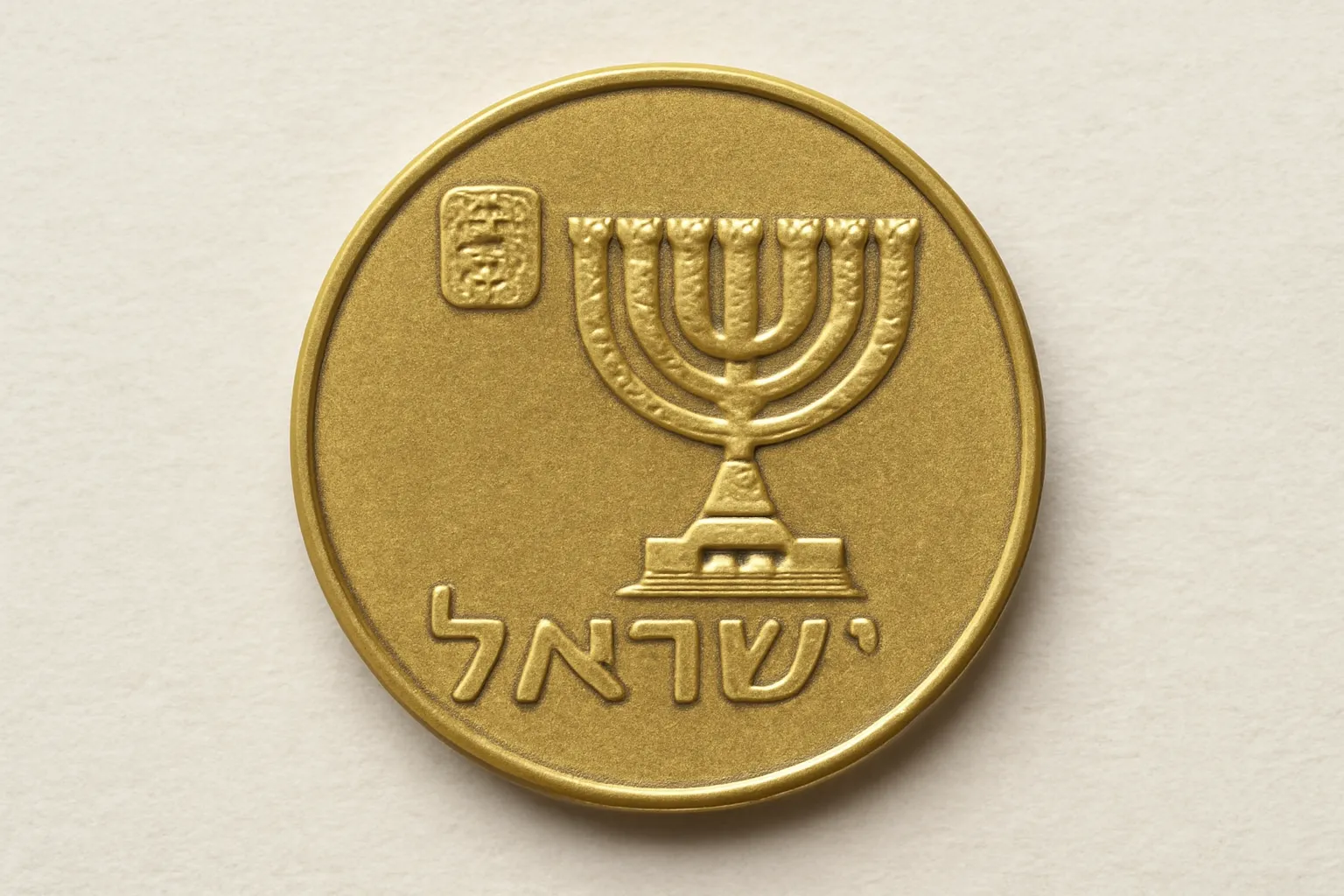
As the country matured, the monetary system shifted to decimal units and adopted new units and denominations that streamlined everyday transactions. This period introduced a vibrant range of circulating pieces and a growing catalog of commemoratives. The coins of this era often feature national emblems, such as the menorah, symbolic flora, and inscriptions in Hebrew that connect the material to the intangible aspects of national identity. For collectors, these coins provide insight into the early decades of statehood and the resourcefulness of a young monetary authority working to standardize currency while preserving cultural references.
Inflation, reforms, and the transition to modern coinage
By the late 20th century, inflation and economic reforms prompted further changes to the Israeli currency. The government and the Bank of Israel undertook efforts to stabilize value, modernize minting practices, and introduce new designs that could be produced efficiently at scale. In this era, the nation also began to emphasize commemorative coins as a vehicle for cultural celebration and historical reflection. The result is a rich set of issues that is particularly attractive to collectors who study minting history, die varieties, and production techniques alongside the broader economic context.
Design, symbolism, and production
Coin design in Israel is notable for its blend of religious, historical, and contemporary imagery. Designers often draw on biblical motifs, natural landscapes, and important national milestones to craft pieces that are aesthetically distinctive and meaningful to the public. The work of the Israel Mint and the Bank of Israel has contributed to a catalog of circulating coins and limited-edition issues that showcase technical proficiency, artistry, and political symbolism. This section highlights some of the key themes and processes that shape Israeli coins.
Thematic motifs
National symbols such as the menorah, olive branches, and pomegranate motifs frequently appear on circulating and commemorative pieces.
Land and history imagery evokes historic sites, natural beauty, and the country’s diverse landscapes.
Science and culture designs celebrate achievements in science, technology, and the arts, reflecting Israel’s modern identity.
Special events commemoratives mark milestones such as anniversaries of institutions, peace accords, or significant national achievements.
Production and minting
The Israel Mint has played a central role in producing coins for circulation and for collectors. The minting process—dies, striking, and quality control—affects not only the appearance of a coin but its desirability among collectors. Limited-edition runs, proofs, and uncirculated specimens often command premium in the market, especially when they accompany unique serial numbers or special packaging. Collectors also watch for variations in edge patterns, dies, and plating that can create sought-after varieties.
Value drivers: what makes Israeli coins valuable
The value of Israeli coins is shaped by a combination of factors. For investors and collectors, understanding these drivers helps explain price trends and where to focus research and purchasing decisions. Below are the main elements that commonly influence the perceived and market value of coins from Israel.
Condition and grade
The condition of a coin—ranging from heavily worn to pristine unc.uted—has a major impact on value. Uncirculated pieces with original luster typically fetch higher prices.
Grading services may assign numerical grades and descriptive terms that help standardize valuation across markets.
Wear patterns, contact marks, and luster loss can significantly affect a coin’s collectible appeal and resale price.
Rarity and mintage
Coins with low mintages or limited-edition runs tend to be more scarce, driving demand among collectors.
Transfers between collectors can create niche markets for specific years, denominations, or designs.
Historically important issues, or coins that commemorate a milestone, often carry a premium due to their significance.
Historical significance and design appeal
Era-defining issues or coins tied to major events tend to attract interest beyond traditional numismatic circles.
Artistic merit and aesthetic appeal can elevate a coin’s desirability, especially for high-grade specimens.
Coins that capture a unique moment in Israeli history—whether political, cultural, or scientific—offer narrative value to collectors.
Provenance and condition history
Well-documented provenance, including previous ownership by notable collections, can add an element of prestige.
Provenance may increase confidence among buyers, especially for rare issues or high-condition pieces.
Collectible insights: starting, growing, and valuing an Israeli coin collection
Collecting coins of Israel can be as exciting as it is educational. This section provides practical guidance for building a robust collection, evaluating pieces, and navigating the market. Whether your interest lies in circulating coins, historical issues, or commemoratives, the following considerations can help you make informed decisions.
Getting started: what to collect first
Decide on a focus: circulating coins from a specific era, commemoratives, or a broader geographic/cultural theme.
Start with widely available items in high quality, such as modern circulating coins in uncirculated condition, to build confidence and understanding.
Use reference catalogs and online resources to learn about dates, mintages, and common varieties before purchasing.
Grading and authentication
Learn basic grading scales for coins, focusing on surface preservation, strike quality, and eye appeal.
Consider professional grading for key pieces or high-value purchases to establish a verifiable standard.
Be vigilant for counterfeits and reproductions, especially with rare issues or commemoratives; seek trusted sellers and authentication when possible.
Where to buy and how to price
Reputable coin dealers, auctions, and established numismatic marketplaces are common channels.
Prices swing with market demand, but you can gauge value by checking recent sale results for the same year, denomination, and condition.
Keep a price and provenance record to track the growth of your collection and justify investments in particular pieces.
Storage, handling, and care
Use proper coin holders, flips, or slabs to protect against tarnish, scratches, and environmental damage.
Avoid handling coins with bare hands; wear cotton or nitrile gloves and minimize exposure to acids, oils, and humidity.
Store in a cool, dry place and monitor for signs of corrosion or environmental deterioration.
Notable series and commemoratives in Israeli coin history
Israel has produced a number of noteworthy commemorative issues and series that are popular with collectors. These special issue coins often celebrate historical milestones, national achievements, or cultural themes. Below are examples of categories and topics that have drawn interest over the years.
Commemoratives tied to national milestones
Anniversaries of corresponding institutions, such as the founding of government bodies or key political events.
Milestones in education, science, or technology that highlight national pride and progress.
Anniversaries of peace accords or diplomatic milestones that reflect Israel’s place in regional and global affairs.
Cultural and scientific themes
Coins honoring poets, scientists, artists, and cultural icons connected to Israel’s identity.
Natural wonders and landscapes of Israel, including protected areas and national parks, depicted on circulating or commemorative pieces.
World market interest and accessibility
Many commemoratives are produced in limited runs, making them attractive to international collectors seeking regional diversity.
Commemoratives often feature enhanced finishes (proofs, satin proofs, or special packaging) that appeal to premium collectors.
Care, authenticity, and market confidence
As with any collectible market, due diligence is essential. The authenticity of coins, the legitimacy of the sale channel, and the condition of the piece determine both immediate value and long-term potential. The following guidelines can help you navigate the field more confidently.
Authentication tips
Insist on reputable certificates or third-party authentication for high-value items.
Cross-check mint marks, edge inscriptions, and design characteristics against trusted references.
Be wary of anomalies such as overly perfect surfaces on otherwise rare issues, which can indicate modern reproductions.
Market dynamics and price trends
Prices for Israeli coins often rise around anniversaries of significant events or when a particular issue is scarce.
The market can be influenced by broader collectible cycles, currency trends, and the availability of affordable entry points for new collectors.
Long-term value tends to be linked to rarity, historical significance, and the coin’s appeal to international audiences.
Preservation of value
Maintain a record of provenance, catalog descriptions, and grades to support future resale or insurance needs.
Keep the coins in their protective holders and store in stable environmental conditions to preserve surface quality and color.
Practical resources for Israeli coin enthusiasts
For anyone building an Israel coin collection, several avenues provide reliable information, market data, and community support. Below are recommended starting points and ongoing resources to enhance knowledge and connect with other collectors.
Official publications from the Bank of Israel and the Israel Mint, which publish catalogs, press releases, and details about new issues.
Numismatic catalogs and periodicals that cover world and regional coinage, including sections dedicated to Israeli coins.
Reputable online marketplaces and auction platforms where you can observe current market pricing, availability, and sale history.
Coin clubs and online forums where collectors share tips on authentication, grading, and collecting strategies for coins of Israel.
Government and financial archives may provide historical context that helps explain why certain designs and issues were chosen.
Glossary of terms you may encounter
While exploring Israel coins, you will encounter terminology that helps describe the coins, their value, and their history. Here is a concise glossary to help you navigate common terms used by collectors and dealers.
Circulating coins – coins intended for everyday use by the public in daily transactions.
Commemorative coins – special issues minted to honor events, people, or milestones, often produced in limited editions.
Mintages – the number of coins produced for a given issue; lower mintages often increase rarity and value.
Proofs – high-quality, specially finished coins intended for collectors, usually with mirror-like surfaces and sharper details.
Uncirculated (UNC) – coins that have not been used in circulation and retain original mint luster.
Die varieties – design variations produced by using different dies; these can become collectible if rare or distinctive.
Edge inscriptions – text or designs on the edge of a coin, which can be used for authentication and aesthetic variation.
Conclusion: embracing the world of Israeli coins
Exploring the coinage of Israel offers a unique lens into the country’s history, culture, and evolving economy. From the earliest days of statehood to the modern era of commemorative issues and contemporary circulating pieces, Israeli coins tell stories of resilience, innovation, and national pride. For the collector, coins from Israel provide a rich field in which to study artistry, minting technology, and market dynamics against a backdrop of a dynamic public identity.
Whether you are drawn to the historical significance of certain issues, the design aesthetics of a particular year, or the thrill of acquiring a scarce piece, this guide aims to equip you with a well-rounded foundation. By recognizing the main value drivers—condition, rarity, provenance, and thematic appeal—you can approach Israeli coin collecting with greater confidence, curiosity, and enjoyment. As you grow your collection, remember to document your pieces, verify authenticity, and engage with the broader community of fellow enthusiasts who share your passion for coins from Israel.
With patience and study, your exploration of Israel coinage can be a rewarding journey—a tangible connection to a nation’s history, art, and shared future. Whether you curate a focused set of circulating coins, assemble a portfolio of commemorative issues, or pursue a broader examination of Israeli currency, the world of Israeli coins offers ongoing discovery and enduring fascination.