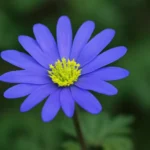
Israel flowers paint a living canvas across a land of remarkable contrasts, where the Mediterranean coast meets deserts, mountains rise above plains, and rainfalls shape carpets of color that travelers remember for a lifetime. This ultimate guide to Israel’s blooms explores the country’s most striking blossoms, where to see them, when to go, and how this land’s climate, geology, and ecology fuse to produce the world’s most evocative floral displays. From the desert bloom in the Negev to the wildflower meadows of the Galilee, the story of Israel flowers is a story of adaptation, beauty, and seasonal rhythm.
Israel sits at a crossroads of biogeographic regions, and its flora reflects a spectrum from Mediterranean wildflowers to desert flora. A combination of seasonal rains, diverse terrains, and microclimates creates opportunities for spectacular blooms at different times of the year. On the coast, mild winters nurture evergreen and herbaceous species; in the hills, a burst of spring wildflowers carpets pasture and hillside; in the southern deserts, desert spring can surprise with ephemeral flowers after a winter rain.
Mediterranean flora flourishes along the shore and the central hills, with species that resist drought and tolerate cool, wet winters.
Desert flora adapts to arid heat, with long roots, water-storing leaves, and bursts of color following rains.
Endemic and migratory species show up in varying seasons, often signaling shifts in rainfall and temperature.
For wildlife lovers as well as plant lovers, Israel’s blooms are intertwined with pollination, migration, and soil health. The flowering calendar is not a single phase but a sequence: winter rain awakens bulbs and annuals, spring brings showy blossoms and field mosaics, and summer often rests in quiet greens before autumn storms restart the cycle.
Desert blooms and the Negev’s spring carpet
Few landscapes evoke the drama of Negev desert blooms like the moment after a winter or early-spring rain. The arid reserve landscape is capable of astonishing color when moisture infiltrates the soil. In spring, the timed bloom becomes a temporary tapestry of shapes and hues, and it draws visitors to parks, nature reserves, and dramatic desert overlooks.
What to expect in the southern bloom season
In the Negev and the Arava valleys, the following floral characters often steal the show during peak bloom periods:
Desert poppies (Papaver or Papaver rhoeas relatives) flashing orange or red in open soils.
Rockrose species (Halimium and Cistus spp.) offering pale yellows to deep pinks in sunny spots.
Belgian-iris-like bulbs and wild ranunculus that pop up in sheltered gorges after rains, providing delicate petals amid sandy tones.
Narcissuses and cyclamen appearing in microhabitats, especially in shaded wadis where moisture lingers.
Safety and environmental awareness are essential when exploring the desert. Stick to marked trails, respect protected areas, and monitor weather shifts. After a good rain, the desert can be alluring but occasionally risky due to flash floods or sudden temperature swings. Always check local park notices and follow ranger guidance.
Israel’s northern blooms: Galilee, Golan, and Carmel
The northern tier of the country hosts some of the most iconic spring displays, where rolling hills, limestone outcrops, and spring-fed streams nurture a abundance of wildflowers. The Galilee and the Golan Heights offer vantage points that reveal blankets of color, while the Carmel range provides sheltered microclimates ideal for diverse blossoms.
The biblical landscapes of the Galilee are famous for their seasonal abundance. In a good year, fields and hillsides can become living canvases of:
Anemone coronaria (poppy anemone), with papery petals in red, blue, white, and lavender hues.
Cyclamen persicum (cyclamen), often seen in mossy, shaded nooks and woodlands.
Ranunculus asiaticus (Persian buttercup), producing large, multi-petaled blossoms in a rainbow of colors.
Narcissus and other bulbous flowers that create interconnected yellow and white patches along hillside trails.
Golan Heights and Carmel’s higher altitudes
Elevations in the Golan and Carmel offer cooler microclimates that extend blooming windows and favor a broader suite of species, including meadow grasses and wildflowers adapted to rocky slopes. Expect to see:
Bearded irises and other iris relatives that thrive in damp, rocky areas.
Primroses and related spring ephemerals that light up forest edges and spring-fed streams.
Erophila verna and other tiny field flowers that carpet the ground in quiet, unassuming corners.
Central Israel and the coast: fields, parks, and urban meadows
Central Israel—home to the densely populated corridor from Tel Aviv to Jerusalem—provides a different kind of floral spectacle. In addition to wildflower displays in nature reserves, cultivated gardens and park plantings bring vibrant color to cityscapes. The coastal plain and central hills host a mix of wild species and agriculture-driven blooms, with some of the most photogenic moments found in reserve parks and country lanes.
Iconic garden and field blooms you might encounter
Across this belt, look for:
Ranunculus fields in well-managed agricultural settings, where bulbs are grown for cut flowers and display plots.
Anemones and their cobalt, crimson, and ivory varieties along hedgerows and open fields.
Narcissus named varieties, sometimes used in ornamental plantings that echo backyard horticulture.
Bluebells and hyacinths in managed parks and private gardens, bringing a splash of late-winter to early-spring fragrance.
Urban parks along the Mediterranean coast—such as near Tel Aviv and around central hills—offer reliable blooms in public spaces, often combining native species with cultivated ornamentals. Visitors can enjoy flowering trees (like almond and cherry blossoms during late winter) interwoven with flowering shrubs and seasonal annuals.
Timing is everything when planning a flower-focused visit to Israel. Bloom windows shift with rainfall, altitude, and year-to-year climate variability. Here are general guides to when you’re most likely to experience standout displays in different regions.
General calendars by region
Winter to early spring (December–April): The heart of the bloom season in most regions. Expect wildflowers, bulb flowers, and ephemeral blooms on hillsides, forest edges, and wadi beds.
Late winter (January–March) in the north: Cyclamen and anemones are often visible, sometimes carpeting forest floors and limestone outcrops.
Spring (February–April) in the Negev: Desert blossoms peak after winter rains; the desert’s color palette expands with tulips, poppies, and rockrose blooms in favored microhabitats.
Summer and autumn: Less about wildflowers in the open, but many parks, gardens, and agricultural fields display cultivated blossoms, plus late-summer perennials and drought-tolerant ornamentals in urban landscapes.
Because rainfall patterns vary, it’s wise to check local park alerts, nature reserve timetables, and seasonal forecasts before you plan a trip specifically for blooms. In some years, a good rain in late winter can yield an extraordinary bloom, while drier years may produce more modest displays.
Where to see stunning Israel blooms: a practical tour guide
Israel offers a wealth of places to enjoy flowers, from protected nature reserves to cultivated bulb fields. Below is a curated set of destinations that are well-regarded for floral viewing, including both wildflower-rich sites and cultivated bloom hubs.
Nature reserves and national parks
Mount Carmel National Park and nearby reserves offer sweeping wildflower displays, especially in spring, with a mix of Mediterranean and alpine-flower species.
Yizreel Valley and the Jezreel Valley show up as a patchwork of ranunculus, anemones, and narcissus in good bloom years, often visible from hilltop viewpoints.
Sea of Galilee region and the surrounding nature reserves reveal cycles of wildflowers along streams and in meadow edges, including cyclamen in favored shaded spots.
Hula Valley Nature Reserve (northern Israel) is a birding and botanical hotspot, with water-loving plants and seasonal blooms near marshy areas.
Nahal Prat (in the Arava) and surrounding desert reserves showcase desert ephemerals and shrubs that flourish after rains.
Desert and semi-desert venues
Timna Park and Makhtesh Ramon (the Ramon Crater) offer dramatic desert scenery where short-lived blooms appear as the land warms, often after rain.
Ein Avdat National Park and other canyons provide pockets of color along their paths, with spring ephemeral flowers and desert shrubs.
Neot Hakikar and Arava desert routes can reveal surprising color bursts behind rocky ledges when moisture is present.
Coastal and central corridors
Tel Aviv’s Yarkon Park and other urban green spaces showcase seasonal ornamentals and flowering trees that provide reliable color year after year.
Caesarea’s nature trails and nearby fields display a mix of cultivated and native blooms, especially in border areas between parks and agricultural land.
Jerusalem’s parks and hills present a blend of wildflowers and cultivated plantings, aligning bloom cycles with the capital’s climate.
Iconic species to watch for: a field guide to Israel flowers
To help visitors identify the most photogenic and culturally resonant blossoms, here is a concise field guide to several emblematic Israel blooms. Bold names indicate species you are most likely to encounter in multiple regions and across different habitats.
Anemone coronaria (poppy anemone) – A spectacular spring flower with large, papery petals in deep blues, purples, pinks, and reds.
Cyclamen persicum (cyclamen) – A charming fall-to-winter bloomer in forested shade and rocky soil, often with a sweet fragrance and heart-shaped leaves.
Ranunculus asiaticus (Persian buttercup) – A garden-standard bloom that thrives in cultivated fields and some wild settings, known for its layered petals and bright colors.
Narcissus tazetta (daffodil) – A hardy bulb with a sweet perfume, common in meadows and cultivated plots after winter rains.
Fritillaria imperialis (crown imperial) – Seen in some cultivated landscapes and occasionally in the wild; its vertical flower spikes offer a striking silhouette.
Halimium spp. and Genista/Retama shrubby rockroses and broom-like plants provide yellows and earth tones in desert and coastal dunes.
Iris spp. (bearded iris and wild iris relatives) – Blue, violet, and white forms that brighten damp hillsides and meadow edges.
Papaver rhoeas (common poppy) and related Papaver species – Bright red-orange accents that punctuate fields in springtime geographies.
Practical tips for enjoying Israel’s blooms responsibly
While chasing the perfect bloom can be thrilling, thoughtful travel ensures that future visitors can enjoy the same sights. Here are practical suggestions for a respectful and rewarding flower-focused journey through the country.
Respect protected areas: Many stunning displays occur in nature reserves, national parks, and UNESCO sites. Stay on designated paths, do not pick plants, and follow posted guidance.
Leave no trace: Carry out all trash, avoid disturbing wildlife, and minimize your impact on delicate ecosystems.
Watch for seasonal alerts: Some blooms depend on rainfall, so bloom timing varies. Check with park staff or official reserve pages before visiting.
Best times of day: Early mornings and late afternoons offer soft light for photography and cooler conditions for walking. Midday sun can be harsh on both eyes and photos.
Photography tips: Use a wide-angle lens to capture landscapes, a macro for close-ups of petals, and a polarizing filter to reduce glare on sunny days.
Climate readiness: In deserts, carry water, sun protection, sturdy footwear, and appropriate clothing for temperature shifts between day and night.
Photographic and observational tips: how to capture the bloom
Israel’s floral displays offer photographers and nature lovers compelling opportunities. Here are techniques to maximize your experience and your imagery:
Plan around light: The best shots often occur during golden hours—shortly after sunrise or before sunset—when light is warm and shadows are gentle.
Incorporate scale: Use objects such as a traveler, a rock, or a branch to provide a sense of scale against a meadow or hillside of blooms.
Focus on texture: Close-ups of petals, dew on leaves, or the intricate patterns inside a bloom reveal the flower’s micro-world.
Seasonal series: Consider returning across the bloom season to capture the same location as colors shift with weather and growth stages.
Respect wildlife: Avoid harassing pollinators or trampling sensitive plants; move slowly and observe from a respectful distance.
Culture, agriculture, and the cultivation of Israel’s floral wealth
A robust agricultural sector in Israel supports both ornamental cultivation and edible crops. The country has become well-known for fostering bulb production and specialty cut flowers, including ranunculus and anemone varieties, which are grown for export and domestic markets. The interplay between field agriculture and wildflower meadows is part of a broader narrative about how humans cultivate beauty while protecting native flora.
In some regions, agricultural enterprises maintain flower corridors and experimental plots that blend landscapes, which can be especially striking in spring when cultivated blooms mingle with wild species along farm margins and in adjacent woodlands.
Seasonal etiquette for nature seekers
Israel’s floral displays are a reminder that nature’s cycles are dynamic. Observing seasonality and respecting ecological processes helps ensure blooms continue to thrive for years to come. Here are some etiquette notes for those visiting in search of flowers:
Do not pick wildflowers in reserve lands or on public trails; many species rely on seed dispersal to propagate.
Be mindful of fragile habitats: Ephemeral blossoms can be a once-per-year phenomenon, and trampling near rare flowers may cause long-term damage.
Support conservation efforts: If possible, participate in guided tours led by park rangers or ecological organizations that emphasize preservation and education.
Plan for backups: If a particular site is crowded, explore alternate bloom-rich trails in nearby reserves or parklands to minimize crowding on a single spot.
Glossary of common terms for the Israel bloom hunter
To help readers recognize plants and understand the landscape, here is a quick glossary of terms you may encounter in field guides or when talking with locals and park rangers.
: A plant or flower that has a brief life cycle, often blooming after rainfall and withering quickly in dry conditions.
: A storage organ in certain plants (like narcissus and ranunculus) that stores nutrients to survive periods of drought or cold.
: A plant that lives for more than two years and typically reappears each spring from established roots.
: An organism (often a bee or butterfly) that assists in the plant’s reproduction by transferring pollen.
: A species that is native to a particular region and found nowhere else in the world.
Recommended reading and resources for deeper study
For readers who want to dive deeper into Israel’s floral world, the following resources offer more detailed field guides, seasonal forecasts, and conservation information. While specific books and local resources vary over time, these themes consistently appear in reputable nature guides and park information portals:
Field guides to Mediterranean and desert flora that include species commonly found in Israel’s ecosystems.
Nature reserves’ official websites for bloom calendars, safety notices, and guided tours.
Botanical societies in Israel and neighboring regions that publish seasonal articles on wildflowers and cultivated bulbs.
Photographic journals and travel essays that document bloom years and notable floral events in different locales.
Final reflections: celebrating the seasonal beauty of Israel’s flowers
Israel’s blooms are not merely a spectacle; they are a narrative about climate, geography, culture, and resilience. The same country that fosters modern urban life, high-tech innovation, and ancient heritage also cultivates a living stage where flowers signal the rhythms of rain, sun, and soil. Whether you are a botanist tracing the distribution of anemone coronaria across a limestone slope, a photographer chasing the delicate hue of a cyclamen persicum in a shaded wash, or a traveler wandering a desert road after a rare shower, Israel’s floral world offers an unforgettable encounter with nature’s artistry.
So, whenever you plan a trip focused on Israel flowers, consider not only where to go but when to go. The beauty of this land’s blooms is that every season may reveal something new—whether a carpet of wildflowers on a northern hillside, a dramatic desert bloom in a secluded canyon, or cultivated fields of ranunculus glowing in the late afternoon light. This is the essence of Israel’s stunning blooms: a country where the flower beds of history and the fields of today bloom in harmony, inviting everyone to slow down, observe, and celebrate the living colors of this remarkable landscape.