Jewish Prayer Shall: A Comprehensive Guide to Jewish Prayers and Their Meanings
In Jewish life, prayer is more than a routine of recitation. It is a disciplined practice that connects the individual with the community, with generations of tradition, and most importantly with the Divine. The phrase prayer shall—in English translations often rendered as shall pray, shall daven, or shall be said—speaks to a sense of obligation and intention that underpins many Jewish liturgical practices. This article offers a thorough overview of Jewish prayer, detailing its structure, meanings, and the varieties you may encounter across communities and movements. Whether you are new to tefilah (the Hebrew word for prayer) or seeking a deeper understanding of the liturgical tradition, this guide uses clear language and concrete examples to help you navigate the language of obligation embedded in the prayers we shall recite, the times we shall recite them, and the meanings we shall seek to uncover within them.
The language of obligation in Jewish prayer: shall, must, and should
In many English translations of Jewish texts, the verb shall conveys obligation. In Hebrew, the concept is expressed with terms such as chiyuv ( obligation), mitzvah (commandment), and aves (a duty). When modern scholars translate prayers or blessings, they often use shall to suggest that certain actions are expected or required in a religious life. It is important to distinguish between an absolute obligation (a chiyuv that must be fulfilled) and a custom (a practice adopted by a community). You will frequently encounter phrases like shall recite the Shema, shall say the Amidah, or the prayers shall be said as part of daily life.
Key ideas to keep in mind:
Obligation vs. aspiration: Some prayers are obligatory in certain contexts (for example, praying with a minyan on weekdays). Others express ideals or communal aspirations rather than strict legal duty.
Variations by tradition: The sense of shall and the specific prayers included can vary by Orthodox, Conservative, Reform, and Reconstructionist communities, reflecting differing theological emphases and halakhic rulings.
Kavvanah (intention) matters: In many settings, the kenya of shall is inseparable from intention. A blessing or blessing-with-intention is often considered more meaningful when accompanied by proper focus and reverence.
The daily arc of Jewish prayer: Shacharit, Mincha, and Maariv
Most Jewish prayer life follows a daily cycle anchored in three main services, each with its own character, ingredients, and timing. The terms Shacharit, Mincha, and Maariv refer to morning, afternoon, and evening prayers, respectively. Collectively, these form the core of the practice we shall undertake each day, with seasonal or personal adaptations as needed. Within each service, there are standard sections that recite the words of the tradition and invite contemplation of the day’s tasks and opportunities.
Shacharit (Morning Prayer)
Shacharit is the morning framework of the day. It commonly includes the following components:
Birkot Hashachar (Blessings of the Dawn) — a suite of blessings that acknowledge God’s gifts and the turn of the day.
P’sukei D’Zimra (Verses of Song) — a collection of psalms and biblical verses that prepare the heart for prayer.
Shema and its Parshiyot — the declaration of God’s oneness, with verses from Deuteronomy and Numbers.
Amidah (also called the Shmoneh Esrei, the 18 Benedictions, though 19 blessings are recited on most days) — the central silent or whispered prayer, recited while facing Jerusalem (or in the direction of prayer) with a focus on personal supplication, praise, and thanks.
Tachanun (Supplications) — additional prayers of confession and supplication on weekdays (not recited on Sundays or festive days).
Aleinu — a closing prayer that speaks of universal praise and the hope for universal recognition of God.
In many communities, Shacharit is the time for personal prayer and community prayer to begin the day. The words chosen for Shacharit emphasize gratitude, daily renewal, and the intention to live with purpose. Some people recite additional psalms or contemplative readings as a way to deepen the sense of kavanah (intention).
Mincha (Afternoon Prayer)
Mincha is the afternoon service and is often shorter than Shacharit. It has two main forms depending on the time of day:
Mincha Ketana (the smaller Mincha) — recited earlier in the afternoon, if circumstances permit.
Mincha Gedola (the greater Mincha) — the earliest possible time for praying Mincha.
Mincha centers on the Amidah but historically includes other selections, such as verses of praise. In many communities, Mincha serves as a pre-Shabbat prayer on Fridays, signaling the impending Shabbat and the shift from weekday to holy time.
Maariv (Evening Prayer)
Maariv is the evening service and often binds the daily cycle to the rhythm of the night. It can be recited after dusk or after nightfall, depending on local custom. Maariv features:
Amidah with blessings that emphasize gratitude, praise, and supplication.
Aleinu as a lingering expression of faith in God’s sovereignty.
On certain days, additional Kriat HaTorah (Torah reading) or Birkat HaTamid (daily blessings) may accompany Maariv in extended liturgies.
Across these daily prayers, the central motifs remain consistent: gratitude for life, recognition of God’s sovereignty, and a sense of responsibility to live with integrity and compassion. The phrase shall often underscores that the recital is a practice that shapes character as much as it marks time.
The central prayers: Shema and the Amidah
Two prayers sit at the heart of most Jewish liturgical experience: the Shema and the Amidah. Each carries layered meanings and serves different purposes within the day’s worship.
The Shema: Hear and respond
The Shema begins with the words “Hear, O Israel: the Lord our God, the Lord is One.” This declaration asserts monotheism, loyalty to God, and a call to wholehearted love and devotion. The Shema is not merely a statement of belief; it is a practice that anchors daily life. After the core declaration, additional verses from the Torah emphasize the commandments to recite these words, to bind them on the hand and between the eyes, and to teach them to children at home and in the gates of the city.
Within the Shema, you encounter three biblical passages that are central to Jewish faith and practice:
Deuteronomy 6:4-9 — the declaration of God’s oneness and the command to teach and remember throughout life.
Deuteronomy 11:13-21 — further exhortations to bind God’s words on the hand and between the eyes and to teach them to children.
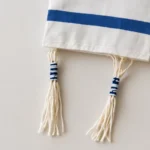
Numbers 15:37-41 — the commandment to wear tzitzit (fringes) as a visible reminder of God’s commandments.
In practice, the Shema is often recited aloud with focus and intention, followed by the blessing of the Shema (the Blessing after Shema in some traditions) and the accompanying verses. The Shema thus functions as a doctrinal statement and a practical act of devotion—it is one of the few prayers that is considered essential in many communities, and its recitation is often paired with moments of reflection on one’s obligations, loyalties, and aspirations.
The Amidah: The core of Jewish prayer
The Amidah, sometimes called the Shmoneh Esrei (18 blessings) or the Silent Prayer, is the central liturgical centerpiece of every service. Its structure is deliberately balanced and contemplative, designed to cover praise, petition, and thanks. The standard weekday Amidah comprises 19 blessings in many communities, though the way these blessings are counted has varied over time and across traditions.
Key structural elements of the Amidah include:
Praise (modest praise of God’s attributes and greatness), including blessings such as Baruch Atah Hashem (Blessed are You, Lord).
Requests (supplications for personal and communal needs), often including requests for healing, wisdom, peace, and justice.
Thanks (acknowledgment of blessings already received and gratitude for God’s providence).
Concluding blesssings that reaffirm God’s sovereignty and the community’s hope in divine guidance.
The Amidah is typically recited standing, and many communities observe variations in how the blessing sections are phrased, especially during Sabbaths and festivals, when additional festive blessings replace or augment certain weekday requests.
Blessings, blessings everywhere: Before and after prayer
A distinctive feature of Jewish prayer is the interplay of blessing formulas that precede and follow liturgical readings. Brachot (blessings) frame the act of praying as a moment of encounter with the divine. These blessings include:
Brachot HaIkkar (Blessings for essential acts) such as blessing God for bringing bread to the table (Birkat Hamazon) after meals or before eating.
Brachot Shevach (Blessings of praise) that acknowledge God’s holiness and role in the world.
Brachot She’elot (Blessings of supplication) that articulate needs and hopes in the Amidah and other prayers.
In a daily rhythm, you will encounter:
Before prayer: Blessings that sanctify time, grant physical readiness, and prepare the heart to pray. These may include blessings for light, for the body, and for the act of prayer itself.
During prayer: The Amidah, the Shema, and the various psalms and readings—every component is chosen to shape intention and interior focus.
After prayer: Blessings of gratitude and transitional prayers that re-enter ordinary life and ask for continued blessing and protection.
Knowledge, kavana, and the art of intention
One distinctive dimension of Jewish prayer is kavanah, a Hebrew term usually translated as intention or focus. It is not enough to recite the words; the reciter should aim to connect with their meaning and purpose. The idea is that intentional prayer shall reflect conscious attention to God, to the text, and to one’s own heart. Kavanah is a skill developed over time, often through guided study and practice:
Choosing a meaningful text to recite with comprehension and reverence.
Controlling the pace and rhythm of the blessings to avoid mechanical recitation.
Pausing at meaningful moments within blessings to reflect on personal circumstances, communal needs, and gratitude.
Different communities emphasize kavana differently. Some emphasize quiet, meditative recitation; others emphasize lively communal singing, especially in contemporary settings. Regardless of the style, the guiding principle remains: the shall of prayer is tempered by the heart that prays.
Minyan, synagogue life, and the communal dimension of tefilah
Prayer is often conceived as a communal act in which a quorum of ten adults (a minyan) is required for certain prayers, especially on weekdays. The concept of a minyan reflects the belief that certain prayers gain in significance when performed in community, reinforcing shared values and mutual responsibility. In many communities, the shaping of tefilah is deeply tied to the rhythms of the shul (synagogue), whose architecture, art, and cadence guide participants through the service.
Important aspects of the communal framework include:
Chazan (prayer leader) who leads certain parts of the service in the congregation, often the Psalm readings or specific blessings.
Togetherness: The sense of unity and shared intention fosters support for the vulnerable, justice for the afflicted, and gratitude for communal achievements.
Responsive elements: Many prayers include responsive readings, scripture cantillation, and congregational singing that create a shared atmosphere.
Beyond the synagogue, households and communities gather for family tefilah and devotional study, expanding the reach of the daily practice into personal life. The idea that the prayers shall be said in both communal and private spheres expresses the holistic nature of Jewish prayer as a way of life, not only a moment in time.
For many people, prayer is a learned skill. Here are practical steps to begin or deepen your practice, with an emphasis on intention and clarity rather than perfection in technique.
Begin with the basics
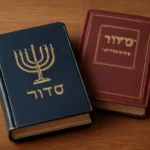
Choose a well-structured Siddur (Jewish prayer book) that matches your tradition. A good Siddur provides transliterations for non-Hebrew readers and notes on pronunciation and meaning.
Learn the order of the daily services: Birkat Hashachar, P’sukei D’Zimra, Shema, Amidah, Aleinu, and the concluding blessings.
Set a comfortable pace. It is better to recite with calm intention than to rush through complex liturgy without connection.
Engage with the meanings
Read brief translations or commentaries to understand the meaning of each blessing or verse.
Reflect on how the themes apply to your day and your responsibilities to others.
Ask questions: Which prayers speak to your life today? Where would kavana deepen your experience?
Practice with intention
When reciting the Shema, pause to consider your commitment and how you live out the oneness of God in your actions.
During the Amidah, identify one or two personal supplications or thanks that embody your current situation.
In times of difficulty, consider adding a personal selichot or confession to acknowledge mistakes and to seek improvement.
Varieties across Jewish traditions: How communities shape prayer life
Across the Jewish world, traditions influence how prayer is practiced, taught, and experienced. The core structure of Shacharit, Mincha, and Maariv remains recognizable, but the emphasis, language, and liturgical additions can differ significantly. Here is a broad overview of how prayers can vary by tradition:
Orthodox communities
Prayer is typically conducted with a minyan (except on certain personal occasions), and the service for men and women may differ in seating and order in some communities.
The Amidah remains the centerpiece of the service, with the same general structure but with pronunciation traditions (e.g., Ashkenazi, Sephardi, or Mizrahi tropes).
Pronunciation and cantillation (trop) follow traditional modes, with particular vowels and trop signs guiding the chanting of scripture.
Conservative and Reform communities
These communities often place greater emphasis on inclusion, prayer language, and accessibility. Some services use English or bilingual siddurim, with transliterations for those less familiar with Hebrew.
In Reform and Reconstructionist settings, there may be a more egalitarian approach to gender roles in participation, and some liturgy may be adapted to reflect modern sensibilities while preserving core themes of praise, thanks, and supplication.
Many congregations invite congregational singing and instrumental music as a regular feature in Sabbath and festival services.
Sephardi, Mizrahi, and other communities
Prayer music, melodies, and textual variants reflect a rich tapestry of liturgical traditions influenced by geography and history.
Some texts may differ in wording of blessings or include additional piyutim (liturgical poems) that express distinct devotional flavors.
Regardless of tradition, the guiding idea remains the same: prayer shall be a meaningful encounter—between person and God, between individual and community, and between today and the long arc of Jewish prayer history.
Special prayers and occasions: Seasonal, festive, and penitential cycles
Beyond the daily trifold, Jewish prayer life includes a spectrum of special prayers for Sabbaths, holidays, and times of penitence or gratitude. These additions enrich the year and provide specific opportunities to focus on moral and spiritual themes.
Shabbat and Festivals: In addition to regular weekday prayers, Shabbat and festival services may add unique readings, melodies, and certain sections of Scripture appropriate to the day. The sense of rest, holiness, and family gathering is reflected in the liturgy and songs.
Selichot (Penitential prayers) during the pre-High Holiday season emphasize confession, introspection, and a longing for forgiveness.
Hallel (Psalms of praise) on major festivals celebrates God’s saving acts, such as Passover, Shavuot, Sukkot, and other significant days.
Birkat HaChamah (Blessing of the Sun) in some traditions—an occasional blessing honoring astronomical cycles and God’s creation.
These prayers demonstrate how the calendar shapes the content and mood of tefilah. The phrase the prayers shall adapt to the season, inviting worshippers to engage with different dimensions of God’s relationship with the world.
Gifts of language: Terminology and glossaries to guide your study
While reading, you will encounter many technical terms. Here is a compact glossary to help you navigate:
Tefilah — prayer in general; the act of communicating with God.
Siddur — the Jewish prayer book containing the order of services and prayers.
Shema — the central declaration of faith in one God; includes verses from Torah.
Amidah — the central standing prayer with 19 blessings (weekday) or adjustments on Shabbat/holiday.
Shmoneh Esrei — another name for the Amidah, reflecting its traditional 18 (now usually 19) blessings.
Kavanah — intention or focus in prayer; the inner dimension of tefilah.
Minyan — a quorum of ten adults necessary for certain communal prayers.
Aleinu — concluding hymn that proclaims the grandeur of God and the destiny of humanity.
Birkat Hashachar — morning blessings; part of the formal order of Shacharit.
Common missteps and how to approach them thoughtfully
Many new learners struggle with whether to perfect pronunciation, memorize every word, or focus on the sense of the prayers. Here are some friendly guidance points:
Balance accuracy with meaning: Initial focus on understanding the text can reduce frustration and deepen kavana.
Practice gradually: Start with one service (for example, Shacharit) and gradually incorporate the others as you grow comfortable with the flow.
Ask questions: Don’t hesitate to seek guidance from a knowledgeable teacher, rabbi, or mentor about pronunciation, meaning, and proper practice.
Engage with translations and commentary: A reliable translation can illuminate the themes and intentions behind each blessing or verse.
Historical threads: How Jewish prayer came to be in its present form
Prayer in its present form is the product of centuries of development, synthesis, and tradition. Beginning with biblical compositions and temple rituals, evolving through the synagogue-centered life of the diaspora, and culminating in the medieval and modern Siddurim, Jewish prayer reflects a living continuum. Important milestones include:
The emergence of Siddur compendia in the Geonic period and later.
Polarities and harmonizations of liturgy under different Jewish communities, shaping the textual variants you may see today.
Preservation of central formulae in the Amidah and Shema, ensuring continuity with ancient worship while allowing for local language and musical adaptations.
Modern revival and reform movements that reimagined wording or added contemporary readings to reflect current concerns, while often preserving the essential sense of connection to the divine.
Understanding this long history helps explain why certain phrases may sound formal or anthologized in some communities and more contemporary or interpretive in others. Yet the essence remains the same: to offer a dedicated space in which individuals and communities can address God, reflect on moral life, and nourish hope for justice and peace.
Practical sample: a simple, accessible daily tefilah flow
If you are starting today, here is a practical, approachable outline you can adapt. It emphasizes intention and gradual familiarity with the core movements of the service.
Birkat Hashachar — a short set of blessings to start the day with gratitude; reflect on health, strength, and daily opportunities.
P’sukei D’Zimra — a selection of psalms and verses inviting praise and focus; you may skip or shorten as you learn.
Shema — recite the core declaration and the accompanying verses; pause after the verse about loving God with all your heart and soul.
Amidah — choose to recite it slowly; consider a personal request or gratitude that speaks to your life today.
Aleinu — conclude with the final expressions of praise and the desire for God’s sovereignty to be recognized by all people.
With time, you can add the morning blessings, special psalms, and additional readings as they fit your schedule and your depth of study. The goal is consistency and a growing sense of connection, not immediate perfection.
Conclusion: The journey of Jewish prayer and its meaning in daily life
The concept of Jewish prayer shall be understood as a living obligation—an ongoing invitation to align one’s day with higher values, to confess, to praise, to request, and to give thanks. From the first prayers at dawn to the last words of Aleinu, tefilah is a disciplined practice that nurtures moral imagination, communal responsibility, and a sustained relationship with the Divine. Whether approached as a personal spiritual discipline, a communal ritual, or an educational journey for families and children, Jewish prayer offers a rich, enduring framework for shaping a life of meaning.
As you explore the prayers, you will encounter a wealth of language, history, and emotion. The most important takeaway is not simply to memorize phrases, but to cultivate a sense of intention—kavanah—that transforms recitation into relationship, and relationship into action. In this sense, the practice of prayer shall ever be a living tradition, inviting us to live with gratitude, strive for justice, and seek a deeper alignment with the divine will as expressed through the ages by teachers, sages, and everyday worshippers alike.
Appendix: quick-reference glossary
Tefilah
General term for prayer; the act of communicating with God.
Siddur
The Jewish prayer book containing the order of services and individual prayers.
Shema
The central declaration of God’s oneness; includes specific verses.
Amidah (Shmoneh Esrei)
The central standing prayer; sequence of blessings recited during services.
Kavanah
Intent or focus during prayer; the inward dimension of tefilah.
Minyan
A quorum of ten adults required for certain communal prayers.
Aleinu
A concluding prayer praising God and anticipating universal recognition of God’s sovereignty.