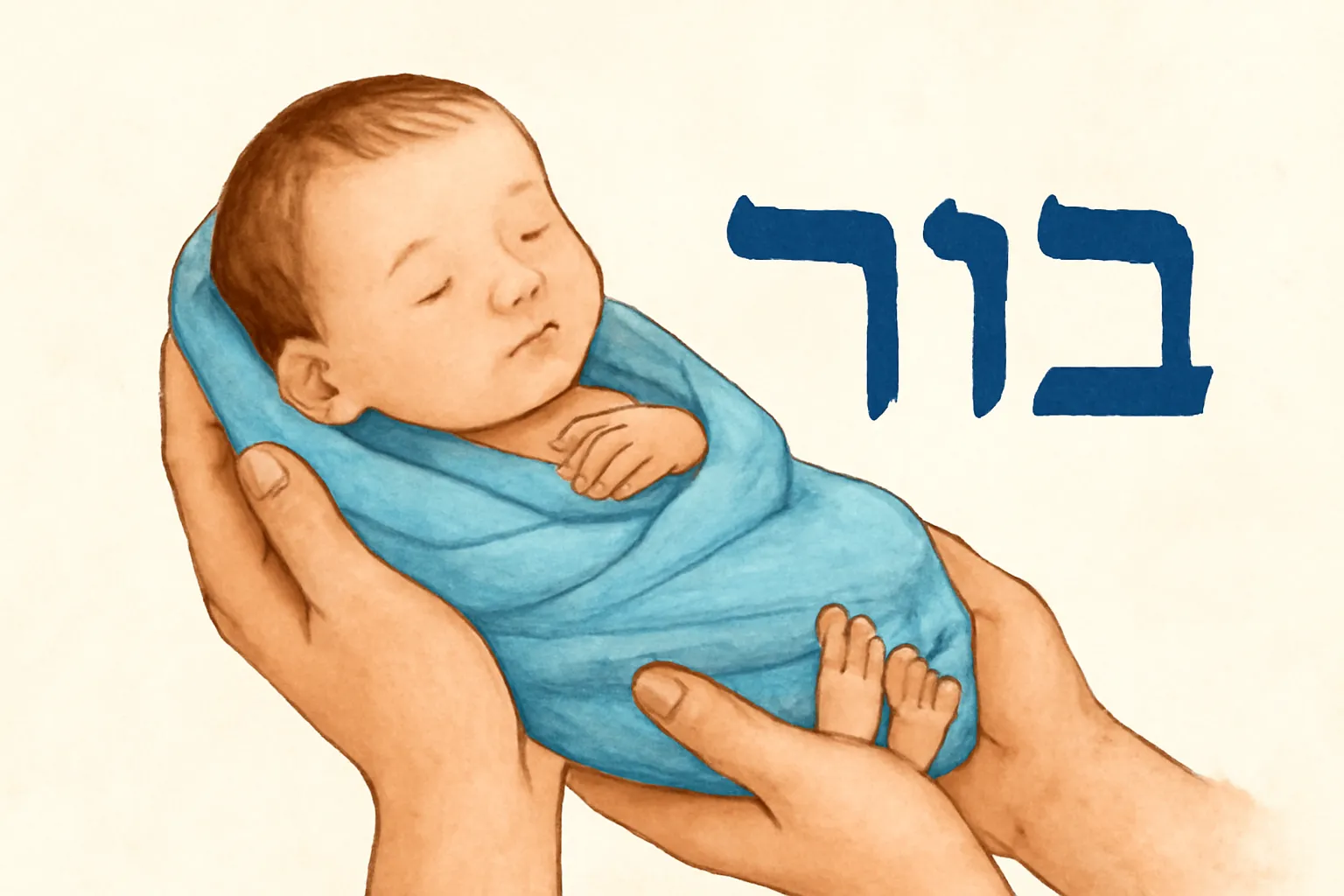
Birth is a cornerstone event in every human life, and in Hebrew-speaking cultures it carries layered meanings that blend biology, language, lineage, and ritual. This article offers an in-depth look at Hebrew birth as a concept that spans ancient texts, linguistic forms, and contemporary family life. By exploring the meaning, history, and cultural significance of birth in the Hebrew world, we gain insight into how a single moment—the arrival of a newborn—can illuminate identity, community bonds, and the continuity of a people.
Meaning and linguistic grounding: how Hebrew names and terms frame birth
In Hebrew, birth is not only a personal transition but also a linguistic and cultural phenomenon. The language provides a compact set of terms that encode gender, responsibility, and genealogical meaning, all of which help communities talk about birth with precision and warmth. Three core facets recur when discussing Hebrew births: the child who is born, the person who gives birth, and the longer arc of lineage that follows.
yeled (ילד) — a boy or male child. This word is the most common expression for a newborn male in everyday speech and in classical texts.
yalda (ילדה) — a girl or female child. The female newborn is identified with this term in ordinary usage and in liturgical and cultural contexts.
yoledet (יולדת) — the woman who gives birth; the act of giving birth is captured in this noun with a feminine agentive form. This term foregrounds the birthing woman’s role within the event.
toledot (תולדות) — literally “births” or “generations,” used in biblical and modern Hebrew to denote lineages, descendants, and genealogical narratives. In Genesis and beyond, toledot introduces sections about the origins and offspring of families, linking present births to ancestral roots.
Beyond these terms, Hebrew also uses phrases like birth in the biblical sense or generations and descendants to situate a birth within a larger story. In this sense, toledot is not merely a biological event but a bridge to history, memory, and identity. The vocabulary around birth thus encodes both the immediate reality of a newborn and the long arc of a family’s existence within a community.
Historical threads: birth in Biblical, Rabbinic, and later Hebrew sources
Birth in the Bible: beginnings, lines, and the shaping of nations
The Hebrew Bible treats birth as a profound locus of meaning, often tied to covenants, promises, and the fates of families and peoples. Genealogical sections frequently begin with the word toledot, signaling the arrival of new generations and the transmission of blessings, responsibilities, and names. In many chapters, the birth of a child is the hinge of a story: a son’s birth may inaugurate a dynasty, or a daughter’s birth may prompt a change in family alliances. The Bible’s attention to birth shows that the event is never isolated; it participates in divine plans, human choices, and the unfolding history of the people who speak Hebrew.
In parallel, Hebrew names often encode a sense of birth and lineage. A name may reflect the moment of birth, the circumstances surrounding it, or the hopes the family places in the child. This practice—naming as a way to inscribe meaning onto birth—remains strong in modern Hebrew-speaking communities as well as in traditional settings.
Rabbinic and classical expansion: rituals, law, and commentaries
Rabbinic literature adds layers of interpretation to the concept of birth. While the essential rite of male circumcision, known as Brit Milah, is not about birth itself, it is intimately connected to the child’s entry into the covenant and community. The male child born into a Jewish family is typically welcomed into communal life through this ritual on the eighth day after birth, assuming medical conditions allow. The Brit Milah combines medical timing with symbolic meaning: it marks a child’s first public ritual participation in the Jewish people and lays the groundwork for future religious identity.
For girls, the ritual landscape has always been diverse, reflecting a broad spectrum of customs across communities. While some communities observe a formal naming ceremony for a newborn girl, others honor naming in the synagogue, home, or during a Shabbat or festival setting. The practice of naming—sometimes called a Simchat Bat (joy of a daughter) or simply a naming ceremony—highlights the moment a girl becomes known by her Hebrew name within the family and community. Across centuries, the emphasis on naming reflects a shared belief that a person’s name carries meaning, blessing, and a place within the family’s lineage.
Diaspora and modern Hebrew: birth in a global context
As Jewish communities dispersed across continents, Hebrew birth terminology traveled and adapted. In the Diaspora, Hebrew remained a language of liturgy, study, and family life, while local languages shaped daily conversation. The revival of Hebrew in modern Israel and the growth of Hebrew-speaking communities worldwide brought renewed attention to terms like yeled, yalda, and toledot, integrating ancient conceptions of birth with contemporary medical, social, and legal frameworks. In contemporary usage, birth is discussed with the same reverence for lineage and the same curiosity about the child’s place within a broader story, whether in a hospital, a home, or a community center.
Rituals, milestones, and cultural practices linked to birth
Birth traditions in Hebrew-speaking contexts blend biblical echoes, rabbinic interpretation, and modern family life. They vary by community—Ashkenazi, Sephardi, Mizrahi, Ethiopian, and others—yet share a common emphasis on welcoming the newborn, naming, and integrating the child into the covenantal and cultural life of the people.
Rites surrounding newborn boys
Brit Milah (bris milah) — The ritual circumcision performed on the eighth day after birth, traditionally conducted in a religious ceremony with family and friends. The event often includes the
recitation of blessings, the naming of the child in many traditions, and the sandek holding the infant during the rite.
In some communities, the brit is followed by a celebratory meal and a ritual praise and blessing for the child’s future.
Rites for newborn girls
Simchat Bat or naming ceremony — A ceremony in which a newborn girl is given her Hebrew name and welcomed into the community. The form can range from a simple family event to a formal synagogue or beit midrash setting, depending on tradition and custom.
In many communities, the naming occurs during a Shabbat service or a special prayer service, sometimes accompanied by readings, blessings, and communal song.
Postnatal prayers and blessings—Many families recite prayers for recovery, protection, and guidance as the mother heals and the child grows.
Blessings over the family’s new member—Parents, grandparents, and friends often offer blessings or well-wishes, reinforcing lines of transmission and care for the newborn.
Hospital to home rituals—Some families incorporate household rituals that connect the newborn’s arrival to daily life, such as lighting candles on Shabbat or reciting dedicatory prayers for the child’s health and growth.
Birth as continuity: identity, language, and community
One of the enduring themes in the study of Hebrew birth is continuity. Birth is a moment when a family’s history intersects with its future, and language plays a central role in preserving and transmitting that continuity. The terms described earlier—yeled, yalda, yoledet, and toledot—are not merely dictionary entries; they are living connectors between generations. When a child receives a Hebrew name, the family embeds a piece of heritage into the child’s identity. In a broader sense, naming and birth rituals acknowledge how a community welcomes the next generation while maintaining a sense of shared memory and belonging.
Beyond religious or traditional boundaries, Hebrew birth terminology informs everyday life in hospitals, clinics, schools, and community centers. Medical professionals who speak Hebrew use precise language to describe stages of pregnancy and birth, while families use culturally loaded terms during and after the birth experience. This linguistic bridge helps people communicate not only about physical processes but also about hopes, blessings, and obligations toward the newborn and the family lineage.
Cultural significance: birth as a social and ethical anchor
In Hebrew-speaking communities, birth is a focal point for discussions about family, gender, and community responsibilities. The significance of birth extends into discussions about education, religious observance, and civic life. By recognizing birth as a communal event as well as a private one, Hebrew culture emphasizes the responsibilities that extend from the newborn to the wider community.
Ethical and social dimensions
Stewardship of future generations—Birth is tied to the sense of responsibility for the next generation, including caregiving, education, and ethical development.
Inclusion of every child—Naming and welcoming rituals acknowledge every newborn as a member of the community with a unique identity and potential.
Intergenerational dialogue—The toledot motif invites families to tell stories about ancestors and descendants, creating continuity between past and future generations.
Contemporary variations and practices
Across modern Israel and Jewish communities around the world, birth practices reflect a blend of tradition and contemporary life. While the core elements—welcoming the newborn, naming, and communal blessing—remain, the ways these are carried out have diversified. Some families integrate secular naming ceremonies or hospital-based rituals alongside traditional prayers; others adopt inclusive naming practices that respect diverse family structures. The adaptability of these practices shows how birth rituals can honor tradition while embracing modern social realities.
Language and culture: how Hebrew birth terms shape everyday life
Language is a living archive, and the vocabulary around birth serves as a reservoir of cultural memory. Hebrew’s approach to birth—through precise gendered terms, genealogical language, and ritual descriptors—provides a framework for families to speak about one of life’s most significant transitions with clarity and meaning. The interplay between biblical language and modern usage means that a parent naming a child is participating in a long conversation that stretches back thousands of years, yet remains immediate and personal.
Consider how toledot structures influence storytelling and memory. When a family speaks of the child’s toledot, they are not only stating who was born but also invoking the lineage, characteristics, and stories that accompany kin throughout history. This perspective situates a birth within a lineage, reinforcing a sense of responsibility to preserve and transmit family values, language, and traditions to the next generation.
Practical guidance: navigating birth in Hebrew-speaking communities today
For families, understanding the vocabulary and cultural practices around Hebrew birth can be empowering when planning a birth, naming, or a rite. Here are some practical points that can help families navigate these moments with intention:
Learn the basic terms—Knowing words like yeled, yalda, yoledet, and toledot can help in conversations with healthcare providers, family members, and community leaders.
Decide on naming and ritual preferences—Some families choose formal naming ceremonies; others opt for a simpler home or synagogue welcome. Clarify your preferences early to coordinate with your congregation or community center.
Plan for both traditional and contemporary elements—Many families blend a traditional Brit Milah or Simchat Bat with modern hospital practices and inclusive family rituals, balancing reverence with practicality.
Honor lineage while embracing diversity—Birth and naming practices can be tailored to reflect a family’s heritage and its diverse identities, including interfaith or multi-cultural backgrounds, while maintaining a Hebrew linguistic anchor.
Engage with community resources—Hospitals, rabbinic authorities, educators, and community centers often provide guidelines, educational materials, and support networks that honor the cultural dimensions of birth.
Glossary of key terms for quick reference
To help readers navigate the discussion, here is a concise glossary of the most frequently used Hebrew terms related to birth and early life:
yeled — boy, male child
yalda — girl, female child
yoledet — the woman who gives birth; the act of birth
toledot — births, generations; genealogical line or descendants
Brit Milah — ritual circumcision for a newborn boy on the eighth day
Simchat Bat — naming celebration for a newborn girl
sandek — the honored person who holds the infant during the Brit Milah
Conclusion: the enduring significance of Hebrew birth
From the biblical-era use of toledot to describe generations to the modern hospital room in which a baby is welcomed, Hebrew birth remains a potent symbol of continuity, community, and covenant. The language surrounding birth—its words, rituals, and naming practices—functions as a bridge between past and future, linking ancestors to newborns in a shared human story. Birth in Hebrew contexts thus embodies a unique blend of reverence for tradition and openness to change, ensuring that each child’s arrival is both a personal event and a public statement about identity and belonging.
Whether one is drawn to the quiet beauty of a naming ceremony, the ceremonial weight of a Brit Milah, or the warm simplicity of a family welcome, the Hebrew tradition surrounding birth invites us to consider how a single life can illuminate a people’s history, language, and hopes for the future. In this sense, every newborn—whether called yeled or yalda, whether welcomed with a formal bris or a simple home blessing—becomes a living thread in a centuries-spanning tapestry of birth, lineage, and culture.