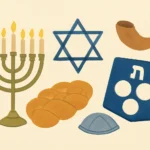
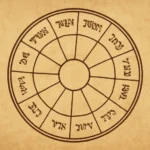
In Jewish tradition, the year is framed by a trio of foundational holidays that connect history, faith, and the rhythms of the land. These are frequently referred to as the three major Jewish festivals, a phrase that signals both their spiritual gravity and their communal, national dimension. This triad is also known in Hebrew as the Shalosh Regalim, meaning the “three pilgrimage festivals” because, in ancient times, the Israelites would travel to the Temple in Jerusalem to offer sacrifices and celebrate together. Today, even as the Temple no longer stands, these three occasions—Passover (Pesach), Shavuot, and Sukkot—continue to shape Jewish life through shared meals, public readings, deep study, and outdoor festivities. The language here highlights three ways of thinking about the same calendar: as a set of holidays to honor liberty and memory, as a dramatic arc of revelation, and as a harvest-and-shelter season that binds people to land, family, and tradition.
The first of the three great holidays, Passover marks the biblical story of liberation from slavery in Egypt. The name Pesach, often translated as “to pass over,” alludes to the ninth and tenth plagues when the Israelites’ homes were spared while the Egyptian houses faced catastrophe. This remembrance has made Passover a turning point in Jewish memory: a festival that honors both a physical deliverance and the birth of a people who would receive a divine covenant.
Origins and Biblical Foundations
In the Torah, the Exodus narrative narrates a multi-stage liberation: a splintering of the bondage system, a dramatic night of miraculous events, and a lifelong charge to remember the deliverance through ritual practice. The commandment to observe Passover is set within the opening portions of the book of Exodus and carried forward in later prophetic and rabbinic writings. The festival formalizes a holiday of liberation, not merely a historical recollection but a living memory that shapes ethical behavior, social justice, and communal responsibility.
Rituals and Practices
Observing the three pilgrimage festivals in today’s dispersed communities takes many forms, but Passover centers on the Seder — a structured order of readings, discussions, songs, and symbolic foods that tell the story of bondage and release. The guiding text for the Seder is the Haggadah, which invites participants to become active participants in the story, asking questions and reliving the journey from slavery to freedom.
Seder night lights, storytelling, and symbolic foods.
Four cups of wine poured at distinct moments to mark each stage of redemption.
Afikomen — a hidden piece of matzah that children search for, turning the evening into an interactive ritual of discovery.
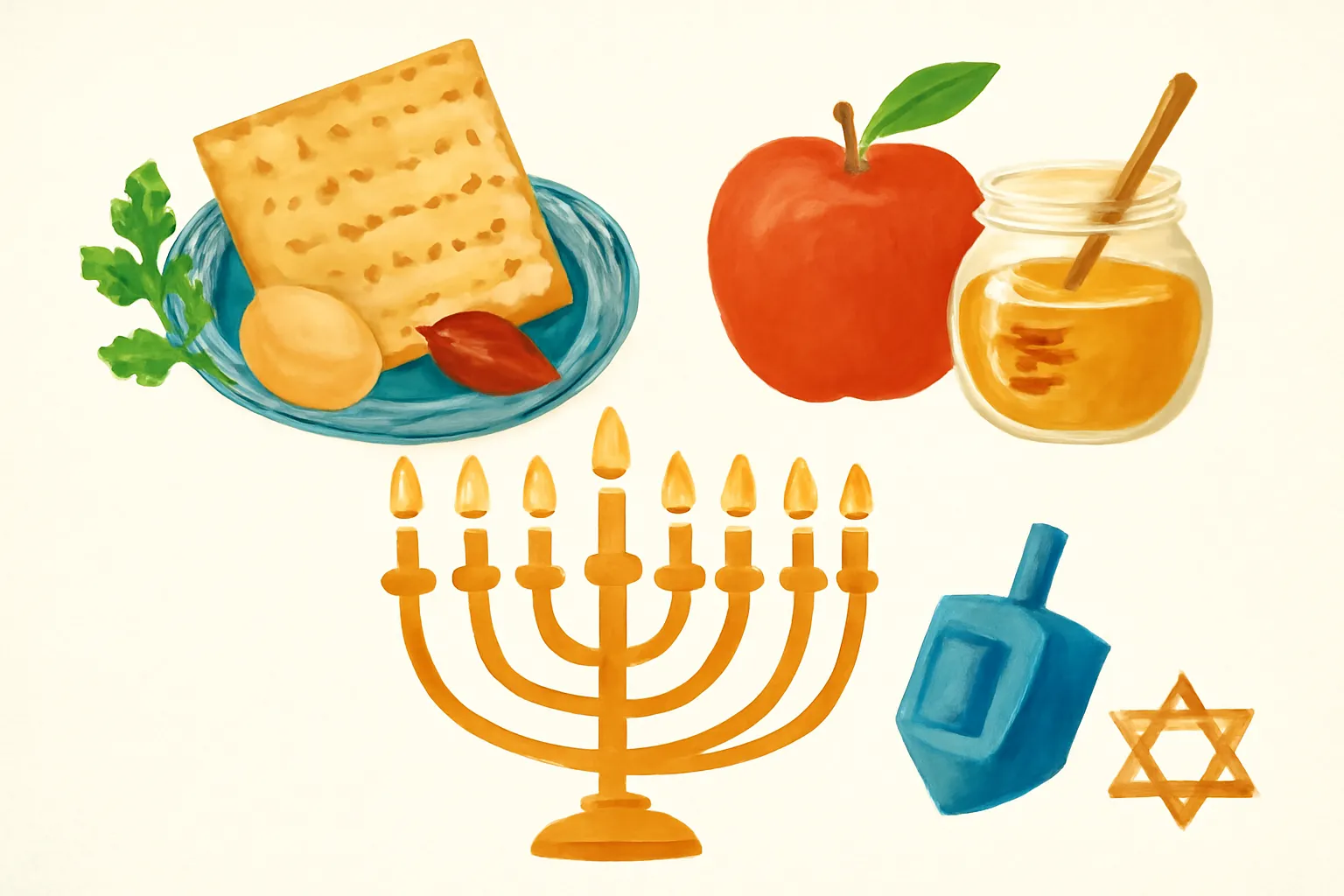
Seder plate with six symbolic items: Zeroa (shank bone), Beitzah (egg), Maror (bitter herbs), Charoset (a sweet mixture representing mortar), Karpas (a vegetable, often parsley), and Chazeret (additional bitter herb).
Chametz and Biur Chametz — the removal and burning of leavened products to emphasize purification and humility before renewal.
Elijah’s Cup — a ritual cup poured for the prophet Elijah as a sign of hope and future redemption.
In contemporary practice, families that keep a strict oven-to-table observance may adapt the Seder to suit their community’s needs, but the core idea remains: to teach the young and remind the old that freedom is a moral imperative, not only a historical memory. Another layer of meaning comes from the timing in Nisan, the first month of the Jewish calendar, which anchors Passover in a cycle of renewal and pilgrimage that continues to shape Jewish identity across generations.
Beyond the Seder, large portions of the festival emphasize retreat from chametz, symbolizing humility before a higher purpose. Families sweep away bread and leavened products, a ritual act that becomes a practical metaphor for eliminating moral or spiritual “leaven” from one’s life. For many, the festival also becomes a time to connect with neighbors and the broader community through shared meals, charitable acts, and hospitality.
Shavuot — The Festival of Weeks and Revelation
Shavuot, sometimes called the Festival of Weeks, occupies a special place among the trio of pilgrim holidays. It marks the revelation of the Torah at Mount Sinai and serves as the culmination of the counting of the Omer, which begins on the second night of Passover and ends seven weeks later on Shavuot. In this sense, the three great holidays form a chronological arc: from the experience of emancipation to the zenith of divine disclosure and, later in the year, to the harvest and the sheltering harvest festival of Sukkot.
The biblical basis for Shavuot lies in the agricultural calendar as well as the spiritual calendar. In the land of Israel, Shavuot is tied to the grain harvest and the first-fruit offerings, reflecting a deep synergy between people, land, and covenant. The festival’s theological center is the reception of the Torah at Sinai, an event that codifies a communal life shaped by divine instruction, ethical law, and a shared sense of responsibility to one another.
Rituals and Customs
The liturgical heart of Shavuot combines study, reading, and refined dairy-focused symbolism. In many communities, the night before or during Shavuot is devoted to all-night Torah study, a practice known as Tikkun Leil Shavuot. The idea is to “repair the night” by engaging deeply with sacred texts, commentaries, and Jewish thought. Dairy foods are widely consumed, a custom that carries multiple interpretations:
Dairy foods (cheesecake, blintzes, soft cheeses) symbolize the “milk of Torah” and the sweetness of revelation.
Symbolic foods such as milk and honey dishes are enjoyed, often with a focus on taste and memory, reflecting the Torah’s “sweetness.”
Torah readings span several sections, with a traditional emphasis on the Book of Ruth, read during Shavuot to reflect conversion, humility, and the universal invitation of Jewish peoplehood.
Two loaves of bread, referred to as Shtei HaLechem, are brought in the synagogue as a symbol of the first-fruit offerings and the abundance of the land.
First fruits (Bikurim) and the agricultural dimension remain celebrated in places with a link to agricultural life, tying Shavuot to the annual cycle of growth and gratitude.
Shavuot also invites reflection on the moral code embedded in the Torah: how a people bound by covenant can live together with justice, compassion, and responsibility. In the diaspora, visibility of Torah study and learning is often enhanced by communal learning events, lectures, and special Torah portions read on Shavuot mornings. The festival’s timing, seven weeks after Passover, creates a bridge from exodus to covenant, from exodus to revelation, and from bondage to a divine agreement that still shapes Jewish communal life today.
Sukkot — The Festival of Booths and Harvest
The third major Jewish festival in this triad, Sukkot, gathers the themes of shelter, gratitude for harvest, and communal celebration. It is often described as a festival that invites vulnerability and hospitality: a time to dwell in temporary structures (sukkot), to rely on a larger community for sustenance, and to acknowledge the fragile, beautiful shelter that accompanies life. Sukkot completes the seasonal cycle that runs from spring through autumn and connects agricultural abundance with spiritual gratitude.
Origins and Biblical Background
The biblical books describe Sukkot as a late-fall harvest festival and as a reminder of the Israelites’ wandering in the wilderness. The Sukkah (the temporary dwelling) is a central symbol, representing both vulnerability and faith. The commandment to dwell in temporary shelters during the festival echoes a historical memory and a social ethic: welcome guests, provide shelter, and live simply for a period of days. The festival is also intimately connected to the land and harvest season, emphasizing gratitude for the fruits of the season and the ongoing cycles of nature.
The Sukkah and the Four Species
A defining feature of Sukkot is the Sukkah, a hut-like shelter with at least three walls and a roof made of natural materials. Families eat and sometimes sleep in the sukkah, turning the shelter itself into a study in hospitality and dependence on divine protection. A parallel rite involves the Arba Minim, the four species: Lulav (palm branch), Etrog (citron), Hadassim (myrtle), and Aravot (willow). The waving of the Four Species during prayer services symbolizes unity and gratitude for the diversity of creation.
Sukkah — a temporary dwelling that can be as simple as a few boards and branches.
Lulav, Etrog, Hadassim, Aravot — the four species whose ritual waving unites community and land.
Simchat Torah and Shemini Atzeret — two important holidays that are observed at the end of the Sukkot season, each with its own distinct prayers and customs.
Hoshana Rabbah — the seventh day of Sukkot, marked by special prayers and wishlist-like processions around the synagogue, emphasizing supplications for a good year ahead.
The Sukkot experience culminates in two closely linked holidays: Shemini Atzeret and Simchat Torah. These days mark the completion of the annual Torah reading cycle and invite renewed engagement with sacred texts. In the homeland of Israel, many communities observe these days with added solemnity and joy: synagogue services, processions, and celebrations that emphasize the unity of the Jewish people and the shared responsibility to nurture the next generation of learners and leaders.
Across the globe, the three pilgrimage holidays take on local flavors while retaining their core meanings. Families may celebrate with shared meals inside a sukkah, offer hospitality to guests, or participate in community-wide fesitivities that blend ancient rituals with contemporary practice. The interplay of shelter, harvest, and revelation within these three festivals—Passover, Shavuot, and Sukkot—forms a powerful set of spiritual and cultural lessons: the call to freedom, the gift of divine guidance, and the responsibility to live gratefully and generously within a community.
Collectively, these three major Jewish festivals offer a seasonal journey: from liberation and memory, to revelation and covenant, to gratitude for abundance and shelter. They also reflect the enduring idea that Jewish life is not only about belief but about practice—sharing stories, studying sacred texts, cultivating gratitude, and welcoming others into the spaces we create. The diversity within the celebrations—from the Seder table’s storytelling to the open-air meals in a sukkah—speaks to a people who value both meticulous ritual and warm hospitality.