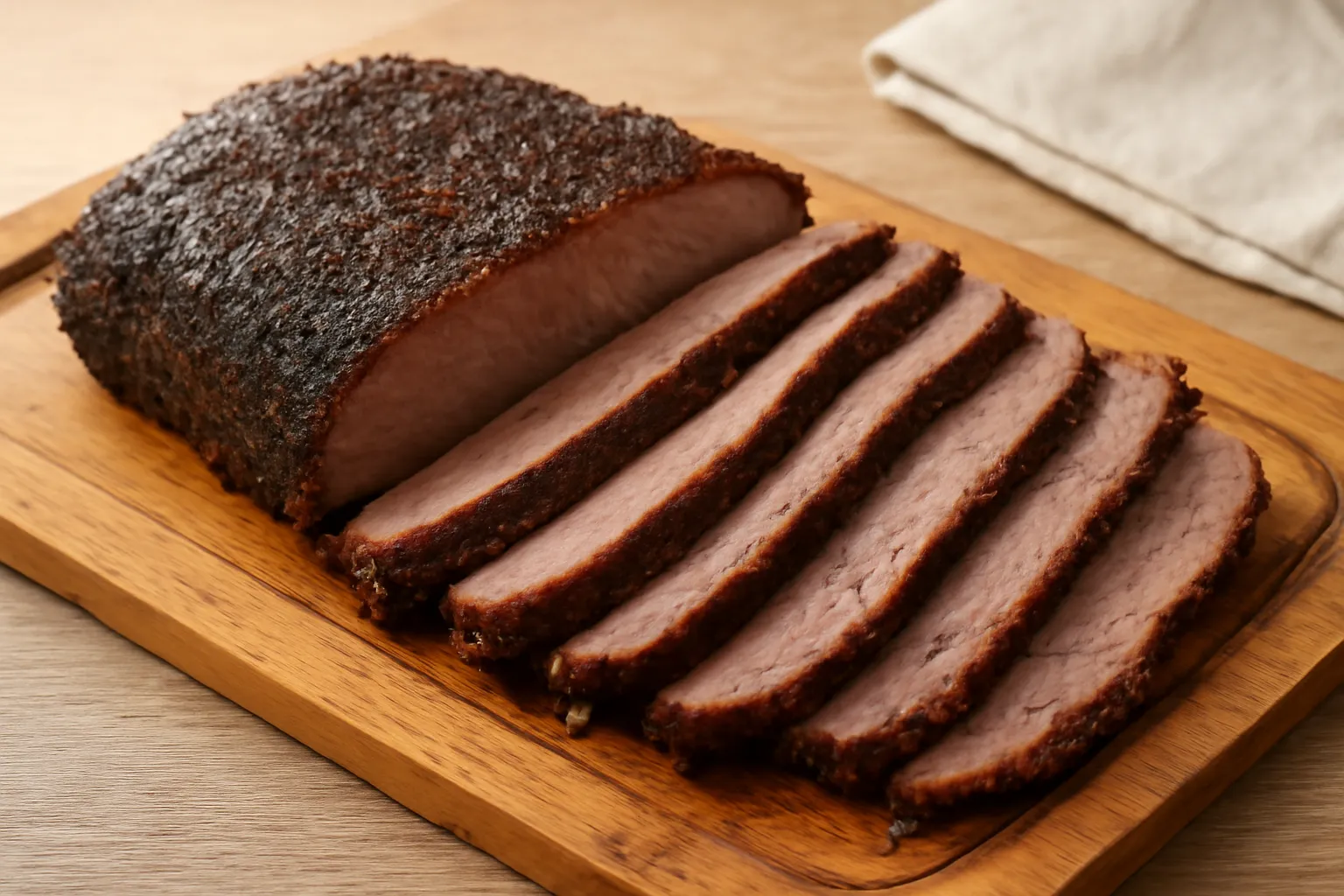
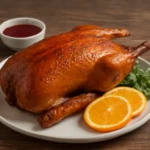
Brisket Kosher Recipe: Easy, Tender Brisket for Any Table
Brisket is a classic centerpiece for family gatherings, Shabbat dinners, and special occasions. When prepared with a kosher-friendly approach, it becomes not only delicious but also aligned with traditional dietary guidelines that emphasize separation of meat and dairy and humane, meticulous preparation. This article offers a comprehensive, practical guide to making a brisket kosher recipe that is easy to execute, reliably tender, and adaptable to a range of tables and occasions. You’ll find expert tips on selecting the right cut, crafting flavor profiles, and choosing the cooking method that suits your kitchen, time, and equipment.
Whether you are cooking for a busy weeknight, a Shabbat dinner, or a festive holiday spread, the goal is a juicy, flavorful brisket with a deeply developed sauce or gravy, complemented by sides that respect kosher cooking principles. You’ll also discover multiple variations to suit different tastes and occasions, from classic braised brisket to modern twists like coffee-kissed rubs or tomato-based braises.
Understanding Brisket and Kosher Cooking Principles
A brisket is a cut from the chest of a cow, known for its toughness when raw but transforming into a wonderfully tender dish through slow, moist cooking. In a kosher kitchen, several principles guide preparation:
Meat and dairy separation is essential. Do not combine meat with dairy ingredients, cookware, or serving vessels that have been used for dairy without proper cleansing.
Use kosher-certified ingredients and avoid non-kosher additives. If a product contains meat, it should bear kosher supervision if you require strict compliance for your household.
Choose kosher salt or other salt varieties labeled as such to season the meat, especially during a dry brine phase.
Keep utensils and surfaces dedicated to meat preparation, and avoid cross-contact with dairy or pareve foods unless you clean thoroughly.
From a cooking perspective, brisket responds exceptionally well to slow, low-temperature methods that render connective tissue (collagen) into gelatinous richness. The addition of aromatics such as onions, garlic, and herbs helps build depth, while acidic elements (like wine or tomato) can brighten flavors without compromising a kosher-friendly approach.
Understanding the two common brisket cuts helps you plan texture, trim, and cooking time:
Flat cut (also called the first cut) yields a leaner piece with a uniform thickness. It’s easier to slice thinly after cooking and presents an elegant, neat appearance on the plate.
Point cut (also known as the deckle or second cut) is fattier and delivers more flavor through marbling. It’s excellent when you want a richer finished braise, but it may require a bit more trimming and longer cooking times to become tender.
When shopping for a kosher brisket, look for a piece with even marbling and a manageable size for your oven or slow cooker. If you’re unsure, ask your butcher for guidance on trimming and whether the cut you choose is the flat or point portion. For many cooks, a 4–6 pound piece offers a versatile balance of meat-to-sauce ratio and is widely suitable for bake-and-braise methods.
Prep and Flavor Foundations: Dry Brine, Rubs, and Aromatics
Flavor development starts before heat touches the meat. In a kosher kitchen, you can rely on savory, aromatic ingredients that build a deep, comforting profile without dairy. A typical clean, flexible approach includes:
Dry brine with kosher salt to enhance surface flavor and promote moisture retention during braising.
Simple spice rubs or marinades that incorporate black pepper, paprika, garlic powder, onion powder, and dried herbs.
Aromatics such as onions, garlic, carrot, celery, and bay leaves to provide a layered foundation for the braising liquid.
Optional acidic elements (crushed tomatoes, red wine, or a splash of beef stock) to brighten the sauce and help tenderize the meat.
Important note for kosher cooks: ensure all ingredients are dairy-free when pairing with meat. If a recipe uses wine or other alcohol, verify that it’s allowed in your kitchen according to your own level of observance or guidance from a rabbi or community authority.
Preparing the Brisket: Step-by-Step
Below is a reliable, step-by-step workflow that can be adapted to oven braising, slow cookers, or pressure cookers. Each method yields a tender, flavorful brisket with a luscious sauce.
Trim excess fat from the surface while leaving a thin layer for flavor. Some cooks trim the top fat cap completely; others leave a small layer for moisture and richness. This is optional and depends on your preference and the cut.
Dry-brine with kosher salt for at least 30 minutes and up to 24 hours in the refrigerator. A longer dry-brine improves surface flavor and helps retain moisture during braising.
Season the meat with a rub that includes black pepper, paprika, garlic powder, onion powder, and a pinch of brown sugar if you like a touch of caramelization. For a more robust flavor, add dried thyme or rosemary in small amounts.
Sear (optional but recommended) the brisket on all sides in a hot pan with a small amount of neutral oil to enhance Maillard browning. This step creates a flavorful crust that carries into the braise.
Arrange aromatics (onions, garlic, carrots, celery) in the braising vessel. Place the brisket on top of the aromatics to form a flavorful base.
Add braising liquid (beef stock, a splash of red wine, tomato product or paste, and optional herbs) to come about halfway up the sides of the meat. The liquid should surround the brisket but not submerge it completely, allowing the surface to braise and develop depth.
Cover and cook via your chosen method. Low, slow cooking is key to tenderness, while a covered pot preserves moisture and concentrates flavors.
Cooking Methods: Oven Braise, Slow Cooker, and Instant Pot
Different homes have different equipment, and each method can yield a distinct texture and flavor profile. Below are reliable approaches with practical guidance.
Oven Braise (Classic)
Preheat oven to a steady 325°F (165°C).
Transfer the seared brisket and aromatics to a heavy pot or Dutch oven with a tight-fitting lid.
Pour in braising liquid until it comes about halfway up the meat. You can add a little tomato paste for depth, and a few fresh herbs if desired (in dairy-free form).
Bring to a gentle simmer on the stovetop, then cover tightly and transfer to the oven.
Cook for 3 to 4 hours, depending on thickness, until the meat is fork-tender and the connective tissue has broken down.
Remove from oven, let rest for 15–20 minutes, then slice against the grain. Spoon the sauce over the slices for serving.
Tips: If the braising liquid has reduced too much, you can add a bit more stock to keep the surface moist. For a richer glaze, simmer the sauce uncovered after removing the meat to concentrate flavors.
Slow Cooker Method
Layer aromatics in the bottom of the slow cooker.
Place the browned brisket on top and pour in stock or a wine-based braising liquid.
Cook on low for 8–10 hours, or on high for 4–6 hours, until the brisket is tender.
Remove the meat, rest briefly, and slice. Use the remaining liquid as a base for a quick gravy or serve as is.
Tips: If your cooker runs hot, check the brisket around 6–8 hours to prevent overcooking. You can thicken the sauce by simmering it in a separate pan with a cornstarch slurry if desired (ensure no dairy is added to the slurry).
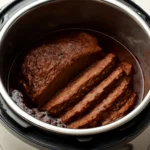
Instant Pot / Pressure Cooker Method
Sear the brisket using the Sauté function, then remove and set aside.
Deglaze the pot with a small amount of stock or red wine, scraping up browned bits from the bottom.
Return the brisket, add aromatics and braising liquid, seal, and cook on High Pressure for about 60–75 minutes depending on thickness.
Perform a natural release for 10–15 minutes, then finish with a quick release. Rest the meat briefly, slice, and serve with the braise.
Brisket Kosher Recipe Variations
To bring semantic breadth and culinary variety while staying within a Kosher kitchen, here are several variations that maintain the same fundamental approach—slow, moist, deeply flavored meat with a satisfying sauce. Each variation is designed to be dairy-free and adaptable to your table.
Classic Braised Brisket with Onion-Garlic Sauce
Flavor base: onions softened in the braising liquid, with garlic, bay leaf, and black peppercorns.
Liquid: beef stock, a splash of red wine (optional), and tomato paste for color and depth.
Outcome: a deeply savory, almost wine-caramelized sauce that clings to slices of tender brisket.
Coffee-Crusted Brisket (Kosher Style)
Rub: coarse coffee grounds mixed with smoked paprika, brown sugar, garlic powder, onion powder, and black pepper.
Note: keep the coffee in the rub modest so it doesn’t overpower; it adds a subtle roasted bitterness that complements the meat’s richness.
Finish: a slightly glossy, dark sauce built from braising liquid and a touch more tomato paste.
Herb and Wine Braise
Herbs: thyme, rosemary, and a bay leaf bring fragrance; omit wine if strictly avoiding alcohol in your home.
Liquid: beef stock with a small amount of red wine for depth or a purely non-alcoholic grape juice concentrate as a substitute.
Result: a bright, aromatic profile that pairs well with potato kugel or roasted vegetables.
Tomato-Base Brisket
Tomato base: crushed tomatoes or tomato sauce mixed into the braising liquid for a tangy, rich character.
Texture: the sauce becomes slightly thicker, giving a hearty bite that coats each slice.
Pairings: capers or olives can be added in small amounts for a Mediterranean twist (check preference for dairy-free and kosher guidelines).
Sweet and Tangy Apricot Glazed Brisket
Glaze: apricot preserves or a reduced apricot sauce whisked with a touch of vinegar and sweetener (ensure sugar is kosher-certified).
Finish: brush the glaze on the brisket during the last 15–20 minutes of braising or broil briefly to set the glaze.
Tenderness, Texture, and Flavor: Core Techniques
To maximize tenderness and flavor in a kosher brisket, focus on the following principles:
Low and slow cooking breaks down collagen into gelatin, yielding moist slices that hold together rather than drying out.
Searing creates Maillard flavors on the surface, which intensifies the overall flavor of the final dish.
Aromatics form the base of the braising liquid and contribute to the depth of the sauce.
Resting after cooking is essential. Rest for 10–20 minutes before slicing to allow juices to redistribute.
Slicing against the grain ensures tender, easy-to-chew slices; identify the grain direction by checking the surface for the longest muscle fibers and cut perpendicular to them.
Sauces and Sides: Complementing the Brisket
A well-chosen sauce and complementary sides complete the brisket experience. Since this is a dairy-free, kosher-friendly dish, pair it with sides that respect those constraints.
Potato kugel or roasted potatoes—classic, comforting starch that holds up to rich sauces.
Parsnip or carrot purée for a gentle sweetness that echoes the caramel notes in braised meat.
Roasted root vegetables (beets, carrots, turnips) to add color and earthiness.
Braised cabbage or sauerkraut for bright acidity and texture contrast.
Horseradish or a tangy mustard sauce to provide a sharp counterpoint to richness.
For the sauce, you can strain the braising liquid, skim any fat, and reduce it to a glossy glaze. A simple drizzle sauce of reduced braising liquid is often enough to finish slices, with the option to whisk in a small amount of dairy-free butter substitute if your tradition permits, though dairy is typically avoided with meat in a strict kosher kitchen.
Make-Ahead, Storage, and Reheating Tips
Brisket is an excellent make-ahead dish because the flavors intensify as it rests, and the leftovers are incredibly versatile. Here are practical tips for planning and storage:
Make ahead by braising the brisket a day or two in advance. It often tastes better the next day as flavors meld.
Refrigeration stores meat for 3–4 days in a sealed container. Store the braising liquid separately to reheat as a sauce.
Freezing works well for cooked brisket and braising liquid; freeze in portions for easy future meals. Thaw in the refrigerator before reheating.
Reheating should be gentle to avoid drying. Reheat in a covered dish in a low oven (or on the stove with a splash of broth) until warmed through, then re-glaze if desired.
Serving Suggestions and Presentation
Presentation matters, especially when serving brisket as a centerpiece. Here are tips to elevate your table:
Slice against the grain for tenderness, then fan the slices for an elegant display.
Provide glossy sauce on the side or lightly spoon the sauce over the slices to maintain moisture.
Arrange with color: place brisket slices on a bed of roasted vegetables, with fresh herbs on top for visual appeal.
Offer kosher pickles or a tangy cranberry chutney as a bright, palate-cleansing complement.
Common Pitfalls and How to Avoid Them
Even experienced cooks encounter hurdles. Here are frequent issues and practical fixes:
Dry brisket — fix by ensuring enough braising liquid, cooking time is sufficient, and letting the meat rest before slicing.
Over-seasoned surface — balance salt in the dry brine by tasting the braising liquid as you go and adjusting with additional stock if needed.
Uneven tenderness — choose a uniform piece and consider cutting the meat to expose several muscle fibers to the braising liquid for even tenderness.
Grain direction confusion — take a moment to identify the grain before cooking; this saves frustration when slicing after braising.
FAQs: Quick Answers for Brisket Kosher Cooking
Can I use a fattier point cut for a more flavorful brisket? Yes. The point cut is naturally fuller in flavor due to fat marbling, but it can require longer braising to reach optimal tenderness.
Is it necessary to sear the brisket? Searing is optional but highly recommended for added depth of flavor and an appealing crust.
What if I don’t have wine or alcohol? Use beef stock or a non-alcoholic grape juice mixture as a substitute. The flavor will still be rich and satisfying without alcohol.
How do I know when the brisket is tender? A fork should slide through the meat with little resistance, and you should be able to cut with ease across the grain.
How long can I keep leftovers? Up to 3–4 days refrigerated or several months frozen, provided the meat and sauce are stored properly in sealed containers.
Conclusion: A Robust, Kosher Brisket for Any Table
With the right approach, a brisket kosher recipe can transform an inexpensive cut into a centerpiece that draws admiration, regardless of the occasion. The combination of careful selection, methodical preparation, and thoughtful flavoring yields a dish that is both comforting and sophisticated. By embracing the core principles of kosher cooking—meat-and-dairy separation, careful ingredient choices, and respect for dietary guidelines—you can enjoy a tender brisket with a luscious, savory sauce and a profile that suits a wide range of palate preferences. The variations described here provide a practical palette—whether you’re aiming for a classic, a modern twist, or a crowd-pleasing glaze, you can tailor the technique to your kitchen, your schedule, and your table. Happy cooking, and may your brisket bring warmth and togetherness to your next gathering.