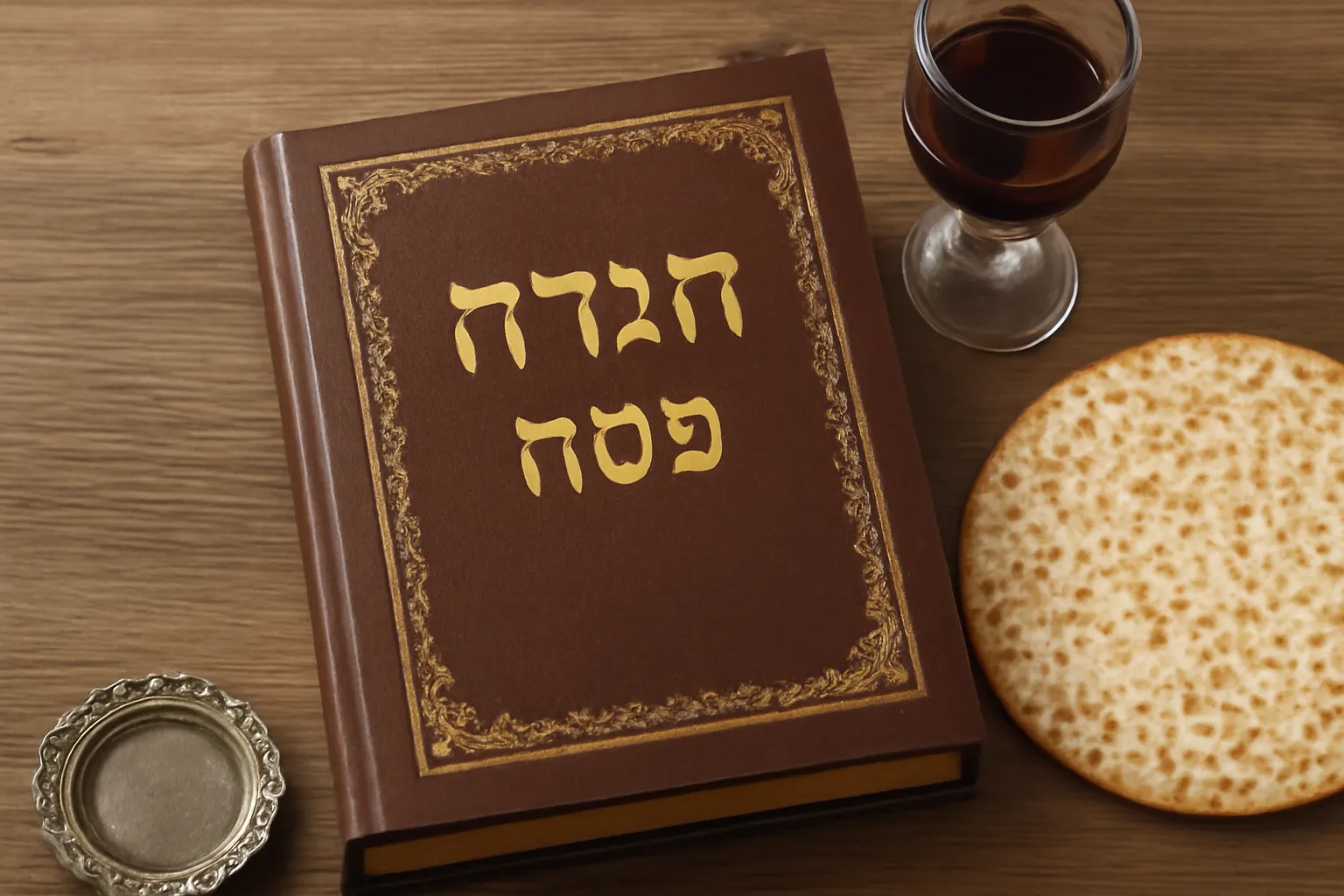
Welcome to a comprehensive exploration of the Haggadah Pesach, the living, breathing guide that accompanies every Passover Seder. This article presents an in-depth look at the traditional text, its history, its structure, and how to adapt it for modern households while preserving the core meanings of liberation, memory, and renewal. Whether you are a first-time host or a seasoned scholar, this guide aims to illuminate the ritual layers, symbolic foods, and the ways in which every generation can add its voice to the telling of the Pesach story.
The word Haggadah comes from the Hebrew root h-g-d, meaning “to tell” or “to declare.” In Jewish practice, the Haggadah is the liturgical text that prescribes not only the content of the Pesach seder but also the way in which the story of redemption is told, questions asked, and traditions enacted. It is a guide to storytelling as a communal, participatory act. Importantly, the Haggadah Pesach is not a single fixed tome; it is a broad genre that includes classic rabbinic redactions, medieval commentaries, and contemporary adaptations that respond to the needs of diverse communities and modern circumstances.
A brief history: how the Haggadah evolved
The origin of the Haggadah Pesach lies in the ancient practice of retelling the Exodus narrative when the Jewish people celebrated freedom from slavery in Egypt. Over centuries, scribes and scholars expanded the text, weaving in liturgy, poetry, and philosophical reflections. The Ashkenazi and Sephardi families developed slightly different orders, melodies, and customs, while various Mizrahi and Ethiopian communities added their own musical cadences and interpretive layers. In modern times, publishers have produced bilingual editions, children’s Haggadot, digital formats, and inclusive versions that welcome interfaith households and people with diverse abilities. Across all these variations, the underlying aim remains the same: to enliven the memory of liberation and to teach that the struggle against oppression is ongoing and personal.
The core structure of the Pesach seder
At its heart, the Pesach seder unfolds in a defined sequence known as the order of the seder. The Haggadah provides this order, guiding participants from sanctification to thanksgiving, and from question to revelation. Below is an overview of the major segments. Within each segment, individual families and communities often insert their own readings, songs, and discussions. The important thing is participation—everyone, from the youngest child to the oldest elder, has a role in the telling.
The order and the key elements
Kadesh — The first cup of wine is sanctified with a blessing, setting the ritual apart as holy time. A reminder that time itself can be turned into a vehicle for memory and meaning.
Urchatz — A ritual washing of the hands without a blessing, symbolizing purification and humility before the sacred meal.
Karpas — A green vegetable (often parsley) is dipped into salt water, symbolizing spring, renewal, and the tears of oppression.
Yachatz — The middle of the three matzot is broken, with the larger piece (the afikomen) hidden for later redemption, inviting curiosity and play for children and adults alike.
Maggid — The centerpiece of the seder where the Exodus story is told, the Four Questions are posed, and the narrative unfolds through scripture, commentary, and song.
Rachtzah and Motzi — Ritual hand-washing, followed by the blessing over bread, which in the seder context uses matzah instead of regular chametz.
Matzah and Maror — Eating of the matzah (unleavened bread) and the bitter herb, which together symbolize both the hardship of slavery and the haste of the exodus toward freedom.
Korech — The “hillel sandwich”: matzah with bitter herbs and charoset, symbolizing the mixing of pain and sweetness in history and in human experience.
Shulchan Orech — The festive main meal, often with traditional foods, festive songs, and shared conversation.
Tzafun — The afikomen is eaten, fulfilling the promise of discovery and tasting the sweet end of the meal.
Barech and Hallel — Grace after the meal, followed by songs of praise and a sense of communal gratitude.
Nirtzah — The closing prayers that reflect on acceptance of prayers and the ongoing hope for peace and redemption.
In practice, many households pause to discuss questions, sing songs, or recite passages that connect the ancient text to contemporary issues—social justice, freedom, and human dignity. The flexibility of the Haggadah Pesach is one of its greatest strengths, allowing each generation to bring its own light into the liturgy.
The sacred symbols: the Seder Plate and the Four Cups
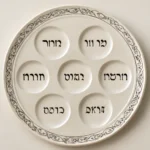
The Seder Plate is a visual map of the Exodus story. Each element carries a specific meaning that helps narrators and listeners connect the past with present experience. While regional customs vary, the plate commonly contains these elements:
Beitzah (a roasted egg) — Symbolizes renewal and the cycle of life, as well as the offerings historically brought at the Temple in Jerusalem.
Zroa (shankbone) — A reminder of the korban Pesach, the Passover sacrifice that was once offered in the Temple and whose memory continues in the ritual.
Karpas — The greens dipped in salt water, representing spring and the tears shed in oppression.
Maror (bitter herbs) — A stark reminder of the bitterness of slavery.
Charoset — A sweet paste of fruit, nuts, and wine, symbolizing the mortar used by Hebrew slaves and, by extension, the sweetness that can emerge from hardship.
Chazeret (often additional bitter herb) — Some traditions add extra bitter herb to deepen the contrast with the sweetness of charoset.
These elements are not merely decorative; they invite discussion, questions, and personal reflection. For families with children, the kitchen table becomes a learning laboratory, where questions like “Why do we dip the vegetable?” or “What does redemption feel like today?” prompt meaningful dialogue.
Growing and learning together: the Four Cups of wine
A distinctive feature of the Pesach Seder is the ritual drinking of four cups of wine (or grape juice) at specified moments in the order. Each cup is connected to a scriptural command to liberation and a blessing over the fruit of the vine. The ritual emphasizes joy, covenant, and memory. In modern practice, some households use non-alcoholic grape juice to accommodate the preferences of families with children, certain health considerations, or personal faith commitments, while others stick to wine with different varieties and flavors.
Afikomen, the storytelling bargain: a closer look at the Maggid
The Maggid—the heart of the seder
The segment known as Maggid is where the narrative unfolds in earnest. It is a living retelling that blends biblical verses, rabbinic interpretation, and sometimes modern commentary. The core tasks of this section include:
Presenting the central Exodus narrative with clarity and reverence.
Introducing the Four Questions that traditionally emerge from the youngest participant, inviting everyone to think about memory, justice, and responsibility.
Offering commentaries that illuminate the moral dimensions of oppression and liberation, emphasizing empathy and action in today’s world.
Creating space for questions, dialogue, and shared learning among generations.
The Four Questions and the theme of curiosity
Historically, the Four Questions were designed to engage the youngest participants—stimulating curiosity and ensuring that the most important themes were explored. In many modern Haggadot, these questions are recited in a bilingual or contemporary-language format, inviting readers to reflect on the differences between slavery and freedom, and to consider what it means to tell the story faithfully across time.
Traditions by community: Ashkenazi, Sephardi, Mizrahi, and beyond
The Haggadah Pesach is not monolithic. It has evolved in diverse communities around the world, each adding its own color, cadence, and interpretive lens. Understanding these variations can deepen appreciation and make the seder more inclusive and meaningful.
Ashkenazi practices
Among Ashkenazi communities, you may encounter specific melodies, readings, and customs such as the inclusion of certain songs, the use of a traditional Seder plate with particular styling, and a frequent emphasis on the narrative arc that foregrounds the experience of exile and the longing for return. The Four Questions are commonly recited in a manner that blends Hebrew with Yiddish-inflected or English translations, reflecting historical language patterns and family heritage.
Sephardi and Mizrahi approaches
In Sephardi and Mizrahi traditions, liturgical phrasing, divrei Torah (torah commentary), and the order of readings may differ slightly. The melodies often draw on ancient courtly or folk traditions, and the readings may emphasize different scriptural verses that highlight faith, endurance, and communal responsibility. In many of these communities, you may also find the use of distinctive spices during the Seder to evoke memory and sensory engagement, or broader festival-day foods that reflect regional agriculture and trade routes.
For the Ethiopian Jewish community (Beta Israel) and other diaspora groups, the Seder may include unique songs, instruments, and prayers in local languages. They often blend traditional Hebrew texts with local languages, ensuring that the story remains accessible while respecting cultural identity. These adaptations demonstrate how the Haggadah functions as a living document, capable of crossing borders while maintaining core values of freedom, dignity, and hope.
The Haggadah as a living text: language, translation, and accessibility
A key strength of the Haggadah Pesach is its adaptability to different languages and levels of literacy. Bilingual editions—Hebrew on one page, translation on the facing page—are widely used in homes and classrooms. Some modern editions integrate commentaries from feminist scholars, liberation theologians, or social justice writers, broadening the interpretive possibilities without sacrificing the essential narrative.
Translations and bilingual editions
Translation helps make the story accessible to guests of all ages and backgrounds. Whether you choose a bilingual Haggadah, a fully Hebrew edition, or a modern English paraphrase, the goal remains to convey the rhythm of the telling, the beauty of the language, and the urgency of the message: to remember, to question, and to strive for a better world.
Digital Haggadot and learning tools
In the digital age, many households supplement the printed Haggadah with online resources, apps, and interactive guides. These tools can offer word-by-word transliteration, audio pronunciation, and options to customize readings for families with children, people with accessibility needs, or guests who speak different languages. The Haggadah Pesach thus becomes not only a book but a dynamic platform for communal learning.
Accessibility and inclusion
Good practice includes preparing materials that are accessible to everyone at the table. Large-print editions, braille-friendly versions, and audio recordings help ensure that all participants can engage with the ritual. Inclusive language in readings and readings that honor diverse family structures—blended families, adoptive families, and LGBTQ+ families—help to keep the ritual relevant and respectful for every participant.
Preparing for the seder: planning, roles, and materials
Hosting a Pesach seder can be a collaborative experience. Proper planning helps reduce stress on the day and enhances the sense of shared ownership among participants. Here is a practical checklist to help you prepare:
Guest list and seating — Plan seating arrangements to encourage conversation across generations and to accommodate dietary restrictions.
Seder plate and ritual items — Be sure to have the Beitzah, Zroa, Karpas, Maror, Charoset, and Chazeret in place, along with a dedicated matzah cover and the four cups of wine or grape juice.
Matza and ritual foods — Confirm you have enough matzah (whole, broken for afikomen, and perhaps spares for children to break teasingly), as well as fresh greens for dipping, horseradish, and traditional charoset ingredients if you prepare it from scratch.
Prayers and readings — Have a printed Haggadah available, plus any bilingual or modern-language editions that suit your guests. If you’re using a digital version, ensure devices are charged and accessible.
Notes for children — If children are present, consider age-appropriate readings, activities, and questions to keep them engaged. A dedicated afikomen task or a simple scavenger hunt around the table can be very effective.
Music and songs — A short playlist of traditional and contemporary Passover songs can enrich the atmosphere and invite participation.
Dietary considerations — Confirm whether any guests follow gluten-free, vegan, or other dietary restrictions, and plan accordingly for the seder meal.
How to host an inclusive and meaningful Seder night
Inclusivity and intention are central to a successful Pesach Seder. Here are some practical tips to host a seder that feels welcoming and meaningful for a diverse group:
Clarify objectives — Begin with a short note about the goals of the evening: memory, learning, generosity, and communal joy.
Invite participation — Encourage participants to read a passage, offer a reflection, or recite a line in the preferred language. Create a space where every voice can be heard.
Adapt readings — Choose readings that resonate with contemporary concerns (freedom, human rights, refugees, equality) while preserving the core Exodus narrative.
Engage children with meaningful roles — The afikomen search, the Four Questions, and simple explanations of each ritual can turn children into co-narrators of the evening.
Respect dietary needs — Make sure there are options for guests with gluten sensitivity, allergies, or other dietary restrictions without compromising traditional symbolism.
Ethical and spiritual themes: liberation, memory, justice
The Haggadah is more than a ritual framework; it is a moral declaration. Across the generations, readers find in the text a call to liberation from oppression, a memory that binds past and present, and a commitment to justice in the world. This means that at the seder table, it is appropriate to reflect on modern echoes of bondage: persecution, poverty, oppression of minorities, or barriers to equal opportunity. The Pesach narrative invites listeners to connect the ancient narrative to present-day compassion and action, ensuring that the work of freedom is never finished.
Key passages, blessings, and traditional phrases
The Haggadah Pesach contains essential blessings and passages that are commonly recited during the seder. While exact wording can vary by edition and tradition, some of the most frequently invoked elements include:
The blessing over the Kiddush (the sanctification of the cup of wine) before the seder begins.
The recitation or reading of the Four Questions that frame the evening’s inquiry.
The recounting of the Exodus narrative and the display of the Seder Plate symbols.
The blessing before eating the matzah and the ritual consumption of maror.
The Korech passage, which unites bitter herbs with matzah in a single bite of memory.
The Hallel songs of praise and the Nirtzah closing prayers expressing hopes for peace and redemption.
Common questions and myths about the Haggadah Pesach
Like any ancient text, the Haggadah Pesach invites questions and clarifications. Here are some common queries and clarifications that can help deepen understanding while maintaining respect for tradition:
Q: Do all Passover Haggadot include the same order? A: Most traditional editions share a core order, but there are variations by community and edition. The essential arc—sanctification, washing, dipping, telling the story, eating the symbolic foods, and concluding prayers—remains consistent.
Q: Can non-Jews participate in a seder? A: Yes. Many households welcome guests of different backgrounds who wish to observe or learn. The experience emphasizes hospitality, mutual learning, and shared values of justice and human dignity.
Q: Is it necessary to recite every blessing exactly? A: The guiding principle is participation and understanding. While traditional blessings are important, modern households often adapt language and form to ensure everyone can engage meaningfully.
Q: Can a seder be shortened or expanded? A: Both options are common. Some families opt for a brisk, text-light seder when guests include young children; others hold a longer, in-depth study with multiple readings and commentaries.
Educational tips: making the Haggadah engaging for learners of all ages
When teaching or exploring the Haggadah Pesach, it helps to approach with a pedagogy that is inclusive, interactive, and multi-sensory. Here are practical ideas to enhance learning and participation:
Use visuals — Images of the Seder Plate elements, maps of ancient Egypt, or contemporary photographs that tie the Exodus theme to current events can provoke discussion.
Involve storytelling — Invite guests to share a personal memory of times when they felt liberated or witnessed resilience in their communities.
Rotate roles — Assign different participants to read a passage, explain a symbol, or lead a song. Rotating roles keeps energy high and everyone connected to the ritual.
Age-appropriate explanations — Provide simplified summaries for children and more nuanced analysis for adults. A layered approach helps everyone learn at their own pace.
Integrate social themes — Connect the Exodus story to issues of modern freedom, humanitarian aid, refugee rights, and social equity, enabling a living interpretation of the text.
Appendix: practical resources for hosts and learners
To support your journey through the Pesach Haggadah, consider these practical resources:
Printed Haggadah editions with bilingual translations and commentary.
Online interactive guides that offer transliterations, audio readings, and discussion prompts.
Audio and video recordings of traditional seders and modern interpretive readings.
Children’s activity books and crafts that tie into the Seder’s symbols and questions.
Accessibility tools such as large-print editions, screen-reader friendly formats, and braille paraphrases.
Final reflections: embracing a living tradition
The Haggadah Pesach is a bridge across time. It connects the memory of ancient oppression with a present-day call to courage, justice, and mercy. It invites families to gather around a table, to tell a story, and to transform memory into action. The seder never truly ends with the last blessing; it continues in the conversations that follow, in the choices each person makes in the year to come, and in the ongoing work to repair the world. By approaching the Pesach with curiosity, hospitality, and reverence, you participate in a tradition that has endured for millennia and remains vibrant in every new generation that sits at the table.