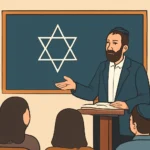
Judaism is one of the world’s oldest living religious traditions, with a history that stretches back thousands of years and a wealth of beliefs, practices, and cultural expressions that continue to shape communities around the globe. This article outlines ten interesting things about Judaism, organized by history, beliefs, and everyday life. Each section explores key concepts, rituals, and social implications, offering a broad understanding of how Jewish life has evolved and continues to adapt. If you are looking for a survey that blends historical context with contemporary relevance, you’ve come to the right place. Here are ten engaging facets of Judaism—the history, beliefs, and traditions that together form a rich and dynamic tapestry.
1. Ancient Origins and the Covenant: The Founding Narrative of Judaism
The story of Judaism begins in the ancient Near East, where a shared set of beliefs and a sense of covenant helped shape a people and their identity. This is not merely a chronology of events; it is the narrative thread that binds Jewish memory, law, and practice across generations. Judaism centers on a monotheistic worldview and a sense of covenant with God that informs how Jews understand their obligations to one another and to the world.
Key elements in this origin story include:
Patriarchs and Matriarchs—Abraham, Isaac, Jacob, and their spouses set early theological and ethical patterns that later generations would expand upon.
Exodus and Sinai—The liberation from Egypt and the revelation at Sinai where the Torah was given helped establish a people with a durable legal and ethical framework.
Migration and Diaspora—Over the centuries, Jewish communities formed across the Mediterranean and beyond, adapting to different languages, cultures, and political landscapes while preserving core beliefs.
For students of political and religious history, this origin story demonstrates how a faith tradition can sustain itself through texts, rituals, and community structures that emphasize responsibility, justice, and memory. The concept of ethical monotheism—the idea that belief in one God carries concrete duties toward others—became a defining feature that distinguishes Judaism from other ancient religious systems.
2. The Torah and Other Sacred Writings: How Jewish Texts Shape Life
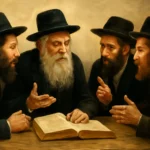
Central to Judaism is the body of texts that guide belief, law, and practice. The cornerstone is the Torah, traditionally understood as the Five Books of Moses, which are supplemented by a vast literature developed over centuries. The Jewish canon includes the Tanakh (the Hebrew Bible), the Talmud (rabbinic discussions and rulings), and numerous commentaries, responsa, and legal codes. Together, these writings form a living archive that informs worship, ethics, and daily conduct.
Key textual layers include:
The Five Books of Moses (Genesis, Exodus, Leviticus, Numbers, Deuteronomy)—the core narrative and legal code that establish the framework for Jewish law and history.
The Tanakh—divided into the Torah, the Prophets (Nevi’im), and the Writings (Ketuvim); it provides historical portraits, prophetic voices, and diverse wisdom literature.
The Talmud—comprising the Mishnah and the Gemara, it is a vast conversation about how to apply Torah principles to real-life situations, ethics, and civil law.
Because Jewish tradition treats the Torah as a living document, interpretation and interpretive communities matter. Different Jewish movements—whether Orthodox, Conservative, Reform, or Reconstructionist—engage with these texts in distinct ways, balancing reverence for tradition with responsiveness to contemporary life. A nuanced understanding of Jewish texts helps explain why Jewish law (the Halacha) can be both fixed in core principles and adaptable in its applications.
3. God, Prayer, and the Shape of Faith: Core Beliefs in Judaism
Judaism invites adherents to contemplate big questions about God, creation, morality, and human purpose. Although vast in diversity, Jewish belief commonly centers on a single, incorporeal God who is just, compassionate, and involved in human history. Ethical monotheism is not merely about belief; it is about how that belief translates into action toward other people and the world.
Monotheism—the belief in one God who created and sustains the universe.
Covenantal relationship—the sense that Jews have a special obligation to uphold justice, mercy, and righteousness in accordance with divine commandments.
Providence and human agency—the idea that God is involved in history, yet humans have the power—and responsibility—to choose good actions.
Wisdom and questioning—a tradition that encourages study, debate, and lifelong learning as paths to growing closer to God and understanding moral duties.
In practical terms, these beliefs shape prayer, ritual, and study life. The daily rhythm of Jewish practice—blessings before and after actions, ritualized times of study, and communal worship—reflects the conviction that life is infused with moral significance and opportunities to repair the world (a concept often expressed in Hebrew as Tikkun Olam, discussed later in this article).
4. Laws, Ethics, and Daily Practice: The Halacha and Everyday Life
One of the most distinctive features of Judaism is its robust legal and ethical system. The term Halacha refers to the comprehensive body of Jewish law that governs nearly every aspect of life—from Sabbath rest to dietary rules, from personal conduct to financial ethics. Although not all Jews follow Halacha to the same degree, its influence on Jewish life is profound across communities and generations.
Highlights of daily practice include:
Shabbat and holidays—the weekly day of rest and the seasonal calendar provide regular opportunities to pause, study, and worship.
Kashrut—dietary laws that delineate what foods are permissible and how they are prepared and consumed.
Charity and social obligation—tzedakah (giving to those in need) and acts of communal responsibility are central virtues.
Ethical speech—laws about speech, including prohibitions on lashon hara (telling harmful or unfounded rumors), promote respectful communication.
Life-cycle laws—rites of passage and ceremonies (brit milah, bar/bat mitzvah, weddings, funerals) structure major transitions in a Jewish life.
Halacha is not static; it has evolved through centuries of rabbinic interpretation. This has allowed Judaism to maintain a coherent ethical framework while adapting to changing social contexts. The balance between tradition and adaptation is a defining feature of how different Jewish communities approach law and practice.
5. Prayer, Worship, and Sacred Space: How Jewish Communal Life Unfolds
Prayer and worship are central to Jewish life, offering a language for expressing gratitude, petition, repentance, and joy. Jewish worship centers on two principal forms: organized communal prayer and personal, private devotion. Together, they create a rhythm of reverence and learning that sustains the community across generations.
Key aspects of Jewish prayer and worship include:
Synagogue life—a communal space where the Torah is read, prayers are recited, and life-cycle events occur.
Liturgical structure—the daily, weekly, and festival prayer cycles have organized structure, with central prayers such as the Shema and the Shemoneh Esrei (the Amidah).
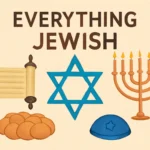
Ritual objects—the tallit (prayer shawl), tefillin (phylacteries), and a synagogue menorah or arks hold symbolic meaning in worship.
Blessings—a vast system of blessings accompanies daily acts, turning ordinary moments into occasions for gratitude and awareness of the divine.
Within this framework, the rabbinic leadership and lay congregants work together to create inclusive, meaningful worship experiences. The balance between liturgical tradition and personal spiritual expression varies by community, but the underlying conviction remains: prayer is a way to connect with God, community, and the inner life of conscience.
6. Holidays, Festivals, and the Jewish Calendar: A Year of Sacred Time
Judaism follows a rich calendar that blends historical memory, agricultural cycles, and spiritual reflection. The annual cycle includes major festivals, weekly observances, and occasional fasts, all of which invite Jews to remember, rejoice, repent, and renew.
Rosh Hashanah and Yom Kippur—the Jewish New Year and the Day of Atonement, focusing on self-examination, repentance, and forgiveness.
Sukkot—the Festival of Booths, celebrating dependence on divine providence and the fragility of human shelter.
Passover (Pesach) and the Haggadah—commemoration of liberation from Egypt, with a symbolic Seder that retells the story with family and friends.
Shavuot—the Festival of Weeks, marking the giving of the Torah at Sinai, often celebrated with study and the eating of dairy foods.
Other important occasions include Hanukkah and Purim, which evoke historical resilience and communal courage through lights, storytelling, and joy.
In addition to these major festivals, many communities observe fast days, daily prayers, and seasonal rituals that deepen spiritual awareness. The calendar thus serves as a dynamic curriculum for moral reflection, family life, and social responsibility, turning time itself into a teacher of Jewish values.
7. Community, Family, and Peoplehood: Diaspora, Israel, and Social Life
Judaism emphasizes peoplehood and community as essential dimensions of faith. Across the centuries, Jews have formed vibrant communities in diverse settings, from ancient city-states to modern metropolises. The idea of a shared destiny—tied to a history of migration, persecution, settlement, and cultural production—has helped sustain Jewish identity even in times of hardship.
Core themes in Jewish community life include:
Family and life-cycle milestones—circumcision (brit milah), coming-of-age ceremonies (bar/bat mitzvah), weddings, and funerals are all anchored in ritual and community blessing.
Diaspora and Israel—while many Jews live outside Israel, the land and its people hold profound symbolic importance, shaping political discussions and religious perspectives alike.
Synagogues, study houses, and social organizations—these spaces foster learning, service, charity, and mutual aid across generations and cultures.
Community life also extends to intergenerational transmission, where elders teach younger members through storytelling, text study, and hands-on traditions. The family becomes a microcosm of the broader Jewish world, reinforcing language, ritual custom, and memory so that ancestors and descendants stay connected through shared practice.
8. Jewish Philosophy and Ethics: Moral Reflections and Social Responsibility
Beyond ritual practice, Judaism offers a deep well of ethical thought. Philosophical debates and ethical discussions have shaped attitudes toward justice, human dignity, and the common good. A recurring theme is the obligation to repair the world, or Tikkun Olam, which motivates charitable giving, advocacy, and social reform across different eras and cultures.
Important ethical concepts include:
Justice and mercy—the tension and balance between laws and compassion, ensuring that justice serves the vulnerable and the common good.
Human dignity—recognition of the inherent worth of every person, guiding issues from speech to treatment of strangers and the marginalized.
Speech ethics—restrictions on harmful speech (like lashon hara) encourage responsible dialogue and the protection of reputations.
Charity and solidarity—tzedakah and acts of loving-kindness (gemilut hasadim) strengthen communities and offer practical help to those in need.
In modern contexts, Jewish ethical reflection engages with debates about democracy, religious freedom, pluralism, and human rights, showing how an ancient tradition remains relevant in contemporary public life. This facet of Judaism—its philosophy and ethics—often inspires scholars and laypeople to explore how ancient laws translate into modern policy and personal conduct.
9. Diversity, Denominations, and Lifestyles: The Spectrum Within Judaism
One of the most striking features of contemporary Judaism is its internal diversity. While all branches share core commitments, there are distinct movements and communities that interpret law, worship, and identity in different ways. This variety is often described as a spectrum of practice and belief, rather than a single uniform approach.
Major categories and dimensions of diversity include:
Orthodox—emphasizes the authority of traditional interpretation of the Torah and Talmud; practice tends to be more formal and community-specific.
Conservative—seeks a middle path that preserves core Halachic frameworks while permitting some modernization in ritual and interpretation.
Reform—prioritizes individual autonomy, ethical principles, and inclusive worship; tends to reimagine traditional rituals to fit contemporary life.
Reconstructionist—views Judaism as a civilization and promotes a modern, human-centered approach to ritual and community life.
Different cultural expressions—Ashkenazi, Sephardi, and Mizrahi traditions reflect geographic and historical contexts, bringing varied liturgies, culinary customs, music, and languages into Jewish practice.
Within these broad categories, there are also diverse practices related to gender, LGBTQ inclusion, language (Hebrew, Yiddish, Ladino), and customs around dietary laws. The modern Jewish world, therefore, presents a dynamic mosaic in which people can connect to Judaism through multiple paths while sharing a common heritage of texts, holidays, and communal life. This pluralism is often celebrated as a strength that allows Judaism to adapt to different societies without losing its essential core.
10. Contemporary Judaism: Israel, Global Presence, and Modern Challenges
Today’s Judaism exists in a global network of communities, institutions, and dialogues. The modern state of Israel, as well as Jewish communities across the world, shapes and is shaped by contemporary political, cultural, and intellectual currents. Jewish life today is marked by both continuity with tradition and lively engagement with new ideas.
Key threads in modern Judaism include:
Israel and diaspora—the relationship between Jewish life in Israel and in other countries influences religious practice, education, and political action.
Interfaith dialogue—many Jewish communities actively participate in conversations with other faiths to promote mutual understanding and peace.
Education and technology—digital platforms, online study, and global networks enable Jews to study Torah, discuss ethics, and support charitable causes across borders.
Challenges and resilience—issues such as antisemitism, security concerns, and identity in a multicultural world require thoughtful responses that preserve safety, dignity, and pluralism.
Judaism’s adaptability is evident in how communities balance reverence for the past with willingness to reimagine practice for the present. Innovations in education, liturgy, and communal life—such as inclusive prayer spaces, modern Hebrew revival, and online learning—illustrate how tenacious traditions can thrive in a rapidly changing world. This enduring vitality makes the study of Judaism both a historical inquiry and a living, ongoing conversation about meaning, obligation, and hope.
Across these ten facets, you will encounter a range of terms and phrases that reflect Jewish life’s complexity. To help readers grasp the breadth, here are a few essential terms in context, with emphasis on their importance:
Torah—the foundational text and guiding framework for law and ethics.
Halacha—the legal system that governs practice and conduct.
Tikkun Olam—a guiding principle of repairing the world through social action and justice.
Shabbat—the weekly day of rest and spiritual renewal.
Kashrut—dietary laws that influence food choices and communal meals.
Synagogue—the central place of communal worship and study.
Brit Milah and Bar/Bat Mitzvah—life-cycle milestones marking identity and passage.
Sephardi, Ashkenazi, Mizrahi—ethnic-cultural strands within Judaism that enrich its global tapestry.
Tanakh and Talmud—primary scriptural and rabbinic sources for interpretation and practice.
In closing, these ten facets—covering ancient origins, sacred texts, beliefs, law, worship, calendar, community, ethics, denominations, and contemporary life—offer a broad panorama of what makes Judaism distinctive and resilient. They show how a faith rooted in ancient revelations continues to guide personal conduct, shape community life, and contribute to global conversations about memory, justice, and meaning. For readers seeking an accessible yet thorough introduction to the subject, exploring these facets can yield a deeper appreciation for interesting things about Judaism—and for how a tradition survives, thrives, and evolves across time.