Jewish People Meet: Connect, Learn, and Build Community
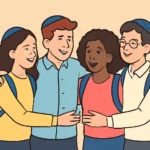
Across continents and centuries, the impulse to connect, to learn, and to build community has shaped Jewish life in countless ways. This article explores how the Jewish people meet in modern times—through synagogues, schools, cultural centers, online spaces, and informal gatherings—and how those encounters foster belonging, education, and shared purpose. Whether you are new to a Jewish community or have been part of one for decades, the patterns described here can help you engage more fully, contribute more meaningfully, and help ensure that the bonds among Jews remain vibrant, diverse, and resilient. We will use several variations of the phrase the Jewish people meet to emphasize the broad range of contexts in which Jewish life unfolds: Jews meet, Jewish communities come together, and the Jewish community gathers, among others. The goal is to illuminate how these gatherings create opportunity, knowledge, and responsibility for the future.
Connect: How Jewish People Meet and Build Networks
“Connect” is the first and perhaps most practical aim of any meeting among Jewish people. Strong connections foster mutual support, shared identity, and collaborative action. In dense urban centers and small towns alike, the Jewish community comes together through a variety of channels—religious, secular, and culturally focused. Below are several pathways that help the community connect in meaningful ways.
In-Person Spaces: Synagogues, Community Centers, and Informal Gatherings
Physical spaces remain central to how Jewish people meet. Synagogues, whether traditional houses of prayer or multi-purpose congregations, often function as community hubs. They host daily and weekly services, study sessions, holiday programs, and life-cycle ceremonies. In many places, community centers offer programming beyond worship: language classes, music ensembles, youth clubs, senior programming, and social events. Informal gatherings—coffee hours after services, Shabbat potlucks, or meetups in parks and cafes—create low-pressure environments where Jews come together to connect on shared interests, celebrate milestones, or simply enjoy companionship.
Study circles that pair learning with social time
Volunteer teams that organize food drives, shelter meals, or community service
Long-standing traditions like candle-lighting, Shabbat hosts, and holiday celebrations that anchor relationships
Digital and Remote Spaces: Online Communities, Social Media, and Virtual Programs
In recent years, the Jewish people meet online in powerful ways. Digital spaces can extend reach beyond geographic boundaries, connecting Jews from different denominations, languages, and backgrounds. Online study groups, virtual minyanim, webinars about Jewish history or ethics, and social platforms focused on Jewish life enable participation from people who might not have easy access to a local center. Online spaces also play a critical role for diaspora communities keeping ties with Israel, or with peers in other countries who share traditions and challenges.
Virtual Hebrew classes and prayer labs that accommodate shift work and caregiving
Discussion forums and moderated groups that foster civil dialogue on complex topics
Streaming services of lectures, concerts, and ceremonies that welcome participants anywhere
Cross-Generational Connections: Youth, Adults, and Elders
One defining feature of vibrant Jewish life is its ability to bridge generations. When the Jewish community gathers, it is often purposeful about linking youth, parents, and elders. Intergenerational programs can include mentorship, leadership training for teens, and storytelling sessions where elders share memories of earlier moments in Jewish history. These connections deepen empathy, preserve memory, and build a durable sense of belonging that endures through life’s changes.
Youth leadership programs that train teens to plan events and support peers
Storytelling circles led by elders for younger participants
Family learning tracks that involve multiple generations in study and ritual
Learn: Education, Texts, and Skills for a Lifelong Jewish Education
A core purpose of gatherings is learning. The Jewish tradition places great emphasis on study—from sacred texts to modern philosophy, from prayer to practical ethics. When Jews meet for learning, they not only gain knowledge; they acquire tools for living with clarity, integrity, and purpose. Below we outline major avenues for learning together across communities.
Language and Lit: Hebrew, Yiddish, Ladino, and Beyond
Languages carry culture, history, and memory. Many communities offer Hebrew language classes that range from beginner to advanced, often paired with opportunities to practice in liturgical or secular settings. Others explore Yiddish or Ladino to reconnect with historical communities and literature. Language learning expands access to prayer, study, and conversation across denominations, enabling Jews to meet in more meaningful ways and to participate in rituals in their original tongue or in new, living forms.
Torah, Talmud, and Textual Study
The study of sacred texts is a central pillar of Jewish life. The Jewish people meet in study circles, text-centric classes, and scholar-led symposiums that explore interpretations of the Torah, Talmud, and post-biblical writings. Courses may focus on a single book, a set of commentators, or a thematic approach—ethics, law, philosophy, or narrative tradition. Participants learn to engage with texts critically, respectfully, and creatively, developing robust interpretive skills that translate into everyday decision-making.
History, Ethics, and Jewish Thought
Beyond the texts, Jewish learning encompasses history and ethics. Programs often address questions of memory, persecution, resilience, and social responsibility. Learning together about the Holocaust, diaspora histories, and the formation of modern Israel helps participants understand contemporary identities and political landscapes. Jewish thought—from medieval to modern—offers frameworks for discussing morality, justice, and community responsibilities in a pluralistic world.
Programs for Lifelong Learning
Most communities recognize that education is not something that ends with a degree or a bar/bat mitzvah. Instead, they create ongoing opportunities such as:
Adult education seminars on topics ranging from Jewish law to modern ethics
Lectures and panels featuring scholars, rabbis, and community leaders
Workshops on arts, music, ritual construction, and cooking that integrate cultural knowledge with practical skills
Build Community: Leadership, Service, and Shared Responsibility
“Build community” goes beyond socializing; it involves collective responsibility, leadership development, and infrastructures that sustain Jewish life. When the Jewish people meet for the purpose of communal building, they create organizations, programs, and cultures that enable people to contribute in meaningful, enduring ways. The following are core components of community-building efforts.
Governance and Volunteer Leadership
Effective communities thrive when members participate in governance and leadership. This includes volunteer leadership for committees, boards, and program directors who guide strategic decisions, budget priorities, and long-term vision. Leadership development often emphasizes inclusive practices, mentorship, conflict resolution, and collaborative decision-making. By empowering a diverse range of voices, a community becomes more resilient and capable of addressing evolving needs.
Philanthropy, Tzedakah, and Shared Stewardship
Philanthropy is a binding thread in many Jewish communities. Participants may engage in structured giving through donor funds, annual campaigns, or communal tzedakah initiatives that respond to hunger, housing, education, and health needs. When the Jewish community comes together around shared philanthropic goals, they model values of generosity, accountability, and stewardship for younger generations and new members alike.
Social Justice, Interfaith, and Global Service
Many communities interpret their responsibility as universal as well as particular. Projects often include tikkun olam (repairing the world) initiatives: food insecurity programs, refugee support, environmental sustainability, and interfaith dialogue. By collaborating with neighbors from other faiths and backgrounds, the Jewish people meet in collaborative service that strengthens civic life and mutual respect. These efforts also help counter isolation, demonstrate ethical leadership, and expand the circle of belonging.
Holidays, Lifecycle Events, and Cultural Cohesion
Rituals surrounding holidays and lifecycle events—births, weddings, conversions, and mourning—provide recurring anchors for community. Planning and celebrating together strengthens social ties and reaffirms shared identity. Communities often coordinate:
Holiday programming that includes music, arts, and youth activities
Life-cycle support for families navigating milestones
Commemoration services that honor memory and continuity
Diversity Within Judaism: Denominations, Traditions, and Identities
The Jewish people meet in a broad spectrum of expressions, from the most traditional to the most progressive. This diversity reflects a long history of adaptation, migration, and innovation. A robust and healthy Jewish community acknowledges and celebrates differences while seeking common ground. The following outlines major strands, communities, and identities that commonly intersect in today’s Jewish landscape.
Denominational Spectrum: Orthodox, Conservative, Reform, Reconstructionist, and More
Different streams emphasize varied interpretations of Jewish law, ritual practice, and community life. Orthodox communities often prioritize traditional liturgy, gender roles, and halacha ( Jewish law). Conservative and Reform movements typically emphasize modern understandings of tradition, inclusive gender practices, and evolving interpretations. Reconstructionist Judaism treats Judaism as a civilization in constant reconstruction, inviting broader participation and new forms of practice. Across these streams, Jews meet to learn from one another, challenge assumptions, and find shared values such as justice, compassion, and the pursuit of meaning.
Ethnic and Cultural Diversity: Sephardi, Mizrahi, Ashkenazi, Ethiopian, and Beyond
Within the broader umbrella of Judaism, communities reflect a rich tapestry of ethnic and cultural identities. Ashkenazi Jews often trace roots to Central and Eastern Europe, while Sephardi and Mizrahi communities bring memories of the Iberian Peninsula and the Middle East, with distinct liturgical traditions, languages, and culinary legacies. Ethiopian Jewish communities, among others, contribute unique rituals, music, and storytelling. When different backgrounds meet, there is opportunity for cross-cultural learning, delicious shared meals, and new forms of ritual life that honor variety while maintaining a sense of common purpose.
Identity, Inclusion, and LGBTQ+ Perspectives
Modern Jewish communities often engage in introspection about identity, inclusion, and belonging. Many groups actively promote LGBTQ+ inclusion and leadership opportunities for diverse voices. They work to ensure that religious expression, gender equality, and accessibility are present in programs, synagogues, and events. The result is a more welcoming environment where the Jewish people meet as equals, partners, and co-creators of community life.
Challenges and Opportunities: Navigating a Changing Landscape
Like any long-running tradition, Jewish life faces challenges and opportunities in the digital age, in diasporic life far from ancestral homelands, and in a society that is both secular and pluralistic. Understanding these dynamics helps communities adapt while preserving core values. Below are key issues that shape how the Jewish community meets today and tomorrow.
Antisemitism, Security, and Digital Vigilance
Antisemitism remains a persistent threat in many contexts. Communities respond with education, advocacy, and solidarity, while also prioritizing safety in physical spaces and online environments. When Jews meet in public settings, they often adopt risk assessment practices, anti-harassment policies, and inclusive codes of conduct to ensure that participants feel safe to learn, worship, and connect. Digital spaces require careful moderation, privacy protections, and the promotion of civil discourse to counter hatred and misinformation.
Secularization and Relevance for Younger Generations
As societies become more secular and diverse, communities face the challenge of staying relevant to younger generations without sacrificing tradition. This often leads to innovative programming: campus outreach, contemporary liturgy, multimedia storytelling, and programs that connect Jewish values to modern social realities. By offering meaningful opportunities to participate, learn, and lead, communities encourage sustained engagement as people grow and change over time.
Sustainability, Economic Realities, and Access
Maintaining synagogues, schools, and cultural centers requires sustained funding and inclusive access. Economic pressures can limit participation, especially in communities with high living costs or shifting demographics. Programs that emphasize affordability, scholarship, volunteer leadership, and collaborative sharing of space help ensure that the Jewish people meet in ways that are accessible to all interested members, not only to those with abundant resources.
Practical Tools and Resources: How to Start, Join, or Deepen Your Involvement
Whether you are moving to a new city, returning after a long hiatus, or simply exploring how to deepen your connection, there are concrete steps you can take to participate effectively. Below is a practical guide to initiating or expanding involvement in Jewish life, as well as a starter kit of resources commonly used by communities as they meet, learn, and build.
To begin or renew your engagement with Jewish life, consider these accessible steps:
Identify a few local spaces where Jews traditionally gather—synagogues, community centers, or cultural clubs—and attend an open event or service.
Join a study group or a family learning program to experience formal or informal learning environments.
Ask about volunteer opportunities that align with your interests—education, food security, youth work, or administration.
Explore online communities or virtual classes to connect if in-person options are limited.
Reach out to a community contact or rabbi, cantor, or coordinator to learn about ongoing programs, calendars, and accessibility options.
Sample Calendar of Events You Might See
Many communities organize a diverse calendar designed to engage people at different life stages. A typical mix might include:
Monthly Shabbat services with study sessions and community meals
Holiday programs—Purim carnivals, Hanukkah concerts, Passover seders, and Sukkot fairs
Youth and family events that combine learning with fun activities
Lectures and panels about Jewish history, ethics, and social issues
Volunteer projects addressing hunger, housing, and education
Directory of Organizations and Platforms
Organizations that help Jews meet, learn, and build include local congregations, Jewish federations, cultural centers, and online platforms that curate programs. Depending on your location, you might explore:
Local synagogues and temples offering programming and services
JCCs (Jewish Community Centers) with multi-denominational programming
Jewish Federations and philanthropic networks supporting community initiatives
University Hillel chapters and Jewish student unions for campus engagement
Online learning platforms and virtual minyanim that connect dispersed communities
Conclusion: The Ongoing Journey of Connection, Learning, and Community-Building
The journey of the Jewish people meet is ongoing, iterative, and deeply human. It is about forming bonds that endure, enriching minds with wisdom and perspective, and sharing responsibility for each other and for the world. Across neighborhoods and online spaces, diverse denominations and traditions converge in moments of welcome, inquiry, and action. When Jews gather to connect, learn, and build community, they not only preserve a vibrant heritage; they also shape a present that invites broader participation, mutual respect, and shared purpose. The article above offers a roadmap for anyone seeking to understand or participate in this vibrant ecosystem. Whether you say, the Jewish people meet in a Shabbat salon, in a Hebrew class, or in a collaborative volunteer project, you are part of a larger pattern—one that values memory, learning, and collective care as the engine of a durable and inclusive community.
Appendix: Quick Reference – Key Concepts and Terms
To support readers who want a compact glossary of ideas referenced in this article, here are concise definitions and notes on terms frequently used in discussions of how Jewish people meet, learn, and build community:
Tikkun olam — The idea of repairing or improving the world through social action and justice.
Tzedakah — Charity or righteous giving as a core communal obligation.
Minyan — A quorum (traditionally ten adults) required for certain Jewish prayer services; also used more broadly to denote a prayer gathering.
Halakha — Jewish law and its practical application in daily life.
Ketuvim and Torah — Textual foundations; Torah refers to the Five Books of Moses, while Ketuvim includes other writings.
Synagogue — A house of worship and a center for communal life, learning, and gathering.
Jewish education — Encompasses Hebrew language, liturgy, history, ethics, and modern topics relevant to Jewish life.
As you explore the many ways in which Jewish people meet, you can imagine countless permutations—each community adapting to its own context while maintaining shared commitments. The art of connecting, learning, and building remains at the heart of Jewish life, guiding individuals toward a sense of belonging while encouraging them to contribute to a more just and thoughtful world.