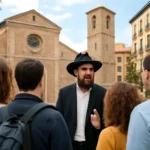
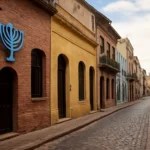
The Jewish South is a vibrant tapestry of communities spread across the Southeastern and Gulf states, with Texas standing as a sizeable pillar of the regional scene. This guide offers an overview of how Jewish life has evolved, where it thrives today, and how newcomers—whether visitors, students, or new residents—can engage with the many facets of a region that blends history, culture, and a growing sense of shared belonging. From major urban centers to smaller, closely knit towns, the Jewish South encompasses a diverse spectrum of traditions, institutions, and experiences. Throughout this article, we will refer to this landscape through several variations to capture its breadth: the South’s Jewish landscape, the Southern Jewish world, and the region’s Jewish communities.
The story of Jewish life in the Southern United States goes back to the colonial era and expands through waves of migration, trade, and American history. Early Jewish households in some Southern port towns and inland settlements often consisted of Sephardic and German Jewish families who came seeking opportunity and religious freedom. As the 19th and early 20th centuries unfolded, German Jewish and later Ashkenazi communities established synagogues, schools, and mutual aid societies that anchored Jewish communal life. The South offered both challenges and opportunities: climates, economies, and social structures varied widely from one city to the next, but shared elements of hospitality, philanthropy, and a strong sense of family life created durable community networks.
The 20th century brought profound changes. In many Southern cities, Jewish residents engaged with local civic life, contributed to civil society, and navigated the complexities of segregation and integration. The mid- and late 1900s saw the consolidation of organized Jewish life through JCCs, federations, and a spectrum of synagogues across denominations. In recent decades, the region has witnessed significant growth driven by economic opportunity, university life, and migration from other parts of the country and abroad. Today, the Southern Jewish world is characterized by pluralism, robust education networks, a lively calendar of Jewish holidays, and a commitment to social justice, learning, and continuity.
Geographic reach: where the Jewish South thrives
The Southern Jewish landscape covers a broad geographic footprint, including the Gulf Coast, the Southeast, and Texas. Different areas emphasize distinct strengths—urban centers with large congregations and schools, resort and retirement hubs with active night-and-day Jewish life, and college towns with dynamic student Jewish programs. Below are some of the key hubs in the Jewish South and the kinds of life you can expect there.
South Florida: Miami-Daport and Broward County
Miami-Dade and Broward Counties host one of the largest concentrations of Jews in the United States. The Jewish community here is extraordinarily diverse, including many traditions: Orthodox, Conservative, Reform, and Reform-leaning communities, plus a substantial modern Orthodox and Haredi presence.
There is a broad ecosystem of kosher markets, synagogues, day schools, summer camps, and vibrant campus life at local universities and colleges.
Life here blends South Florida warmth with cosmopolitan energy, the result of long-standing networks of federations and JCCs that coordinate social services, education, and community programming.
Atlanta, Georgia: a model of pluralistic growth
Atlanta hosts a diverse Jewish South community with strong institutions across denominations, active youth programs, and an ecosystem of Jewish learning.
The city is known for large synagogues, robust day schools, and extensive community services that connect modern family life with tradition.
Atlanta’s network of federations, JCCs, and campus programs serves families of many backgrounds and fosters cross-communal dialogue.
Charlotte, Raleigh-Durham, and the Piedmont
These growing hubs in the Southern Jewish world feature active lay leadership and a blend of traditional and contemporary practice.
Smaller-to-mid-sized cities in the region maintain strong congregations, day schools, and youth groups that anchor Jewish life for local families.
Nashville and Memphis, Tennessee
Across Tennessee, the Jewish South includes historic communities with deep roots and dynamic new energy, including modern congregations, educational programming, and cultural events.
University campuses and local schools contribute to a thriving youth and student programming that keeps community life active across aging generations and new arrivals.
Houston and Dallas-Fort Worth, Texas
Texas represents a significant portion of the Southern Jewish world, boasting large, well-organized communities with a wide array of synagogues, schools, and social service agencies.
In both Houston and Dallas-Fort Worth, the presence of multiple denominations ensures a broad spectrum of religious life, from traditional yeshivas and synagogues to progressive congregations and secular Jewish cultural groups.
New Orleans and the Gulf Coast
The New Orleans Jewish community has a distinctive historical flavor shaped by the city’s cultural blend, with synagogues, kosher eateries, and cultural institutions that reflect the region’s unique history.
Gulf Coast towns with Jewish residents connect to this heritage through regional networks, school programs, and seasonal holidays with local flavor.
Orlando, Tampa Bay, and Central Florida
Central Florida hosts a growing Jewish South presence, supported by campuses, family programming, and a mix of Orthodox, Conservative, and Reform communities.
Tourism-linked communities collaborate with year-round residents to sustain Jewish life in an environment of mobility and seasonal visitors.
Other pockets and emerging centers
Smaller cities such as Birmingham, Birmingham area, and Jacksonville also maintain active congregations and kosher options, contributing to a broader regional mosaic.
Across the region, university towns, coastal communities, and retirement hubs continuously add to the vitality of the Jewish South.
Religious life and education in the South
Religious life in the Jewish South spans a wide spectrum of practice and expression. From traditional synagogues that observe daily minyan and classical liturgy to modern congregations that lean into social justice and inclusive programming, the regional scene is marked by diversity, adaptability, and community resilience.
Denominations and communities you’ll encounter
Orthodox communities and yeshivas, often centered around study and strict observance of ritual law, exist in several metros, with networks of batei midrash, kollels, and rabbinic leadership serving families and students.
Conservative and Reform congregations provide balanced approaches to worship, education, and family life, frequently offering bilingual or multilingual programming, dynamic teen groups, and diverse service formats.
Reconstructionist and other progressive congregations contribute inclusive frameworks for prayer, social action, and communal learning, appealing to interfaith families and unaffiliated Jews.
There are also smaller, independent synagogues and havurot (intentional communities) that emphasize study, shared meals, and close-knit spiritual life.
Educational infrastructure: schools, day schools, and Hebrew programs
Day schools and affiliated yeshivot (where present) provide Jewish day education from preschool through high school, aligning secular curricula with Jewish studies, Hebrew language, and religious instruction.
Hebrew schools and Sunday schools offer part-time learning for younger children and teens, often integrated with youth groups and family education.
Jewish studies in colleges and universities help sustain a higher-education pathway for Jewish students, including Hillel programs, Jewish studies departments, and campus-run Israel-focused programming.
Youth, families, and communal programming
Youth groups such as BBYO and NFTY chapters (where present) connect teens through service, culture, and leadership opportunities.
Family programming, holiday festivals, passenger-friendly Shabbat initiatives, and interfaith outreach efforts help recruit and retain younger generations in the Southern Jewish world.
Senior programming, family continuity programs, and social services are coordinated by federations and JCCs to address a broad age range and diverse needs.
Facilities and spaces: synagogues, JCCs, and cultural centers
Synagogues cover a spectrum from traditional to contemporary in worship style and gender-egalitarian practices.
JCCs (Jewish Community Centers) serve as community hubs for fitness, cultural programming, early childhood education, and adult learning.
Cultural centers, museums, and libraries preserve and present Jewish heritage, local history, and arts programs that reflect the region’s rich tapestry.
Religious life around holidays and lifecycle events
Key holidays such as Passover, Hanukkah, Rosh Hashanah, and Yom Kippur are celebrated with combined worship days, community seders, and family gatherings in many communities.
Lifecycle events—b’rit milah (circumcision), bar/bat mitzvah, weddings, and funerals—are supported by rabbinic guidance and community rituals across denominations.
Education and lifelong learning in the Southern Jewish world
Education remains a central pillar of Jewish life in the South. The region emphasizes early childhood education, Hebrew language learning, Jewish history, and contemporary Jewish thought, all of which contribute to a strong sense of identity and continuity. Below are key components of the educational ecosystem you can expect.
Formal education
Day schools and religious schools provide a structured curriculum that integrates secular subjects with Jewish studies, Hebrew, and religious literacy.
Graduate programs, summer institutes, and adult education initiatives are often organized through synagogues, federations, and university partners.
Teacher training programs and professional development opportunities help maintain high standards of Jewish education across the region.
Hebrew and language learning
Hebrew schools and Sunday Hebrew programs cultivate literacy, prayer proficiency, and familiarity with Jewish texts.
In college towns and larger metro areas, university Hillels offer Hebrew language courses, Jewish studies lectures, and cultural programming that resonates with students and young adults.
Youth literature, camps, and experiential learning
Jewish camps—whether on-site or regional—provide immersive experiences in Jewish living, leadership, and community service.
Youth summer programs and teen leadership initiatives help bridge adolescence with adulthood, fostering lifelong connections to the community.
Culture, cuisine, and everyday life in the South
The Southern Jewish world blends regional culture with Jewish traditions in ways that reflect the region’s diversity. From cuisine that fuses kosher or kosher-adjacent ingredients with Southern flavors to festivals, arts, and music, Jewish life in the South is both distinctive and welcoming.
Cuisine and kosher options
Where available, kosher markets and restaurants support families seeking traditional foods alongside local Southern specialties like barbecue, seafood, and farm-to-table fare adapted to dietary observances.
Communities often host potluck meals, community suppers, and holiday meals that celebrate shared heritage and hospitality.
Culture, arts, and community life
Seasonal arts programs, concerts, theater, and film screenings frequently feature Jewish authors, filmmakers, and performers, enriching the region’s cultural landscape.
Interfaith and community service events highlight a culture of outreach, cooperation, and social responsibility.
Interfaith engagement and regional ties
Interfaith dialogue and joint charitable initiatives are common, reflecting a regional emphasis on social cohesion and mutual respect.
Israel-related programming, advocacy, and solidarity activities are present across denominations, often coordinated by federations, synagogues, and campus groups.
Social services, community organizations, and Israel ties
The Southern Jewish world sustains itself through a constellation of organizations that provide social services, education, and leadership development. The central institutions include federations, JCCs, federation-funded agencies, and a network of philanthropic foundations.
Federations and communal infrastructure
Federations coordinate charitable giving, disaster relief, and community development initiatives across metropolitan areas.
JCCs serve as multipurpose spaces for fitness, culture, early childhood, and Jewish learning—and they become hubs for intergenerational connection.
Service agencies and social welfare
Agency networks provide refugee services, mental health resources, senior programming, and family support, ensuring that Jewish life remains accessible to diverse populations.
Volunteer networks and nonprofit partners amplify the impact of community programs and emergency assistance when needed.
Israel ties and global Jewish life
Israel outreach, Israel advocacy, and study programs are integrated into many congregations and campuses, reflecting a deep sense of global Jewish connection.
Israel-focused summer programs, lectures, and travel opportunities help strengthen the bonds between local communities and the broader Jewish people.
Practical considerations for new arrivals and visitors
For those new to the Jewish South, or for visitors curious about local life, this region offers abundant avenues to plug into community, learn, and contribute.
How to begin your journey
Contact the local federation or JCC to get connected with synagogues, schools, and family programming in your area.
Visit a few synagogues to observe worship styles, meet rabbis or community leaders, and learn about education and youth programs.
Explore college campus communities if you are a student, as Hillel programs often serve as entry points to broader Jewish life.
Finding kosher options and Jewish services
Many metropolitan areas maintain kosher markets and restaurants; regional directories or federation sites can help you locate options close to you.
In smaller towns, synagogues often host Shabbat meals or Sunday school events that create opportunities to connect with neighbors and neighbors in learning.
Becoming part of a community: etiquette and engagement
Respect local customs and diverse practices within the Southern Jewish world. Ask questions, attend events, and participate in volunteer opportunities to help deepen ties.
Seek interfaith and cross-cultural programming to foster mutual understanding and shared community goals.
Living with the Jewish identity in the South: challenges and opportunities
Like any regional Jewish landscape, the Southern Jewish world faces unique challenges and opportunities. Population shifts, aging congregations in certain areas, and the need for youth retention require adaptive leadership and creative programming. At the same time, the region’s warmth, openness to newcomers, and strong sense of community resilience offer fertile ground for growth and sustained Jewish life.
Opportunities in public life and civic engagement: Jewish communities in the South have historically contributed to civic dialogue, philanthropy, and civil rights advocacy, aligning Jewish values with broader social justice efforts.
Youth and young families: as the region continues to attract professionals and students, there is ongoing emphasis on welcoming, inclusive programming and robust education.
Institutional collaboration: federations, JCCs, schools, and synagogues increasingly collaborate across denominational lines to address community needs and to create shared spaces for learning and service.
Guided examples: how the Jewish South shows up in daily life
Across the region, you can observe a number of patterns that illustrate the vitality and diversity of Jewish life. The following examples are representative rather than exhaustive, and they highlight the ways in which the Southern Jewish world manifests itself in everyday experience.
Community centers as anchors
JCCs function as multipurpose spaces—athletics, arts, early childhood education, adult learning, and social events—that bring people together across generations.
Interfaith events hosted by JCCs and synagogues reinforce social cohesion and mutual understanding in diverse neighborhoods.
Education as a lifelong journey
Day schools and Hebrew programs help children grow up with a sense of Jewish literacy, rituals, and values, while adults participate in learners’ circles and lectures.
Campus Hillel programs in regional universities help balance secular studies with Jewish life and leadership opportunities.
Philanthropy and social responsibility
Endowments, charitable drives, and communal fundraising shape the capacity of regional Jewish organizations to serve those in need and to support Israel-related causes.
Volunteerism and hands-on service programs link Jewish ethics with local community needs, from food drives to education initiatives.
Glossary: key terms you’ll encounter in the Jewish South
Here are a few terms that frequently appear in conversations about Jewish life in the region. This short glossary may help newcomers feel more at home.
Federation — A central philanthropic umbrella that coordinates charitable giving and community services across cities.
JCC — A Jewish Community Center, a local hub for culture, education, fitness, and community programming.
Minyan — A quorum of ten adults required for certain prayers; a term often used in daily life for group worship.
Day school — A school offering both secular and Jewish studies, typically with a full or partial Jewish curriculum.
Hebrew program — Classes and curricula focused on Hebrew language and Jewish literacy, commonly offered in synagogues or schools.
Conclusion: the evolving story of the Jewish South
The Jewish South is not a single monolith but a broad, evolving constellation of communities that reflect the region’s history, geography, and demographic dynamism. From the bustling, cosmopolitan centers of South Florida and Texas to the comparatively smaller but deeply rooted communities in the Carolinas and Tennessee, Jewish life here blends tradition with innovation. It embraces a spectrum of beliefs and practices, and it continues to build inclusive spaces that welcome interfaith families, couples from diverse backgrounds, and students seeking to learn and grow within a Jewish framework. The ability of these communities to adapt—whether through new forms of worship, expanded educational offerings, or enhanced social services—speaks to a resilient and hopeful future for the Southern Jewish world.
Whether you are newcomers moving to a Southern city, a visitor exploring Jewish life for the first time, or a longtime resident seeking connection and new opportunities, the Jewish South offers a welcoming path to cultural belonging, spiritual growth, and communal partnership. As the region continues to grow and diversify, its institutions—synagogues, federations, JCCs, schools, and cultural centers—will likely become even more interconnected, more inclusive, and more capable of sustaining Jewish life for generations to come. This is, at heart, a guide to understanding how the Jewish South is not merely a place on a map but a living, evolving community rich with meaning, memory, and momentum.