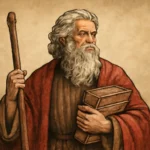
Chumash Torah is the cornerstone of Jewish Bible study, comprising the Five Books of Moses (also called the Pentateuch) in a form that is historically, liturgically, and textually central to Jewish life. The term Chumash comes from the Hebrew word Chamesh meaning “five,” reflecting the five scrolls that make up the Torah: Genesis, Exodus, Leviticus, Numbers, and Deuteronomy. The Torah, as a whole, is known in Jewish tradition as the written Torah, or Torah Shebichtav, while the extensive body of traditional interpretation and legal analysis built around it is often called the Oral Torah or Torah Sheba’al Peh. A modern reader will encounter the Chumash in a variety of formats—ranging from a simple text to richly annotated editions that pair the letters with commentary, translations, maps, and cross-references.
In addition to the basic text, most Chumashim (plural of Chumash) present a carefully arranged apparatus: brief introductions to each parashah (weekly Torah portion), the haftorah (prophetic reading) for that portion, and notes that illuminate word choices, linguistic features, and historical contexts. The study of the Chumash often goes hand in hand with techniques such as peshat (the plain/surface meaning) and derash (interpretive or midrashic readings), allowing readers to explore both literal content and deeper meanings that have guided generations of scholars, teachers, and lay readers alike.
This guide offers a comprehensive overview of Chumash Torah as a living resource for beginners, students, educators, and anyone seeking to deepen their understanding of the Five Books. It covers what the Chumash is, how it is studied, the major commentaries and methodological approaches, popular editions and digital resources, and practical strategies for making the study of the Torah a rewarding, lifelong practice.
The Five Books: An Overview
The Chumash Torah encodes vast narratives, laws, genealogies, poetry, and ceremonial material. Each book has its own flavor and emphasis, yet all five are bound together by the shared purpose of transmitting the covenantal relationship between God, the people of Israel, and the land of Israel. Below is a concise look at each of the Five Books and what readers commonly encounter in them.
Genesis (Bereishit)
Genesis opens with creation and tracks the early human story, linking it to the patriarchs and matriarchs (Abraham, Isaac, and Jacob) and their families. Central themes include faith, promise, covenant, blessing, and the beginnings of a people chosen for a mission. Jewish readers often focus on the narrative arcs—call narratives, testing of faith, and the evolving relationship with God—as well as ethical dilemmas, family dynamics, and the reciprocal responsibilities of mercy and justice that recur across the text.
Exodus (Shemot)
Exodus narrates liberation from Egypt, the unforgettable revelation at Sinai, and the giving of the Torah. The book emphasizes freedom, law, worship, and the formation of a people with a shared mission and a durable system of governance and ritual. Key episodes include the Exodus from Egypt, the crossing of the Red Sea, the receiving of the Ten Commandments, and the construction of the Tabernacle as a portable sanctuary for divine presence.
Leviticus (Vayikra)
Leviticus concentrates on the priesthood, ceremonial law, purity laws, and the godly ideal of holiness in everyday life. The book presses readers to consider how holiness is not only a matter of forbidden actions but also a set of practices that shape community, worship, and ethical conduct. Many readers study this book with attention to the detailed ritual instructions, the sacrificial system, and the moral and spiritual responsibilities embedded in the laws.
Numbers (Bamidbar)
Numbers centers on the wandering years in the desert, census counts, and the challenges of organizing and sustaining a people in motion. Its stories cover rebellion, leadership transitions, and repeated moments of testing and faith. The numerical name Bamidbar (“in the wilderness”) reflects the book’s focus on journey, labor, and the rhythms of community formation as the milieu for covenant renewal and spiritual growth.
Deuteronomy presents Moshe’s final speeches, restating and reiterating the laws, and urging the people to choose obedience and fidelity. It reads almost as a treaty or covenant document, with a strong emphasis on memory, education, and the responsibility to transmit the Torah to future generations. The book’s reflective tone underscores how memory and law shape a people’s identity over time.
Key Commentaries and Interpretive Traditions
Throughout the centuries, scholars have produced a vast corpus of commentary that illuminates the Chumash Torah from multiple angles. Broadly, commentaries can be categorized into traditional, classical peshat-oriented works and later, more expansive derash approaches, which explore homiletic, ethical, and halakhic implications. Here are some of the most influential streams and individual commentators you are likely to encounter when studying the Chumash:
Rashi (Rabbi Shlomo Yitzchaki) – The foundational medieval commentator whose basically close explanations of words, phrases, and simple meanings anchor much of traditional Torah study.
Rashbam (Rabbi Samuel ben Meir) – A grandson of Rashi who emphasizes a more straightforward, text-driven interpretation that sometimes diverges from Rashi’s readings.
Ibn Ezra (Rabbi Avraham Ibn Ezra) – A medieval exegete who brings linguistic analysis and philosophical questions to bear on the text, often probing semantics and grammar.
Ramban (Nachmanides) – A medieval scholar whose commentary blends peshat with mystical and moral interpretations; he frequently reframes Biblical events in light of spiritual symbolism and covenantal meaning.
Sforno (Ovadia ben Jacob Sforno) – A Renaissance-era commentator known for his clear, integrative explanations that connect textual meaning with ethical and practical insights.
Abarbanel (Don Isaac Abravanel) – A commentator known for his humanistic approach and careful attention to historical context and political circumstances surrounding the text.
Or HaChaim (Rabbi Chaim ibn Attar) – A modern classic with a distinctive focus on the spiritual and kabbalistic implications of the verses, often asking why the text chooses particular words.
Modern Torah commentaries – In contemporary scholarship, many scholars contribute accessible interpretation that helps readers connect the Chumash to ethics, social justice, and modern life. This includes series that present clear explanations of themes like covenant, sanctity, and leadership.
Each of these commentators offers a different methodology and emphasis, which can help readers build a well-rounded understanding of the text. When studying the Chumash Torah, many readers intentionally compare translations and commentaries across generations to see how interpretations evolve and which questions remain enduring. This comparative practice is a hallmark of serious study and fosters a more nuanced comprehension of both the literal content and broader implications of the Torah text.
In addition to classical commentators, there are modern scholarly approaches that situate the Chumash in its historical and archaeological context, analyze ancient Near Eastern parallels, and explore the literary architecture of the narratives. While these approaches may diverge from traditional religious readings, they can deepen appreciation for the Torah’s complexity and its influence on later literature and law.
editions, Formats, and Study Editions
Chumash Torah is available in a wide range of formats, from simple plain-text editions to richly annotated volumes with commentary, introductions, and study aids. Choosing the right edition can significantly affect your engagement, comprehension, and enjoyment of the text. Here are some common formats you’ll encounter and what they typically offer:
Plain text Chumash – A straightforward edition of the five books in Hebrew, sometimes with segmented parashot and cantillation marks. This is ideal for strong Hebrew readers who want direct access to the source.
Chumash with Rashi – A popular format that presents the text side by side with the classic Rashi commentary, enabling readers to see the traditional gloss immediately alongside the verses.
Chumash with multiple commentaries – Editions that pair the text with several commentators (e.g., Rashi, Rashbam, Ibn Ezra, Ramban, Sforno) to facilitate comparative study within one volume.
ArtScroll and other study editions – These editions often include translation, transliteration, legal and ethical notes, and structured study tools designed for classroom use or personal study.
Academic translations with commentary – Modern scholarly translations (e.g., translations by Robert Alter or other critical editions) that aim for high linguistic fidelity and extensive scholarly notes, often with historical context and textual variants.
Interlinear Chumash – A format that places translations directly beneath the Hebrew or Aramaic text, helpful for readers building Hebrew proficiency while reading a faithful English rendering.
Digital and online editions – Websites and apps that host the Chumash with search capabilities, linked commentaries, and cross-references, allowing flexible study and on-the-go learning.
When selecting an edition, consider your goals: Are you aiming for a devotional, liturgical experience? A rigorous linguistic and textual analysis? A broad exposure to traditional and modern commentaries? The right Chumash Torah edition can be a gateway to deeper study or a reliable daily reader.
Online and Digital Study Resources
The digital age has transformed how scholars and lay readers access Torah study. A number of excellent online resources provide dynamic access to the Chumash Torah, its commentaries, and related texts. Here are some of the most widely used platforms and what they offer:
Sefaria – A comprehensive, free digital library of Jewish texts with an extensive Torah portion database, parallel translations, and an array of classical and modern commentaries. Users can compare commentaries side by side, highlight text, and create personalized study sheets.
Chabad.org – A practical, user-friendly resource for weekly Torah portions, with Chumash in both Hebrew and English, along with a rich library of essays, audio, and video teaching materials. It is especially helpful for beginners and those seeking a faith-affirming approach to the weekly Torah readings.
Mechon Mamre – A long-standing online archive that offers the Hebrew Torah text with traditional cantillation, often including classic translations and links to commentaries, with a strong emphasis on textual fidelity.
The Torah.org platform – A repository of scholarly articles, lectures, and papers about the Chumash and its commentaries, suitable for readers looking for deeper analysis and methodological discussions.
OU Torah and other study portals – These sites provide weekly parashah study guides, audio lectures, and structured questions that accompany the parashah. They are excellent for study groups and classroom use.
JPS Torah Commentary Series online – Access to the modern scholarly commentaries in digital form, useful for readers who want a contemporary literary-historical perspective integrated with the Chumash text.
Audio and video resources – YouTube channels, university lecture series, and synagogue libraries offer parashat hashavua explanations, in-depth seminars on selected portions, and guided reading practices for different levels.
These resources often include searchable Hebrew text, English translations, and direct links to specific verses and commentaries. The combination of text, translation, and interpretation makes digital platforms an invaluable companion to traditional study methods, enabling structured lessons, self-paced exploration, and collaborative discussion across geographic boundaries.
Study Practices and Learning Paths
Whether you approach the Chumash Torah as a religious liturgy, a literary text, a historical source, or a combination of these, purposeful study practices can enhance comprehension and retention. Here are some practical study paths that readers often find effective:
Weekly parashah study – Follow the traditional rhythm of the Jewish year by studying the weekly portion, supplemented with a handful of commentaries to gain a balanced view of interpretation and application.
Verse-by-verse close reading – Focus on a few verses at a time, exploring vocabulary, syntax, and grammar, and comparing multiple commentaries to surface alternative readings and possible meanings.
Theme-based study – Choose enduring themes (covenant, exile and return, holiness, leadership) and trace how they emerge across the five books and through the commentaries.
Character-driven exploration – Follow central figures (Adam, Abraham, Moses, Aaron, Miriam) and examine how their choices illuminate the text’s moral and theological questions.
Historical-critical and literary approaches – For readers who want a broader scholarly perspective, study the text’s composition, redaction history, and narrative structures within the context of ancient Near Eastern literature and biblical archaeology.
Comparative readings – Read the same passages in multiple translations and with several commentators to gauge how different audiences have interpreted the material over time.
For those who are new to the Chumash Torah, starting with a user-friendly edition (one that includes translations, notes, and a glossary) can reduce initial friction. For more advanced learners, pairing a traditional commentary with a modern scholarly volume can yield a richer, more nuanced understanding of the text’s layers of meaning.
If you are just beginning your journey into the Chumash Torah, here are some pragmatic tips to help you build a strong foundation and avoid common stumbling blocks:
Start with the basics — Learn the names and order of the Five Books, the Hebrew names (Bereishit, Shemot, Vayikra, Bamidbar, Devarim), and the concept of parashot. Familiarity with the structure will accelerate future study.
Choose a beginner-friendly edition — Look for a Chumash that provides a clear translation, helpful introductions to each book, and access to classic commentaries. A format that suits your learning style will make a big difference.
Use one commentary initially — Start with a single, reliable commentary to avoid overwhelm. Rashi is a common starting point for many readers, followed by Rashbam or Ibn Ezra for broader perspective.
Keep a study notebook — Jot down key terms, questions, and insights. A simple glossary of Hebrew terms (like parashah, haftorah, peshat, derash) will help you track progress and build vocabulary.
Schedule consistent practice — Whether daily or weekly, regular study helps integrate knowledge, reveal patterns, and reinforce memory.
Listen and read together — Combine reading with audio or video explanations to strengthen comprehension, especially for difficult passages or unfamiliar terms.
Join or form a study group — Studying with others allows for shared insights, respectful debate, and a sense of community around learning.
As you advance, you can expand to a broader range of commentaries, engage in more rigorous linguistic analysis, or explore academic scholarly articles. The Chumash Torah is a two-way street: the text speaks, and thoughtful readers respond with questions, interpretations, and applications for today’s life and ethics.
Choosing the Right Chumash for Your Needs
With many editions and formats available, selecting the best Chumash Torah edition for you depends on your goals, background, and preferred learning style. Consider the following factors when choosing:
Purpose — Are you studying for liturgical use, academic study, personal growth, or teaching? Your aim will influence the edition you select.
Language and translation — Do you want a robust English translation, and if so, should it be literal or more interpretive? Do you want transliteration for Hebrew pronunciation practice?
Commentary density — Some editions present a concise set of notes; others offer a broad range of commentaries and scholarly discussions. Decide how much commentary you want alongside the text.
Format and accessibility — Printed books, larger-font editions, interlinear formats, or digital tools? Consider which format will be most convenient for your routine and travel.
Supplementary materials — Look for introductions to each book, glossaries, maps, timeline charts, kêh (haftarot) guides, and interpretive essays that align with your interests.
Remember that there is no single “best” Chumash Torah edition for everyone. The most effective choice is the one that best supports your learning process, fits your schedule, and resonates with your worldview, while remaining faithful to the text and the broad interpretive tradition.
As you explore the Chumash Torah, you’ll meet a number of technical terms that recur in scholarly and devotional literature. Here are some essential terms with brief explanations to help you navigate study materials with confidence:
Parashah — A weekly Torah portion; the Torah is divided into 54 portions for study across the annual cycle.
Haftarah — The prophetic reading accompanying each Torah portion, read in the synagogue on Shabbat and holidays.
Peshat — The straightforward, literal understanding of the text.
Derash — A more interpretive or homiletic approach, often linking verses to ethical or theological lessons.
Midrash — A broad term for ancient and medieval collections of interpretive stories and explanations that illuminate the Torah and its commandments.
Torah Shebichtav — The written Torah (the five books themselves).
Torah Sheba’al Peh — The oral Torah, including the body of rabbinic interpretation that accompanies the written text.
Covenant — A central motif in the Chumash, describing the treaty relationship between God and the people of Israel.
Torah study methods — Techniques such as close reading, linguistic analysis, source criticism, and literary analysis that help illuminate different facets of the text.
Understanding these terms will empower you to engage with commentaries and study guides more effectively and to participate in discussions with clarity and confidence.
Conclusion: The Chumash Torah as a Living Resource
The Chumash Torah stands at the intersection of scripture, law, ethics, history, and spirituality. It is not merely an ancient manuscript but a durable framework for study, worship, and personal growth. Through the careful reading of the Five Books and the engagement with a diverse range of commentaries, readers can explore fundamental questions about creation, freedom, responsibility, community, and the relationship with the divine. The openness of the traditional tradition to new interpretations and the accessibility brought by modern tools together ensure that the Chumash Torah remains a living, ever-relevant text.
Whether you approach it as a devotional practice, a scholarly pursuit, or a combination of both, the Chumash Torah invites sustained reflection, dialogue, and discovery. With a thoughtful edition, a thoughtful plan, and the abundant digital and print resources available today, anyone can cultivate a robust, thoughtful, and meaningful relationship with the Five Books of Moses. The journey through Bereishit to Devarim is as much about asking questions as about finding answers, and every reader stands to gain insight, wisdom, and a deeper connection to the long Jewish tradition of study.
Key takeaways:
The Chumash Torah encompasses the Five Books of Moses and a rich ecosystem of commentaries, translations, and study materials.
Engaging with multiple commentators fosters a fuller understanding of both the literal text and its broader implications.
Online and print resources together offer flexible, accessible ways to study alone or with a group.
Structured study practices—such as weekly parashah cycles, verse-by-verse analysis, and theme-based exploration—help sustain long-term learning.