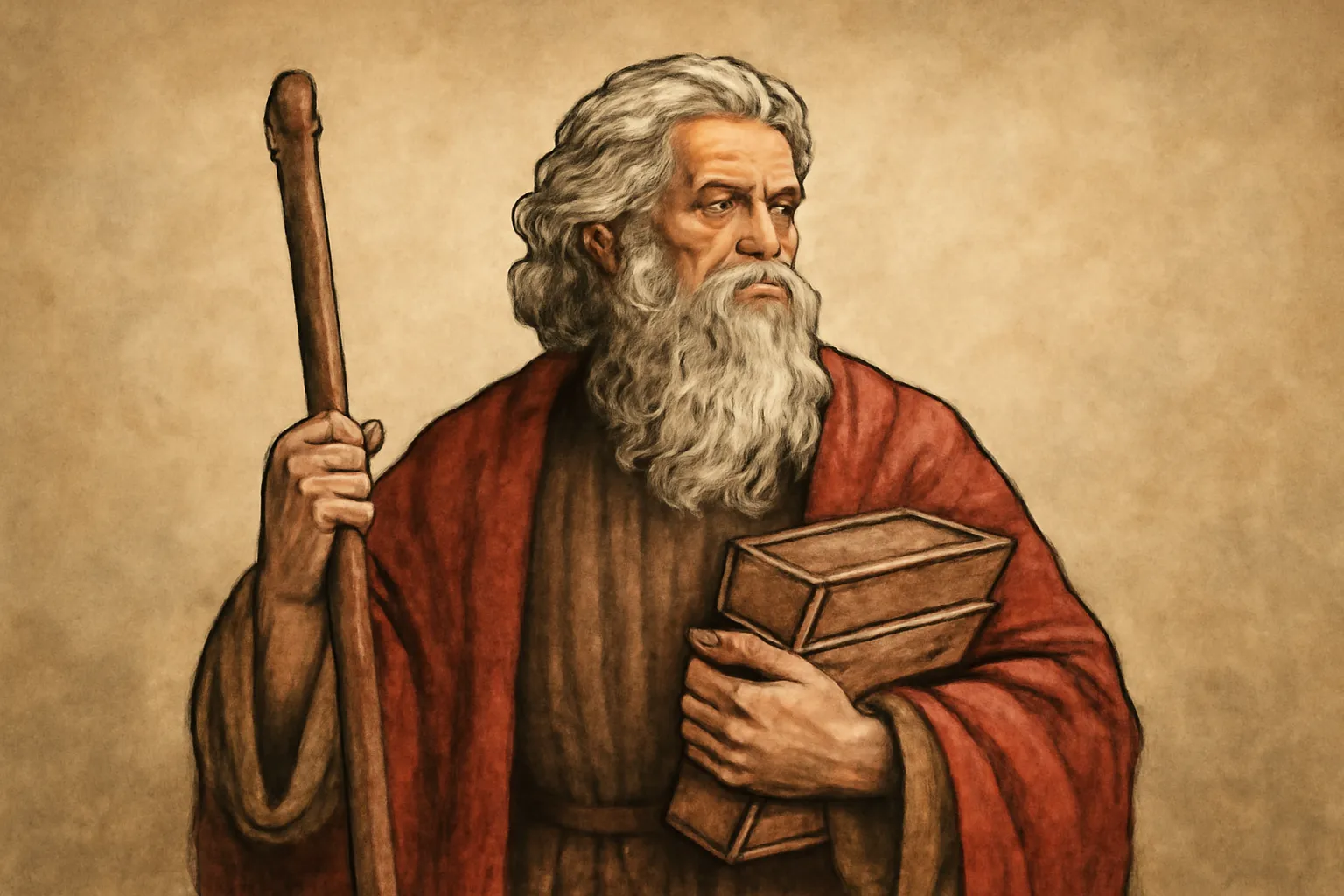
The Five Books of Moses, also known as the Pentateuch or the Torah, form the foundational narrative and legal corpus of the Jewish tradition. These five scrolls, traditionally attributed to Moses and collected as a single continuous work, establish the arc of creation, revelation, covenant, law, and land. In many circles they are also called the Chumash (the five) in reference to the five books that compose this central scripture. Across history, scholars and readers have approached the five books of Moses from complementary angles: literary storytelling, legal codes, theological argument, and liturgical reading. This guide provides a clear overview of the Five Books of Moses and offers practical ideas for how to study and experience the Torah’s core texts in a modern context.
What are the Five Books of Moses and why do they matter?
In common terms the five volumes are Genesis, Exodus, Leviticus, Numbers, and Deuteronomy. Each book has its distinctive voice, purpose, and set of themes, yet they are bound together by a single narrative thread: a relationship between a people and a divine revelation that shapes their identity, ethics, worship, and social life. Readers often encounter the five books of Moses as a unified whole, while simultaneously appreciating the individual character and aims of each book:
Genesis (Bereishit) begins with creation, moves through the stories of the patriarchs and matriarchs, and culminates in the ascent of a family to a future nation.
Exodus (Shemot) follows liberation from bondage, the revelation at Sinai, and the formation of a people bound by covenant and law.
Leviticus (Vayikra) develops the priestly system, holiness codes, and ceremonial practices that sustain a relationship with the divine.
Numbers (Bamidbar) narrates the wilderness journey, census data, and the testing of faith as the community learns to live between Sinai and the settlement in the land.
Deuteronomy (Devarim) collects Moses’ final speeches, a restatement of the law, and a preparation for life in a land the people have yet to enter.
Scholars sometimes refer to these books collectively as the Pentateuch, a term that emphasizes their fivefold structure. In Jewish tradition, the same corpus is read as part of the weekly Torah portion cycle and is central to liturgical life and study. In Christian contexts, the Five Books of Moses are often treated as the opening section of the Old Testament, setting theological foundations that influence later Christian interpretation. Regardless of interpretive approach, the five books establish core motifs: creation and human destiny, freedom and responsibility, covenant and law, and the ongoing question of how a people lives in relationship with the divine.
The five books of Moses by name and core focus
To grasp the architecture of the Torah’s core texts, it helps to consider the distinctive emphasis of each book, while also noting the continuity that links them. Below is a concise guide to each volume, including notable themes, structures, and questions a reader might ask.
Genesis (Bereishit): The origins and the promise
Key themes: creation, primordial humanity, the fall, the flood, and the family stories that seed a national future; the first covenants and the emergence of faith.
Narrative approach: rich character portraits and formative episodes that explain how a scattered family becomes a people with a shared memory and calling.
Central questions: What does it mean to be created in the image of God? How do trust, doubt, and obedience shape destiny? How is a promise sustained across generations?
Exodus (Shemot): Liberation, revelation, and the formation of law
Key events: enslavement in Egypt, miraculous deliverance, the plagues, crossing the sea, and the dramatic revelation at Mount Sinai.
Law and structure: the giving of the 10 Commandments and a broader legal and ceremonial framework that would guide the people’s life.
Questions for readers: What does true freedom require? How do a people learn to govern themselves under divine instruction? What makes worship meaningful and communal?
Leviticus (Vayikra): Holiness, ritual, and the priestly order
Core focus: the priestly service, sacrifice, purity laws, and a moral-economic code that supports a holy society.
Literary emphasis: a detailed catalog of rules and rituals designed to set the people apart and to model a life devoted to the divine presence.
Reading angle: how ritual and ethics interact; what it means to live with holiness in ordinary life; how the sacred shapes the ordinary.
Numbers (Bamidbar): The testing ground of fidelity and identity
Major motifs: census data, wanderings, failures and reforms, and the ongoing call to trust leadership and divine timing.
Literary character: a blend of narrative adventure with regulatory material that tracks how a community learns to organize itself in a challenging environment.
Study prompts: How do setbacks and leadership choices influence a people’s trajectory? In what ways does community memory shape present behavior?
Deuteronomy (Devarim): Review, reform, and a new generation’s covenant
Structure: a series of speeches by Moses that restate, interpret, and apply the law in light of the wilderness experience and the approaching land.
Thematic arc: fidelity to the covenant, centralization of worship, and the ethical imperative to remember and teach future generations.
Raising questions: What does it mean to choose life and blessing in a land of abundance and vulnerability? How can a people stay faithful across generations?
How the Five Books are read, studied, and used
Across Jewish communities and many scholarly and religious traditions, the Torah’s core texts are engaged through multiple modes. The following outlines practical approaches and traditional practices that can deepen understanding and appreciation for the five books.
Weekly Torah portions (parashot): A long-standing practice in which a portion of the Torah is read each Sabbath. Over a year, the entire five books are covered in a cycle, with some portions shared among the different communities depending on tradition.
Chumash study with commentary: In many editions, the Chumash includes the Hebrew text, an English translation, and a range of commentaries from classical to contemporary voices. This format supports layered understanding of narrative, law, and theology.
Cross-text comparison: Reading parallel passages from Exodus and Deuteronomy, for instance, reveals how laws and narratives develop across books and how the same ethical concerns appear in different contexts.
Creative approaches: poetry, music, art, and modern essays can illuminate the text in new ways, helping readers connect ancient imagery with present-day questions about justice, community, and spirituality.
Literary and theological features that unify the five books
Even as each book has its own distinct purpose, several features give the five books of Moses a coherent shape as a single corpus:
Covenant as organizing principle: The stories begin with God’s promises and demands an ongoing response of faithfulness, fidelity, and fidelity under law.
Interwoven narratives and laws: The Torah blends stories with legal material, showing how narrative experiences inform ethical and ritual obligations.
Land and people: The journey from a family to a nation tied to a land is a central movement, with law acting as both a guide to life and a path toward communal integrity.
Holiness and justice: The holiness code in Leviticus and the justice-centered prescriptions elsewhere establish a vision of how a community lives in relationship to God and to one another.
Variants in tradition: why some readers call it the “Pentateuch” or “Chumash”
Terminology matters for readers exploring the Five Books of Moses across cultures. In many Jewish communities, the term Chumash (the five) is used for a physical edition that presents the five scrolls together with translation and commentary. In academic contexts, the term Pentateuch emphasizes the fivefold structure as a literary unit. Christians might refer to this corpus as the Torah in the broader sense or as the opening books of the Old Testament, underscoring its foundational role for biblical interpretation. Regardless of what term you encounter, the essential idea remains: a fivefold written source that introduces a people, defines a covenant, and supplies a law code that shapes generations.
Reading strategies: making the Five Books accessible today
Approaching the Torah’s core texts can feel daunting, given the ancient context and the density of material. Here are practical strategies to make the journey both accessible and enriching:
Start with a reader-friendly translation: A good English translation can illuminate difficult phrasing and help you grasp the sense of the original text without getting lost in linguistic nuance.
Use a reliable study edition that includes introductions to each book, maps, and a glossary of key terms such as “covenant,” “sanctuary,” and “mitzvah.”
Pair narrative with commentary: Read a chapter alongside a commentary strand that provides historical context, literary analysis, and ethical reflection. This approach helps bridge ancient worldviews with modern questions.
Engage with the text in multiple formats: Listen to readings, watch explainer videos, or participate in study circles to hear diverse perspectives and deepen understanding.
Key terms you’ll encounter in the Five Books
Throughout these volumes you will encounter many recurring terms that are worth remembering. Here are some core terms and why they matter:
Covenant (Brit): A formal binding agreement between God and a people, which structures obligation, blessings, and responsibilities.
Commandments (mitzvot): The legal and ethical prescriptions that guide daily life, ritual practice, and social justice.
Tabernacle (Mishkan) and later the Temple: The central place of divine presence in worship and sacrifice, especially prominent in Exodus and Leviticus.
Prophetic voice in Deuteronomy and the later books: A reminder that law must be accompanied by memory, choice, and accountability.
Holiness code (kedoshim): The aspiration that the people live in a way that reflects divine distinctiveness in all aspects of life.
Common questions about the five books
New readers often ask questions that cut to the heart of how these texts work and what they want to accomplish today. Here are a few representative queries and concise answers to guide your exploration:
Are the five books just historical narratives? Not only. They blend history, law, theology, ritual instruction, and poetic moments to form a comprehensive guide for personal and communal life.
Do the five books present a single author? Traditional readings attribute authorship to Moses, while many modern scholars discuss multiple authors and redactors who shaped the text over centuries. Both perspectives invite careful reading and reflection.
Why does Leviticus feel different from Genesis or Exodus? Leviticus focuses on priestly concerns—worship, sacrifices, and purity—within a ritual and social framework designed to sanctify daily life.
How does the covenant shape the narrative? The covenant is the throughline: blessing contingent on fidelity, with the law serving as a living expression of that relationship.
If you’re approaching these canonical writings for the first time or revisiting them with fresh eyes, consider the following starter plan that emphasizes clarity and progression without sacrificing depth:
Begin with Genesis to ground yourself in the narrative of beginnings and the personal stories that seed the people’s identity.
Move to Exodus to witness liberation, divine revelation, and the birth of a community bound by law and worship.
Study Leviticus with patience, recognizing its emphasis on holiness, ritual life, and the moral imagination behind worship.
Read Numbers to understand the challenges of fidelity in the wilderness and the practicalities of community governance and identity formation.
Conclude with Deuteronomy to see the law reframed for a new generation and to explore how memory and choice shape future life in the land.
Along the way, you might keep a simple notebook of themes, questions, and cross-references. For example, you could track covenant promises, recurring motifs like water and oath, or how a particular commandment appears in more than one book. This practice makes the dense material more approachable and helps you cultivate a personal connection to the Torah’s core texts.
Beyond their historical significance, the five books of Moses offer a framework for ethical reflection that continues to resonate. The narratives invite readers to consider how a community should treat the vulnerable, how leaders ought to be accountable, and how laws can be crafted to nurture justice and compassion. The legal material—whether understood as a comprehensive code or as a living tradition—poses enduring questions about how to balance freedom with responsibility, individual rights with communal welfare, and ritual practice with moral action.
In contemporary study, readers often draw on these texts to address issues such as social equity, environmental stewardship, and the responsibilities of leadership. The Pentateuch remains a resource for dialogue about what constitutes a good life in community and how faith commitments can translate into concrete, everyday conduct.
The Five Books of Moses stand as a cornerstone of biblical literature and religious practice. They present a coherent narrative arc—from creation and exile to revelation and renewal—supported by a robust legal and ethical framework that has guided countless communities for millennia. Whether you encounter them as Torah in Jewish study, as the opening trilogy of the Old Testament in Christian tradition, or as a critical historical-l literary corpus for academic inquiry, these five books invite readers into a conversation about meaning, obligation, and destiny. Your journey through Genesis, Exodus, Leviticus, Numbers, and Deuteronomy can be both a discovery of ancient thought and a doorway to contemporary reflection about how we live together, how we worship, and how we imagine a just future grounded in memory and hope.
As you explore the five books of Moses, you’ll likely encounter new questions, surprising literary patterns, and enduring insights. The text invites ongoing engagement, encouraging readers to return again and again to the Torah’s core texts with fresh eyes and an open heart. By approaching the Pentateuch with curiosity, patience, and a willingness to engage with both narrative and law, you can experience the Chumash as a living document—one that continues to shape thought, worship, and community in meaningful ways.