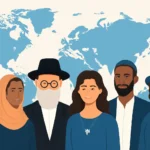
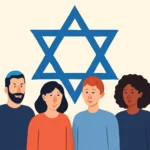
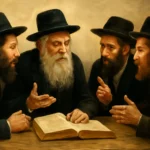
Judaism is constantly evolving in response to a broader world that includes shifting political landscapes, technological change, demographic currents, and evolving religious life. This article surveys current events, offers analysis, and highlights emerging trends shaping Jewish life across communities, geographies, and generations. It uses a global lens to illuminate how Jewish communities respond to crisis, opportunity, and transformation, while underscoring the enduring themes that bind diverse groups together: memory, ethics, learning, and community care.
Global Context for Judaism in the 2020s and Beyond
Across continents, Jewish communities are navigating a spectrum of realities—from security concerns and political volatility to opportunities in education, culture, and interfaith collaboration. The global Jewish world is increasingly interconnected through travel, migration, digital media, and shared initiatives in philanthropy and advocacy. In this context, Judaism current events are not only about isolated incidents but about structural shifts that influence how people practice, study, and identify themselves.
Key themes shaping the global landscape include the persistence of antisemitism in various guise, the evolving relationship between Israel and the Diaspora, shifts in religious leadership, the influence of digital learning, and ongoing debates over justice, memory, and inclusivity within communities. These factors interact with demographic changes—such as aging cohorts in some communities and a rising number of young Jews who engage primarily through culture and online communities rather than formal synagogue life.
Ultimately, the study of Judaism current events requires attention to both macro forces and micro-level realities: how families console, how congregations welcome newcomers, how schools adapt to new curricula, and how artists, scholars, and activists interpret Jewish ethics in a modern world.
Israel and the Diaspora: A Dynamic, Reciprocal Relationship
The relationship between Israel and Jewish communities abroad remains a central axis of contemporary Jewish life. This dynamic is not static; it shifts with political leadership, regional conflicts, and evolving identities among young Jews who see themselves as part of a global Jewish people while also negotiating their own national or cultural loyalties.
Policy Shifts, Security, and National Identity
One strand of current events centers on how Israeli policy choices affect diaspora perceptions and engagement. Questions about security, the economy, settlement policy, and diplomatic strategy influence diaspora fundraising, travel, and political advocacy. At the same time, many diaspora communities seek clearer avenues for constructive engagement that respect pluralism within Israel and acknowledge diverse Jewish identities abroad.
Security and resilience in Israeli and Jewish life: Community centers, synagogues, and schools in both Israel and diaspora communities emphasize safeguarding measures while fostering welcoming spaces for visitors and residents alike.
Diaspora funding and philanthropy: Donors weigh the best uses of charitable giving to support education, social services, and aliyah (immigration to Israel) opportunities without appearing to instrumentalize political aims.
Israel-Diaspora education: Programs that connect Hebrew language learning, Jewish history, and contemporary scholarship help bridge gaps between generations and between different streams of Judaism.
Within Israel, debates around the two-state solution, security arrangements, and the status of minority communities influence how diaspora leaders frame advocacy and how communities discuss such topics in synagogues and schools. In the diaspora, Jewish leaders emphasize a balance between supporting Israel’s security and promoting pluralistic citizenship, human rights, and equality for all inhabitants. These discussions often surface within youth movements, campus organizations, and interfaith coalitions.
Jewish Life in the United States: Affiliation, Identity, and Community Formation
The United States remains a central arena for Jewish life, culture, and debate. The American Jewish community is deeply diverse, reflecting a spectrum from traditional religious practice to secular Jewish cultural engagement. Ongoing conversations about affiliation, synagogue life, and interfaith collaboration shape the current events narrative in American Judaism.
Religious Pluralism, Synagogue Life, and Virtues of Learning
Across the United States, many communities report shifting patterns in worship and education. Some synagogues emphasize connection-building through innovative prayer services, text study, and social justice programming, while others undertake formal reforms of liturgy and governance to become more inclusive. The rise of participatory prayer, lay leadership, and mixed-age programming reflects a broader trend toward accessibility and relevance in liturgy and education.
Engagement through community-based learning: Shabbat school programs, family-oriented classes, and laser-focused study groups become anchors for younger families seeking meaning beyond traditional attendance.
Security in worship spaces: Given periodic threats and concerns, congregations invest in security planning, cooperating with local authorities, and training for leaders and volunteers without sacrificing openness.
Interfaith and social justice: Across many communities, joint services, service days, and advocacy work on issues like immigration, poverty, and racial justice deepen ties with neighbor faith communities.
American Jewish life is also navigating questions of youth retention and intergenerational connection. As younger Jews often describe themselves as “culturally Jewish” or “secularly connected,” institutions experiment with flexible models of membership, hybrid programming that blends online and in-person experiences, and opportunities for meaningful ritual in everyday life.
Europe and the Wider Diaspora: Memory, Migration, and Renewal
European Jewish communities face a distinct set of challenges and opportunities. The postwar memory of the Holocaust, recent migrations, and the resurgence of nationalist rhetoric have a measurable impact on security, education, and cultural life. Across many European countries, synagogue life and Jewish schools emphasize resilience, while also grappling with questions about identity, assimilation, and the place of Jewish culture in broader national narratives.
In the broader diaspora, Jewish cultural revival—from literature and film to museum exhibits and student theater—continues to reframe public perception of Judaism. Jewish museums, archives, and genealogy initiatives attract newcomers and strengthen memory culture, ensuring that historical memory remains a living part of contemporary life. Across Europe and beyond, anti-discrimination laws, security funding, and interfaith dialogue contribute to an atmosphere in which Jewish communities seek both protection and partnership with their neighbors.
Movements, Lifestyles, and Theologies: Orthodox, Conservative, Reform, Reconstructionist, and Renewal
The Jewish world remains richly plural, with each movement offering distinct theological vocabularies, ritual practices, and communal norms. Current events are often shaped by policy debates within and between these movements—especially around issues of gender, inclusion, and halachic interpretation.
Orthodox, Conservative, Reform, and Beyond
Orthodox Judaism continues to anchor many communities, particularly in Israel and parts of the United States and Europe. Debates within Orthodox life often center on questions of hybridization with modern life—such as the inclusion of women in certain public religious roles under varied interpretations of Jewish law—and the role of technology in religious observance. Meanwhile, Orthodox Jewish organizations navigate fundraising, community outreach, and educational programs aimed at broadening participation without compromising core religious commitments.
The Conservative and Reform movements emphasize shared ethics, social justice, and inclusive practices. The Reconstructionist and Renewal movements continue to push for experiential worship, ecological ethics, and spiritual communities that appeal to seekers who value both tradition and personal spiritual exploration. Across these movements, debates about gender roles, LGBTQ inclusion, and the authority of religious law remain central and often serve as a litmus test for public reception and donor support.
Rabbinic leadership and ordination: The question of who is eligible to serve as a rabbi and what qualifications are required remains debated across movements, affecting pulpit life and community governance.
Liturgy and language: Casting changes in liturgy, the inclusion of vernacular languages, and the adaptation of biblical and liturgical text to contemporary sensibilities are ongoing areas of experimentation.
Community identification: Movements compete for relevance with younger Jews through value-centered programming—environmental stewardship, social justice, and robust school curricula.
Across all streams, a central tension persists: how to cultivate authentic Jewish life that honors tradition while embracing modern ethics, pluralism, and diverse expressions of belief. This tension often drives innovation in worship, education, and communal organization.
Gender, Sexuality, and Halakhic Adaptation: Modern Debates within Jewish Law
One of the most dynamic frontiers in contemporary Judaism current events is the intersection of gender, sexuality, and religious law. Communities are reinterpreting long-standing norms to align with contemporary values of fairness, equality, and inclusion, while many maintain a rigorous fidelity to halakha (Jewish law) as a spiritual and ethical framework.
Women’s Leadership, LGBTQ Inclusion, and Ritual Practice
Across movements, there is increasing diversity in who can lead, teach, and participate in ritual life. Examples include expanded roles for women in rabbinic and cantorial leadership in many circles, the introduction of feminist liturgical resources, and renewed debates about the boundaries of women’s participation in certain lifecycle rituals. At the same time, LGBTQ inclusion continues to shape synagogue culture, with many communities affirming same-sex weddings, clergy, and family structures as part of their normal religious life. These changes often provoke thoughtful discussion about tradition, authority, and communal cohesion, and they require careful catechesis, pastoral care, and scholarly interpretation to ensure legitimacy in the eyes of the community and halakhic authorities.
Halakhic discourse: Scholars and rabbinic authorities across streams publish responsa exploring how to reconcile new practices with traditional legal frameworks.
Education and outreach: Seminars, study circles, and youth programs address questions about gender, sexuality, and Jewish ethics in ways that are accessible to diverse audiences.
Ritual and lifecycle: Changes in wedding ceremonies, bat/bar mitzvah practices, and burial rites reflect evolving communal norms while maintaining continuity with tradition.
These conversations are not merely academic; they shape how families raise children, how synagogues recruit leaders, and how Jewish institutions participate in broader social debates about equality, dignity, and human rights.
Education, Learning, and Digital Transformation in Jewish Life
Education sits at the core of Jewish continuity. Today’s Judaism current events narrative emphasizes access, inclusivity, and innovation in pedagogy. The digital revolution has accelerated the spread of Jewish learning beyond the synagogue and yeshiva, enabling people to study Torah, Jewish law, and history at scale and on their terms.
Technology in Learning and Worship
From online classes and micro-learning modules to virtual text study groups and streaming services, technology has expanded the reach of Jewish education. These tools allow students in remote areas to connect with scholars, rabbis, and teachers worldwide. They also facilitate hybrid worship services that blend traditional ritual with digital participation, which can be especially important for homebound individuals or diaspora families separated by distance.
But technology also raises questions about privacy, ritual propriety, and the integrity of sacred spaces. Communities weigh how to maintain the sanctity of worship while leveraging digital platforms for accessibility, language translation, and scholarly collaboration.
Online yeshivot and university programs: The growth of online platforms provides flexible study options for people who cannot commit to full-time study in person.
Digital libraries and archives: Digitization projects preserve rare manuscripts, improve access for researchers, and promote public engagement with Jewish history.
Livestreaming and on-demand prayer: Congregations expand access to worship, sermons, and study sessions for members who travel, work irregular hours, or live far from brick-and-mortar synagogues.
Beyond formal study, informal education—such as family education programs, youth camps, and community lectures—remains essential for fostering a sense of belonging and curiosity about Jewish life. In many communities, these programs are designed to be inclusive, multilingual, and responsive to the needs of immigrant families or those exploring Jewish identity for the first time.
Antisemitism, Security, and Community Resilience
Antisemitism remains a pressing reality in many regions. The contemporary climate requires vigilance, education, and solidarity with other targeted communities. Across countries, Jewish organizations assess security needs, adapt risk management protocols, and advocate for public policy that protects minority communities while maintaining civil liberties. The resilience of Jewish life often depends on strong partnerships with law enforcement, civil society, and interfaith allies.
Security Preparedness and Public Advocacy
Community centers, synagogues, and schools implement comprehensive safety plans that range from staff training and threat assessment to architectural design and targeted security funding. At the same time, Jewish organizations engage in public advocacy to counter hate crimes and to promote policies that safeguard pluralism and religious freedom.
Security funding and grants: Institutions pursue grants and municipal support to improve safety infrastructure and emergency readiness.
Public messaging and education: Community leaders participate in public dialogues, media appearances, and school programs to educate about antisemitism and to build broader coalitions against bigotry.
Interfaith protection and solidarity: Partnerships with other faith communities strengthen mutual defenses against discrimination and violence.
Similarly, memory culture and Holocaust education continue to be pillars of resilience, reminding younger generations of the dangers of intolerance and the importance of safeguarding democratic norms and human rights.
Culture, Memory, and Media: Jewish Arts in the Public Sphere
Culture remains a potent vehicle for Jewish life and for shaping public perception of Judaism. The arts—literary, cinematic, musical, and visual—offer insights into the Jewish experience, blending traditional motifs with contemporary concerns. Media projects that center Jewish voices contribute to a more nuanced and diverse public discourse about Jewish history, identity, and values.
Arts, Memory, and Public History
From museum exhibits to independent films and podcasts, Jewish culture engages with memory while addressing current issues such as migration, exile, and intergenerational dialogue. In addition, Jewish literary and artistic communities are increasingly global, reflecting diaspora connections across continents and languages.
Holocaust remembrance and survivor testimony: Archives and oral histories preserve voices that might otherwise fade, enabling learning and empathy across generations.
Contemporary Jewish storytelling: Novelists, filmmakers, and theater artists explore questions of identity, belonging, and ethical responsibility in modern life.
Digital media and community storytelling: Social media, streaming platforms, and podcasts amplify diverse Jewish experiences and innovations in religious life.
Media literacy and critical engagement with representation are also important. Communities strive to ensure that portrayals of Judaism in popular culture are nuanced, accurate, and free from simplifications that would polarize or alienate audiences.
Ethics, Climate, and Jewish Law in Modern Living
Jewish law and ethics provide a framework for addressing contemporary concerns. As global challenges such as climate change, public health, economic inequality, and social polarization intensify, Jewish communities increasingly translate traditional teachings into practical action—advocacy, communal programming, and personal behavior that reflect a commitment to justice and stewardship of the planet.
Environmental Ethics, Health, and Technology
Eco-ethical initiatives—often framed through the lens of tikkun olam (repairing the world)—inspire programs that promote sustainable practice, interfaith environmental coalitions, and educational campaigns in schools and synagogues. At the same time, Jewish communities respond to health and bioethical questions raised by advances in medicine and biotechnology with careful deliberation from rabbinic authorities and medical professionals.
Shmita and sustainability: Some communities draw on ancient agricultural laws to inform modern-day environmental practices and economic ethics.
Bioethics in Jewish law: Debates about organ donation, end-of-life care, and genetic technologies are shaped by halakhic analysis and communal values.
Public health and ritual life: Communities navigate the balance between communal gatherings and health considerations, especially in times of pandemics or outbreaks.
These dialogues illustrate how ethics in Judaism are not just about ritual rules, but about the ongoing application of spiritual values to real-world situations that affect families, neighborhoods, and nations.
Demography, Community Growth, and Jewish Identity
Demographic trends shape the scale and structure of Jewish life. The global Jewish population exhibits regional variety: in some places, communities grow through immigration and education; in others, populations age and affiliation shifts. These changes influence how communities recruit leaders, design programs, and plan for the long term.
Birth Rates, Migration, and Identity Formation
Population dynamics intersect with identity formation in compelling ways. Younger Jews may identify more strongly with secular or cultural dimensions of Jewish life while still valuing continuity with tradition and memory. Migration patterns—whether to Israel, major urban centers, or other diasporic hubs—alter the geographic distribution of communities and shape diaspora networks.
Young adult engagement: Immersive programs, campus organizations, and youth leadership pipelines help sustain Jewish life by creating a sense of belonging and purpose.
Halachic and communal policy implications: Demographic shifts influence decisions about education, ritual practice, and community governance.
Language and continuity: The transmission of Hebrew, Yiddish, Ladino, and other linguistic repertoires remains central to cultural continuity and to the vibrant character of Jewish communities.
In many contexts, demographic shifts encourage inclusive, flexible approaches to community life, enabling a broader spectrum of Jews to participate in meaningful ways while preserving core rituals, values, and memory.
Policy, Philanthropy, and the Economics of Jewish Life
Economic factors, policy choices, and philanthropic strategies play a crucial role in sustaining Jewish life. Funding priorities influence education, security, culture, and humanitarian initiatives. Donor communities often seek alignment between fiscal stewardship and a clear ethical vision, supporting programs that promise durable impact while respecting diverse maturing identities within the Jewish world.
Funding Priorities and Collaborative Initiatives
Philanthropy in Judaism today frequently emphasizes several overlapping goals: building robust educational infrastructure, ensuring secure and welcoming spaces, fostering social justice work grounded in Jewish ethics, and supporting innovative programming that helps Jews of all backgrounds connect with their heritage. Collaborative ventures—spanning movement institutions, independent philanthropists, and cross-communal coalitions—are common as communities pool resources to address shared challenges.
Education investments: Scholarships, after-school programs, and teacher training initiatives that enhance the quality and accessibility of Jewish learning.
Security and resilience funding: Grants for security upgrades, emergency preparedness, and mental health resources for community members.
Arts, culture, and memory projects: Support for museums, archives, theater, and literary endeavors that preserve memory while expanding contemporary Jewish creativity.
Policy environments—such as national funding for religious education or the regulatory conditions around charitable giving—also shape what is feasible for communities to accomplish. In some regions, governments actively support pluralistic religious life, while in others, NGOs and local communities mobilize to sustain vibrant Jewish ecosystems independently.
Looking to the Near Future: Predictions and Practical Realities
While no one can forecast every twist in the arc of Judaism current events, several practical trajectories seem likely to shape the coming years. Communities that invest in inclusive leadership, digital education, and cross-cultural collaboration may be better positioned to navigate uncertainty, welcome newcomers, and sustain robust Jewish life. Simultaneously, memorial work, ethical discourse, and commitment to human rights will continue to anchor Jewish communities in a way that resonates with both tradition and universal values.
What to Watch in the Next Few Years
Emergence of more hybrid congregational models that combine in-person and online participation, lowering barriers to involvement for families with varying schedules and geographic constraints.
Continued evolution of rabbinic and lay leadership structures to reflect contemporary norms around gender, sexuality, and professional pathways.
Growing emphasis on climate justice and social action as central components of Jewish education and community life.
Refined approaches to Israel-Diaspora education and advocacy that honor diverse experiences while fostering shared responsibility and mutual respect.
Advancement of memory projects, archives, and intergenerational storytelling that ensure the resilience of Jewish memory in a rapidly changing world.
Conclusion: The Continuity of a Living Tradition
Judaism remains a living, evolving tradition, continuously shaped by current events, shifting demographics, and the daily choices of individuals and communities. The trends described here—across Israel and the Diaspora, in the movements that guide Jewish religious life, and in the culture that animates memory and learning—show a religion that is at once rooted in enduring values and open to renewal. The future of Judaism will likely depend on how communities balance fidelity to tradition with a courageous openness to change—how they honor the memory of past generations while making space for the voices of younger Jews who seek meaning in an interconnected world.
In sum, the landscape of Judaism current events is a mosaic of resilience, innovation, and ongoing discourse. It is defined not only by headlines, but by the daily acts of study, worship, family life, and communal service that sustain Jewish life. For readers who want to stay informed about developments in the Jewish world, paying attention to education, religious leadership, security, culture, and ethics provides a comprehensive picture of the current moment and the direction in which Jewish life is moving.
As this living tradition continues to adapt to new challenges and opportunities, communities worldwide will likely keep refining their shared sense of purpose: to learn, to care for others, to remember, and to build spaces where people can connect with their Jewish heritage while contributing to a more just and compassionate world. This ongoing work—rooted in memory, learning, and community—is what shapes the current events of Judaism and will define its future in the years ahead.