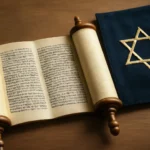
At the heart of Judaism lies a framework of beliefs that has developed over millennia while preserving a continuous commitment to inquiry, study, and practice. While there is a rich diversity of thought within Judaism, certain foundational ideas are widely shared and form the basis for doctrine, ritual, and communal life. These core beliefs are often described in terms of ethical monotheism, covenantal relationship, and the enduring authority of sacred texts that guide daily conduct and communal identity.
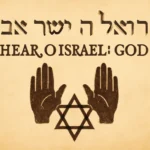
God is one. A central tenet across almost all Jewish communities is the indivisible oneness of God. This emphasis on unity is not merely a philosophical statement about a singular deity; it is a call to recognize God in every moment of life and to order human actions to reflect divine will. The Shema, a daily declaration found in the Torah, embodies this conviction: “Hear, O Israel: the Lord is our God, the Lord is One.”
God as Creator and Lawgiver. Tradition presents God as the creator of the universe who also reveals moral and ritual law to humanity. The belief that God enters into a covenant with the people of Israel — a special, ongoing relationship with obligations and promises — is central to Jewish identity. This covenant expresses itself not only in belief but in action: the pursuit of justice, compassion, and holiness as lived consequences of divine instruction.
Revelation at Sinai. A foundational moment in Jewish doctrine is the conviction that God revealed the Torah to the Israelites at Mount Sinai, making a comprehensive set of instructions available for guiding personal conduct, communal governance, and religious worship. The revelation is understood to include both a written law and an oral tradition that clarifies and expands those laws for varied circumstances.
Torah as the divine text. The Torah (the first five books of the Hebrew Bible) is treated as the primary source of divine instruction. It is complemented by the belief in an enduring, interpretive tradition, often known as the Oral Torah, which includes the ideas later codified in the Talmud and related rabbinic literature.
Ethical monotheism and the centrality of moral obligation. Jewish doctrine emphasizes that the worship of God should be reflected in ethical conduct: caring for the vulnerable, pursuing justice, and acting with integrity in everyday life. The pursuit of righteousness is not only about ritual correctness but about how one treats others and contributes to the repair of the world.
Messianic expectation and hope. Across many Jewish traditions, there is a belief in the eventual coming of a future era — a Messiah or a messianic era — in which peace, justice, and the full realization of the divine plan are achieved. Views about the nature and timing of this redemption differ among communities, but the underlying longing for universal recognition of God’s sovereignty and a just society remains a shared thread.
Life after death and the World to Come. Conceptualizations of the afterlife vary within Judaism. Some streams emphasize a future, spiritual fulfillment (often described as olam ha-ba — the World to Come) or a reordering of reality after death, while others stress the importance of righteous living in the present world as the primary measure of faith. This variability is part of the broader diversity of Jewish thought.
Sacred Texts
Jewish doctrine is anchored in a canon of sacred and interpretive writings that together shape belief, law, and practice. The interplay between revelation, commentary, and tradition provides a durable but dynamic doctrinal landscape.
The Torah and the Tanakh
The cornerstone is the Torah, also called the Five Books of Moses. These books tell foundational narratives and establish numerous mitzvot (commandments). The Torah is part of a larger scriptural collection known as the Tanakh, which also includes the Prophets (Nevi’im) and the Writings (Ketuvim). Together, the Tanakh shapes liturgy, ethics, history, and ritual life.
Written law (Torah and Tanakh) provides the textual basis for belief and practice.
Oral law expands, interprets, and applies the written text to new and complex situations.
The Oral Torah, Mishnah, and Talmud
The Oral Torah was eventually compiled in key rabbinic works that structure Jewish law. The Mishnah distills legal rulings and interpretations, while the Talmud (comprising the Babylonian Talmud and the Jerusalem Talmud) presents discussions, debates, and clarifications about how the law is to be practiced in daily life. These texts are foundational for understanding what is permissible, prohibited, or obligatory in ritual and ethical life.
Midrash, Halakha, and Aggadah
Beyond legal codes, Midrash refers to rabbinic literature that explores the narrative dimensions of Scripture, fills in interpretive gaps, and teaches ethical lessons through stories and homilies. The practical dimension of Jewish law is captured in Halakha, the body of legal rulings that cover worship, diet, family life, business ethics, and civil order. Aggadah comprises narrative and theological material that enriches meaning, symbolism, and spiritual insight.
Other streams of doctrine and thought
Throughout history, Jewish thinkers have engaged with mystical and philosophical traditions. Kabbalah and later Lurianic ideas, for example, offered a metaphysical reading of creation, redemption, and divine concealment. In parallel, philosophical and rational approaches emerged in medieval and modern times, shaping debates about free will, the nature of God, and human responsibility. Different communities emphasize different streams—some prioritizing the rational study of law and ethics, others drawing inspiration from mystical teachings or modern existential reflections.
Law and Practice
The daily life of Jewish communities is shaped by a vast set of practices designed to express fidelity to God, preserve communal identity, and uplift personal conduct. Law and ritual are not merely rules; they are interpretive acts aimed at sanctifying time, space, and relationship.
Types of commandments (mitzvot)
Jewish law distinguishes positive commandments (things to do) from negative commandments (things to refrain from). Many mitzvot relate to ritual life, while others concern ethical behavior toward other people and toward the environment.
Examples of positive mitzvot include prayer, loving kindness, caring for the stranger, and the commandment to honor parents.
Examples of negative mitzvot include prohibitions against theft, murder, false testimony, and prohibitions connected to idolatry.
The traditional enumeration of commandments is sometimes described as 613 mitzvot, though modern scholars and communities differ in how they count and categorize them. In practice, the structure is less about a numerical tally and more about the living balance between ritual obligation and ethical behavior.
Halakha: Jewish law in action
Halakha is the dynamic system by which Jewish communities navigate questions of ritual practice, civil law, and moral decision-making. It is not a static code but a living tradition that evolves through debate, interpretation, and spiritual insight. Schools of thought differ in their approach to Halakha: Orthodox communities tend to emphasize traditional adherence to rabbinic authorities and legal precedent; Conservative communities emphasize continuities with tradition while permitting certain changes; Reform communities prioritize individual autonomy and ethical principles, often reinterpreting or updating laws to reflect modern life; Reconstructionist and other modern movements explore Judaism as an evolving civilization, integrating modern values with Jewish practice.
Liturgy, prayer, and ritual objects
Daily and seasonal prayer plays a central role in many Jewish communities. Core components include the Shema, the Amidah (the standing prayer), and additional prayers recited in morning, afternoon, or evening services. Ritual objects such as the tefillin (phylacteries) and tallit (prayer shawl) for men, or optional equivalents in some communities for women, embody devotion in tangible form. The mezuzah on doorposts and the kippah or yarmulke worn as a sign of reverence and awareness of God are ordinary features of Jewish life.
Ritual Observances and Life-cycle Events
The rhythm of Jewish life is organized around weekly, seasonal, and life-cycle observances. These rituals connect individuals to the history of the people and to a shared moral imagination.
Shabbat and daily sanctification of time
The weekly day of rest, Shabbat, begins Friday evening and ends Saturday night. Observance centers on refraining from certain kinds of work, gathering for family meals, prayer, study, and restful fellowship. Many families light candles at the outset of Shabbat, bless bread (Challah), and share a festive meal. Shabbat is a powerful example of how time itself is sanctified in Jewish life.
Kashrut: dietary laws
Kashrut governs what is clean, permissible, and holy to eat. It includes rules about the animals themselves (permitted species, method of slaughter), the separation of milk and meat, and the sourcing of foods. Communities interpret and apply kashrut with varying stringency, but the overarching idea is to align eating with ethical and spiritual discipline.
Life-cycle rituals
Brit milah (circumcision) marks the covenant with Abraham and is performed on many male infants on the eighth day of life. A bar/bat mitzvah ceremony common in many communities marks the transition to religious responsibility for a child at roughly 12–13 years of age. Marriage ceremonies, sacred mourning practices (such as Shivah and Kaddish recitations), and funeral rites form a full spectrum of rituals that punctuate the arc of life.
Major Holidays and Ritual Calendar
Judaism follows a lunar-solar calendar with a rich array of sacred seasons, each carrying theological meaning and community practice. These festivals commemorate biblical events, agricultural cycles, and acts of national memory.
Autumn and early winter feasts
Rosh Hashanah — the Jewish New Year, a time of reflection, memory, and the sounding of the shofar (ram’s horn).
Yom Kippur — the Day of Atonement, the holiest day in the Jewish year, focused on fasting, repentance, and intensive prayer.
Autumn through winter harvest and renewal
Sukkot — the Festival of Booths, celebrating the journey through the wilderness and the harvest, associated with dwelling in temporary shelters.
Shmini Atzeret and Simchat Torah — celebrations marking completion of the annual Torah reading cycle and the renewal of it, often celebrated with joyful processions and dancing around the Torah scrolls.
Spring festivals
Pesach (Passover) — commemorates the Exodus from Egypt with a focus on freedom, the absence of leavened bread, and the Seder meal that retells the story.
Shavuot — the Festival of Weeks, commemorating the giving of the Torah at Sinai and traditionally associated with the first fruits and the harvest.
Other commemorations
Hanukkah — the Festival of Lights, commemorating rededication of the Temple and the miracle of the oil; celebrated with lighting the menorah for eight nights.
Purim — a celebratory festival recalling the deliverance of the Jewish people in the Book of Esther, often marked by readings, costumes, and feasting.
Other seasonal or regional observances include Tu B’Shvat (the New Year for Trees), fast days, and commemorations tied to historical events.
Diversity within Judaism: Doctrinal Variations and Denominational Perspectives
One of the defining features of Judaism is its internal diversity. While core beliefs unite Jewish communities around shared texts and traditions, different streams interpret doctrine and practice in distinctive ways. These variations reflect historical development, geographic dispersion, and ongoing engagement with modern life.
Orthodox Judaism
Orthodox communities maintain a commitment to the traditional interpretation of Jewish law (Halakha) and its legal authorities. Worship and ritual practice are often conducted in Hebrew, with strict observance of Sabbath and dietary laws. Educational systems emphasize classical rabbinic study and the primacy of Torah study as a central vocation.
Conservative Judaism
The Conservative approach seeks to conserve established tradition while allowing for more flexible application of Halakha in light of modern circumstances. This movement may permit changes in ritual practice under rabbinic guidance and supports a balance between tradition and critical scholarship.
Reform Judaism
In Reform communities, contemporary ethical concerns and modern sensibilities influence interpretation of doctrine and ritual. Individual autonomy in belief and practice is often emphasized, with liturgy often translated or adapted to the vernacular and with afresh approaches to commandments and tradition.
Reconstructionist and Renewal Traditions
The Reconstructionist and Renewal movements view Judaism as an evolving civilization, integrating modern values with Jewish heritage. These groups explore pluralistic worship environments, inclusive leadership, and creative liturgy while preserving a sense of Jewish peoplehood and meaning.
Hasidic and Sephardic-Mizrahi Perspectives
Hasidic groups emphasize spiritual elevation through mysticism, joyful worship, and a close relationship with a spiritual mentor or Rebbe. Sephardic and Mizrahi communities bring distinct religious customs, liturgical melodies, and legal traditions shaped by historical experiences in the Iberian Peninsula, the Middle East, North Africa, and beyond.
Ethics, Social Thought, and Civic Life
Doctrinal Judaism is deeply concerned with how people live in community and relate to others. Ethical obligations and social responsibilities are treated as inseparable from ritual piety, with a robust body of guidance on justice, charity, education, and responsiblity to the vulnerable.
Tzedakah, justice, and communal responsibility
A tzedakah tradition emphasizes the duty to give to the poor, support communal institutions, and advocate for social justice. The idea of tikkun olam — repairing the world — has become a widely cited lens for engaging with contemporary ethical issues, including poverty, discrimination, and environmental stewardship.
Hospitality and care for the stranger
The scriptural and rabbinic teachings repeatedly call communities to welcome strangers, honor parents, treat workers fairly, and protect the dignity of all people. These principles shape social norms and policy debates within Jewish life, informing attitudes toward immigration, education, and communal inclusion.
Respect for life and medical ethics
Doctrinal discussions often intersect with contemporary medical ethics. Jewish teachings emphasize the sanctity of life, the obligation to heal, and careful consideration of end-of-life issues. Debates continue about autonomy, medical technology, and the moral responsibilities of physicians, patients, and families within Halakhic frameworks.
The Role of Community and Institutions
Doctrinal Judaism is not purely a private belief system; it is sustained through communities, places of worship, and educational networks. Institutions such as synagogues, yeshivas, seminaries, and communal organizations transmit texts, cultivate leadership, and support individuals in living out their beliefs.
Synagogues and worship
The synagogue serves as a focal point for prayer, study, and community gathering. Its services, architecture, and customs reflect the denominational orientation—orthodox, conservative, reform, or other. The leadership often includes rabbis, cantors, and lay leaders who guide study and ritual life.
Study and scholarship
Torah study is esteemed across communities, whether through daily study sessions, weekend learning, or formal coursework. Rabbinic authorities, scholars, and teachers interpret and transmit tradition to new generations, ensuring continuity while allowing for thoughtful adaptation.
Life-cycle communities and rites
Communities foster rites of passage—births, weddings, and funerals—within a shared language of ritual and meaning. These rites knit individuals into a larger story, connecting private experience to public memory and religious identity.
Historical Perspectives and Theological Diversity
Jewish doctrine has evolved within a long historical arc. Encounters with different cultures, empires, and modernity have shaped how Jews interpret divine instruction, observe ritual, and engage with secular knowledge. The theological landscape has become strikingly plural, reflecting a dynamic dialogue between ancient sources and contemporary life.
Medieval philosophy and the rational tradition
In the Middle Ages, philosophers and theologians sought to reconcile faith with reason, addressing questions about free will, the problem of evil, and the nature of God. Works from figures like Maimonides (Rambam), Saadia Gaon, and others contributed to a mature, analytically oriented strand of Jewish doctrine while preserving a reverence for revelation and law.
Modern reformulating of doctrine
In modern times, movements have engaged with science, democracy, gender equality, and pluralism. Doctrinal debates have included the status of women in ritual life, the position of LGBTQ+ individuals in Jewish communities, and the adaptation of liturgy to contemporary languages and sensibilities. The result is a robust and evolving doctrinal conversation that continues to shape Jewish identity across borders.
Conclusion: A Living Covenant of Belief and Practice
The doctrines of Judaism—encompassing monotheism, revelation, covenant, sacred texts, and a vast body of law and commentary—function not only as a set of beliefs but as a living tradition that integrates worship, study, and ethical action. Across generations and diverse communities, Jews strive to align daily life with divine intention, honor the memory of their ancestors, and contribute to a more just and compassionate world. This durable synthesis of belief and practice is what has sustained Judaism through periods of change, challenge, and renewal.
The doctrines described here are not a single creed etched in stone; rather, they represent a broad and enduring tradition that invites ongoing exploration, questioning, and interpretation. Whether one studies the formal legal codes, contemplates mystical teachings, participates in communal prayer, or engages in social action, the core aim remains: to live in a way that reflects the unity of God, the integrity of the Torah, and the obligation to repair and transform the world for the better.
Glossary of key terms
: The primary sacred text of Judaism, comprising the first five books of the Hebrew Bible.
Tanakh: The Hebrew Bible, including the Torah, Nevi’im (Prophets), and Ketuvim (Writings).
Mishnah: A foundational written compilation of Rabbinic laws and oral traditions.
Talmud: The compendium of discussions and rulings expanding upon the Mishnah (Babylonian and Jerusalem editions).
Halakha: The practical corpus of Jewish legal decisions and procedures.
mitzvot: Commandments or mitzvot; obligations in Jewish law.
Shabbat: The weekly day of rest and holiness.
Kashrut: Dietary laws governing permissible foods and preparation.
Brit or Brit Milah: The covenant of circumcision, a sign of entry into the covenant with God.
Mezuzah, Kippah/Yarmulke, Tallit, Tefillin: Ritual objects associated with prayer and daily devotion.