The Chayei Sarah portion, often transliterated as Chayei Sarah or Chayei-Sarah, is one of the longer weekly readings in Genesis, typically spanning Genesis 23 through 25:18. The name itself means the life (or years) of Sarah, a title that foregrounds a paradox: the parashah begins with Sarah’s death and burial, yet it also initiates a set of events that secure the family’s future and sustain the covenant lineage. In this sense, Chayei Sarah presents a meditation on mortality and memory, while simultaneously laying groundwork for continuity, inheritance, and divine providence. The portion is rightly seen as a hinge between the lives of the matriarch Sarah and the patriarchs who will shape the next generation.
Meaning and Key Themes in the Parashah
The phrase Chayei Sarah invites us to consider how a life is remembered after death, and how the living honor a deceased ancestor by preserving a sacred space, continuing a line, and stewarding the land that God has promised. Across the verses, several strands intertwine:
Death and memory: The immediate death of Sarah (Genesis 23) becomes a catalyst for establishing a perpetual burial site—Machpelah—that serves as a physical and symbolic anchor for the family’s sacred geography in Canaan.
Property and covenantal space: The detailed negotiation over the field and the cave shows that land ownership and burial rights are not merely economic transactions but tangible expressions of belonging in the land God promised.
Divine guidance and human action: The story of the servant Eliezer in Genesis 24 emphasizes prayer, signs, and the unfolding of God’s plan through human steps—an early model of discernment in the face of uncertainty.
Marriage and lineage: The search for a wife for Isaac (the central plot of Genesis 24) highlights qualities of hospitality, generosity, and trust in God’s direction, setting the stage for the next generation’s future.
Legacy and continuity: The concluding chapters (Genesis 25) move from Sarah’s death to Abraham’s later years, his alliances, and his death and burial; this frames how a family preserves memory and secures future succession.
Historical Context and Narrative Arc
The Chayei Sarah narrative is set in the patriarchal period, a time when family kinship networks, tribal alliances, and land rights intersect with divine promises. Several historical and literary dimensions shape the reading:
The burial site at Machpelah: The cave in the field at Machpelah becomes the first permanent possession of the land of Canaan acquired by Abraham for his family. This is not merely a real estate transaction; it is a theological statement about belonging, memory, and continuity of lineage in the land God promised to Abraham and his descendants.
Economics of kinship: The negotiation over the field demonstrates a covenantal economy—honoring a purchase price and formalizing the transfer of ownership so that the burial site remains a rightful family space across generations.
Divine presence through human agents: Although God’s direct voice is audible in other portions, in this parashah the narrative emphasizes human agents—Abraham, Ephron the Hittite, Eliezer, Rebekah, and the extended family—cooperating under divine providence to realize God’s aims.
Key Narrative Highlights
Sarah’s Death and the Purchase of Machpelah (Genesis 23)
The parashah opens with the death of Sarah, at the age of 127. The immediate question is not only how to mourn but where to bury her. Abraham approaches the Hittites of Mamre (a region in the land of Canaan) and negotiates with Ephron the Hittite for a burial site. Ephron offers the field of Machpelah as a gift, but Abraham insists on paying a fair price: 400 shekels of silver—a substantial sum for the field and its cave. The narrative emphasizes Abraham’s integrity and the seriousness with which he treats burial and property rights. The field and the cave are transferred to Abraham “before all the inhabitants of the land” as a permanent possession, a testament to his integrity and to the family’s enduring presence in the land.
The Burial of Sarah at Machpelah
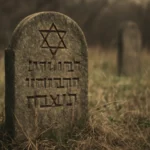
After the purchase, Sarah is buried in the cave at Machpelah, opposite Mamre. The scene functions on multiple levels: it marks the end of Sarah’s life and the beginning of a new phase in the family’s covenantal life. The cave becomes a family tomb, a site of memory and return, and a symbol of a stable, tangible root in the land promised to Abraham and his descendants.
Eliezer’s Quest: Finding a Wife for Isaac (Genesis 24)
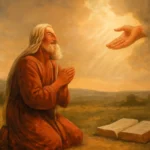
The next substantial thread follows Abraham’s servant, Eliezer, as he seeks a wife for Isaac. This story unfolds as a case study in faith and discernment. Abraham commands Eliezer not to choose a wife from the Canaanite neighbors but from his own kin—specifically from Abraham’s extended family in Haran. Eliezer prays for a sign: if a young woman offers water not only to him but also to his camels, she will be the chosen bride. The sign is fulfilled in the person of Rebekah, whose gracious hospitality and initiative align with Abraham’s expectations. The servant’s prayer and Rebekah’s actions model a trusted, collaborative approach to making a foundational life decision under God’s guidance.
The Marriage of Isaac and Rebekah: A Key Turning Point
Rebekah becomes the wife of Isaac, and the verses emphasize that Isaac loved her, which completes a biblical pattern of finding a godly, compatible partner for the next generation. This union not only secures Isaac’s future but continues the chain of blessing that begins with Abraham. The story also highlights the communal and familial aspects of marriage in ancient Near Eastern culture: the consent of the family, the care for the bride, and the alignment of choices with God’s overarching plan.
Abraham’s Later Years, Ketura, and the Cycle of Life (Genesis 25:1–18)
The parashah continues with Abraham’s marriage to Ketura after Sarah’s passing. Ketura bears children who extend Abraham’s lineage beyond Isaac, but the text also clarifies that Isaac remains the heir of the covenant. Abraham gives gifts to his other children, while reserving a special leadership and inheritance structure for Isaac. The narrative then shifts to the death of Abraham and his burial in Machpelah beside Sarah, with Ishmael joining Isaac in the burial. The genealogical material that follows (Genesis 25:12–18) traces the descendants of Ishmael and their territories, underscoring the broader kinship network that emerges from Abraham’s life.
Concluding Reflections: The Merge of Personal Memory and Public Promise
The arc from Sarah’s death to Abraham’s death demonstrates how a family preserves memory through physical space, ritual practices, and careful stewardship of wealth and marriage. The Machpelah cave embodies the tension between mortality and continuity: it is a burial place, yet it also becomes a symbol of a people’s rootedness in the land. The entire parashah foregrounds the ethical and spiritual dimensions of family life—honoring elders, respecting property rights, and seeking divine guidance in life-altering decisions.
Commentary: Traditional and Theological Insights
Scholars and traditional commentators offer layered readings of Chayei Sarah. While the surface narrative follows concrete events—death, purchase, marriage, and death again—midrashic and classical commentators illuminate deeper meanings:
Rashi (and other medieval commentators) often emphasize practical details and linguistic nuance. For example, the exchange over the purchase price of Machpelah highlights the Jewish value of honest commerce and the sanctity of burial rights. Rashi’s glosses frequently link the Hebrew phrasing about the field and cave to the idea that this spot would become a perpetual inheritance for Abraham’s line.
Ramban (Nachmanides) frequently explores the theological underpinnings of the Abraham–Sarah dynamic, focusing on divine providence guiding human actions—Eliezer’s prayer, Rebekah’s kindness, and the alignment of human choices with God’s plan for the future.
Ibn Ezra and Sforno offer insights on the moral and ethical dimensions of the negotiation with Ephron and the responsibilities associated with property, memory, and covenantal life in the land of Canaan.
Midrashic perspectives often read the Eliezer story as an exemplar of pious conduct, stressing the importance of compassion, hospitality, and the right motive in arranging a marriage that will sustain the covenant lineage.
Beyond traditional sources, modern commentators highlight the gender dynamics and familial diplomacy in this parashah. Rebekah’s decisive actions—providing water for the servant and his camels, and consenting to travel with him to marry Isaac—are celebrated as acts of generosity and proactive virtue within the framework of divine orchestration. Similarly, the careful, explicit description of the field’s purchase reframes money as a covenantal instrument rather than a mere transaction, reinforcing the sacred status of land, lineage, and memory.
Key Lessons for Contemporary Readers
What can readers today learn from the Chayei Sarah text? The following lessons emerge as especially relevant for families, communities, and individuals seeking meaning from biblical narratives:
Honor the dead while securing the future: The careful burial of Sarah and the establishment of Machpelah as a family tomb illustrate a dual ethic: reverent memory of those who have gone before, paired with practical steps to ensure the family’s continuity in the land.
Value integrity in negotiations: Abraham’s insistence on paying a fair price for the field signals the importance of fair dealing, courtesy, and transparency, even in matters that must be decided in a single moment under pressure.
Seek divine guidance in crucial decisions: Eliezer’s prayerful approach to identifying a wife for Isaac models a pattern of discernment that combines practical reasoning with faith in God’s providence. The narrative suggests that human planning is most effective when aligned with spiritual insight.
Hospitality as a virtue and a social bond: Rebekah’s generosity to a stranger illustrates hospitality not only as kindness but as a bridge that sustains community ties and divine purposes through the generations.
Legacy requires intentional family formation: The parashah places emphasis on choosing a life partner for the next generation and establishing a line of descent that carries forward divine promises. Marriage is portrayed as a spiritual and social project, not merely a personal union.
Memory as a sacred practice: The purchase of Machpelah shows that memory, ritual, and space are essential to keeping a people connected to their land and to their ancestral narratives.
Ethical possession of land and rights: The legal and ethical framing of land ownership underscores the idea that land is a covenantal, not merely a commercial, asset—an inheritance to be stewarded for future generations.
Variations in Interpretation: A Brief Survey
Across traditions, Chayei Sarah is read through multiple lenses. Some modern readers emphasis:
Historical-critical perspectives: How the text reflects ancient Near Eastern customs around burial, kinship, and property, and how these practices illuminate later Jewish legal and ritual frameworks.
Ethical and social dimensions: The way Abraham negotiates with Ephron and the family’s involvement in Arrangements—what it reveals about leadership, shared wealth, and communal obligations in ancient societies.
Literary and symbolic readings: Machpelah as a symbol of rootedness; Eliezer’s prayer as a model of faith in action; Rebekah’s character as a bridge figure connecting two generations.
Discussion Questions and Study Aids
The following prompts can help learners engage more deeply with Chayei Sarah:
How does the purchase of a burial site shape the narrative’s sense of belonging in the land of Canaan?
In what ways does Eliezer’s quest for a wife for Isaac model ethical discernment, and how does Rebekah’s response meet or exceed those expectations?
What does the text suggest about the balance between human agency and divine direction in crucial life decisions?
How do the different family members—Abraham, Sarah (through her absence), Eliezer, Rebekah, Isaac, Ketura—each contribute to the transmission of blessing and covenant?
What are the implications of Machpelah’s role as a family tomb for later biblical and rabbinic traditions about memory and land?
Practical Reflections for Education and Spiritual Practice
Educators and students can use Chayei Sarah to explore how biblical narratives combine narrative texture with moral and spiritual instruction. Some ideas:
Textual analysis: Compare the narrative pacing of the Sarah burial scene with the Eliezer story. How do different narrative structures convey themes of memory, law, and divine purpose?
Character studies: Examine Rebekah’s choices and how hospitality, obedience, and faith intersect in her decision to accompany Eliezer and marry Isaac.
Ethical decisions in leadership: Analyze Abraham’s negotiation style—how he asserts rights while maintaining a respectful, covenant-oriented stance toward the local populace.
Liturgical and ritual correlations: Consider how Machpelah appears in later Jewish liturgy and practice as a symbol of patriarchal continuity and sanctified space within the land.
Conclusion: The Living Text of Chayei Sarah
The Chayei Sarah Torah portion stands at a pivotal interface between memory and legacy. It begins with a solemn farewell to Sarah and culminates in the establishment of a lineage and a sacred landscape that will shape the biblical imagination for generations. The narrative’s artistry—combining a careful property transaction, a compelling quest for a life partner, and the quiet, steadfast fidelity of Abraham—offers enduring lessons about memory, covenant, and human partnership with the divine. For readers today, the parashah invites a reflective practice: to honor the past, steward the present, and invest in a future shaped by virtuous action, prudent stewardship, and unwavering faith.
Whether you encounter Chayei Sarah as a continuation of the patriarchal saga or as a study in ethical leadership and family formation, the Torah portion remains a rich resource for discussion, spiritual growth, and scholarly exploration. The life of Sarah, in its fullness — even as it passes into memory — becomes a living text that continues to instruct, challenge, and inspire.