What is the Hebrew Chai, and why is it called a life symbol?
At its core, the Hebrew chai is the word for life. It is formed by two letters, the ancient consonant ח and the Hebrew letter י, together creating the compact emblem that has traveled far beyond religious texts to become a universal life emblem. In everyday usage, the word is spoken as “chai”, often transliterated as “chay” or with diacritical variants such as “ḥay”, depending on transliteration conventions. The symbol is more than merely a linguistic unit; it is a cultural artifact, a visual sign, and a mnemonic reminder that vitality, growth, and endurance are central to Jewish history and to human experience in many communities around the world.
In this article, we explore the meaning, significance, and popular uses of the life symbol, tracing its linguistic roots, its numerological associations, its role in ritual and daily life, and its appearance in art, jewelry, philanthropy, and popular culture. We will also survey how different communities interpret and adapt the chai/chay symbol, and how its plain two-letter form—חי—can carry a wealth of intention in a single glance.
Etymology, meaning, and linguistic breadth
The Hebrew word chai is a noun whose primary meaning is “life.” It appears in biblical Hebrew and later rabbinic literature as a concept tied to flourishing, vitality, and the blessings of living. The two-letter composition—ח and י—is deliberately compact, allowing it to function like a traditional emblem in graphic design, jewelry, and ornamentation.
In practice, the term chai informs a broad semantic field. It can refer to the quality of being alive, the strength and vitality of a person, and the general sense of blessed life. When people speak of “living a good life,” they often invoke the same life-affirming spirit that the word embodies. In modern Hebrew, the word remains a staple in everyday conversation and in ceremonial language alike.
Two letters, one emblem: the letters that form the symbol
The symbol rests on the combination of two letters:
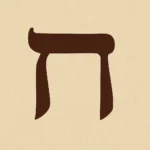
ח (chet) — often associated with life and living things; its soft, open form suggests breath, movement, and continuity.
י (yod) — a small, high-stroke that represents singularity, effort, and the spark of life that begins in the self.
Together, חי communicates a sense of vitality that transcends a single moment. It invites reflection on how life is nurtured, cherished, and passed along to future generations.
Numerical value and the symbolic weight of 18
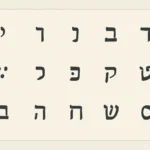
In Jewish tradition, each Hebrew letter is assigned a numerical value (gematria). The letters that compose chai add up to 18. This numerical fact—chai = 18—is not merely arithmetic; it has a cultural and ritual resonance.
The association with the number 18 has led to a powerful tradition: gifts, donations, and charitable contributions are frequently given in multiples of 18 to symbolize the blessing of life and to confer an auspicious, life-affirming energy on the act of giving. The practice of giving “chai” or “twice chai” (36) or multiples thereof is common in philanthropy, fundraising for community organizations, and even personal milestones such as weddings, births, or notable achievements.
The significance of 18 arises from the gematria of the letters that spell life. Over centuries, Jewish communities have embraced 18 as a number that stands for vitality, longevity, and good fortune. In practical terms, this has translated into a tradition of celebrating life through acts of generosity, as a way to amplify the life-energy that the word chai embodies.
In today’s global Jewish diaspora, the 18 motif appears in jewelry, charm bracelets, charity drives, and campus programs—always with the underlying message of vitality and communal flourishing.
Historical roots and contemporary adoption
The word chai has ancient roots in the Hebrew language, well before modern branding and design. In biblical and post-biblical texts, life is depicted as a blessing to be safeguarded and celebrated. Over time, the symbol evolved into a recognizable emblem that conveys a universal wish for health, happiness, and continued existence.
In the modern era, the chai symbol transcended religious contexts to become a cultural icon. It appears in jewelry and decorative objects, where the two-letter form is often stylized into an elegant motif. It also enters the realm of design and fashion, where the crisp geometry of the letters can be integrated into logos, branding, and personal adornment.
From liturgy to daily life: the broad reach of the symbol
Historically, life as a overarching value appears in prayers and blessings that invoke continued existence, health, and resilience. In the home and at celebrations—such as weddings, births, and bar/bat mitzvahs—the chai symbol serves as a constant reminder to treasure every breath and every moment. In this sense, chai links liturgical language with secular celebrations.
Chai in daily life, ritual use, and language
The symbolism of chai is most visible in ordinary acts that honor life. When people toast with L’chaim — literally “to life” — they are invoking the same core idea wrapped in the symbol: to celebrate the present, to wish future health, and to acknowledge life’s preciousness.
L’chaim: a toast to life
The phrase L’chaim is a quintessential example of how the word chai travels from a semantic unit to a social invocation. In gatherings—weddings, Shabbat meals, birthday parties, and communal celebrations—participants raise glasses and utter L’chaim, echoing the life-affirming spirit of the symbol.
Expressions and phrases that carry the life theme
Chai or chay as a greeting or blessing in social settings.
References to living well or long life in personal notes and rabbinic discourses.
Gifts described as life-affirming or given in multiples of 18 to symbolize flourishing.
In addition to religious contexts, the chai symbol features in art, home decor, and jewelry that people wear as a daily reminder of resilience, hope, and gratitude for life.
One of the most enduring flows of the life symbol is its appearance in visual design. The two-letter motif readily lends itself to elegant graphic treatments, and its cultural resonance makes it a meaningful gift and a statement piece.
Jewelry, charms, and wearable art
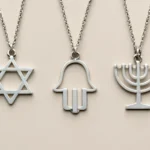
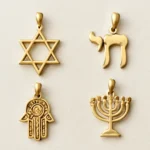
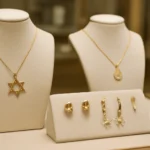
Necklaces, pendants, and charms that feature the chai motif in silver, gold, or mixed metals.
Bracelets and earrings that present the two-letter form or the Hebrew word in stylized calligraphy.
Tattoo designs that incorporate the letters ח and י or the full word חי as a personal affirmation of life.
Decor, typography, and calligraphic forms
In home decor and wall art, the chai symbol can be rendered in minimalist, geometric, or highly ornate calligraphy. Designers explore variations such as:
Monoline and sans-serif interpretations that emphasize modern simplicity.
Brush-script or traditional calligraphic styles that reflect familial, ritual, or historical aesthetics.
Integrations with other symbols of blessing, such as the menorah, olive branches, or the Star of David, to create a composite “life-and-light” motif.
The durable appeal of chai lies in its compact form and universal message. It can be a focal point in a design or a subtle accent that carries a deep sense of meaning for those who understand its language.
Chai as a symbol of resilience, meaning, and ethical living
Beyond aesthetics, the chai symbol invites reflection on how individuals conduct their lives. The two letters together are a reminder that life is a continuous process—of growth, learning, and response to challenges. When people adopt the symbol in personal contexts, it often signals a commitment to values such as generosity, responsibility, and hope.
Life as a guiding principle
In ethical philosophy and contemporary spirituality, chai can be interpreted as a call to nurture vitality—physically, emotionally, and communally. This perspective aligns with Jewish teachings about tikkun olam (repairing the world) and acts of kindness that sustain life in communities facing hardships.
Resilience in the face of adversity
The symbolism of life also carries an implicit message of perseverance. The existence of the symbol across centuries—through times of persecution and upheaval—underscores a collective memory: that life can endure, adapt, and thrive, even when circumstances are difficult.
Variations, transliterations, and cross-cultural reach
While the canonical form of the symbol is the two-letter Hebrew sequence חי, people encounter a range of representations that convey the same idea.
Transliteration variations
chai — the most common English rendering.
chay — a variant that preserves more of the original vowel sound.
ḥai — an aspirated form that captures the initial sound with a transliteration convention using a Hebrew diacritic.
Script and typographic variations
In typography, the symbol can appear in modern sans-serif styles or in traditional calligraphic scripts. Some designers treat the two letters as a single glyph, others display them side by side as distinct characters. In all cases, the core meaning remains untouched: life and vitality.
Cross-cultural usage
The concept of life is universal, and the chai symbol has found resonance beyond Jewish communities. People of diverse backgrounds use the symbol in jewelry, decorative art, and tattoos as a general affirmation of life, health, and hope. In many cases, the symbol serves as a bridge between cultures, offering a concise, visually appealing reminder of shared human values.
Practical guidance: how to incorporate the chai symbol into gifts, home, and personal practice
If you are considering incorporating the life symbol into your life or as a thoughtful gift, here are practical ideas that respect the symbol’s meaning and honor its heritage.
Gifts and personal adornment
Choose chai-themed jewelry in precious metals or meaningful materials to mark life transitions such as birthdays, weddings, or new chapters.
Opt for wall art or decorative boxes that feature the two-letter motif חי in a design that matches the recipient’s style—minimalist, rustic, or ornate.
Include a note that explains the symbolic significance of chai to add depth to the gift.
Home decor and symbolism
Display a framed piece that features חי alongside a personal quote about life’s blessings.
In the kitchen or dining area, pair the symbol with a toast-worthy phrase like L’chaim, reinforcing the link between nourishment and life.
Philanthropy and community practices
Use multiples of 18 when setting fundraising targets to evoke the life-energy associated with chai.
In community events, include a brief explanation of the symbol so participants understand its meaning and significance.
Global reach and secular uses of the life symbol
Although rooted in Jewish culture, the life symbol has spilled into global art and commerce. Designers, educators, and wellness professionals sometimes employ the chai motif to signify vitality, resilience, and personal growth. This cross-cultural adoption highlights how a concise linguistic symbol can carry universal resonance while preserving its distinctive origin.
Educational contexts
In classrooms and cultural programs, the chai motif can be used as a teaching tool to discuss language, symbol, and meaning. Students may explore how a two-letter combination can travel across languages and cultures, acquiring new layers of significance.
Wellness and motivation
In wellness circles, the life symbol is sometimes used as a reminder to prioritize self-care, vitality, and continuous growth. The brevity of the symbol makes it easy to adopt in daily routines, journaling, or digital wallpapers as a small but potent cue to live well.
A practical guide to reading, interpreting, and using the chai symbol responsibly
As with any cultural symbol, respectful engagement matters. The chai symbol carries deep historical and religious associations for many communities. If you are exploring its use:
Educate yourself about the symbol’s origins and meanings, and acknowledge its connections to Jewish life and tradition.
Be mindful of contexts where the symbol might have sacred significance, and approach its display with sensitivity.
When gifting, consider accompanying materials that explain the symbol’s meaning to avoid cultural misinterpretation.
For many people, the chai motif is a positive, affirmative symbol—an invitation to celebrate life, to give generously, and to approach the world with vitality. Whether you encounter it as חי in Hebrew typography, as a jewelry motif, or as a conceptual reminder, the life symbol remains a compact, potent beacon of meaning.
Conclusion: The living symbol that travels with you
The Hebrew chai is more than a word. It is a compact, enduring emblem that encodes a philosophy of life—its value, its fragility, and its capacity to endure. The two letters that form חי carry with them a rich tapestry of religious, cultural, and personal associations. From liturgical beginnings to modern design, from compassionate philanthropy to everyday gestures of well-being, the life symbol continues to inspire people to pause, appreciate, and act in ways that nurture life in themselves and others.
Whether you encounter chai as a necklace charm, a piece of wall art, a toast at a celebration, or a moment of quiet reflection, you are witnessing a translation of ancient wisdom into contemporary living. The enduring appeal of the life symbol lies in its simplicity and its depth: life, in all its forms, deserves to be celebrated, protected, and shared.