When people ask how long does a Jewish funeral last, there isn’t a single, universal answer. Jewish funeral practice is shaped by tradition, denomination, community custom, and practical considerations. The length of the levaya (funeral processional and service) is usually brief, but the surrounding rituals—such as preparation of the body, burial, and the days of mourning that follow—can extend the experience for several days and weeks. This article explains timings, rituals, and traditions that influence the duration of a Jewish funeral, including the typical length of the service, how burial is handled, and how mourning periods unfold.
In Judaism, the funeral is a single moment within a broader flow of reverence for the deceased and for the living who grieve. The central event—the levaya—is often a concise ceremony conducted at the cemetery or a funeral home, with a short service followed by burial. However, several factors can alter the total time associated with the funeral day:
Denominational practice: Orthodox, Conservative, Reform, and other communities have distinct customs that can affect how long the service lasts and whether certain elements are included.
Location: Services at a synagogue, cemetery, or funeral home may differ in length due to logistical arrangements, eulogies, or readings.
Scheduling constraints: Jewish law encourages burial as soon as possible after death, typically within 24 hours when feasible, but practical issues (Sabbath, holidays, transportation) can shift timing.
Eulogies and readings: The number and length of eulogies or testimonies can add time to the ceremony; some traditions limit the number of speakers or keep remarks brief.
Post-burial rituals: After the burial, mourners may observe immediate post-funeral customs or begin the seven-day shivah at home, which is part of the broader mourning timeline.
Timing of a Jewish funeral: from death to burial
Understanding the timeline of a Jewish funeral requires separating the immediate burial rite from the longer cycle of mourning. Below are key phases and typical timeframes, with notes on what can cause variation.
Immediate disposition and preparation
Traditionally, the body is prepared by the Chevra Kadisha (holy society) through a ritual washing and dressing in tachrichim (simple shrouds). This preparation is a solemn, respectful stage that precedes the levaya and is not a public event, though family may observe. In many communities, this act occurs promptly after death, often within hours, especially if there is a same-day burial. Variations occur when the death happens on Shabbat or a festival, requiring the burial to be postponed to a permissible time. In such cases, the levaya is scheduled for the next allowed day, but the general aim remains to bury as soon as practicable.
The Levaya: the funeral procession and service
The levaya itself is typically a relatively brief ceremony. In many communities, the service lasts about 30 to 60 minutes, though it can be shorter or longer depending on local custom and whether there are eulogies or musical elements. During the levaya, mourners may recite or listen to psalms, and a rabbi or choirmaster leads prayers such as El Maleh Rachamim and Kaddish (often recited by mourners rather than by the rabbi). The service culminates in the burial, which is performed promptly after the prayers. In Orthodox communities, the burial itself may be executed quickly with a minimal ceremony at the graveside, while in other communities there may be more ritual exchanges at the cemetery gate or a brief procession to the grave site.
The burial itself
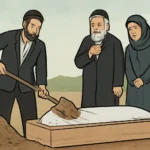
The actual putting of the body into the ground is a central, solemn moment. The act of burial is often brisk and unadorned—the aim is to complete the act with humility and dignity. Depending on the cemetery and transportation logistics, this portion can take a few minutes to a longer, coordinated sequence. After the body is interred, some mourners recite the Kaddish and offer final respects. While the burial ceremony is short, its emotional weight is profound and signals the transition from the life of the deceased to the mourning process for the family.
In many communities, after the burial there is a brief return to the gathering place (for example, a synagogue hall, funeral home, or family home) where mourners may share remembrances or receive condolences. This post-burial gathering can add additional minutes to the overall day, sometimes extending the day’s activities to an hour or two, depending on the size of the gathering and local custom.
Rituals and traditions that shape the duration
Judaism encompasses a suite of rituals surrounding death that influence how long the funeral day and early mourning period feel. Here are several core elements and how they contribute to the length and experience of the event.
Taharah and tachrichim
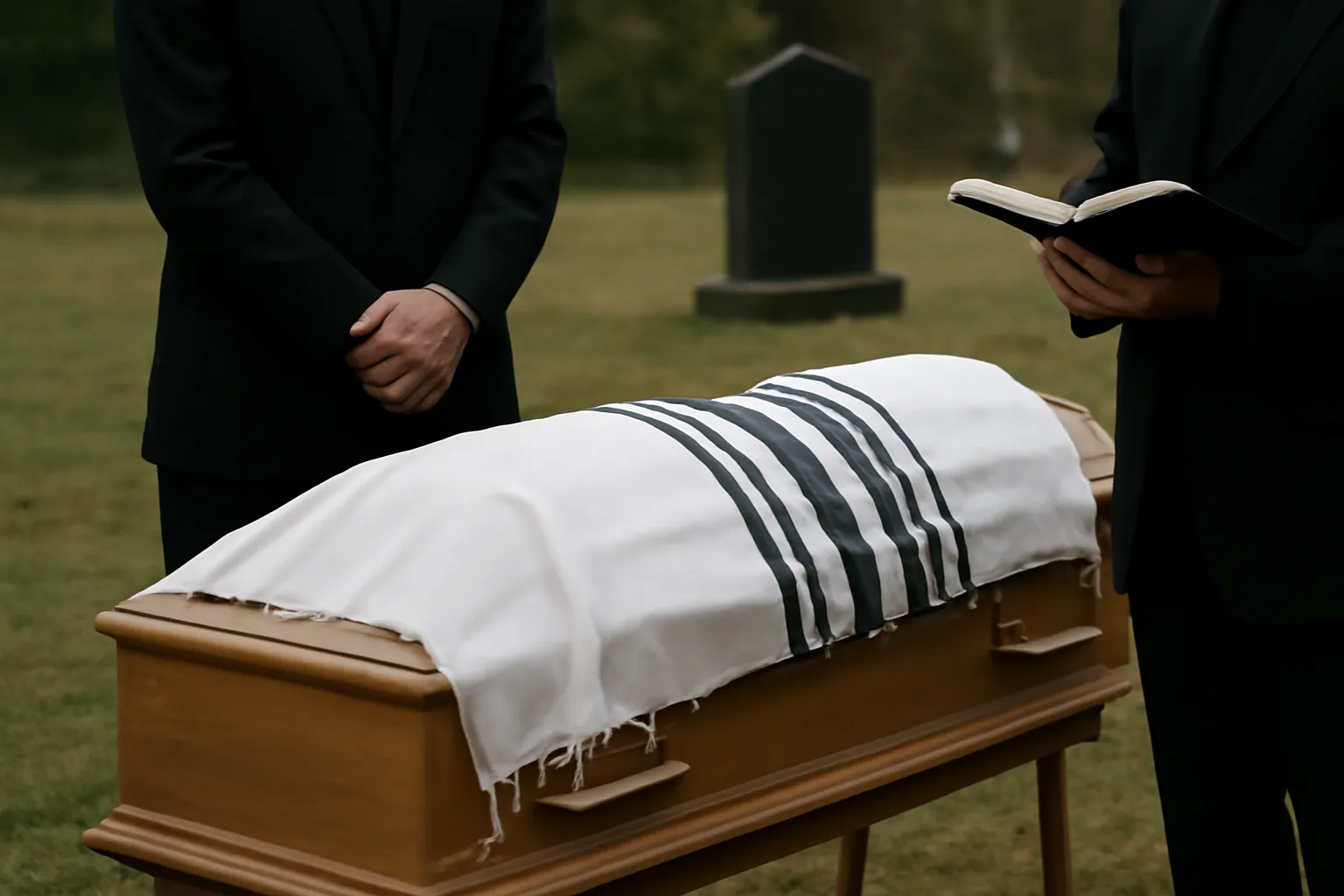
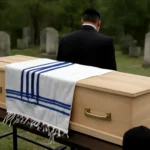
The preparation ritual of taharah is performed by the Chevra Kadisha, a practice that emphasizes humility and equality of all in death. The body is washed, purified, and dressed in tachrichim (simple white shrouds) and a tallit if the deceased was male; the shrouds symbolize equality in death, as all are equal before God. Although taharah is typically a private ritual, it occurs promptly and shapes the timing of the funeral by enabling the levaya to proceed on schedule.
The levaya: solemn procession and prayers
The levaya often includes a procession from the home or place of viewing to the cemetery, followed by a short service and interment. The structure and length of the levaya are usually consistent across communities, but some may include additional readings, songs, or eulogies that extend the ceremony. If the funeral takes place at a synagogue, the service might be held in the sanctuary; if at a cemetery, the processional route to the grave can add time to the day’s events.
Eulogies and reflections
In many communities, a eulogy (or several) is offered by family, close friends, or a rabbi. The number and length of eulogies vary widely. Some traditions emphasize a brief set of remarks, while others allow more expansive tributes. The presence and length of eulogies can noticeably affect the overall duration of the funeral service, sometimes adding 10–30 minutes or more depending on how many speakers participate.
Variations by denomination and community
Different Jewish denominations emphasize distinct practices, which in turn affect how long a funeral lasts. Here are some broad tendencies you might encounter, keeping in mind that local custom can differ even within the same denomination.
Orthodox communities
The funeral service is often concise, with a focus on levaya and the burial.
Eulogies may be limited or brief; some communities emphasize austere traditions and minimize lengthy speeches.
Burial is typically arranged promptly, and rituals such as kaddish yatom may be recited by mourners after the burial during the subsequent shiva period.
Conservative communities
Funerals may include modest eulogies and a formal service led by a rabbi or cantor.
There is often a balance between brevity and meaningful readings; the total service might run around 40–60 minutes, though variability remains.
Conservative congregations may integrate both Hebrew and English readings, potentially influencing duration.
Reform and non-Orthodox communities
Funerals can be more varied in structure, with services that may include contemporary music or readings in English alongside Hebrew.
The length of services tends to be flexible, frequently ranging from 30 to 90 minutes depending on speakers and customs.
Some communities emphasize personal reflections and may allow longer tributes, which can extend the duration.
The broader mourning timeline: how long does a Jewish funeral last in practice?
Beyond the final burial, Jewish mourning rituals unfold over days, weeks, and months. The overall mourning timeline shapes how long families feel connected to the funeral and its impact. Here are the principal phases most commonly observed in traditional practice:
The shiva period lasts seven days starting after the burial. Family and close friends gather at the mourners’ home for prayer, reflection, and memory sharing. The duration of the shivah observance itself is fixed at seven days, but the emotional and social process can extend as mourners interact with visitors and sit with family memories.
Sheloshim (the 30-day mourning period)
After the seven-day shivah, many mourners observe Sheloshim (the 30 days following burial). This is a more extended period during which mourners gradually return to daily life but retain a heightened sense of loss. The idea is to ease back into routine while keeping the memory of the deceased present in daily life.
Avelut for parents and extended periods
In some cases, mourners observe a longer period of avelut for a parent or close relative—typically 11 months for a parent in many traditions and 12 months in some communities. While not every custom imposes a strict schedule, this extended period emphasizes ongoing remembrance and supports the transition from intense early grief to a more integrated sense of loss over time.
Kaddish and ongoing remembrance
The Kaddish prayer is recited by mourners at various intervals after the burial, both during the initial mourning period and in regular prayer services in the weeks and months that follow. The public recitation of Kaddish is a ritual that continues to connect the living with the deceased and with the community of mourners.
Practical guidance: planning around the timing of a Jewish funeral
If you are planning or attending a Jewish funeral, these practical considerations can help you understand what to expect and how to prepare for the timing.
Ask about the schedule: When death occurs, ask the funeral home or the rabbi about the expected timing for levaya and burial, especially if death occurs on Shabbat or a holiday.
Be prepared for brevity or length: If you are attending a service, know that eulogies may be brief in some communities and longer in others. Bring a program if one is provided, and be prepared for variations in language (Hebrew, English, or both).
Consider logistics for mourners: For those traveling to attend, plan for modest travel times and note that many communities maintain an order that respects the solemnity of the occasion.
Respect mourning customs: Some practices, such as sitting on low chairs for the shiva or avoiding certain foods or activities, are meaningful to many families. If you are uncertain, ask respectfully what is appropriate to observe.
What to expect in different environments: synagogue, cemetery, or funeral home
The physical setting can influence how the service unfolds and how long it lasts. Here are some common environments and how they may shape the duration of the funeral process.
Synagogue-based funerals
Expect a service led by a rabbi or cantor, often with Hebrew prayers and some readings in English.
There may be arranged eulogies or tributes, which can extend the service beyond the 30–60 minute window.
Post-service gatherings at the synagogue are common in some communities, adding to the overall event length.
Cemetery-based levayas
The levaya is frequently a compact, outdoor service at the gravesite or a nearby chapel.
Interment is usually performed promptly after prayers, with a focus on the act of burial itself.
After burial, mourners may return to a reception area or home for further remembrances, contributing to the broader day’s duration.
In some regions, the funeral service and burial can be organized by a funeral home in coordination with the Chevra Kadisha and the family.
The length of the service at a funeral home is typically similar to that of a synagogue or cemetery, but logistics vary by location.
Common questions about the duration of a Jewish funeral
Here are answers to questions people frequently ask about how long a Jewish funeral lasts and related rituals. This section uses variations of the phrase “how long does a Jewish funeral last” to clarify timing and expectations.
How long does a Jewish funeral last on the day of the burial? Most levayas run about 30 to 60 minutes, with some services shorter and others longer depending on speakers and community customs.
How long does a Jewish funeral last if there are multiple eulogies? If several family members or friends offer remarks, the service may extend by 20–40 minutes or more, depending on the length of each tribute.
How long does a Jewish funeral last in a synagogue vs. a cemetery? The structural differences (sanctuary service vs. graveside ceremony) may slightly affect duration, but most levayas are designed to be concise and dignified, typically around 40–60 minutes in total for the core ceremony.
How long does a Jewish funeral last after burial? The immediate burial is the focal point of the day. Post-burial gatherings vary in length, from a brief reception to several hours, depending on family preference and community norms.
How long does the mourning period last? The most intense mourning period is the seven days of shiva, followed by the 30 days of sheloshim, and then extended periods (up to 11–12 months for certain relatives) in which remembrance and rituals continue. These durations are part of a broader tradition of mourning rather than a single day.
Understanding the vocabulary can help readers grasp the length and structure of Jewish funeral practices. Here are several important terms, with brief explanations:
Levyah (levaya): the funeral procession and service, including burial.
Chevra Kadisha: the holy society responsible for ritual purification and preparation of the body.
Tachrichim: simple white burial garments used to dress the body.
Kaddish: a prayer recited by mourners, central to the mourning process.
Shiva: the seven-day mourning period following burial.
Sheloshim: the 30-day mourning period following burial.
Avelut: general mourning period, which can extend beyond the initial shiva and sheloshim in cases of close relatives.
Whether you are a friend, family member, or colleague attending a Jewish funeral, these practical tips can help you participate respectfully and understand the timing expectations:
Arrive on time: Punctuality is appreciated, though the service may begin a few minutes after the scheduled time. If you need to arrive late, enter quietly and follow the lead of the mourners and organizers.
Dress modestly and conservatively: Traditional attire for mourners is modest, often in dark colors. Guests should aim for respectful clothing as well.
Follow the lead of the rabbi or cantor: Prayers, readings, and responses are guided by the officiant; when in doubt, listen and participate where appropriate.
Do not bring food into the sanctuary during mourning: Some communities have customs about meals of condolence (shiva meals) at the home of the mourners rather than at the service site. Respect local practices.
Offer condolences appropriately: In the shiva period, visitors offer condolence expressions and share memories. A simple expression of sympathy is often welcome, and you may be invited to share a memory of the deceased.
Conclusion: the enduring meaning of the funeral duration
So, how long does a Jewish funeral last? The answer varies. The central levaya is typically a concise ceremony—often 30 to 60 minutes—that culminates in burial. The surrounding rituals—taharah, the procession, and potential eulogies—shape the day’s total duration. Beyond the funeral day, the mourning process extends over the following seven days (shivah) and beyond (sheloshim and long-term mourning), forming a structured arc that helps families honor memory while slowly reintegrating into daily life.
Ultimately, the duration of a Jewish funeral reflects a balance between dignity and efficiency, reverence for the deceased, support for the living, and the communal obligation to remember. By understanding the typical timings, rituals, and traditions—and recognizing that practices vary by community—you can approach a Jewish funeral with clarity and sensitivity. Whether you search for a precise minute-by-minute timetable or seek a broader sense of the experience, you are engaging with a tradition that places profound importance on the respect owed to the dead and the healing path of the living.