Jewish Slow Cooker Brisket: Tender, Traditional Recipe for Every Celebration
Jewish slow cooker brisket is more than a dish; it is a culinary tradition that spans families, generations, and holy days. In many homes, the act of braising meat slowly becomes a ritual in itself—one that mirrors the patience and warmth of gatherings around the table. When the brisket is finished, the kitchen smells of simmered onions, caramelized garlic, and a gleaming glaze that invites everyone to pull up a chair. The Jewish slow cooker brisket is designed to be forgiving, scalable, and reliably succulent, making it a staple for everyday dinners as well as elaborate holiday meals. Whether you are feeding a crowd on Shabbat, preparing a classic dish for Passover, or simply wanting a comforting, deeply flavorful main course, this method delivers tenderness and depth with minimal hands-on time.
Why a Slow Cooker Brisket Works for Jewish Celebrations
There is something inherently celebratory about a braised brisket in a slow cooker. The low, steady heat transforms the tough cut into a tender, sliceable centerpiece while infusing the meat with the sweet-salty notes that many Jewish holiday menus relish. The slow cooker is especially beloved during Shabbat prep because it allows cooks to set the dish before the Sabbath begins and keep it warm, avoiding the need to tend a hot pot over the course of a day of rest. For long celebrations or family reunions, a single large sundown-to-supper brisket can feed many mouths with generous servings.
When planning a Jewish feast, procedural flexibility matters. A Jewish slow cooker brisket adapts to dietary considerations—gluten-free sauces, kosher ingredients, and optional substitutions—without sacrificing flavor. The recipe can be tailored to reflect regional Jewish cuisines, whether Ashkenazi-descended, Sephardic-leaning, or a modern fusion. The key is to balance the meat’s natural richness with aromatics, a bright acidic note, and a well-rounded glaze that clings to every slice.
Choosing the Right Brisket for This Recipe
The brisket cut is a primal choice for slow braising, and the selection sets the foundation for success. There are two main parts of the brisket you’ll encounter:
Flat cut (or first-cut brisket): leaner and more uniform, which yields neat, uniform slices but may be less forgiving if overcooked. It benefits from careful trimming and a longer, slow braise to prevent dryness.
Point cut (the deckle): fattier and more marbled, offering rich flavor and a juicier finish. It’s forgiving in the slow cooker and often yields superb, tender portions with a luscious texture.
In most home kitchens, a brisket in the 3 to 5-pound range (about 1.4 to 2.3 kilograms) works beautifully in a standard 6- to 7-quart slow cooker. If you opt for a larger cut, you may need to adjust the liquids and cooking time slightly. When trimming, remove excess surface fat while leaving a thin layer to baste the meat during braising. A balance between meat and fat helps the piece stay moist and flavorful through a long cook.
Kosher considerations can guide your selections. If you keep kosher, choose a brisket labeled Kosher and ensure all flavorings and broths are certified kosher. If using dairy-containing ingredients, keep them separate from meat to maintain kashrut. If you intend to serve the dish during Passover, select ingredients that are certified for Passover and avoid any leavening agents or gluten-containing components in the sauce.
Flavor Profiles and Variations for the Jewish Slow Cooker Brisket
The core technique remains the same—low, slow braising with a flavorful liquid—but the flavor combinations can vary dramatically. Below are several well-loved variations that are both traditional in spirit and creative in execution. Each variation is suitable for a Jewish slow cooker brisket, enabling you to tailor the dish to the celebration, season, or culinary mood.
Classic Onion-Garlic Brisket
This is the timeless version that echoes family kitchens across generations. The foundation relies on onions caramelized to sweetness, garlic, tomatoes or tomato paste, beef broth, and a touch of sweetness to balance the savoriness.
Brisket (3–5 lb/1.4–2.3 kg)
Onions (2–3 large, sliced)
Garlic (3–5 cloves, minced)
Beef broth or chicken broth (in kosher form, about 1–2 cups)
Tomato paste or crushed tomatoes (1/2 to 1 cup)
Red wine or fruit juice (optional, 1/2 to 1 cup)
Brown sugar or honey (1–2 tablespoons)
Worcestershire sauce (kosher, optional)
Bay leaves (1–2)
Salt and pepper to taste
In this variation, sear the brisket to develop a deep brown crust, and layer the onions at the bottom of the slow cooker so they caramelize as the meat braises. The sauce is generous and comforting, with a gentle acidity from tomatoes and a glossy finish from the reduced braising liquid.
Coffee-Chocolate Brisket with a Subtle Smokiness
A modern take that adds depth through cocoa, a hint of coffee, and a smoky edge. This slow cooker brisket variation accents the natural beefiness with earthy notes that pair nicely with roasted vegetables and root-side dishes.
Brisket (3–5 lb)
Onions (2–3, sliced)
Garlic (2–3 cloves)
Beef broth (2 cups)
Tomato paste (2 tablespoons)
Brewed coffee (1/2 to 3/4 cup, strong and unsweetened)
Unsweetened cocoa powder (1 tablespoon)
Brown sugar (1 tablespoon) and gluten-free soy sauce (1–2 tablespoons)
Bay leaves, smoked paprika (1 teaspoon)
The method remains consistent: sear, deglaze, add aromatics and spices, then braise on low heat until tender. The result is a brisket with an intriguing, tea-like bitterness that is pleasantly rounded by the sweetness of onions and a gentle smokiness from the paprika.
Sweet and Tart Apple-Brisket for Fall and Festive Meals
A seasonal favorite blends fruit with meat, offering a bright note that cuts through the richness. Apples lend a natural sweetness, while a splash of vinegar or lemon juice adds needed acidity.
Brisket (3–5 lb)
Onions (2–3)
Apples (2–3, sliced)
Apple cider or broth (1–2 cups)
Cider vinegar or lemon juice (1–2 tablespoons)
Sugar or honey (1–2 tablespoons)
Garlic, Bay leaves, and salt/pepper
The fruity acidity brightens the sauce and creates a glossy glaze that clings to the braised slices. This variation pairs beautifully with roasted vegetables and a kugel for a classic holiday table.
Herb-and-Citrus Brisket with Fresh Lift
For a lighter, more aromatic profile, you can emphasize citrus zest and fresh herbs. This version is particularly welcome during spring or for festive dinners where bright, herb-forward flavors are desired.
Brisket (3–5 lb)
Lemons (zest and juice)
Oranges (zest)
Fresh herbs (thyme, rosemary, parsley)
Olive oil (a light drizzle)
Beef broth (1–2 cups)
Sear the meat and use the citrus zest to perfume the pan, keeping the sauce bright with herbaceous notes. The surface of the brisket takes on a delicate sheen from the citrus oils, making for a visually appealing and fragrant dish.
Step-by-Step Guide: From Prep to Plate
Below is a practical, kitchen-tested workflow for a reliable Jewish slow cooker brisket. The steps cover preparation, braising, finishing, and serving. You can apply the same method to any of the flavor profiles described above.
Trim and season: Trim excess fat from the brisket, leaving a thin layer for moisture. Season generously with salt, pepper, and optional spices such as paprika or garlic powder.
Sear for depth: In a heavy skillet, heat a small amount of oil over medium-high heat. Sear the brisket on all sides until deeply browned. This step builds a robust, caramelized crust that will enrich the sauce.
Aromatic base: Transfer the brisket to the slow cooker. Add sliced onions and minced garlic to the pan you used for searing; cook briefly to pick up browned bits, then transfer them to the slow cooker. You can also caramelize onions fully if you prefer a deeper onion flavor.
Deglaze and combine: Deglaze the skillet with broth, wine, or another liquid, scraping up browned bits. Pour the mixture over the brisket in the slow cooker. Add tomato paste, herbs, bay leaves, and the flavoring ingredients from your chosen variation.
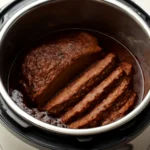
Low and slow: Cover and cook on low for 8–10 hours (or on high for 4–6 hours) until the meat is fork-tender and the sauce has thickened. Avoid frequent opening of the lid to keep the braising environment stable.
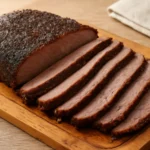
Rest and slice: Remove the brisket from the slow cooker and let it rest for 15–20 minutes before slicing. Cut against the grain to achieve tender slices. If you want extra glaze, simmer the braising liquid on the stovetop to reduce to a thicker consistency and spoon over the slices.
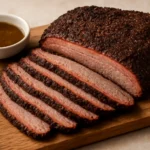
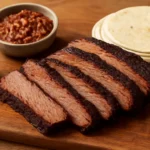
Serve: Arrange slices on a platter, spoon some sauce over the meat, and garnish with fresh herbs if desired. Serve with traditional accompaniments and a bright salad or roasted vegetables.
Make-Ahead, Freezer-Friendly, and Storage Tips
A hallmark of a good kosher-friendly brisket is its convenience for future meals. The flavors often deepen after a night in the fridge, and the dish freezes well, making it ideal for planning celebratory feasts or Shabbat lunches.
Make ahead: The brisket and sauce can be prepared a day ahead. Cool completely, refrigerate in a covered container, and reheat gently in a slow cooker or oven before serving. The tenderness often improves after a rest in the fridge.
Freezer-friendly: Slice cooled brisket and freeze in a shallow layer of the sauce. Use within 2–3 months for best texture. Thaw overnight in the fridge and reheat in a slow cooker with a splash of stock or water.
Storage: Refrigerate leftovers in a sealed container for up to 4 days. The sauce will thicken as it chills; reheat with a little stock to loosen it.
Serving Ideas and Sides for This Celebratory Dish
A great braised brisket deserves sides that complement the richness without overwhelming it. Classic Jewish meals feature starches and vegetables that harmonize with the meat’s depth.
Roasted potatoes or potato kugel: Simple, comforting starches that soak up the pan juices.
Kugel (noodle or potato): A traditional, crowd-pleasing side that adds a comforting, homey note.
Carrots and root vegetables: Roasted carrots, parsnips, and Brussels sprouts provide color and sweetness.
Salads: A crisp cucumber-tennive and tomato salad with lemon and dill offers brightness to balance the meal.
Sauces and pickles: A little extra sauce on the side and some tangy pickles can brighten the plate and cleanse the palate between bites.
When you intend to serve the dish at a holiday table, consider plating the brisket with a few slices of onion ring garnish and a ring of sour cream or cashew cream for those who enjoy a dairy accent. If dairy is not part of your plan, simply savor the brisket with its natural glaze and the sides listed above for a perfectly balanced plate.
Traditions and Occasions: How This Dish Fits Jewish Celebrations
The Jewish slow cooker brisket is a flexible centerpiece that can anchor diverse celebrations. It is a familiar, comforting mainstay at Shabbat dinners—where families often prepare it in advance and reheat on Friday—while also shining on Rosh Hashanah tables, Hanukkah feasts, weddings, and family reunions. Its timeless appeal stems from both its flavor and the ritual of preparing a dish that smells like home.
For Passover, you can adapt the recipe to avoid chametz and gluten while still delivering a deeply satisfying meal. Use gluten-free thickeners (or omit tomato paste that contains gluten in some brands) and select kosher ingredients that carry a Passover certification. The technique remains the same: low, slow braising in a well-flavored liquid yields a tender piece of brisket that stands up to festive sides like matzo farfel, potato kugel, or roasted vegetables.
Kosher Considerations for Slow-Cooked Brisket
If keeping kosher, plan your cooking process to reflect the separation of meat and dairy and to ensure that all seasonings, broths, and sauces are certified kosher. Some practical tips:
Separate equipment: Use a dedicated slow cooker for meat if possible to avoid cross-contamination with dairy. If you must share equipment, thoroughly clean and designate it for meat use only.
Kosher ingredients: Choose Kosher-certified broths, sauces, and flavorings. Verify that the Worcestershire sauce and any soy sauce used are certified kosher and do not contain non-kosher additives.
Wine and vinegar: If you include wine, select kosher-certified options. If you are avoiding wine, substitute with grape juice or extra broth to maintain moisture and flavor.
For Passover, ensure grains or gluten-free substitutes are used if needed, and guard against leavening in any sauces. The core method remains identical, so you can enjoy a Passover-friendly brisket that still feels quintessentially Jewish in its comforting flavors.
Troubleshooting Common Issues with Slow-Cooker Brisket
Even with a trusted method, home cooks encounter a few common challenges. Here are practical fixes to keep your Jewish slow cooker brisket reliably satisfying.
Collapses or dryness: If the brisket turns out drier than desired, it may be overcooked or sliced too thin. Try slicing slightly thicker next time and keep the cooking time within the recommended range. Also, ensure you leave a margin of fat for moisture.
Meat too tender or shredding: If the brisket is falling apart excessively, reduce the cooking time a bit or check the cut. A well-structured cut, sliced against the grain, helps maintain a pleasing texture.
Thin sauce: If the sauce is too thin, remove the meat and simmer the braising liquid on the stovetop to reduce it, then pour over the meat. A cornstarch slurry (gluten-free if needed) can thicken the sauce further.
Overly salty: If the sauce becomes salty, balance with a splash of acidity (lemon juice or vinegar) and a touch of sweetness. Rushing to balance with more liquid can also help.
Uneven flavor: Stir the glaze with the onions and re-baste the meat during the final stage of cooking to ensure even flavor distribution, especially if you added separate flavor components like coffee or dried fruit.
Remember that every slow cooker behaves differently. If you are using a new appliance or a different size brisket, you may need to fine-tune the liquid level and cooking time for optimal results. The beauty of a Jewish brisket cooked in a slow cooker is that it forgivingly adapts while still delivering a classic, memory-filled result.
Frequently Asked Questions About Jewish Slow Cooker Brisket
Can I make this dish dairy-free?
Yes. Use dairy-free broth or water in place of stock, and avoid butter or dairy-based toppings. The result remains rich due to the meat’s own fat and the glaze you create.
Is it possible to freeze brisket with the sauce?
Absolutely. Slice, portion, and freeze with the sauce. This is a convenient option for future gatherings or Rosh Hashanah celebrations when you want to begin ahead of time.
What is the best way to reheat leftovers?
Reheat gently in a covered skillet with a splash of broth or in a slow cooker on low. Slice thinly against the grain for easier reheating and to preserve tenderness.
Do I need to sear the brisket, or can I skip that step?
Searing is optional but highly recommended. It develops flavor through Maillard reactions and helps create a richer finish. If you’re short on time, you can braise directly, but you’ll miss the crust and deep color.
How can I adapt this for Passover?
Ensure all ingredients are Passover-certified and use gluten-free thickeners or reduce without cornstarch if necessary. The technique remains the same, with a sauce that complements the brisket without adding prohibited ingredients.
Final Thoughts: The Enduring Appeal of Jewish Slow Cooker Brisket
The Jewish slow cooker brisket embodies a balance of practicality and nostalgia. It allows cooks to feed many with minimal hands-on time, while the slow braise yields a tenderness that many other cuts cannot match in a weeknight kitchen. The dish’s versatility is its hallmark: you can adjust sweetness, acidity, and aromatics to reflect family preferences or seasonal ingredients, all while preserving the dish’s traditional roots.
As you plan for your next celebration—whether it’s a Shabbat meal, a holiday feast, or a family reunion—consider the brisket as your centerpiece. With a slow cooker, you unlock a reliable, forgiving method that respects tradition while inviting creativity. The result is not only a plate of food but a memory in the making: the wafting smell of caramelized onions, the glistening surface of tender slices, and the shared experience of gathering around a table where generations meet to celebrate resilience, culture, and togetherness.