Overview: What Makes Jewish Spring Holidays Distinct
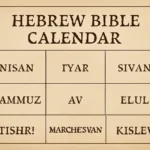
The arrival of spring in many Jewish communities is not merely a change in weather or a shift in the calendar. It marks a cluster of holidays and commemorations that weave together historical memory, agricultural roots, religious commandments, and communal joy. While the Hebrew calendar follows a lunar-solar rhythm, the months of Nisan, Iyar, and Sivan bring with them celebrations that illuminate ideas of freedom, revelation, and renewal. In this article, we explore the most significant springtime observances—focusing on dates, core traditions, and how different communities around the world celebrate with distinctive customs—through variations of the same theme: spring as a season of transition, gratitude, and shared learning.
Pesach (Passover): Dates, Significance, and Core Customs
Pesach, known in many places as Passover, is the central spring festival in the Jewish year. It commemorates the Exodus from Egypt and the journey from oppression to liberty. The holiday centers on the Seder, a ritual meal whose liturgy retells the story of liberation and invites every generation to consider their own quests for freedom and justice.
When Pesach Occurs
Dates in the Hebrew calendar: Pesach begins on the 15th of Nisan and continues for seven days in the Land of Israel, or eight days in the Diaspora (with special Yom Tov observances on the first and last days).
Gregorian rough windows: because the Hebrew calendar is lunisolar, the exact Gregorian dates shift year to year. In general, Pesach falls in March or April, with the first Seder night typically on the eve of 15 Nisan.
Shabbat Hagadol often precedes Pesach and serves as a spiritual prep week, a time for extra study and communal gathering before the festival begins.
Core Traditions and Rituals
The central ritual frame of Pesach is the Seder, a word that means “order.” The Seder includes a structured sequence of readings, songs, and symbolic foods designed to evoke the pain of slavery and the hope of freedom.
Matzah (unleavened bread) takes center stage as a reminder of the haste with which the Israelites fled Egypt. Families often describe what it means for a loaf to rise into a symbol of freedom and humility.
Maror (bitter herbs) embodies the bitterness of slavery, while charoset (a sweet mixture of fruit, nuts, and wine) represents the mortar used by enslaved Israelites in Egypt, balancing memory with sweetness.
Seder plate carries six symbolic foods, each tied to aspects of the Exodus story; these items anchor the ritual’s pedagogy and invite questions from children and adults alike.
Bedikat chametz and biur chametz—the search for and nullification of leavened products—echo the spiritual and physical cleansing that Pesach invites: remove arrogance, excess, and distractions in order to focus on freedom’s meaning.
Yachatz (breaking the middle piece of the Matzo) and afikomen (the hidden piece) give the Seder a playful mystery that calls for ongoing engagement with the narrative.
Regional Variations and Family Traditions
Across Jewish communities, Pesach customs vary in foods, melodies, and post-dinner discussions. In Ashkenazi homes, the Seder plate components may be paired with maror made from horseradish, whereas Sephardi and Mizrahi communities often incorporate additional fruits and herbs, such as charoset recipes that feature dates, figs, and coconut or spices that reflect regional harvests. Some families begin the holiday with a Haggadah reading that foregrounds social justice and human rights, while others emphasize ethical questions about memory, diaspora, and the responsibilities we carry into the future.
Omer Counting and Springtime Reflections
The period between Pesach and Shavuot is known as the Omer count—a practice that connects the liberation from Egypt to the revelation at Mount Sinai. Each night, the count frames a moment for gratitude, introspection, and growth. Many communities pair Omer reflections with acts of charity or study, turning the days between spring holidays into a season of intention.
Shavuot: Dates, Significance, and Joyous Customs
Shavuot, or the Festival of Weeks, completes the spring holiday triad by recalling the giving of the Torah at Mount Sinai. Its atmosphere blends gratitude for revelation with agricultural symbolism relating to the first fruits and harvests of the land of Israel.
Date, Duration, and Biblical Roots
Dates: Shavuot falls on the 6th and 7th of Sivan in the Hebrew calendar; in the Diaspora, two days of observance are commonly observed, whereas in Israel the festival is celebrated on a single day.
Origins: Shavuot originally marked the grain harvest and later became associated with the giving of the Torah at Sinai, linking agricultural cycles with spiritual revelation. This fusion of nature and text is a defining feature of the season.
Traditions and Observances
Reading of the Book of Ruth during Shavuot is a beloved custom in many communities, highlighting themes of loyalty, courage, and conversion—timely when the holiday emphasizes covenant and commitment.
All-night Torah study (often called Tikkun Leil Shavuot) is a hallmark for many synagogues and study groups. Participants stay awake to explore sacred texts, commentaries, and modern interpretations of revelation and ethics.
Dairy foods dominate the Shavuot table, with dishes ranging from cheesecake and blintzes to danishes and lactose-free alternatives. The dairy emphasis is sometimes linked to the Land of Israel’s pastoral imagery or to the rhyme that “the Torah is sweet as milk,” inviting a sensory celebration of learning and nourishment.
First fruits (Bikkurim) remains a symbolic thread, recalling ancient temple practices that thanked God for the land’s bounty and connected gratitude to the divine gift of revelation.
Variations Across Communities
While the central motifs of Shavuot are shared, local flavors shape how the holiday feels in practice. Some communities weave in reading cycles that span multiple weeks, others use the festival to highlight modern social commitments—like education for all, refugee support, or environmental stewardship. The timing of Shavuot, often in late spring, creates a natural pairing with seasonal blooms, lakes, and green landscapes that inspire outdoor gatherings, picnics, and communal meals.
Purim: The Adar Festival in Early Spring
The festive and playful energy of Purim sits at the edge of winter and spring, depending on the lunar calendar. Purim is a memory-centered holiday that celebrates courage, resilience, and the power of community to overturn danger with humor and generosity.
Date, Text, and Story
Date: Purim is observed on the 14th of Adar in most communities; in walled cities (like Jerusalem) some celebrate Shushan Purim on the 15th. In leap years, when there are two Adars, Purim is celebrated in Adar II.
Megillah reading: the Book of Esther tells how Queen Esther and her cousin Mordecai thwarted a derailing plot against the Jews of ancient Persia. The public reading emphasizes memory, courage, and the idea that even in darkness, light can prevail.
Traditional Observances and Foods
Mishloach Manot (gifts of food to friends) encourage generosity, social connection, and communal cheer during the holiday.
Matanot La’evyonim (gifts to the poor) express solidarity with those in need, anchoring Purim’s celebrations in acts of charity.
Megillah readings, often animated with costumes and joyful noise, create a lively atmosphere that invites children and adults to engage with the narrative through performance and humor.
Hamantaschen (triangular pastries filled with fruit or poppy seeds) symbolize the defeat of evil Haman’s plot and provide a festive moment of taste and texture that becomes a lasting memory for many families.
Community Variations and Modern Echoes
Across communities—Ashkenazi, Sephardi, Mizrahi, and others—Purim’s expressions can range from formal synagogue readings to community carnivals, plays, and street celebrations. For some, Purim is also a time to address themes of identity, resilience, and civil rights, positioning the holiday as a moment when humor and solidarity reinforce the social fabric.
The Spring Triad of Israel’s National Observances: Yom HaShoah, Yom HaZikaron, Yom HaAtzmaut
In modern Israeli society, the spring season often features a sequence of national days that commemorate tragedy, sacrifice, and independence. While these days are not ritual holidays in the same sense as Pesach or Shavuot, they are deeply meaningful to Jewish communities worldwide, and many diasporic communities mark them with ceremonies, educational programs, and acts of remembrance and celebration.
Yom HaShoah (Holocaust Remembrance Day)
Date: Observances typically occur in the spring, often in April, on a date that may vary within the Hebrew calendar. In Israel, the day is observed with sirens, moments of silence, and communal acts of learning and memorialization.
Purpose: Yom HaShoah honors the six million Jewish lives lost in the Holocaust and reflects on lessons about hatred, resilience, and the importance of memory for future generations.
Yom HaZikaron (Memorial Day for the Fallen Soldiers and Victims of Terrorism)
Date: Immediately before Yom HaAtzmaut, Yom HaZikaron marks the sacrifices that have safeguarded the state of Israel. The date again shifts within the spring, aligning with the Jewish calendar.
Rituals: The country observes a minute of silence nationwide, and many communities hold ceremonies to honor veterans and victims, alongside educational programs about security, courage, and democracy.
Yom HaAtzmaut (Israel Independence Day)
Date: The following day after Yom HaZikaron, Yom HaAtzmaut commemorates the declaration of independence and the founding of the modern State of Israel. Celebrations include public concerts, fireworks, family gatherings, and a sense of national pride.
Global observance: Jewish communities outside Israel often weave these national days into local programs—educational panels, memorial lectures, and festive meals that connect historical memory with present-day citizenship and service.
Rituals, Foods, and Symbolic Elements of Spring Observances
The sensory language of spring holidays—sound, scent, texture, and taste—plays a critical role in how communities experience the season. Foods, symbols, and rituals are not merely festive; they teach lessons about memory, ethics, and identity.
Symbolic foods and symbolic acts appear across Pesach and Shavuot, linking nourishment with memory. Matzah’s austere taste mirrors humility, while dairy dishes on Shavuot evoke sweetness and the metaphoric “milk and honey” of the Promised Land.
Study and learning become acts of worship, especially during Shavuot’s late-night study sessions. The idea that revelation can be pursued through sustained inquiry resonates with modern ideas about education, literacy, and empowerment.
Charity and social justice emerge in Purim and in the springtime surge of Omer-related activities. The obligation to give to the poor and to care for vulnerable neighbors deepens the moral texture of the season.
Memory and responsibility appear in Yom HaShoah and Yom HaZikaron, two days that remind communities that history carries obligations to future generations, to civic life, and to the continuous pursuit of a just society.
Dates in Practice: How to Plan Around a Moveable Spring
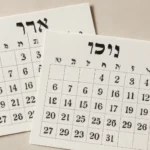
Because the Hebrew calendar is lunar-based with solar corrections, the dates for Pesach, Shavuot, and Purim shift relative to the Gregorian year. This calendar geometry can create a dynamic sense of anticipation, where families and communities prepare months in advance and then shift plans year to year.
Planning ahead: Jewish communities often publish Seder guides, Haggadah recommendations, and family food plans months ahead. Families may stock ingredients for Passover recipes, arrange Seder menus, and ensure appropriate accommodations for guests with dietary needs.
Regional differences: Observance in Israel follows local calendar standards (often a single-day Yom Tov for Shavuot, with two days in some communities abroad), while diaspora communities maintain two-day Yom Tov observances for Pesach and Shavuot, shaping travel and hospitality patterns.
Educational programs: Synagogues, schools, and community centers frequently offer afternoon lectures, storytelling sessions, and music evenings aligned with Pesach’s themes of freedom, Shavuot’s discovery of Torah, and Purim’s playful resilience.
Celebration at Home: Practical Tips for Observing Spring Holidays
Whether you are new to Jewish practice or returning after a time away, the spring holiday season offers accessible opportunities to participate, learn, and contribute to your community.
Creating a Seder at home: Even if you are not hosting a large family, you can craft a meaningful Seder with a small table, a simplified Haggadah, and a selection of symbolic foods. Focus on inviting questions, sharing family stories, and connecting the Exodus narrative to contemporary questions of freedom and human dignity.
Learning across generations: Encourage children and elders to study a short section of the Haggadah, discuss a modern interpretation of liberation, or cook a new Pesach recipe that honors family traditions and regional flavors.
Community involvement: Attend a community Seder, join a Shavuot learning session, or participate in a Purim shpiel (play) or a volunteer activity around Matanot La’evyonim to help those in need.
Spring-inspired rituals: Use the seasonal mood to plant a tree, visit an orchard, or take a walk outdoors to reflect on renewal and gratitude for natural beauty, aligning spiritual and environmental stewardship.
Variations in Names and Phrasing: A Lexicon for Spring
To capture the breadth of the spring holiday season, it helps to recognize variations in names and phrases. These linguistic choices reflect tradition, geography, and communal preference.
Pesach / Passover: Two names for the same festival; “Pesach” emphasizes the unleavened bread and the biblical narrative, while “Passover” conveys the idea of God passing over the Israelites’ homes during the tenth plague.
Chag HaMatzot / Festival of Matzah: A designation that highlights the physical symbol of the holiday—matzah—and the command to eat unleavened bread during the festival days.
Chag HaAviv (seasonal reference sometimes used in discussions of spring festivals) / Spring Festival: A literary or ceremonial phrasing that situates the holidays within the seasonal cycle of renewal.
Shavuot / Festival of Weeks: Emphasizes the counting of weeks between Pesach and Shavuot and the Torah’s revelation; a classical pairing of agricultural celebration with spiritual awakening.
Purim / the Feast of Lots: Named after the casting of lots used by Haman in the Megillah narrative; a reminder of fate, courage, and community action.
Yom HaShoah / Holocaust Remembrance Day, Yom HaZikaron / Memorial Day, Yom HaAtzmaut / Independence Day: Modern national observances that accompany the religious calendar’s spring focus with civic and historical dimensions.
Closing Reflections: The Spirit of Spring in Jewish Time
Springtime in Jewish life is more than a sequence of dates. It is a narrative arc that moves from the counsel of liberation through the revelation of sacred law to the renewal of community and the responsibility we bear toward those in need. The Omer period between Pesach and Shavuot offers a bridge between freedom and responsibility; Purim reminds us that courage can appear in unexpected, even joyful forms; and the modern spring days of Yom HaShoah, Yom HaZikaron, and Yom HaAtzmaut tie memory to national identity, freedom, and the ongoing work of building a just society. In each tradition, the seasons become a living pedagogy: stories told aloud at the Seder table, study sessions that stretch into the night, shared meals that cross generations, and acts of charity that transform communities.
Whether you observe these holidays in a large urban synagogue, a small rural shtetl vibe, or a newly formed family circle, the spring calendar offers not only a schedule of rituals but an invitation to participate in a living, evolving conversation about faith, memory, family, and responsibility to others. In this sense, the spring holidays are not relics of the past but active, vibrant opportunities to connect with history and to shape a hopeful future.