Hebrew Writers: A Comprehensive Guide to Hebrew Literature, Styles, and Notable Authors
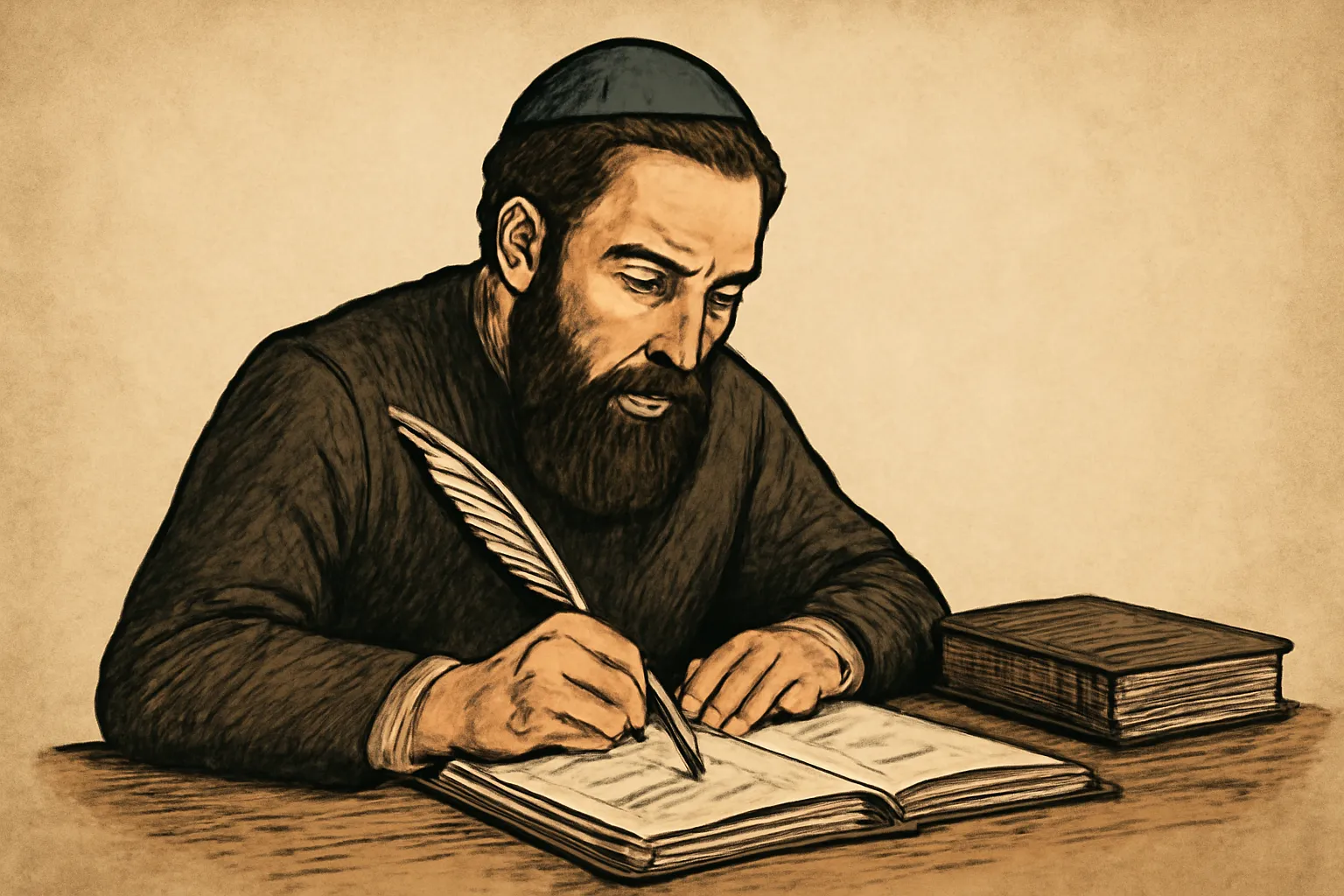
Hebrew literature is a living archive of memory, language, and imagination. From the earliest scriptural passages to vibrant contemporary novels and essays, Hebrew writing has continually redefined how a community sees itself, its history, and its future. This guide provides an expansive tour of Hebrew-language literature, its major styles and schools, and the writers who shaped its course across centuries—from ancient texts to the modern Israeli state and the global Hebrew-reading world. It also highlights how the language evolves, how writers experiment with form, and how readers today can approach this vast body of work with fresh eyes.
Overview of Hebrew Literature
At its core, Hebrew literature is a mosaic built from religious, philosophical, poetic, realist, and experimental strands. It is not only about the texts themselves, but about the people who wrote in Hebrew as a living, modern language. The revival of the Hebrew language in the late 19th and early 20th centuries—led by advocates of cultural Zionism and language reform—transformed Hebrew from liturgical and scholarly use into a dynamic medium for storytelling, poetry, essays, journalism, and fiction. That revival created a bridge between ancestral texts and contemporary life, enabling authors to address questions of identity, belonging, conflict, memory, and nationhood in a language that was being actively reshaped for modern use.
Today, Hebrew literature encompasses a broad spectrum of voices: pioneering pioneers of modern Hebrew who helped standardize and popularize the language; poets who turned Hebrew into a vehicle for lyricism and existential inquiry; novelists who fused realism with memory and myth; and thinkers who wrote political essays and cultural critiques. The result is a literary ecosystem in which memory and place—from Jerusalem’s old quarters to the immigrant towns of the periphery—intersect with universal themes like love, mortality, justice, and the search for meaning.
Historical Timeline: Key Phases in Hebrew Writing
To understand Hebrew literature, it helps to situate it within a timeline that marks shifts in language, form, and audience. Below is a concise chronology that highlights major periods and their characteristic contributions.
Classical and Rabbinic foundations — Foundational texts and midrashic literature in Biblical Hebrew, with later medieval Jewish scholars contributing to Hebrew prose and poetry that preserved linguistic traditions while engaging with philosophical and halachic debates.
Early Modern Hebrew — A growth period in which writers experimented with new idioms and narrative forms, laying groundwork for the modern Hebrew revival by translating or adapting European literary ideas into Hebrew prose and verse.
Revival and Golden Age of Modern Hebrew (late 19th–early 20th centuries) — A decisive era in which poets, essayists, and storytellers forged a cohesive modern idiom. Pioneers helped establish a national literary culture alongside civic and political debates about settlement, identity, and language policy.
Israeli Literature in the Post-1948 Era — After the establishment of the State of Israel, fiction and non-fiction increasingly reflected the new social order, conflicts, war, peace processes, and the daily life of a diverse society. This period also saw the rise of internationally recognized authors who wrote in Hebrew and found audiences beyond Hebrew readers.
Contemporary Hebrew and Global Reach — In recent decades, Hebrew writers experiment with genres like short fiction, transnational novels, autofiction, and speculative or postmodern modes, while new voices—from immigrant communities to Arab-Israeli perspectives—enlarge the field’s diversity.
Major Eras and Movements in Hebrew Writing
Biblical Foundations and Rabbinic Literature
Despite being centuries apart, the earliest Hebrew texts set the stage for a language steeped in memory and law. The Biblical corpus and later rabbinic literature created a linguistic standard, rhetorical devices, and narrative strategies that would echo across centuries. While this period is not modern literature in the conventional sense, its themes—covenant, identity, exile, faith—resonate with later writers who grapple with tradition in a changing world.
Medieval to Early Modern Hebrew: Poetry and Intellectual Prose
In the medieval era, Hebrew poetry and prose flourished among scholars and poets who sought to harmonize religious devotion with secular curiosity. This phase laid the groundwork for the classic modern Hebrew literary voice, demonstrating that Hebrew could serve as a vehicle for philosophical reflection, romantic lyricism, and social commentary.
Revival of Modern Hebrew and National Literature
The revival movement transformed Hebrew into a living, everyday language used in newspapers, schools, homes, and streets. Writers of this era experimented with narrative voice, character psychology, urban realism, and social critique. They also debated questions of language policy, education, and civic identity, which in turn shaped not only what people wrote but what readers came to expect from Hebrew literature.
Israeli Post-1948 Literature
With the founding of the State of Israel, literature shifted to reflect the complexities of nation-building, war, immigration, and cultural negotiation. This era produced novels and essays that wrestled with trauma, memory, and reconciliation, as well as works that celebrated daily life, humor, and resilience. The post-1948 canon includes voices that confronted both internal diversities—religious and secular, Arab and Jewish—and external pressures, such as diplomacy and diaspora.1
Contemporary Hebrew Literature
In the contemporary moment, authors experiment across form and medium: staccato micro-fiction, sprawling novels, narrative experiments, and hybrid genres. Women writers, minority voices, and younger generations have broadened the canon, offering sharper critiques of gender, class, war, and technology while maintaining a deep thread of linguistic play and cultural memory.
1Note: The term “canon” here refers to widely studied and translated works that have had lasting influence within Hebrew literary culture and beyond.
Key Authors and Their Contributions to Hebrew Literature
Hebrew literature is populated by a constellation of authors who contributed distinctive voices, forms, and ideas. The following are representative figures, grouped by their most distinctive contributions and timeframes. The goal is not to exhaust the list but to illuminate the diversity and depth of the field.
Pioneers of Modern Hebrew Prose and Poetry
Hayim Nahman Bialik — The national poet of Israel, Bialik helped sculpt modern Hebrew poetry and narrative diction. His poems and short pieces often addressed national revival, Jewish history, and humanistic concerns, blending classical allusions with contemporary sensibilities.
Mendele Mokher Sforim — A foundational figure in modern Hebrew prose, Sforim modeled narrative voice, social observation, and humor. His work helped demonstrate that Hebrew could support a range of genres beyond liturgical and scholarly writing.
Shmuel Yosef Agnon (S. Y. Agnon) — A Nobel laureate whose stories and novels fuse traditional Jewish life with modern existential concerns. His work often moves between the old world of Eastern European Jewry and the new realities of life in Palestine/Israel, creating timeless explorations of memory and identity.
Poets Who Shaped Hebrew Verse
Rachel (Rachel Bluwstein) — A pioneering female poet whose intimate lyricism and nature imagery helped establish a modern Hebrew feminine voice. Her poetry, deeply personal and intimately observed, bridged Jewish liturgical language and secular contemporary imagery.
Leah Goldberg — A prolific poet, translator, and novelist, Goldberg contributed a refined, lucid, and emotionally resonant lyricism to Israeli literature. Her work often explored the tension between personal memory and collective history.
Yehuda Amichai — One of the most influential modern Hebrew poets, Amichai wrote with immediacy and metaphor that span the personal, the political, and the universal. His poems frequently examine the fragility of human life against grand historical backdrops.
Modern Hebrew Novelists and Essayists
A. B. Yehoshua — A central figure in modern Israeli fiction, Yehoshua’s novels often engage with questions of national identity, language politics, and human relationships under social change. His narrative voice blends realism with philosophical reflection.
David Grossman — An internationally acclaimed novelist and essayist, Grossman’s work probes memory, trauma, and the moral complexities of conflict. His storytelling extends to ethical debates and the responsibilities of the writer in times of crisis.
Amos Oz — A prolific novelist and public intellectual, Oz explored themes of freedom, dissent, and ethical life within Israeli society. His evocative prose and critical stance helped shape global understandings of Israeli culture.
Etgar Keret — A master of contemporary short fiction and speculative storytelling, Keret’s brisk, often surreal vignettes capture modern urban life, diaspora consciousness, and the absurdities of everyday existence.
Styles, Techniques, and Common Themes in Hebrew Writing
Hebrew writers have produced a spectrum of styles and approaches. Below are some recurring techniques and themes that recur across periods, illustrating how writers shape the language to grapple with time, memory, trauma, and identity.
Realism and social critique — Many Israeli novels foreground everyday life, labor, education, urban development, and class dynamics, using tight narration to reveal social tensions and moral questions.
Modernist experimentation — Some writers push a modernist approach, with shifting focalization, time fragmentation, and unusual narrative structures that reflect inner states or memory.
Memory and exile — A persistent concern across generations; authors wrestle with the long shadow of diaspora and the sense of belonging or dislocation in new homeland environments.
Language as character — The Hebrew language itself often functions as a living character in the text, with wordplay, puns, and linguistic invention used to express identity and creativity.
Ethical and political engagement — Writers frequently address questions of justice, peace, and the human cost of political conflict, sometimes through personal narratives that foreground moral choice.
Gender and voice — Women writers contribute distinct perspectives and experimenting with form, from intimate lyric poetry to complex novels about family, sexuality, and social change.
Why Read Hebrew Literature? Benefits and Perspectives
Reading Hebrew literature offers several advantages beyond language learning. It provides insight into historical trajectories, cultural memory, and contemporary debates within Israeli society and the global Jewish diaspora. It also helps readers understand how authors negotiate the tensions between tradition and modernity, between the particular and the universal, and between personal voice and collective memory. For students and general readers, encountering Hebrew literature can deepen appreciation for linguistic nuance, narrative craft, and the ways in which literature can serve as a space for civic dialogue and ethical reflection.
How to Engage with Hebrew Writers: A Reading Roadmap
Whether you are a student, a teacher, or a curious reader, the following approach can help you explore Hebrew literature in a structured and rewarding way. You can mix historical, thematic, and linguistic angles to build a well-rounded understanding.
Start with defining goals — Are you more interested in poetry, novels, essays, or political writing? Clarify your aim to choose texts that align with your curiosity.
Begin with foundational figures — Read works by Bialik and S. Y. Agnon to grasp the seeds of modern Hebrew voice and narrative strategy. Then move to the mid-to-late 20th century voices such as Yehoshua, Oz, and Grossman to see how Israeli literature matured.
Explore genres and formats — Mix poetry collections (for lyric language), short stories (for pace and punch), and novels (for sustained narrative arcs). Include essays or journalism to understand public discourse.
Pay attention to language and translation — If you are reading in translation, note how translators handle wordplay, cultural references, and idioms. When possible, read in the original Hebrew to experience rhythm and nuance.
Use secondary sources — Critical essays, biographical notes, and scholarly introductions can illuminate historical contexts and thematic layers that enrich your reading.
Guided Reading List: Notable Works to Explore
Below is a starter bibliography designed to give readers a broad sense of the range of Hebrew literature. The list features a mix of poets, novelists, and essayists whose works are often studied in classrooms and accessible to a broad audience. Where possible, I’ve noted the type of work and the themes you’ll encounter.
Haim Nachman Bialik — Selected poems and prose pieces that illuminate national mood, religious imagery, and modern diction. Look for collections of lyric poetry that show how a modern voice could carry ancient cadence.
S. Y. Agnon — A selection of short stories and novella-length works that blend traditional Jewish life with modern existential questions; ideal starting points include A Simple Story and other narrative pieces that emphasize memory and ritual.
Rachel — A volume of poetry exploring nature, longing, and the early Zionist landscape; her precise imagery and plainspoken diction reveal the emotional core of early modern Hebrew lyricism.
Leah Goldberg — A collection of poems and a representative novel or two that show lucid language, humor, and a refined sensibility about memory, home, and gendered experience.
Yehuda Amichai — A broad selection of modern Hebrew poetry that makes the ordinary extraordinary through accessible language, layered metaphors, and a humane sensibility about life under conflict.
A. B. Yehoshua — One or two landmark novels such as Mr. Mani or other works that examine social relations, language politics, and ethical choices in Israeli society.
David Grossman — A humane, deeply political novelist with major works like To the End of the Land and notable nonfiction that reflect on memory, loss, and moral responsibility.
Amos Oz — A robust selection of novels and essays; his narrative voice blends intimacy with social critique, exploring questions of freedom, dissent, and the moral life of a nation.
Etgar Keret — A collection of short stories that capture the speed, irony, and tenderness of contemporary urban life, often with a surreal twist and a precise, colloquial voice.
Translations and Accessibility: Reading Hebrew Literature in Other Languages
For readers outside the Hebrew-speaking world, translations are essential. While translations open access to many masterpieces, certain sonic textures, wordplay, and cultural allusions may be filtered through the translator’s lens. Some strategies to maximize understanding and enjoyment include:
Cross-check multiple translations for the same work, when possible, to glimpse different interpretive choices and nuances in tone.
Read with a glossary or notes — Look for editions that include glossaries of Hebrew terms, cultural references, or historical context to deepen comprehension.
Compare to critical analyses — Secondary sources can illuminate themes, symbols, and historical backgrounds that enrich the reading experience.
Learn basic Hebrew phrases — Even a minimal familiarity with common Hebrew terms (especially those used in literature and journalism) can illuminate textual subtleties you might otherwise miss.
Exploring Hebrew Literature Through a Digital and Global Lens
With the rise of online libraries, translations, and digital humanities projects, readers can access Hebrew literature across borders. Online journals, translated anthologies, and reader-friendly introductions help broaden the field beyond scholarly circles. In addition to traditional publishing, contemporary Hebrew writers actively publish in digital formats, magazines, and literary journals, encoding the sense that Hebrew literature remains a living conversation involving readers from diverse backgrounds and linguistic preferences.
Desired Outcomes: What You Can Learn from Hebrew Writers
Delving into Hebrew literature offers a suite of intellectual and emotional benefits that extend beyond language proficiency. Some important outcomes include:
Cultural literacy — A richer understanding of Israeli society, Jewish history, and diaspora experiences, including how language shapes memory and identity.
Analytical thinking — The subtle narrative strategies and ethical questions posed by writers foster critical reading and interpretive skills.
Empathy and perspective-taking — Exposure to diverse voices, including poets, feminists, and minority authors, broadens one’s sense of human experience.
Linguistic sensitivity — Studying Hebrew prose and poetry enhances awareness of linguistic rhythm, metaphor, and the power of a well-chosen word.
Conclusion: Hebrew Writers as a Living Tradition
Hebrew literature is not a static relic but a dynamic cultural project—a conversation that spans centuries and reaches across continents. From the pioneers of modern Hebrew who laid down the grammar of a revived language, to the poets who perfected its musical cadence, to the novelists who interrogate politics and memory, Hebrew writers have continually asked how a community can articulate itself in difficult times and how language can heal, challenge, and transform. Whether you approach this literature as a linguistic puzzle, a historical record, or a window into human experiences that transcend borders, you will discover a robust, deeply meaningful artistic world that remains essential to understanding Jewish and Israeli life, as well as the broader human story.
For anyone seeking to embark on this journey, start with the figures and texts highlighted in this guide, then expand outward to other authors and movements. The richness of Hebrew writing invites readers to explore, question, and listen—to hear how language carries memory, how stories shape identity, and how literature can remain a living, evolving art form that speaks to readers today as clearly as it did a century ago.