A Complete Guide to Jewish Holidays is a comprehensive tour of the holy days for Jews, a calendar of sacred times that shapes ritual life, seasonal rhythm, family gatherings, and community memory. In Jewish life, a holy day (often called a Yom Tov, a Shabbat, or a festival) marks moments when ordinary routines pause and the community turns toward prayer, study, gratitude, and acts of kindness. This guide uses a broad view—from the weekly Shabbat to the year’s most celebrated feasts—to explain what makes these days sacred, how they are observed, and why they matter in Jewish culture and history.
Judaism designates certain days as holy days for a variety of reasons. Some are anchored in the Creation narrative, others in biblical events, and many reflect a covenantal relationship between God, the people of Israel, and the rhythms of life in the land and in diaspora societies. A few core ideas recur across the holy days for Jews:
Remembrance and reverence for sacred events—freedom from Egypt, revelation at Sinai, or the sanctification of time itself.
Commands to rest, refrain from normal labor, and redirect energy toward worship, study, prayer, and charity.
Observances often combine prayer services, ritual meals, and symbolic acts (light, bread, weather, water, or agricultural symbols).
Communal life is emphasized—synagogues, homes, and public spaces host shared meals, readings, and lighting ceremonies.
For many Jews, a holy day is not just an annual event but a recurring invitation to deepen values, nurture relationships, and reorient personal priorities toward compassion, justice, and gratitude. Because Jewish law and custom evolved in different communities, there are variations in how the days are celebrated. Still, the structure below offers a reliable map of major and minor holy days observed across diverse Jewish traditions.
The Jewish calendar and the structure of holy days
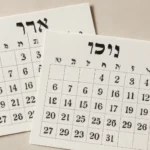
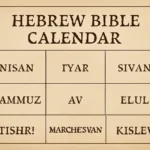
Judaism uses a lunisolar calendar, which means months follow the moon and years are adjusted to keep the seasons in alignment with the solar year. This calendar gives rise to both fixed, weekly rhythms and annual cycles tied to agricultural harvests and historical events. The two major groupings of holy days are:
Weekly holy day—Shabbat, observed from Friday evening to Saturday night, a timeless pause in work and activity.
Annual holy days—a sequence of festivals and fasts dispersed through the year on fall, winter, spring, and summer. These include the High Holy Days (Rosh Hashanah and Yom Kippur) and the seasonal festivals (Passover, Shavuot, Sukkot), plus several other special days (Hanukkah, Purim, Tu BiShvat, Tisha B’Av).
Across communities, the day’s character—a day of rest, a day of fasting, a day of celebration—depends on the occasion and local custom. The rest of this guide follows a practical organization: the weekly Shabbat, the major holy days in the fall and early winter, the spring harvest festivals, and then the winter and late-year commemorations.
The most consistent and central holy day for Jews is the Shabbat, observed from Friday sunset to Saturday night. Shabbat derives from the biblical account of Creation, when God rested on the seventh day, making rest a divine pattern for human life.
Key rituals and practices on Shabbat
Lighting Shabbat candles (traditionally by the woman of the house) to usher in the sanctified time.
Reciting the Kiddush over wine to sanctify the day, followed by a festive Shabbat meal with challah (braided bread).
Special prayer services in the synagogue and at home, with portions of the Torah read in weekly cycle.
A general rest from work and a focus on family, study, and peaceful activities. Some communities avoid certain kinds of work or technology to preserve the sense of holy time.
“Havdalah” at the end of Shabbat to mark the separation between the sacred time and the ordinary week.
Rosh Hashanah and Yom Kippur: the High Holy Days
Two of the most important and introspective holy days for Jews comprise the set known as the Yamim Noraim or the High Holy Days. They occur in the early autumn and frame a period of judgment, renewal, and atonement.
Rosh Hashanah — The Jewish New Year
Rosh Hashanah translates to “head of the year” and marks the start of the year in the Jewish calendar. It is a time to reflect on the past year and to set intentions for the coming year. Typical practices include:
Hearing the blowing of the shofar, whose acoustic wake-up call is a central spiritual signal of repentance and renewal.
Special meals with symbolic foods, such as apples dipped in honey for a sweet year, and pomegranates to symbolize many good deeds.
Prayers in the synagogue that emphasize divine sovereignty, remembrance, and mercy.
Yom Kippur — The Day of Atonement
Yom Kippur is the holiest day in the Jewish calendar. It is characterized by fasting, intensive prayer, and communal confession in a solemn mood. Observances typically include:
A 25-hour fast from sunset on the eve of Yom Kippur to nightfall the following day, with abstention from food and drink, tanning, and in some communities, bathing or anointing with oils.
“Kol Nidre” prayer at sunset, followed by long services that include confessional prayers and the reading of the Book of Life.
Final dismissal prayers, often accompanied by the sounding of the shofar to signal closure of the fast and the opportunity to begin anew.
The days of Rosh Hashanah and Yom Kippur together frame a period of return and renewal, inviting individuals and communities to examine actions, mend relationships, and commit to ethical improvement in the year ahead. They are frequently described as the civil calendar’s most solemn and meaningful days, a time for serious introspection and communal forgiveness.
Shmini Atzeret, Simchat Torah, and the autumnal conclusion
After the solemn days of the High Holy Days, the Jewish year continues with additional celebrations that complete the cycle of Torah reading for the year and begin a new cycle.
Shmini Atzeret
Shmini Atzeret marks the eighth day after Yom Kippur and is observed with special synagogue prayers and, in many communities, the sending of year-end blessings. In the land of Israel, Shmini Atzeret is often celebrated together with Simchat Torah, while in the diaspora, it is commonly observed as a separate day.
Simchat Torah
Simchat Torah celebrates the completed annual Torah reading and the beginning of a new cycle. The celebration is known for joyful dancing with Torah scrolls, festive processions, and heightened communal singing.
Passover and the festival cycle of spring
Passover (Pesach) is one of the most widely observed holy days for Jews, commemorating the Exodus from Egypt and the birth of the Jewish people as a nation with a covenant at Sinai. The central ritual is eating matzah, the unleavened bread, and refraining from leavened products during the festival week.
Pesach rituals and themes
A formal Seder—the ceremonial meal held on the first two nights for many communities, featuring the Haggadah with retellings of the Exodus, symbolic foods, and questions by children.
A prohibition on chametz—any food containing leavened grain—requiring careful cleaning and often a ceremonial search for leavened items before the holiday.
Reading and study of the Passover story, with emphasis on freedom, justice, and liberation from oppression.
Passover ends with an agricultural and prophetic atmosphere, shifting from the narrative of escape to a celebration of the harvest season and the giving of the Torah at Sinai.
Shavuot — Revelation and harvest
Shavuot occurs seven weeks after Passover and commemorates the giving of the Torah at Sinai. It is also known as the Festival of Weeks and has agricultural significance as a harvest festival in ancient Israel.
Practices and customs for Shavuot
Staying up through the night to study Torah, a tradition called tikkun leil Shavuot in some communities.
Eating dairy foods, which has interpretive symbolism connected to the sweetness of Torah and the paradox of milk and meat separation in some dietary laws.
Attending long prayer services with special blessings and readings from the Five Books of Moses.
Shavuot emphasizes the moment when the community accepted the covenant at Sinai, reinforcing the central role of Torah study in Jewish life.
Sukkot and the autumnal harvest cycle
Sukkot is a joyous festival lasting seven days, plus an additional day in the diaspora. It celebrates the Israelites’ journey through the wilderness after leaving Egypt, living in temporary dwellings known as sukkot.
Building a sukkah, a temporary hut with a roof of organic materials through which the sky can be seen. Families eat, and sometimes sleep, in the sukkah during the festival.
Carrying and waving the Four Species—etrog (citron), lulav (palm branch), hadas (myrtle), and aravah (willow)—in a ritual that blends gratitude, harvest observance, and joy.
Prayers and festive meals in homes and synagogues, celebrating abundance and gratitude for the harvest.
Shmini Atzeret and Simchat Torah (in the autumn)
As noted above under the autumn section, Shmini Atzeret and Simchat Torah culminate the annual cycle, with special services, dances, and Torah readings that emphasize both contemplation and exuberant joy.
Hanukkah and other winter holidays
Hanukkah is a prominent winter festival, often one of the most familiar to those outside Jewish communities. It commemorates the rededication of the Temple in Jerusalem during the Maccabean revolt and the miracle of the oil that lasted eight days.
Hanukkah practices
Lighting the menorah for eight nights, adding one candle each evening.
Playing dreidel, a spinning top game with Hebrew letters that form a mnemonic about faith and endurance.
Eating fried foods such as latkes (potato pancakes) and sufganiyot (jelly donuts) as a reminder of the miracle of oil.
Giving gifts on some nights and sharing generosity with others.
Other winter observances, such as Tu BiShvat (the New Year for Trees) mark a different kind of sacred time, focusing on nature, ecological responsibility, and the importance of trees in Jewish law and memory. Tu BiShvat emphasizes planting, planting stories, and environmental awareness in many communities while retaining a festive character.
Purim and the fasts and freedoms of the calendar
Purim is a joyous, playful holiday that retells the story of Queen Esther’s courage and the salvation of the Jewish people in ancient Persia. It is celebrated with reading the Megillah (Book of Esther), feasting, giving gifts of food, and charity to the poor.
Purim customs
Reading the Megillah in the synagogue, with special attention to the dramatic narrative and its moral lessons.
Giving mishloach manot (gifts of food) to friends and family to strengthen community bonds.
Giving tzedakah (charity) to support those in need, reflecting Purim’s emphasis on communal responsibility.
Festive meals, costumes, and celebratory songs that emphasize joy and relief from danger.
Tisha B’Av is another major observance in the late summer or early autumn cycle, a fast day commemorating the destruction of the two Temples in Jerusalem and other tragedies in Jewish history. It is observed with fasting, lamentations, and readings that focus on memory and resilience.
Minor and modern holy days: Tu BiShvat, Yom HaShoah, and more
Beyond the major biannual and seasonal holidays, there are other days of significance that contribute to the broader calendar of holy days for Jews and communal life. Some are ancient agricultural markers, others are modern commemorations that reflect contemporary Jewish experiences.
Tu BiShvat emphasizes the natural world, trees, and agriculture. Customs often include planting trees, eating fruit, especially those associated with Israel, and studying verses that highlight the ecosystem and the responsibilities of humans to care for creation.
Yom HaShoah (Holocaust Remembrance Day) is observed with solemn ceremonies and education about historical memory, resilience, and the imperative to safeguard human dignity. While not a festival in the same sense as Passover, it is a critical component of the modern calendar in many Jewish communities.
Observance across communities: Orthodox, Conservative, Reform, and beyond
Different streams of Judaism approach the calendar with varying degrees of traditional observance and interpretive emphasis. While the essential framework of the holy days remains recognizable, practical observance—such as the level of observance on Shabbat, food practices, and styles of liturgy—varies among communities:
Orthodox communities often observe a strict interpretation of the laws that govern Shabbat, kashrut, and family at-home rituals, while maintaining a consistent, liturgical framework in the synagogue.
Conservative communities may retain the seriousness of traditional practice but allow some modern adaptations in prayers, gender roles, and ritual life, depending on local custom and rabbinic guidance.
Reform and Reconstructionist movements often emphasize ethical and spiritual dimensions of the holidays and may adapt liturgy, calendar structure, and symbols to contemporary life, while still honoring the memory and meaning of the holy days.
Regardless of tradition, most Jews participate in community and family rituals during the major holy days, and many share a desire to connect more deeply with their history, culture, and values during these sacred times.
Practical guidance: how to observe and participate
Whether you are visiting a Jewish home, attending services, or simply curious about the layout of the year, here are practical tips for engaging with the holy days for Jews in a respectful and meaningful way:
Respect the calendar: If you are attending a Shabbat meal or a holiday service, consider arriving on time, dressing modestly, and following the customs of the community’s prayer or meal.
Learn a few core terms: Shabbat (Sabbath), Shavuot (Weeks), Pesach (Passover), Yom Kippur (Day of Atonement), Rosh Hashanah (New Year), Hanukkah (Festival of Lights), Purim (Festival of Lots), Sukkah (temporary dwelling), Matzah (unleavened bread), and Kiddush (the blessing over wine).
Ask before you participate: Some traditions involve blessings, specific prayers, or ritual acts that may be unfamiliar. A polite question like, “Would you like me to join in this blessing?” shows respect and openness.
Be mindful of dietary laws if invited for a meal: Many Jewish households keep kosher, so you may encounter separate meat and dairy dishes, or other dietary restrictions during the holiday period.
Respect fasting times if you’re in the community: If you attend Yom Kippur or other fast days, be mindful of the timing and avoid offering food or drink during the fast hours unless invited to participate in a different way.
How to study or observe on your own: personal practice during Jewish holy days
If you’re exploring Jewish holidays independently, you can build a personal practice that emphasizes learning, reflection, and ethical action. Some ideas include:
Read a short portion of the weekly Torah portion during Shabbat morning services or in the privacy of your home, and reflect on its relevance to contemporary life.
Journal about personal growth and forgiveness during the Yamim Noraim period or during a personal Yom Kippur practice, if fasting is not feasible for you.
Attend a community Seder for Passover to learn about the meaning of liberation, justice, and solidarity across generations.
Support charitable causes and acts of kindness, aligning with the holiday’s emphasis on tikkun olam (repairing the world) and social responsibility.
Essential elements to remember about the holy days for Jews
Across the many sacred days in the Jewish calendar, certain themes recur and define the experience for most communities:
Time as sacred space: The idea that time itself can be sanctified, offering a chance to pause, reflect, and realign values.
Memory and covenant: A continuous conversation with history, remembering past deliverances, and reaffirming commitments to justice and compassion.
Community and family: Shared meals, readings, and rituals create bonds that extend beyond the individual to heal, teach, and sustain the community.
Symbolism and meaning: Ritual acts—candles, bread, wine, fruit, prayer, and Torah study—offer tangible signs of intangible realities such as peace, freedom, and responsibility.
Conclusion: embracing the breadth of Jewish holy days
The holy days for Jews form a rich tapestry that blends history, faith, culture, and daily life. From the weekly repose of Shabbat to the solemn search for atonement on Yom Kippur, from the dramatic retelling of liberation during Passover to the luminous celebration of Torah during Simchat Torah, these days invite Jews and those who study them to consider questions of freedom, responsibility, memory, and hope. They offer a rhythm by which communities can nurture spiritual growth, teach compassion, and affirm shared belonging—across generations and geographies. Whether you are observing, learning, or simply curious, these sacred days present an invitation to explore how time itself can be sanctified, transformed, and made meaningful in modern life.