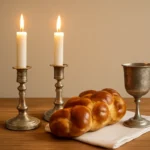
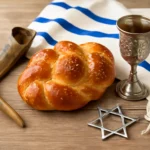
The Shabbat, the weekly day of rest in Judaism, is a cornerstone of Jewish life and culture. As the sun sets on Friday and the candles are lit, families and communities pause, connect, and prepare for a time of prayer, study, and shared meals. A central thread through this sacred cadence is the practice of greeting one another with warmth, respect, and a sense of peace. In English, the most familiar greeting you will hear on Shabbat is “Shabbat Shalom”, but the language of Shabbat greetings is richer and more varied than a single phrase. This article offers a comprehensive guide to Shabbat greetings and the blessings that frame Shabbat—from traditional phrases used in everyday conversation to liturgical blessings recited at the table and in the synagogue. You will find practical guidance on when to say these greetings, how they vary across communities, and how modern life reflects the enduring spirit of Shabbat.
Shabbat is observed from Friday evening to Saturday night, a sanctified pause that invites rest, spirituality, and family connection. The greeting spoken to others—whether in person, over the phone, or in a message—serves as a sign of this shared experience. While Shabbat Shalom literally conveys “peaceful Shabbat,” many communities layer additional meanings, invoking blessings, safety, and presence. The purpose of a Shabbat greeting is not merely etiquette; it is an expression of solidarity, a reminder of the peace and rest that Shabbat promises, and an acknowledgment of the transitions from weekday routine to sacred time.
What makes a Shabbat greeting meaningful?
Connection: A greeting builds a bridge between people, families, and communities, reinforcing the sense that Shabbat is a shared sanctuary.
Intent: The words chosen carry intention—wishing peace, rest, blessing, or all three—rather than a casual farewell.
Cultural nuance: Different communities favor different variants, reflecting language, tradition, and local custom (Hebrew, Yiddish, or English usage).
Common Shabbat Greetings and Their Nuances
Below are the most widely used phrases you are likely to encounter or adopt. Each entry includes a brief note on usage and meaning. When in doubt, a simple “Shabbat Shalom” is universally understood and warmly received.
Shabbat Shalom
“Shabbat Shalom” is the most common modern greeting on Shabbat, used by people of many Jewish backgrounds in Israel and around the world. It conveys a wish for a peaceful Shabbat and is appropriate in both casual and formal settings. In many communities, it is customary to return the greeting with the same phrase, or with a friendly response of reciprocity.
Shabbos Shalom
In Ashkenazi communities, especially those with a Yiddish-speaking heritage, you will often hear “Shabbos Shalom” (the Ashkenazi pronunciation of Shabbat). The pronunciation reflects the same sentiment as “Shabbat Shalom”, but it embodies a distinct cultural cadence that many families find natural and affectionate.
Shabbat Shalom U’Mevorach
Another popular variant is “Shabbat Shalom U’Mevorach”, which adds the blessing element to the peace. The phrase translates to “a peaceful and blessed Shabbat,” underscoring that Shabbat is not only restful but also a time of blessing. This form appears frequently in conversation among friends and in some synagogue communities, and it can be used as a warm greeting or a polite closing.
Shabbat Tov
On Friday, you may encounter “Shabbat Tov” (often shortened to “Shabbat Tov”), which means “a good Shabbat.” This is common in more informal or secular settings, particularly in Israel, and it is especially appropriate as the day begins on Friday. Some people extend the blessing with “Shabbat Tov UMevorach” when they want to incorporate the blessing aspect.
Shabbos Shalom Aleichem
In many Hasidic and liturgical communities, you may hear the seasonal or festival variant “Shabbat Shalom Aleichem”, echoing the traditional greeting “Shalom Aleichem” that appears in other Jewish prayers and customs. The addition of Shabbat Shalom emphasizes the time-specific blessing of Shabbat alongside the classic blessing of peace.
Shabbat Shalom Aleichem (response)
The customary response to a Shabbat greeting that includes “Aleichem” is “Aleichem Shalom”, a traditional bilan phrase meaning “to you, peace.” This reciprocal exchange reinforces mutual blessing and hospitality and is common in more observant communities.
Blessings and Prayers Associated with Shabbat
Greet and bless go hand in hand on Shabbat. Beyond spoken greetings, several blessings and ritual prayers are central to Shabbat observance. While not every greeting is a blessing in the liturgical sense, the spirit of Shabbat life is saturated with blessings—from daily blessings recited before meals to the special Friday night service that welcomes the Shabbat queen, Lecha Dodi.
Kiddush
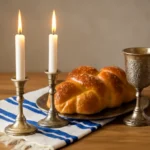
The Kiddush is the blessing recited over wine (or grape juice) to sanctify the Shabbat at the start of Friday night services and at the Friday night or Saturday day meals. In common practice, the Kiddush is recited in a blessing before the meal, turning the dining table into a sanctuary of memory and celebration for the community. There are two main versions: one for Friday night (Kiddush Leila Shabbat) and one for Saturday day. In any case, the intention is to declare the sanctity of Shabbat and to recite it with family or guests present.
Hamotzi Lechem Min HaAretz
Before the bread is eaten at any Shabbat meal, the Hamotzi blessing is recited. The blessing acknowledges God as the one who grants bread from the earth and sanctifies the Sabbath through rest and nourishment. This blessing anchors the Shabbat meals in gratitude and provides a sense of communal sharing around the table.
Birkat Hamazon (Grace After Meals)
After the Shabbat meals, the Birkat Hamazon—the grace after meals—is recited. On Shabbat, this blessing has a particularly festive cadence and can be recited aloud with family. It is common for the blessing to be sung or chanted, adding a musical dimension to the Shabbat atmosphere. Birkat Hamazon culminates the meal and expresses gratitude for sustenance, community, and rest.
Kabbalat Shabbat and Lecha Dodi
On Friday evening, many communities welcome Shabbat with the ritual of Kabbalat Shabbat, a series of psalms and prayers that invite the arrival of Shabbat. A central feature of this ritual is Lecha Dodi, a mystical medieval poem that personifies Shabbat as a bride coming to greet the people of Israel. In many synagogues and homes, Lecha Dodi is sung or chanted during Kabbalat Shabbat, creating a sense of anticipation and joy as Shabbat enters.
Havdalah (End of Shabbat)
Although not a Shabbat greeting per se, Havdalah marks the conclusion of Shabbat and the separation between the sacred time and the ordinary weekday. The blessing over wine, a braided candle, and fragrant spices are part of the ritual that signals the return to the week’s ordinary rhythms. In some homes, Havdalah is a gentle, reflective moment that helps families transition back to weekday routines with gratitude for Shabbat’s blessings.
Etiquette, Context, and Social Use
Shabbat greetings carry social meaning as well as spiritual intention. Here are some practical guidelines to help you use these phrases with sensitivity and tact, whether you are at a family table, in a synagogue, or in a casual neighborhood setting:
Timeliness matters: Say a Shabbat greeting as Shabbat begins and maintain it through the early hours of the evening or well into the day on Saturday, depending on local custom. In most communities, a warm greeting is appropriate from Friday afternoon through Motsei Shabbat (the end of Shabbat) for those who observe a longer Shabbat or for those who are part of extended gatherings.
Know your audience: Some greetings are preferred in certain communities. For Hasidic or Orthodox groups, the cadence of ritual life may favor Kabbalat Shabbat-inspired greetings and formal phrases. In more secular or interfaith environments, a concise “Shabbat Shalom” is perfectly appropriate and respectful.
Pronunciation and language: If you are comfortable with Hebrew or Yiddish phrases, they can be a thoughtful touch. If not, a sincere English greeting such as “Shabbat Shalom” will be received with warmth. When in doubt, you can accompany your greeting with a small explanation of the weekend observance: “Wishing you a peaceful Shabbat.”
Reciprocity: In contexts where a formal blessing is offered—such as at meals or in a synagogue—participate with the group. If someone greets you with “Shabbat Shalom”, you can respond with the same phrase or with “Shabbat Shalom Aleichem” in places where that is customary.
Inclusivity: In multi-faith or secular environments, consider using respectful phrasing that honors the spirit of the day without assuming religious practice. A simple “Have a peaceful Shabbat” communicates the idea while staying inclusive.
Variations Across Communities
The Jewish world is richly diverse. The way people greet Shabbat—linguistically and ceremonially—reflects historical, regional, and cultural differences. Here are some key variations that illustrate the semantic breadth of Shabbat greetings:
Hebrew-speaking communities
In Israel and among Hebrew-speaking communities abroad, Shabbat Shalom is widely used, alongside seasonally specific variants like “Shabbat Shalom U’Mevorach” in more observant circles. Friday afternoon townspeople may also say “Shabbat tov” as a warm pre-Shabbat blessing, particularly if the conversation occurs during the erev Shabbat period right before candle lighting.
Ashkenazi and Yiddish-influenced communities
In communities with strong Ashkenazi traditions, you will often encounter “Shabbos Shalom” and, less formally, “Shabbos tov.” Yiddish-inflected greetings may incorporate phrases like “Gut Shabbos” (a Yiddish equivalent of “good Shabbat”) in day-to-day conversation, especially among older generations or in neighborhoods with a heavy Yiddish-speaking heritage.
Sephardic and Mizrahi traditions
In Sephardic and Mizrahi communities, greetings may blend Hebrew with other languages spoken in their diaspora or ancestral land. The essential sentiment remains the same—a wish for peace, blessing, and rest—but the cadence and phrasing can reflect local languages and liturgical customs. A Sephardic family might emphasize the warmth of Shabbat Shalom with familial phrases carried from their linguistic heritage.
Examples of Usage in Modern Life
Shabbat greetings are not limited to religious services or formal gatherings. They appear in a variety of contemporary contexts, from the street corner to digital communication. Here are some illustrative examples of how these phrases are used today:
Face-to-face conversations: A neighbor passing in the street may say “Shabbat Shalom” as a gesture of goodwill, while at a Friday night dinner, guests might greet the host with “Shabbat Shalom U’Mevorach” or simply “Shabbat Shalom”.
Phone calls and video chats: In the era of long-distance family gatherings, you may hear or say “Shabbat Shalom” to signal that you are observing or honoring Shabbat even if you cannot be physically present.
Text messages and emails: A short message, such as “Wishing you a peaceful Shabbat” or “Shabbat Shalom to you and your family”, can be a thoughtful gesture that respects the rhythm of the day.
Social media posts: Posts around Friday or Saturday may incorporate the phrase “Shabbat Shalom” with a blessing or a short reflection, celebrating the beauty and rest of Shabbat.
Holidays that coincide with Shabbat: When Shabbat falls on a holiday, greetings may adapt to honor both aspects—“Shabbat Shalom UMevorach” or a larger blessing for the festival and the day of Shabbat combined.
Shabbat Etiquette in Shared Spaces
When you participate in a Shabbat gathering—whether a family Friday night meal, a synagogue service, or a community event—the greetings you use can set a tone of warmth and respect. Here are practical etiquette tips for shared spaces and gatherings:
Be mindful of lighting times: If you are opening a meal or greeting on Friday afternoon, acknowledge the approaching Shabbat with a gentle greeting that respects the candle-lighting period. A simple “Shabbat Shalom” is appropriate as people prepare for the sanctity of the evening.
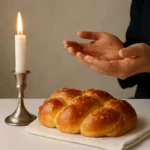
Respect observers’ practices: In communities where women light candles and begin Shabbat, it is customary to acknowledge the transition with a respectful greeting that reflects the communal joy around candle lighting and prayer.
Acknowledging the Sabbath calendar: If you are writing or speaking in a mixed-faith or interfaith setting, you may use a neutral phrasing like “Have a peaceful Shabbat” to honor the observance without presuming particular religious commitments.
Historical and Spiritual Context
Shabbat greetings gain depth when understood against the backdrop of Jewish tradition. The concept of Shabbat is rooted in creation and the covenant between God and the Jewish people. The ritual language of Shabbat—Lecha Dodi, Kiddush, Hamotzi, and Birkat Hamazon—has evolved over centuries and across communities, giving rise to a living tradition of communication that extends beyond ritual words to convey a shared identity. The common greetings are a modern expression of this ancient heritage, translating sacred time into everyday interaction. By using these phrases, individuals participate in a continuous thread that links home life, synagogue life, and the broader Jewish world.
Practical Guide: Choosing the Right Greeting for the Moment
Whether you are new to Jewish practice or returning after a while, here is a practical guide to help you select an appropriate Shabbat greeting for different situations. The goal is to convey warmth and respect while honoring the rhythm of Shabbat.
Casual, everyday encounters: Use “Shabbat Shalom” or “Shabbos Shalom”. If you want to emphasize blessing, you can add “Shabbat Shalom U’Mevorach” depending on the moment.
Formal or religious settings: In synagogues or formal gatherings, you may hear and use “Shabbat Shalom” or “Shabbat Shalom Aleichem”, with responsive Aleichem Shalom from others.
Friday afternoon before lighting candles: A note of courtesy—“Shabbat Shalom” or “Shabbat tov” can be used as the day transitions toward evening rest.
Communication with a diverse audience: A concise “Have a peaceful Shabbat” is clear and inclusive.
Conclusion: The Living Practice of Shabbat Greetings
Shabbat greetings are more than words; they are an invitation to pause, breathe, and connect with others in a time-honored rhythm. The various phrases—Shabbat Shalom, Shabbos Shalom, Shabbat Shalom U’Mevorach, and Shabbat Tov—reflect both linguistic diversity and a shared spiritual core. The blessings that accompany Shabbat—Kiddush, Hamotzi, Birkat Hamazon, and the Friday night Lecha Dodi—provide a framework for the weekend’s sacred moments, turning familiar interactions into acts of faith, gratitude, and community. Whether you are greeting a neighbor on the street, sending a text to a friend far away, or joining a family around a candle-lit table, the practice of Shabbat greetings remains a gentle, powerful reminder of the peace and blessing that Shabbat brings to Jewish life. May your Shabbat be full of peace, rest, and blessing—and may you carry that sense of Shabbat into the days that follow.