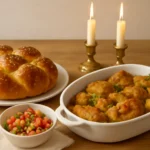
Jewish stuffed cabbage rolls, often affectionately called golubtsi or holubtsi in various communities, are a quintessential classic comfort food that appears at family tables across Ashkenazi Jewish culture. Rooted in Eastern European Jewish kitchens, these tender cabbage bundles, braised in a savory tomato or vegetable-rich sauce, embody warmth, tradition, and the careful balance between meat, grain, and produce that characterizes many Jewish home-cooked meals. This article offers a comprehensive guide to making Jewish stuffed cabbage rolls, from a storied, beef-and-rice traditional version to thoughtful variations that honor dietary preferences, regional influences, and modern tastes.
The idea of wrapping a filling inside a leafy vessel is a world of comfort foods, but the Jewish stuffed cabbage tradition carries distinct notes of Jewish cooking, including the use of onions, garlic, and often rice or barley as a binding grain, all simmered in a tomato-based or fruit-accented sauce. The result is a dish that is both hearty and approachable, suitable for Shabbat meals, holiday gatherings, or Sunday family dinners. The leaves themselves provide textural contrast to the meaty, grainy center, while the braising liquid becomes a luxurious, saucey accompaniment. For many families, this dish is a way to honor recipes passed down through generations, sometimes with a few regional adaptations that reflect the communities where they lived.
Classic recipe: Beef and rice stuffed cabbage (Golubtsi) – the foundation
Ingredients
Cabbage – 1 large head, cored and leaves separated; you’ll blanche the leaves to soften them for rolling.
Ground beef – 1 to 1.25 pounds (can substitute with ground turkey for a lighter version, or a mix of beef and pork if allowed by your dietary rules).
Rice – 3/4 to 1 cup (uncooked). You can use white or brown rice; some cooks prefer parboiled rice to maintain structure.
Onion – 1 large, finely chopped; often sautéed for sweetness and depth
Garlic – 2 to 3 cloves, minced
Egg – 1 large, to bind the filling
Salt and black pepper – to taste
Paprika or caraway seeds – optional spices for a classic, earthy note
Tomato sauce or crushed tomatoes – about 28 to 32 ounces for a rich braising liquid; add stock or water as needed
Sugar or caramelized onion base – optional, to balance acidity if you like a slightly sweet sauce
Oil – for sautéing onions and garlic
Method: step-by-step
Prepare the cabbage leaves: Bring a large pot of water to a boil. Remove the core of the cabbage and carefully separate leaves as they blanch. Blanch until pliable (about 2–3 minutes), then drain and set aside. If the rib in the center is thick, shave it down with a sharp knife to make rolling easier.
Cook the filling: In a skillet, sauté the chopped onion in a little oil until translucent and lightly caramelized. Add garlic and sauté briefly. In a large bowl, combine the ground beef, cooked rice (drained if necessary), sautéed onion and garlic, beaten egg, and seasonings (salt, pepper, paprika or caraway). Mix gently but thoroughly; you want cohesive filling that will hold together when rolled.
Assemble the rolls: Place a cabbage leaf shiny-side down. Put about 2–3 tablespoons of filling near the stem end, fold in the sides, and roll tightly, seam-side down. Repeat with remaining leaves and filling.
Arrange in the pot: Layer the bottom of a heavy pot or Dutch oven with torn cabbage leaves or a few whole leaves to prevent sticking. Place the rolls seam-side down, packing snugly but not crushing. You can do multiple layers if needed.
Prepare the braising liquid: In a bowl, whisk together the tomato sauce (or crushed tomatoes) with a little stock or water to ensure you have enough liquid to cover about halfway up the rolls. You may add a touch of sugar and a pinch of salt to balance acidity.
Cook: Pour the liquid over the rolls. Bring to a gentle simmer, cover, and cook on low heat on the stovetop for 90 minutes to 2 hours, or bake in a preheated 350°F (175°C) oven for 75–90 minutes. Check occasionally and add more liquid if needed. The rolls are done when the beef is cooked through and the rice is tender.
Finish and serve: Remove from heat, let rest for a few minutes, and serve with the braising sauce spooned over the top. A dollop of sour cream or a sprinkle of fresh chopped herbs (dill or parsley) can brighten the dish. Some families prefer extra sauce on the plate for a saucier experience.
Tips for perfect cabbage rolls
Choose a sturdy cabbage with thick leaves; those leaves hold the filling well and roll without tearing.
Parboiling the leaves to soften them is essential; if leaves tear, wrap the edges with a thin slice of the leaf or trim the thick rib for easier rolling.
Rice texture matters: you want the rice to be partially cooked so it finishes in the braise, absorbing flavors without becoming mushy.
Seam-side down during braising helps keep the rolls intact.
Adjust moisture: some tomato sauces are thick; you may need more stock to prevent sticking and to maintain even simmering.
Variations and modern twists: expanding the semantic breadth
Turkey or chicken version
For a lighter take while preserving the comfort-food feel, substitute ground turkey or a mixture of turkey and chicken for the beef. You’ll still want some fat from a small amount of olive oil or a tablespoon of olive oil in the filling to keep the texture moist. Consider using white rice or a mix of rice and quinoa for added texture and nutritional variety. The braising liquid can stay tomato-based, but adding a splash of orange juice or lemon zest can brighten the dish with a subtle citrus note that pairs well with lighter meats.
A vegetarian or vegan approach can be deeply satisfying while remaining wholly kosher and free of meat. Replace the meat with mushrooms (finely chopped), lentils, and/or toasted quinoa to provide protein and structure. Use rice or barley as the binding grain. A robust tomato-almond sauce or a mushroom-based sauce can bring earthy umami to the dish. For extra richness, you can mix in nutritional yeast or smoked paprika to mimic depth typically provided by meat fats.
The classic recipe already leans gluten-free when using rice instead of barley or bulgur, and avoiding breadcrumbs. If you want to ensure a strictly gluten-free dish, verify that any spice blends or canned sauces do not contain hidden gluten. For pareve meals (no meat or dairy), omit any dairy toppings and pair with a bright, dairy-free sauce, like a chunky tomato-vegetable sauce or a lemon-herb olive oil drizzle. If you’re serving in a kosher household, you can prepare two pots—one with a meat-based filling and one pareve—to accommodate all guests.
Sweet and savory sauce variations
The braising sauce is a playground for flavor. Traditional tomato-based sauces are already rich, but you can experiment with adjustments that echo Eastern European, Jewish, and immigrant influences:
Sweet-sour elements using a touch of brown sugar and apple cider vinegar or red wine vinegar.
Borscht-inspired notes by incorporating a spoonful of grated beet juice or finishing with a dollop of sour cream (or non-dairy sour cream) for a creamy tang.
Herb-forward variants that rely on fresh dill, parsley, and chives, adding brightness and color to the plate.
Smoky undertones from smoked paprika or a small amount of chipotle pepper in the sauce for a bolder finish.
Cooking methods: stovetop, oven, or slow cooker
You can tailor the cooking method to your schedule and kitchen equipment. Each method yields a distingue texture and flavor profile:
Stovetop: A gentle simmer in a heavy pot (Dutch oven) on low heat, covered, for 90 minutes to 2 hours. This method gives you a deeply integrated sauce and tender cabbage leaves.
Oven braise: Bake at 350°F (175°C) in a covered dish for 75–90 minutes. This approach saves hands-on time and concentrates flavors in a steady environment.
Slow cooker or crench crock: Layer rolls in a slow cooker with sauce and cook on low for 6–8 hours. This is ideal for busy days and for keeping the cabbage tender and the filling cohesive.
Serve hot with extra sauce ladled over the top, and offer sour cream or a non-dairy alternative on the side for those who enjoy a creamy contrast.
Garnish with fresh dill or parsley for color and aroma.
Pair with a light salad, pickled vegetables, or a simple potato dish to complete a traditional meal.
Leftovers can be stored tightly covered in the refrigerator for up to 3–4 days. For longer storage, freeze individual rolls or the entire pot of rolls with sauce. Reheat gently on the stovetop or in a microwave, adding a splash of water or stock if the sauce dries out. Cabbage scoops up flavors beautifully, and the filling can also be repurposed: crumble leftovers over a baked potato or fold into a warm tomato soup for a crunchy and comforting second meal.
Historical and cultural context
The practice of wrapping grains and meat in cabbage leaves is not unique to Jewish cooking, but in Jewish homes across Eastern Europe, golubtsi or holubtsi developed into a distinctive kosher comfort dish that adapted local ingredients and the constraints of the Sabbath and holidays. Some families used rice because it was a convenient binder that absorbed flavors while staying affordable. Others added onions and garlic for sweetness and depth, and the braising sauce became a carrier of memory—often a chorus of family stories, Sabbath scents, and the gentle hum of a bustling kitchen. Variants reflect the migrations of Jewish communities: Polish, Ukrainian, Lithuanian, Romanian, and Hungarian kitchens all left their mark in the way cabbage leaves were selected, how long the braise simmered, and which herbs and spices were favored.
Kosher considerations and practical kitchen notes
If you’re cooking within a kosher framework, keep in mind a few practical guidelines to ensure the dish adheres to dietary rules and keeps kitchen equipment organized:
Use separate utensils and pots for meat, and ensure the kosher status of all ingredients (including tomato products and seasonings).
When preparing a pareve version (no meat, no dairy), remove meat-based components entirely and rely on a robust tomato or vegetable broth for braising.
Label leftovers clearly if you’re cooking for guests with different dietary needs, and consider offering a dairy-free finish if the server has a dairy allergy or preference.
A closer look at regional influences and semantic breadth
Across Jewish communities, the stuffed cabbage dish has absorbed regional flavors that reflect local produce, tastes, and available grains. For instance:
In some Polish-Jewish kitchens, you might find a touch of caraway and sour cream in the sauce as a creamy tang.
In Lithuanian-inspired variants, dill and parsley are bright, and onion jam or caramelized onions may be integrated into the sauce for depth.
In Romanian- and Hungarian-influenced preparations, you may encounter additional seasonings like paprika, tomato paste, or a slight smoke from paprika or a smoky pepper variety.
Some modern takes emphasize gluten-free grains beyond rice—such as quinoa or barley (where allowed by cultural practice)—to vary texture and nutrition.
Frequently asked questions
If you’re just beginning your journey with Jewish stuffed cabbage rolls, these quick answers may help:
Can I freeze the unbaked rolls? Yes. Assemble the rolls, arrange them in a single layer in a freezer-safe pan, cover tightly, and freeze. When ready to bake, thaw in the refrigerator and proceed with the recipe, extending the braising time slightly if needed.
What if the cabbage leaves are too thick? Peel away the thick rib from the center with a sharp knife or gently shave it down to create a pliable roll. You can also place a sautéed onion or carrot slice along the filling to help secure the seam.
How can I adjust the recipe for smaller servings? Scale ingredients proportionally. If you’re making fewer rolls, you may still use the same braising time, but monitor the liquid level to ensure everything stays moist.
Conclusion: a timeless, comforting dish with room for your own tradition
The Jewish stuffed cabbage rolls are more than a recipe; they are a canvas for family memory and culinary creativity. Whether you choose the traditional beef-and-rice version or expand into turkey, vegetarian, or gluten-free variations, the core idea remains the same: a tender, flavorful filling wrapped in cabbage, cooked slowly in a sauce that gathers all the flavors into one comforting, satisfying dish. It’s a dish that travels through kitchens and generations, absorbing elements from different cultures while maintaining a strong sense of home and belonging. If you’re cooking for a crowd, this dish offers warmth, flexibility, and a sense of ritual that makes every bite a nod to memory and shared table.
With the right balance of fresh cabbage leaves, well-seasoned filling, and a luscious braising sauce, your Jewish stuffed cabbage rolls will resonate with the same comforting, hearty essence that have made this dish a staple in Jewish home cooking for generations. Feel free to adapt and experiment, then pass your own version to the next generation—ensuring that this classic comfort food continues to evolve while keeping the soul of the dish intact.