Understanding Jewish Tombstone Rocks: An Overview of Memorial Stones and Care
The phrase Jewish tombstone rocks evokes a traditional and enduring form of memorial stones that mark the lives of loved ones. Across centuries and continents, Jewish cemeteries have borne a wide spectrum of gravestones, headstones, and other grave markers crafted from various rocks. In Jewish culture, stones on graves carry a distinctive meaning: they are not just markers of death, but acts of memory, respect, and continuity within a community. Unlike perishable items such as flowers, a stone remains as a physical reminder long after the ceremony is over. This article offers a complete guide to the stone memorials used in Jewish contexts, the traditions surrounding them, and practical advice on care, preservation, and responsible restoration.
Whether you are researching your family history, studying the material culture of Jewish communities, or involved in cemetery stewardship, this guide aims to provide clear information about tombstone rocks, their symbolism, and the best practices for maintaining them for future generations. We will explore the varieties of rock, the typical epigraphs found on memorials, and the ethical considerations that accompany conservation work. The goal is to help readers understand not only how these stones look, but how they serve as enduring archives of memory.
A Brief History of Jewish Memorial Stones and Grave Markers
The use of stones as grave markers predates modern cemeteries and appears in many ancient cultures. In Jewish tradition, the practice of placing a stone on a grave has a particular resonance. Stones symbolize permanency, continuity, and a visible sign that the deceased’s memory continues to endure within the living community. Early gravestones in various Jewish communities were often simple stones or carved markers that identified the person, sometimes with brief inscriptions in Hebrew, Yiddish, or the local language.
Over centuries, the material culture of Jewish tombstones evolved in response to local geology, workshop traditions, and the artistic currents of a given era. In Eastern Europe, countless graves bear stones carved from local limestone, sandstone, and slate, sometimes with intricate Hebrew calligraphy or secular inscriptions. In the Mediterranean and Middle Eastern diaspora communities, marble, granite, and other durable rocks appeared, reflecting local quarrying practices and trade networks. In modern times, the design of the marker often balances aesthetics and durability: a headstone or ledge marker may sit on a concrete base, while some cemeteries opt for flat tablets or upright tablets that are aligned with burial plots.
Across the world, memorial stones tell the story of a community’s history, migration patterns, and evolving attitudes toward death, memory, and religious life. The legacy of tombstone rocks is therefore not only about the inscription, but also about the physical material, the workmanship, and the caretaking practices that ensure the stone remains legible and stable for decades to come.
The Symbolism of Stones and the Practice of Placing stones on Graves
In Judaism, placing a small stone on a grave after a visit is a meaningful ritual. Stones are seen as a sign that the deceased is not forgotten and that the living continue to care for the memory of the person. A stone is a tangible, durable reminder that survives beyond seasonal flowers and the passing of time. The practice is often described as a formal act of respect, similar to the way a person might leave a written note or a candle, but with a distinctive physical footprint that endures.
The symbolism of rocks also carries a sense of rootedness and permanence. Stones do not decay in the same way as organic offerings; they weather, erode, and weather again, yet they remain in place as a steady beacon of memory. This is why tombstone rocks are often chosen for their durability and their capacity to bear inscriptions for generations.
The act of placing a stone is often carried out by family members or friends who visit the grave. In some communities, the size of the stone or the number of stones laid carries personal significance, while in others the act is a simple, spontaneous gesture of remembrance. Regardless of local custom, the underlying message is consistent: to honor the life of the deceased and to keep a memory active within the living world.
Materials and Styles: What Constitutes a Jewish Tombstone Rock?
The material choices for grave markers reflect a balance of aesthetics, durability, and the available geology in a region. Here are some common rock types and design considerations:
Granite: A very durable, dense rock that resists weathering well. Granite markers often feature crisp, clear inscriptions and can survive in harsh climates with less risk of cracking. They are a staple in modern cemeteries and are popular for their longevity.
Limestone and sandstone: Historical gravestones in many regions use these softer stones. While they can display beautiful inscriptions and signs of weathering that add character, they may require more careful maintenance to prevent erosion of delicate lettering over time.
Marble: Historically valued for its beauty, but more vulnerable to acid rain and weathering in some environments. Inscriptions on marble tend to age gracefully, developing a patina that many find appealing, though care is needed to prevent flaking.
Slate and basalt: Some cemeteries feature slate or basalt markers that provide a dark background for white or pale inscriptions. Slate can be highly durable and offers a distinctive aesthetic in certain landscapes.
Local stone variations: Depending on geography, other rocks such as dolerite, schist, or schistose stones may appear. Local materials influence both the look of the marker and the preservation challenges it presents.
In addition to the rock type, design styles vary widely. Some markers are upright with decorative tops or pediments; others are flat or angled. The inscriptions may be Hebrew, Yiddish, or the local language, and they often include religious phrases, the deceased’s name, dates, and sometimes a short blessing or quotation.
Inscriptions, Epigraphs, and Language on Jewish Memorial Stones
The inscription on a Jewish memorial stone serves as a concise historical record and a beacon for descendants and researchers. Common elements include the deceased’s name, patronymic information (the family line), the dates of birth and death, and a concise statement of remembrance or blessing. Traditional phrases and their functions include:
Here lies or Po nitmen (פה נטמן): a direct marker of the deceased’s resting place, often used in Hebrew inscriptions.
Tehei Nishmato tzrurah be-tzror ha-chayim (תהא נשמתו צרורה בצרור החיים): a common blessing indicating that the soul is bound in the bound of life.
תנצב״ה (Tehi nishmatecha tzrurah be-tzror ha-chayim): a shorthand version meaning “May his/her soul be bound up in the bond of life” and is frequently abbreviated on markers.
Names and patronymics: markers often include phrases like “son of” or “daughter of” followed by the parent’s name, which helps genealogists trace lineage.
Dates: Hebrew calendar dates are often used, though Gregorian dates may also appear on more modern markers or in bilingual inscriptions.
Short blessings or quotes from psalms or biblical verses: these reflect the community’s values, religious affiliation, and personal preferences of the family.
The choice of language on these inscriptions—Hebrew, Yiddish, or local languages—tells a story about the community and era. Immigrant and diaspora communities sometimes mixed languages on a single marker, preserving tradition while acknowledging a new home. For researchers, inscriptions in multiple languages can offer valuable clues about migration, linguistic practices, and cultural exchange.
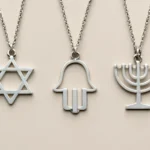
It is important to remember that epigraphic conventions can vary by region, denomination, and historical period. Some markers may include iconography such as menorahs, hands in blessing, doves, or other symbolic motifs. These visual elements are not universal, but they can provide helpful context for understanding a family’s background and the era in which the stone was carved.
Caring for Jewish Tombstone Rocks: Maintenance, Cleaning, and Preservation
Proper care of tombstone rocks is essential to protecting inscriptions, supporting the stone’s structural integrity, and preserving historical value. The following guidelines cover routine maintenance, cleaning methods, and long-term preservation considerations.
General maintenance principles
Keep the area around the marker free of overgrowth, soil buildup, and vegetation that can trap moisture or cause root damage.
Ensure proper drainage around the base to prevent standing water, which accelerates weathering and can promote biological growth.
Document the stone’s current condition with photographs and notes, especially before any cleaning or restoration work.
Cleaning and conservation basics
Gentle cleaning is typically appropriate. Use soft brushes (natural or nylon bristles) and clean, non-abrasive water to remove dirt and biological growth.
Avoid harsh chemicals such as bleach, strong acids, or alkalis that can damage inscriptions or the stone surface.
Do not use power washers, wire brushes, or abrasive tools, which can erode lettering and sculpture and risk irreversible damage.
For lichens, moss, or stubborn biological growth, consider consulting a professional conservator who specializes in stone monuments rather than attempting aggressive removal yourself.
When cleaning, work slowly, rinse thoroughly, and dry the surface to prevent mineral deposits from drying in the lettering.
Preservation challenges and responses
Freeze-thaw cycles can crack stone; ensuring proper drainage and even load distribution helps minimize risk.
Acidic precipitation, air pollution, and salinity can accelerate erosion, especially on softer stones like limestone or marble. In such cases, preservation may involve protective measures, careful stabilizing treatments, and professional assessment.
Biological growth (lichens, algae) can obscure inscriptions and contribute to surface wear. Gentle cleaning and sometimes biocide treatments are used, under professional guidance, to address this issue.
Structural stability is critical. If a marker shows cracks, leaning, or a compromised base, it should be temporarily supported and professionally assessed to determine whether reset, repair, or replacement is needed.
Ethical considerations in cleaning and restoration
Preserve original inscriptions and material as much as possible. Avoid repainting or re-engraving unless absolutely necessary and done by qualified conservators.
Respect cultural and religious sensitivities. Some families prefer that markers remain as found if the historical integrity would be compromised by modernization.
Record any restoration work and maintain documentation for future caretakers and genealogical research.
Ethical, Legal, and Community Considerations in Cemetery Care
Maintaining Jewish tombstone rocks involves more than technical expertise; it requires an awareness of ethics, cemetery policy, and community values. Ethical restoration respects the integrity of the marker, honors the memory of the deceased, and acknowledges the rights and expectations of descendants and congregations.
Legal considerations vary by jurisdiction but commonly include ownership rights, cemetery rules, and privacy concerns. In many places, cemeteries require permission for any restoration work, including cleaning, re-anchoring, or resetting stones. Before engaging in any action, consult cemetery administration and, when necessary, obtain written consent and permits. Hiring qualified conservators who adhere to professional ethical standards is strongly advised.
Community involvement is a critical aspect of care. Volunteer programs, local historical societies, and synagogue-affiliated cemetery committees often collaborate to document inscriptions, repair neglected markers, and create accessible records for researchers and families.
Documentation, Epigraphy, and Archival Records
A robust approach to sustaining grave markers involves careful documentation. Recording inscriptions, dates, and the marker’s physical condition creates a valuable record for genealogists, historians, and future caretakers.
Photograph the marker from multiple angles, capturing inscriptions clearly and any decorative elements.
Transcribe the inscription, noting language, dates, and abbreviations (for example, תנצב״ה).
Record the rock type, dimensions, and any visible weathering patterns or structural concerns.
Maintain a dated log of any cleaning or restoration work, including who performed it and what techniques were used.
Digitize inscriptions when possible, creating searchable records for genealogical databases and community archives.
Modern technology provides powerful tools for preservation. Digital databases, 3D scanning, and high-resolution imagery enable researchers to study inscriptions without repeated handling of fragile stones. In many communities, QR codes or digital links on new markers guide visitors to online records that share historical context and biographical information.
Practical Care for Both Modern and Historic Markers
Whether a marker is a modern granite headstone or an historic limestone memorial, the same principles of care apply, with adjustments for the stone’s specific characteristics and the local environment.
Regular inspections help identify early signs of movement, cracking, or eroding lettering.
Keep a respectful distance from nearby graves when performing maintenance to avoid accidentally disturbing adjacent markers or fragile soil layers.
Schedule professional assessments for markers showing significant tilt, visible cracking, or loose bases.
Coordinate with cemetery managers when planning any restoration to ensure compliance with site guidelines and scheduling considerations.
Regional Variations in Jewish Tombstone Rocks and Practices
Practices around memorial stones differ across regions, reflecting local geology, religious customs, and historical circumstances. In some communities, the stone marking tradition emphasizes the permanence of stone in a desert or arid environment where flowers are scarce. In others, lush landscapes encourage a blend of stone markers with plantings and inscriptions in multiple languages to reflect a multilingual community.
Some regions favor upright headstones with ornate top motifs, while others prefer humble flat markers or family plots with uniform fieldstone markers. The regional material available—granite in one area, limestone in another—also shapes the aesthetic and preservation needs of the gravestones.
Guidance for Visitors, Researchers, and Future Caretakers
If you are visiting a Jewish cemetery or conducting research, here are practical guidelines to approach tombstone rocks with respect and care:
Move with permission and use proper safety practices if you need to examine or photograph a marker.
Do not lean on, climb on, or push markers; this can cause structural damage and compromise stability.
When visiting with children or students, explain the cultural significance of stones and the reasons for careful handling and quiet behavior.
When engaging in preservation work, seek instruction from professionals and avoid experimenting with aggressive techniques on historic markers.
Respect signage and cemetery rules regarding access times, areas under restoration, and guidelines for photography.
Case Studies: How Communities Care for Their Jewish Tombstone Rocks
Across the globe, communities have undertaken meaningful projects to care for their memorial stones. Examples include digitizing inscriptions for remote families, stabilizing leaning gravestones with respectful restoration, and creating interpretive guides that explain the history and symbolism of different markers.
In some cases, partnerships between synagogues, historical societies, and municipal authorities have funded restoration programs, enabling careful conservation while preserving the markers’ authentic appearance. These case studies illustrate how thoughtful care practices can preserve both the physical marker and the memory it carries for generations.
Frequently Asked Questions about Jewish Tombstone Rocks
Here are concise answers to common questions that arise when discussing memorial stones and their upkeep.
Why do people place stones on graves? The act is a sign of memory and respect. It acknowledges the deceased and signals to others that the person is still remembered by the living.
Are all Jewish gravestones inscribed in Hebrew? Not necessarily. Some markers feature inscriptions in Hebrew, Yiddish, English, or the local language, depending on the community and era.
Can I clean a grave marker at a cemetery? If you are a visitor, you should not perform cleaning; follow cemetery policies. If you are responsible for a marker, consult a professional conservator or the cemetery administration for approved methods.
What is the best way to document a marker? Take clear photos, note inscriptions, and record the condition. Preserve a copy of any inscriptions in a secure record-keeping system or database.
How can I support preservation efforts? Volunteer with local cemetery outreach programs, donate to restoration funds, or assist with digitization projects that preserve inscriptions for future researchers.
Conclusion: The Enduring Value of Jewish Tombstone Rocks
Jewish tombstone rocks—whether simple or elaborately carved, old or modern—serve as durable embodiments of memory, culture, and history. They are not merely commemorative objects; they are records that connect generations, bearing testimony to family lines, community histories, and the religious traditions that shape a people’s approach to mortality and remembrance. By understanding the materials, inscriptions, cultural significance, and best practices for care, communities and individuals can contribute to the responsible preservation of these stones for many decades to come.
This guide has outlined the core aspects of memorial stones in Jewish contexts: the symbolism of placing stones on graves, the typical materials used, how inscriptions convey identity and blessing, and the practical steps required to maintain and protect these markers. As guardians of memory, caretakers, researchers, and visitors alike share a responsibility to treat grave markers with respect, accuracy, and care—ensuring that the stories etched in stone continue to be legible, meaningful, and honoring the lives they symbolize.