Overview of Jewish Tradition When Someone Dies: A Guide to Rituals and Mourning
In Jewish life, the moment of death triggers a structured sequence of rituals designed to honor the deceased, console the bereaved, and integrate loss into the fabric of community life. Across denominations and cultures, the core values remain consistent: respect for the dead, responsibility to the living, and a shared posture of grief with meaning. This article, Jewish Tradition When Someone Dies: A Guide to Rituals and Mourning, surveys the traditional steps from the moment of death through the various stages of mourning, while also noting how practices differ among Orthodox, Conservative, Reform, and Sephardic traditions, as well as among communities around the world. It aims to be informative for families, friends, and anyone seeking a better understanding of these customs.
From Death to Burial: The Aninut Period and the Role of the Chevra Kadisha
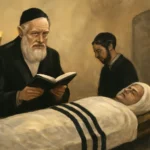
The earliest stage after death is known as Aninut, the period from the moment of death until the burial. During Aninut, the mourners prepare for the funeral, and the focus is often on practical arrangements, honoring the wishes of the deceased, and beginning the formal mourning process. The body is treated with utmost dignity, and the family is typically accompanied by members of the Chevra Kadisha—the sacred burial society responsible for safeguarding traditional prerogatives around burial.
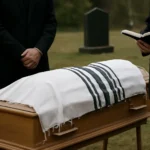
The Chevra Kadisha performs a careful tahara (ritual cleansing) of the body and arranges for the body to be clothed in tachrichin, simple linen shrouds intended to emphasize modesty and equality before God in death. In many communities the tachrichin will also reflect modest adornment and simplicity, avoiding ornate elements. This purification and preparation aim to return the deceased to the earth with reverence.
A notable ritual within this period is keriah, the tearing of an outer garment (or a symbolic ribbon) by the mourners to express grief. The tearing is typically performed by close relatives as a physical sign of loss. While the exact form of keriah can vary, the act underscores the seriousness of the moment and the transition from life to mourning.
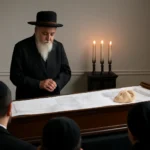
The funeral service itself—often called the levaya—is a public or semi-public farewell. It unites family, friends, and sometimes members of the community in prayer, reading, and solemn ritual. Depending on local custom and denominational norms, the levaya may include verses from the Psalms, readings from Scripture or liturgy, and the recitation of prayers such as El Malei Rahamim (the prayer for the souls of the departed) and, in many communities, the Kaddish in its mourner’s form follows the burial.
The manner of burial itself varies by tradition. In traditional Jewish law, the preference is for burying the body in the earth as soon as possible after death, usually within 24 hours unless there are extenuating circumstances. Embalming is generally avoided in Orthodox practice, and the casket tends to be simple and wooden. In some Reform or non-Orthodox communities, there may be different approaches to cremation or the timing of burial, reflecting contemporary ethical considerations and personal beliefs. Nonetheless, the central aim remains consistent: to honor the deceased and support the mourners.
The Burial and Funeral Service: Levaya Practices Across Traditions
The levaya is both a final farewell and a communal act of support for the bereaved. While the exact customs can vary, several elements recur across Jewish communities.
Prompt burial: In most traditional communities, burial follows death swiftly, often within a day or two, to fulfill the mitzvah of honoring the body and returning it to the earth.
Anonymous or simple caskets: The casket is usually plain and unobtrusive, reflecting the value placed on equality before God in death.
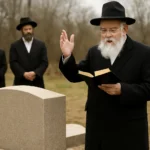
Processional ritual: The funeral often includes a procession to the cemetery, where prayers and psalms are recited and the coffin is lowered into the grave.
Earth as blessing: The act of placing the body into the ground and covering the casket with earth serves as a tactile reminder of mortality and the continuity of life through the community.
Strength through community: The presence of mourners and friends at the levaya provides a tangible support system for the bereaved, reinforcing the sense that they are not alone in their grief.
Across denominations, there are customary differences. Orthodox communities typically observe strict laws about burial, modesty in ceremony, and the avoidance of embalming or caskets that resemble caskets used for long-term display. Conservative and Reform communities may adapt the liturgy, incorporate modern songs or readings, and in some cases permit alternative approaches to cremation or interment, depending on the community’s norms and beliefs. Sephardic and Mizrahi communities may emphasize particular prayers, Psalms, or cadence of readings that reflect their historical and cultural traditions, while still following the core framework of honoring the dead and comforting the mourners.
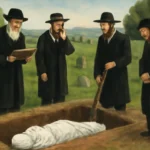
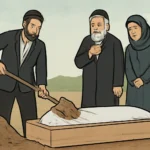
The levaya is followed by burial, where friends and family may participate in filling the grave with earth. The practice is usually accompanied by a final meaningful moment—often a last recitation of prayers or verses—before the grave is closed. For many families, this marks a distinct boundary between life with the deceased and the ongoing life that must continue in the wake of loss.
Prayers, Readings, and Customs in the Funeral Context
In Judaism, specific prayers and readings hold special significance during funerals and the immediate mourning period.
El Malei Rachamim (God, Full of Compassion) is a central memorial prayer for the deceased, often recited at the cemetery and at the funeral service, invoking divine mercy for the departed.
Psalm readings are common throughout the service and at the graveside, with verses such as Psalm 23 and Psalm 121 frequently invoked to express trust, consolation, and the hope of divine protection.
Kaddish is not a prayer for the dead, but a sanctification of God’s name. The mourner’s Kaddish is recited daily by the bereaved as a way of honoring the dead and affirming faith even in grief. The duration varies by relationship and custom (often 11 months for a parent, and 30 days or longer for other relatives, with some communities extending further).
Levaya readings may include selections from Psalms, Ecclesiastes, Proverbs, or other scriptural and liturgical passages that address mortality, the legacy of the deceased, and the endurance of memory.
Yizkor (Memorial) prayers are observed at specific times in the Jewish calendar (Yom Kippur, Shemini Atzeret, Passover, Shavuot) and, in some communities, at additional memorial moments. These services reaffirm the communal obligation to remember those who have died.
It’s important to recognize that prayer practices may be adapted by congregations to reflect contemporary sensibilities while preserving the essential rituals. For example, some Reform communities may integrate additional readings, inclusive language, or musical selections while maintaining the reverence for the deceased and the solace of the mourners.
Shiva: The First Week of Mourning
The step following the burial is the seven-day period of Shiva, a cornerstone of Jewish mourning. During Shiva, mourners typically remain at home or in a designated space, receiving visits from family and friends who come to comfort them.
Minyan participation is often required for certain daily prayers. A minyan is a quorum of ten adults, which enables certain prayers to be said publicly.
Mourner’s bench: A chair or low seating indicates the mourner’s current status. Visitors will often sit, offer condolences, and share memories of the deceased.
Kriah and tearful expressions: The practice of tearing is observed on certain articles of clothing as a visible sign of grief, modeling the inner sense of loss.
Foods and hospitality: Family and friends often bring meals to sustenance the mourners. In many communities, the practice of inviting guests to share food helps create a supportive atmosphere and acknowledges the communal responsibility to care for the bereaved.
Restrictions: Some traditions encourage refraining from joyful celebrations, avoiding new clothing or hairstyles, and limiting certain forms of music or entertainment during Shiva. This reflects the seriousness of the moment and the focused nature of the mourning period.
The temple or synagogue may host prayer services during Shiva, and mourners are encouraged to continue reading Psalms or other texts that provide comfort and perspective. Friends often offer words of remembrance and help with practical tasks, reinforcing a sense of belonging and care during a difficult time.
Shloshim and the Rest of the First Year: Continuing Mourning
After the first seven days, the mourning period continues for Shloshim, typically lasting 30 days for a relative who is not a parent and, in many traditions, for a year in the case of a parent. Even as the family resumes some daily activities, certain restrictions persist, serving as a bridge between the intimate, immediate grief of the funeral and the longer-term observances that follow.
Refraining from public celebrations or ecstatic events continues, though daily life resumes with adjustments to reflect the absence of the loved one.
Recitation of Kaddish often continues during Shloshim, especially for those who are obligated by custom to recite the prayer daily for the deceased. The exact duration may vary by community and tradition.
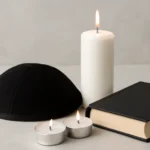
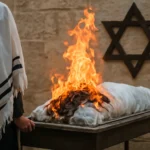
Yahrzeit (anniversary of death) becomes a focal point for remembrance. Families light a memorial candle on the eve of the Yahrzeit and say Kaddish or other prayers in memory of the departed.
For many, the first year after death is also a time of reflective learning—sharing stories about the deceased, writing letters, or engaging in acts of charity in memory of the person who has died. This process helps transform personal grief into a lasting legacy that continues to shape the family’s values and conduct.
After the yearlong mourning period, the family may mark the transition with a personal ritual or community observance, depending on tradition. The continued remembrance—through Yahrzeit candles, memorial plaques, and charitable acts in memory of the deceased—serves as a bridge between private grief and ongoing memory.
Remembering and Honoring the Dead: Yizkor, Kaddish, and Yahrzeit
The remembrance of those who have died manifests in several enduring practices that provide a framework for ongoing consolation and memory.
Kaddish Yatom (Mourner’s Kaddish) is recited by mourners at set times of day and on particular occasions. While the text itself exalts God and sanctifies God’s name, its emotional significance lies in the community’s solidarity and the mourner’s sustained connection to the deceased.
Yahrzeit observances commemorate the date of death according to the Jewish calendar. A candle is often lit for 24 hours, and families may recite prayers or read from the Psalms as a way of honoring the person’s life.
Yizkor (Memorial) prayers are recited on specific holidays—Yom Kippur, Shemini Atzeret, and Passover and Shavuot in some communities—or on other days depending on local custom. Yizkor serves as a communal moment of remembrance and gratitude for the departed souls who shaped their communities.
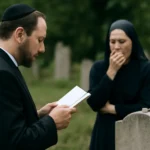
Across communities, families may also mark the anniversary of death with additional personal rituals, including visiting the grave, placing stones on the grave marker, and gathering with relatives to tell stories of the deceased. These acts help ensure that the person’s memory remains an active part of family life and moral guidance.
Variations Across Denominations and Cultural Traditions
Jewish mourning practices encompass a broad spectrum of observance, reflecting differences in theology, halachic (Jewish legal) interpretation, cultural heritage, and personal belief. Here are some representative nuances:
Orthodox communities tend to adhere closely to traditional rules surrounding burial, mourning timelines, and ritual purity. The timing of burial, the role of the Chevra Kadisha, and the avoidance of embalming are common features. The overall tone emphasizes humility, modesty, and communal responsibility.
Conservative communities often preserve many traditional elements while allowing for adaptations in language, liturgy, and sometimes the inclusion of English readings or contemporary poetry. They maintain the central structures of Aninut, Shiva, Shloshim, and Kaddish but with flexibility for modern sensibilities.
Reform and Progressive congregations may incorporate inclusive language, gender parity in leadership, and a wider array of musical and liturgical expressions. They may permit cremation in some circumstances, or allow alternative funeral arrangements consistent with modern ethics and personal choice, while still honoring the memory of the deceased and the needs of the mourners.
Sephardic, Mizrahi, and North African communities often bring distinct liturgical melodies, psalms, and Hagadah-like readings that reflect their historical journeys and languages. Though customs can differ, the overarching structure—Aninut, Levaya, Shiva, Shloshim, and Yahrzeit—remains recognizable.
Ethiopian and other diaspora communities may incorporate unique prayers, melodies, or customs that reflect long-standing cultural identities. In many cases, these communities preserve a strong sense of communal responsibility and family-centered mourning, alongside broader Jewish liturgical practice.
It’s worth noting that modern, interfaith, and secular families may approach death with a combination of Jewish tradition and other practices. In such cases, communities and cemeteries often work with families to create a respectful, meaningful ceremony that honors both Jewish heritage and individual beliefs.
A Practical Guide for Families: How to Prepare and What to Expect
Navigating a Jewish funeral and mourning process during a time of loss can be emotionally challenging. This practical guide outlines common steps, decisions, and considerations that families may encounter.
Contact the Chevra Kadisha or funeral home: If possible, reach out early to confirm burial preferences, legal requirements, and the local customs your community follows. The burial society can help coordinate Taharah, Tachrichin, and Levaya logistics.
Make burial arrangements promptly when possible, in accordance with local law and tradition. A timely burial is often seen as a sign of respect for the deceased and a practical way to begin the mourning process for survivors.
Plan the Shiva schedule: Decide where Shiva will be observed (a home, synagogue, or funeral home space), who will host, and how meals will be organized. The first seven days are a critical window for communal support and shared stories of the deceased.
Identify a minyan for daily prayers during Shiva and Shloshim. If a minyan is not readily available at home, arrangements with a synagogue can ensure the prayers can be recited properly.
Prepare for Kaddish: For many mourners, saying Kaddish daily is an important part of the process. Family and friends can help by attending services or joining via livestream if in-person attendance is not possible.
Decide on readings and songs: Work with the rabbi or cantor to select appropriate readings, psalms, and possibly music or poetry that reflect the deceased’s life and the family’s values.
Consider the long arc of mourning: After Shiva and Shloshim, plan for Yahrzeit rituals and the annual remembrance of the deceased. This helps transform grief into ongoing memory and responsibility to the living community.
Legal and logistical matters: Notify institutions, update wills, organize organ donation when appropriate, and review cemetery or burial plot arrangements. Be mindful of personal and family preferences and religious guidelines in making these decisions.
Families are encouraged to seek support from clergy, funeral directors familiar with Jewish customs, and community organizations. The mourning process can be deeply meaningful, offering a structured path through grief while honoring the deceased and supporting the survivors.
Inclusive Considerations: Interfaith and LGBTQ+ Families
Jewish tradition has strong communal norms, but modern families often represent a spectrum of beliefs and identities. In interfaith families, it is possible to craft ceremonies that honor Jewish values (including honoring the dead, comforting the bereaved, and remembering through acts of charity) while respectfully acknowledging other faith traditions. Clergy and funeral directors who are experienced with mixed-religion families can help design services that are both respectful and heartfelt.
For LGBTQ+ families and partners, many congregations strive to honor equal participation in rituals, including participation in the minyan, recitation of prayers, and leadership in readings. The emphasis remains on the shared responsibilities to respect the deceased and provide comfort to mourners, while adapting language and roles to reflect inclusive values.
Regional and Cultural Variations: A Quick Panorama
Judaism spans many cultures and languages, which means regional customs can shape the way death rituals unfold.
Ashkenazi communities often stress the discipline of the burial process, with strong emphasis on the Chevra Kadisha, Keriah, and the standard sequence of Aninut, Shiva, Shloshim, and Yahrzeit.
Sephardic and Mizrahi communities bring their own liturgical tunes, Hebrew and vernacular readings, and sometimes different timing for the burial and mourning practices, while keeping the central arc of mourning and consolation intact.
Yemeni and African Jewish communities may blend traditional Hebrew liturgy with distinctive melodies or phrases in local languages, creating a unique blend that preserves the memory of the deceased while reflecting community identity.
Regardless of tradition, the core goals remain: to treat the dead with dignity, to support the mourners, and to sustain a sense of continuity and meaning in the face of loss.
What to Do Now: Helpful Tips for Family and Friends
If you are supporting someone who has experienced the death of a loved one, here are practical steps to help you respond with compassion and accuracy.
Offer condolences promptly and in person when possible. Acknowledge the loss with phrases like “I’m so sorry for your loss,” followed by listening more than speaking.
Respect the mourning rules by avoiding unsolicited advice about grief, giving space when needed, and participating in Shiva visits if possible. Even simple acts of presence can be deeply meaningful.
Assist with practical needs such as meals, childcare, or household tasks. The first week after a loss is a heavy period for the family, and practical help can relieve stress and allow them to focus on mourning and memory.
Attend services and memorials when invited, and consider bringing meaningful readings or prayers that reflect the deceased’s life and values.
Respect the boundaries around visits and conversation topics. If someone asks for space, honor that request and reconnect when they are ready.
For those who are unfamiliar with Jewish practice, asking gentle questions and seeking guidance from a rabbi, cantor, or funeral director can help ensure your support aligns with community norms and personal wishes of the grieving family.
Conclusion: The Purpose of Jewish Mourning Traditions
The rituals and mourning practices surrounding death in Jewish life are not only a cultural inheritance; they are a living framework that helps communities endure loss with both gravity and grace. From the intimate acts of tahara and tachrichin to the communal expressions of Shiva, Shloshim, and the annual Yahrzeit, these rituals foster a shared language for grief, memory, and continuity.
The variations across denominations and cultures reflect a dynamic tradition that values both fidelity to ancient laws and responsiveness to contemporary realities. By understanding the core elements—aninut, levaya, shiva, kaddish, yizkor, and yahrzeit—readers can navigate Jewish death rituals with confidence, compassion, and respect for the diversity within the Jewish world.
Whether you are a family preparing for a loss, a friend supporting someone through mourning, or someone seeking a deeper knowledge of Jewish practice, the central message remains clear: in Jewish tradition, death is honored with dignity, grief is shared within the community, and memory is safeguarded through acts of charity, prayer, and ongoing remembrance.