Attire for a Bar Mitzvah: The Ultimate Guide to Dress Codes for Men, Women, and Guests
A Bar Mitzvah marks a milestone in a young person’s life and a family’s journey. The right attire communicates respect for the ceremony, consideration for the venue, and joy for the celebration. This guide offers practical, broadly applicable advice for men, women, and guests, with variations to fit different communities, times of day, and settings—from a traditional synagogue service to a festive reception at a hotel or banquet hall.
Key Principles for Bar Mitzvah Attire
Respect the venue: Dress modestly and neatly for the ceremony, and adapt to the style of the reception without becoming overly casual.
Honor the honoree: Choose attire that allows the bar mitzvah boy to feel celebrated and the family to feel supported, not overshadowed.
Consider modesty and tradition: Customs vary by congregation. When in doubt, lean toward more formal and conservative choices, especially for morning services.
Plan ahead: Check the invitation for hints about dress codes, ask the family if needed, and prepare a backup option in case of weather or event changes.
Comfort matters: Long ceremonies and later receptions require comfortable fabrics, good shoes, and layers to adjust to temperature changes.
Understanding Dress Codes by Setting and Time
Dress codes for bar mitzvahs can range from smart casual to formal black tie. The most important thing is to align with the community’s norms while staying respectful of the ceremony and the celebration. Here are common scenarios and the typical expectations.
Morning synagogue service — Often the most traditional and modest. Expect thoughtful attire such as a dark suit or a dressy ensemble for women. Avoid casual staples like jeans or athletic wear.
Afternoon ceremony with a reception — A step up from morning dress but still comfortable. Suits for men; modest dresses or skirt suits for women work well.
Evening reception or gala-style event — More formal options become appropriate. Dark suits or a coordinated tuxedo style if the invitation signals black tie or black tie optional.
Outdoor or seasonal variations — Hot climates or summer weddings allow lighter fabrics (linen blends, lightweight wools) and brighter color palettes, while winter events favor heavier fabrics and layering.
Attire for Men
For the Bar Mitzvah Boy
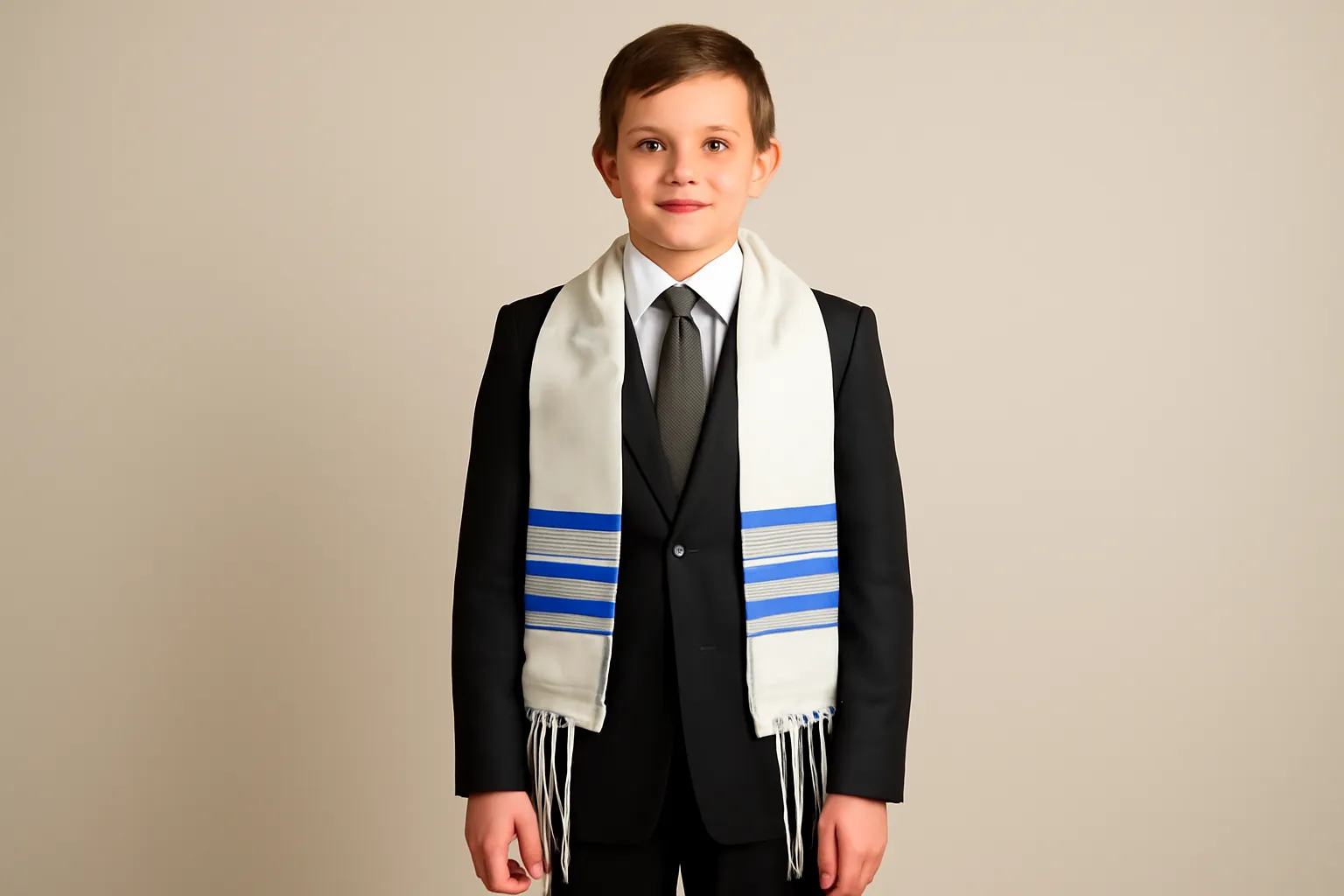
The Bar Mitzvah boy often leads the service or participates prominently in the Torah reading, so his attire should project dignity and readiness. Common options include:
Classic dress suit with a dress shirt and tie or bow tie. A charcoal gray, navy, or deep blue suit is a dependable choice.
Three-piece suit for a more formal appearance, especially in the evening or at a formal reception.
Tuxedo or formal black tie only if the invitation specifies a black-tie event or if the family’s tradition leans toward formal attire.
Shirt and blazer with dress pants as a flexible option for warmer weather or daytime services.
In the ceremony, the boy may also wear a tallit during the Torah reading, which is a meaningful addition for many communities. A yarmulke/kippah is typically worn; some families provide them, while others prefer the boy to choose one that suits his personality.
For male guests, the key is to match the tone of the event while maintaining comfort and respect for the ritual. Consider these tiers:
Formal or black-tie optional: A dark suit with a conservative tie, or a tuxedo if specified as optional. Shoes should be polished leather dress shoes.
Semi-formal: A well-cut suit or blazer with dress pants, paired with a collared shirt and a tie. This works well for daytime ceremonies and more relaxed receptions.
Smart casual (only if explicitly allowed): Blazer or sports coat, collared shirt, and chinos or dress pants. Avoid jeans and athletic footwear unless the invitation states otherwise.
Attire for Women
General Guidelines for Women Attending
For women, the aim is to be elegant and respectful, while allowing for personal style. Consider these guidelines:
Dresses and skirt suits are reliable choices. A knee-length or tea-length dress is often appropriate for day events; evening events can accommodate cocktail or longer gowns depending on the formality.
Modesty varies by community. In many synagogues, shoulders should be covered and hemlines should be modest. A shave cardigan, crepe, or sleeve covers can adapt outfits easily.
Color and fabric: Jewel tones, rich neutrals, and subtle patterns tend to photograph well and feel festive without looking loud. Fabrics such as silk, satin, crepe, or wool blends are versatile across seasons.
Style Variations and Practical Considerations
Women have many options to reflect personal style while staying appropriate for the ceremony and celebration:
A-line or sheath dresses with sleeves to vary coverage and comfort.
Dressy jumpsuits as a modern, chic alternative to a dress, with a modest neckline and full-length pants.
Skirt and blouse combinations for a refined, mixed texture look.
Evening gowns for formal receptions, paired with a lightweight wrap or bolero for modesty if needed.
Attire for Guests: Children and Teens
Young attendees contribute to the festive atmosphere, so guiding them toward age-appropriate, comfortable outfits helps everyone enjoy the day.
Boys: Dress shirts with slacks and a blazer or sport coat; a tie is common, though not always required for younger children.
Girls: Dresses or dressy skirts and tops with modest necklines; avoid overly short hemlines and ensure shoulders are covered if required by the venue.
Footwear: Comfortable dress shoes with good support; for outdoor portions or long events, avoid footwear that causes discomfort.
Seasonal and Venue Considerations
The season and the venue strongly influence fabric choices and comfort levels. Here are practical strategies for different conditions.
Summer and warm climates: Choose breathable fabrics such as wool blends with moisture-wicking properties, cotton-linen blends, or lightweight worsted wool. Lighter colors reflect heat; add a breathable layer like a linen blazer for men or a cardigan for women if the room is cool.
Winter or cool venues: Opt for heavier fabrics like wool or velvet accents, and layer with stylish outerwear (a formal coat or faux fur wrap). Scarves or pashminas can add warmth and style.
Outdoor ceremonies: Consider sun protection, breathable fabrics, and comfortable shoes suited to grass or gravel. A chic hat for sun protection can feel elegant and practical.
Color and Fabric Guidelines
Colors and fabrics can set the tone for a Bar Mitzvah without stealing the spotlight from the honoree. Consider the following:
Palette balance: Coordinate with the family’s color schemes. Neutrals like charcoal, navy, and black anchor an outfit, while modest accents of navy, burgundy, emerald, or ruby add interest.
Patterns: Subtle patterns such as pinstripes, houndstooth, or small prints are typically fine; loud graphics or oversized logos should be avoided.
Fabrics: Wool, wool-blend, gabardine, crepe, satin, chiffon, and cotton blends are versatile for year-round events. Avoid denim for the ceremony and dressy portions unless the invitation explicitly allows casual styles.
Accessories and Grooming
The finishing touches can elevate an outfit and are often just as important as the outfit itself.
Head coverings for men are common in synagogue services (kippah/yarmulke). Some communities expect the bar mitzvah boy to wear a tallit for the Torah portion; women in certain communities may cover hair after marriage, or may choose decorative head coverings at the ceremony.
Footwear: Dress shoes in good condition; ensure comfort for long events. For women, select a pair of supportive heels or flats that you can wear all day.
Jewelry: Keep jewelry tasteful and not overly flashy; the focus should remain on the honoree. Simple earrings and a watch are often enough.
Outer layers: A smart blazer, cardigan, or wrap can adapt an outfit to temperature changes and provide modesty when needed.
Fragrance: A light touch is best. Strong scents can be distracting in a sacred space.
Etiquette and Community Variations
Dress expectations vary widely across communities—Orthodox, Conservative, Reform, and unaffiliated congregations each have their own norms. When in doubt, consult the family or the invitation. The guiding principle is respect and celebration: dress in a way that honors the ceremony and makes the honoree feel special.
Orthodox and Conservatively Oriented Communities
In some Orthodox communities, modesty and head coverings are emphasized. Men typically wear a suit or sport coat; women may choose longer sleeves, modest necklines, and knee-to-ankle skirts or dresses. The Bar Mitzvah boy may wear a tallit and kippah during the service. If you’re unsure, err on the side of more coverage and classic elegance.
Conservative and Reform Congregations
These communities often allow more variation in style while maintaining decorum. You may see fashionable suits with contemporary cuts, chic separates for women, and age-appropriate outfits for teens. The invitation should indicate the expected tone; if not, aim for polished semi-formal or formal attire.
Sample Outfit Ideas by Category
Below are practical, ready-to-wear ideas that you can adapt to your size, budget, and the event’s level of formality.
Men – Formal: Charcoal or navy suit, crisp white shirt, silk tie, black leather dress shoes. Optional pocket square and cufflinks for a refined touch.
Men – Semi-formal: Navy blazer, light dress shirt, dress pants, coordinating tie, brown or black loafers or oxfords.
Men – Smart Casual: Sport coat, collared shirt (no tie needed), chinos, clean sneakers or loafers depending on venue rules.
Women – Daytime: Knee-length or tea-length dress in a solid color or subtle print; cardigan or light shawl for coverage; comfortable heeled sandals or dressy flats.
Women – Evening: Cocktail dress or elegant jumpsuit with appropriate length; statement clutch; dressy heels or refined flats.
Young guests: Boys in a crisp shirt and blazer with slacks; girls in a modest dress or skirt/blouse combination; comfortable shoes for dancing and long hours.
Practical Planning: A Family-Friendly Checklist
Planning ahead can reduce stress on the day and help ensure everyone looks coordinated and comfortable. Use this checklist as a baseline:
Read the invitation carefully for any stated dress code or color guidance.
Confirm the venue and time to tailor fabric choices and layers.
Propose options to family members and consider color coordination within a broad palette (e.g., navy, charcoal, burgundy, forest green).
Try on outfits in advance and test movement, especially for children and teens.
Pack backups: a lightweight cardigan, an alternate tie or belt, and comfortable shoes for changes in temperature or plan B in case of weather.
Special Considerations for the Bar Mitzvah Boy’s Family
The parents, siblings, and close relatives often coordinate attire to create a visually cohesive family look, without being identical. Here are some strategies:
Coordinate, don’t match precisely: Select a shared color family (for example, blues and grays) and allow each person to choose a silhouette that suits their body type.
Respect the ceremony’s tone: If a congregation emphasizes modesty, ensure outfits have appropriate sleeve lengths and hemlines for all family members.
Branding and logos: Avoid loud logos or graphic prints that could distract from the ceremony.
What to Do If the Invitation Mentions a Dress Code
Dress codes can range from casual to black tie optional. When you see a specified dress code, use it as your baseline and adapt with sensible enhancements. Typical cues include:
Black tie or formal: Tuxedo or dark suit with tie for men; long evening gown or formal cocktail dress for women.
Blue tie optional or semi-formal: Dark suit with tie; women in a dressy dress or suit.
Business formal: Suit and tie for men; dress or suit for women with modest styling.
Smart casual: Blazer with dress pants or a neat dress for women; collared shirt with dress pants and no tie for men, depending on venue.
FAQs and Quick Tips
Is denim ever appropriate? Generally, denim is best avoided for the ceremony, especially in a synagogue. If the invitation allows smart casual, dark denim may be acceptable for the reception in some venues, but when in doubt, skip denim for the ceremony.
Are shorts okay? In most synagogue settings, shorts are not appropriate for the ceremony. For summer outdoor receptions, choose lightweight, tailored shorts only if the invitation explicitly permits smart casual or resort wear—and pair them with a dress shirt and blazer to maintain formality.
What about colors? Rich, saturated colors and classic neutrals photograph well and feel celebratory without being distracting. Avoid wearing all white unless the family guidance suggests it is appropriate for the event, and avoid outfits that strongly mimic the honoree’s wardrobe.
What if I’m attending multiple events on the same day? Bring a backup layer or alternative outfit option, such as a dressy cardigan or a different tie, to transition from the ceremony to the reception smoothly.
Sample Itineraries: How Attire Shifts Across the Day
To illustrate how attire can evolve from ceremony to celebration, here are two representative itineraries.
: Male guest in a dark suit with tie for the ceremony; switch to a slightly lighter blazer or remove a tie for the reception if the atmosphere shifts to festive smart casual. Female guest in a modest day dress; bring a small wrap for the air-conditioned venue and switch to a more formal dress for the evening reception if necessary.
itinerary B (Evening gala): Male guest in a formal dark suit or tuxedo as required; female guest in a cocktail or full-length gown with appropriate accessories; both sections maintain modest, respectful styling appropriate for the ceremony and the reception.
How to Discuss Attire with Family and Guests
Clear, respectful communication helps set expectations without creating pressure. Consider these approaches:
Include a gentle dress guidance note on the invitation or RSVP website, emphasizing respect for the ceremony and comfort for guests of all ages.
Offer practical suggestions in a family chat or email, such as color palettes that align with the family’s theme.
Share a few example outfit ideas to help guests visualize the tone—without dictating exact looks.
Final Thoughts: Making Attire Part of the Celebration
Attire for a Bar Mitzvah is more than clothing; it’s a sign of respect, a nod to tradition, and a contribution to the celebratory atmosphere. When planning outfits, keep the honoree in focus: a day of meaningful moments, Torah readings, and joyful dancing. The right attire helps everyone feel comfortable and confident, and it makes the occasion more memorable for the young person who is stepping into Jewish adulthood.
Quick Reference: Key Phrases to Remember
Respectful and modest for the ceremony
Season-appropriate fabrics for comfort
Layering options to adapt to temperature
Head coverings as appropriate for men and women by community norms
Whether you dress in traditional business attire, a smart casual ensemble, or a formal evening look, the aim is to celebrate a milestone with dignity, warmth, and respect. By thinking ahead, checking invitations, and choosing outfits that align with the venue and community, you’ll contribute to a Bar Mitzvah experience that feels both meaningful and joyful for everyone involved.