A bat mitzvah marks a joyful transition in a girl’s life and a family’s calendar. Beyond the ceremony itself, what you wear and how you behave are parts of the tradition’s etiquette. This article offers a comprehensive guide to dress code and etiquette for bat mitzvah celebrations, with practical tips, variations by denomination, and suggestions for different parts of the day. Whether you’re the honoree, a parent planning invitations, a grandparent attending, or a guest seeking clarity, you’ll find guidance to help you dress appropriately, feel comfortable, and honor the occasion.
The core of any bat mitzvah dress code is modesty, respect for the venue, and consideration for the family’s preferences. While there is no single universal rule that covers every community, several universal principles tend to apply across most Jewish denominations.
Modesty: In many communities, shoulders should be covered and skirts or dresses should reach at least the knee when standing. Avoid very low necklines, sheer fabrics without a camisole, or outfits that are too tight or revealing.
Sleeves matter in some settings. For formal ceremonies, many families favor dresses with at least short sleeves or a chic cover like a bolero or cardigan.
Footwear: Choose footwear that is polished and comfortable enough for dancing and standing during long services. Closed-toe heels or dressy flats are common choices; avoid athletic sneakers during the ceremony.
Colors and patterns: There’s no universal prohibition on color. Some families prefer traditional colors or a color palette that coordinates with the celebration, while others welcome bright, celebratory hues. If the invitation hints at a color theme or dress code, align with that.
Two outfits or a layered approach: Many families plan one outfit for the ceremony and a separate, comfortable outfit for the reception, especially if dancing and photos follow the service.
Avoid denim for formal ceremony hours, unless the invitation explicitly indicates a casual dress code.
Dress expectations differ by tradition. The tone of the bat mitzvah—whether it’s in an Orthodox, Conservative, Reform, or secular-leaning setting—shapes what is considered appropriate. The following overview helps you tailor your attire to the community’s norms while maintaining respect for the ceremony.
Orthodox and Traditional Communities
In many Orthodox settings, modesty is emphasized for both the honoree and attendees. For girls, outfits should ensure shoulders are covered and hemlines fall at or below the knee. Some families prefer skirts with a modest top or a dress with sleeves. Although the bat mitzvah girl is not yet married, some families may choose to observe hair-covering traditions for women after marriage; if this is the family’s practice, you’ll be informed ahead of time and can adjust accordingly. A tasteful, non-revealing dress or skirt-and-blouse combination is a safe baseline.
Accessories should be understated and elegant. Consider a light cardigan or shawl for coverage during the service, paired with comfortable closed-toe shoes. For the guest, a conservative formal or dressy-casual dress code is often a good fit depending on the specific synagogue and invitation wording.
Conservative and Reform with Egalitarian Traditions
In Conservative, Reform, and egalitarian communities, the range tends to be broader. Many bat mitzvahs in these environments encourage stylish, modest attire but allow for more variety. Women and girls may wear dresses, skirts with blouses, or tailored pantsuits, while men and boys wear suits or dress slacks with a blazer. Head coverings for women may not be required, though some families or congregations may still request a head covering for certain parts of the service. If you’re ever unsure, the invitation’s language is your most direct guide.
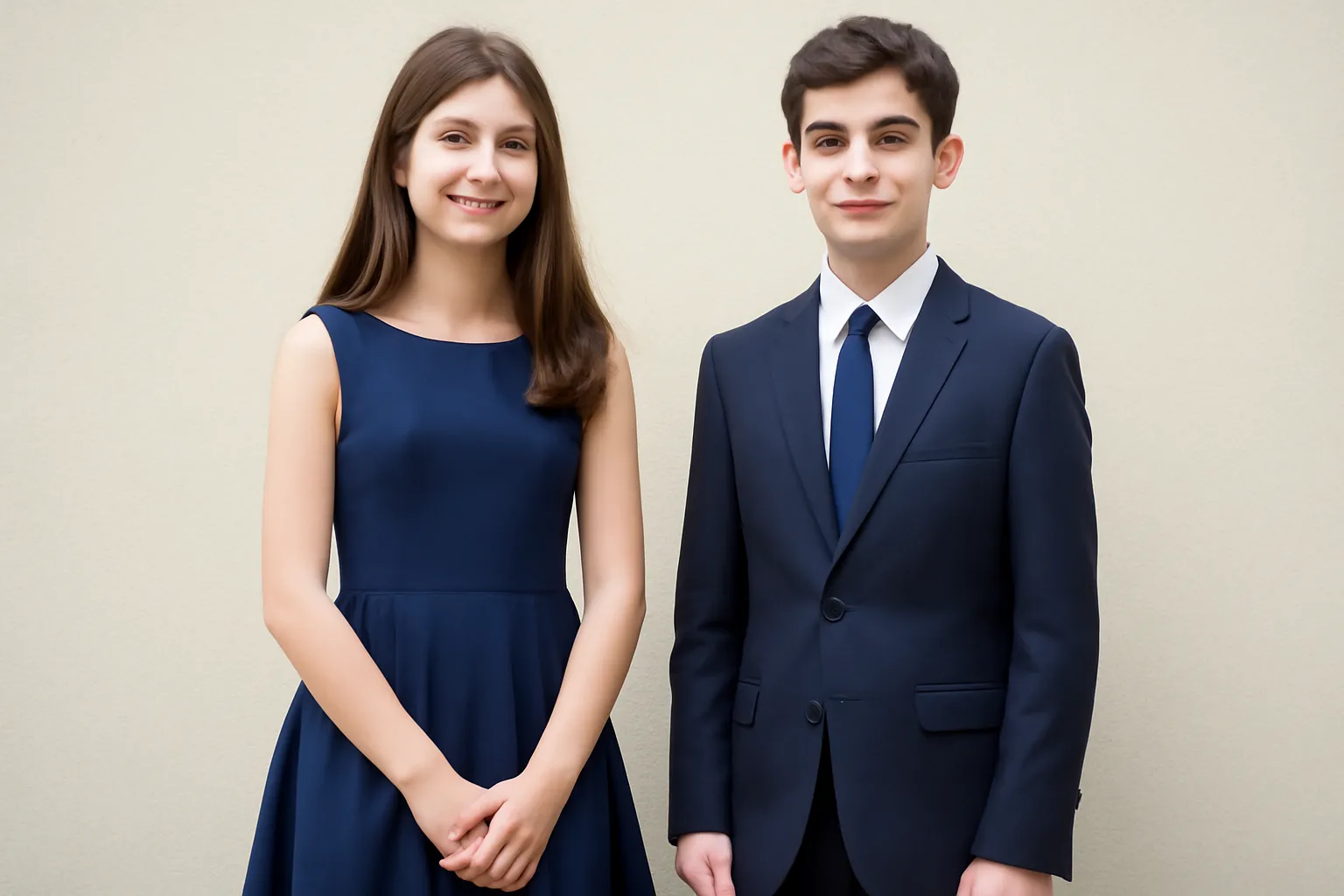
For guests, semi-formal to formal clothing is commonly appropriate. Think knee-length or longer dresses for women and dressy separates, or a suit for men. If the event includes a separate reception, you may switch to a more comfortable outfit after the ceremony, while keeping in mind the family’s expectations.
Modern and Non-Denominational Contexts
In modern, non-denominational settings, families often blend tradition with contemporary style. Expect a spectrum from dressy-casual to formal. A stylish cocktail dress, a refined pantsuit, or a chic skirt-and-blouse ensemble are typical options. Even within these contexts, modesty remains important, and many families appreciate outfits that show respect for the ceremony without feeling overly casual.
What to Wear for the Ceremony
The ceremony is the formal central moment of a bat mitzvah. The honoree typically wears something carefully chosen to reflect a sense of «special occasion» without drawing attention away from the service.
Girls’ ceremony attire:
A knee-length or longer dress with sleeves or a dress paired with a modest cardigan or shawl.
A dressy skirt and blouse or a tailored suit with a separate top.
A comfortable, dressy pair of shoes; consider dance-friendly options if photos and dancing follow.
Optional accessories like a delicate necklace or bracelet to add a touch of formality without drawing attention away from the service.
Hair can be worn down gently or neatly styled, with a hair accessory if desired. If your family observes head coverings after certain life events, factor that in as well.
What to avoid during the ceremony:
Very tight outfits or plunging necklines.
Sheer fabrics without proper coverage underneath.
Excessively bright or distracting prints that draw focus away from the service.
Casual shoes like flip-flops or sneakers, unless the invitation specifies a casual vibe.
Tips for Selecting a Ceremony Outfit
When choosing an outfit for the ceremony, think about how the garment will photograph under chandeliers, candles, or natural light in the synagogue. A silhouette that moves well during standing and sitting helps you feel at ease during the service. If you’re unsure about arm coverage or skirt length, a structured dress with sleeves (or a coordinating cardigan) is a reliable, flattering choice.
What to Wear for the Celebration (Reception/Party)
The reception is a time for celebration, dancing, and socializing. Attire here can be a touch more expressive while still respecting the family’s guidelines. Many families designate a “reception dress code” in the invitation or on their wedding-style signage at the venue.
For guests:
For a formal reception, men may wear a suit or tuxedo; women might choose a cocktail dress or dressy suit.
For a semi-formal or dressy-casual reception, a knee-length to midi dress, or a dressy jumpsuit or tailored trousers with a stylish top, is appropriate.
Comfort is key for dancing, so consider breathable fabrics and supportive shoes. You can bring a shawl or cardigan if the venue is air-conditioned or cool after the ceremony.
For the bat mitzvah honoree:
A bright, celebratory outfit for the post-service festivities can complement the solemnity of the ceremony, as long as it remains modest and respectful of the venue’s guidelines.
Some families choose to have two outfits: one for the ceremony and one for the reception, particularly if there is a formal photos segment or a long evening program.
Seasonal and Venue Considerations
Always tailor your dress choice to the season and the venue. For summer ceremonies in warm climates, lighter fabrics such as chiffon, silk blends, or crepe can keep you cool while maintaining formality. In winter or shoulder-season events, you can layer with a tailored cardigan, wrap, or a structured blazer without compromising style. If the synagogue has a particular climate—some are warm, others cool—plan layers that are easy to remove without a wardrobe malfunction.
Practical Considerations for Planning
A thoughtful approach to planning helps you avoid last-minute stress. Below are practical steps to ensure you’re prepared well in advance.
Read the invitation carefully: Look for explicit dress code phrases such as formal, cocktail, dressy casual, or any family-specific guidance. If something isn’t clear, contact the family or the event planner for clarification.
Consider the sequence of events: Many bat mitzvahs have a ceremony followed by a reception, possibly with a late-night portion. Plan outfits that can transition or that you can switch into comfortably for dancing.
Plan for photos: If there will be family portraits or a professional photo session, choose outfits that photograph well and coordinate with others without clashing.
Check the venue’s dress policy: Some synagogues have stricter standards for modesty than the reception hall. Respect the space by aligning with its norms.
Etiquette isn’t only about what you wear; it also involves demeanor, punctuality, and respect for the ceremony’s cadence. Here are etiquette guidelines to complement your attire.
Arrive on time: Plan to be seated before the processional, ensuring you don’t disturb others during quiet moments of the service.
Dress to honor the honoree: Your outfit should reflect the significance of the day—elevated, respectful, and without distractions.
Respect the rhythm of the ceremony: Refrain from loud talking during prayers, do not photograph or videotape from the pews if the rabbi or mitzvah family asks guests not to.
Gift etiquette: If giving a monetary or material gift, place it in an envelope with the honoree’s name and perhaps a brief note. You may also follow the family’s preferred gift protocol if they shared it in advance.
Preserve the photos’ integrity: If photography is allowed during designated times, follow the photographer’s instructions about when and where to stand, and avoid blocking paths or interrupting the ceremony.
Shopping and Planning Timeline
Planning ahead reduces stress and helps you select outfits that fit the tone of the event.
6–8 weeks before: Start shopping for ceremony attire and any potential second outfits. Check if the invitation specifies a color palette or dress code.
4–6 weeks before: If you need alterations, schedule fittings. Consider accessories (wraps, cardigans, and jewelry) that can adjust a look from ceremony to reception.
2–3 weeks before: Review comfort levels for movement and dancing. Test shoes to ensure they won’t cause discomfort during long events.
Day before: Prepare outfits, ensure wardrobe items are clean, pressed, and ready with any necessary undergarments, hosiery, or tights.
Seasonal Outfit Ideas: Variations to Suit Any Bat Mitzvah
The following ideas illustrate different dress code variations you might encounter. They’re designed to be adaptable, so you can mix and match elements to fit your community’s expectations.
Classic formal for a winter ceremony
For a formal, winter bat mitzvah, consider a tailored wine or navy dress with a crystal jewelry accent and a lightweight wrap for warmth. A modest sleeve length and a structured silhouette provide a polished look, while closed-toe heeled pumps complete the ensemble.
Spring or summer ceremony with a contemporary twist
A pastel sheath dress with a light cardigan offers a fresh, age-appropriate look. If the ceremony is outdoors or in a sunlit hall, breathable fabrics like crepe or luxe cotton keep you comfortable. Pair with comfortable wedges or sandals and delicate jewelry.
Modest fashion-forward option
For those who enjoy fashion while honoring modesty, a long-sleeve midi dress in a bold color or print can be striking. A matching scarf or lightweight shawl can be layered for additional coverage and style. Finish with ankle-strap heels or dressy flats.
Outfit options for families hosting a bilingual or cross-cultural bat mitzvah
If the family highlights a cross-cultural or bilingual theme, you can reflect that with color accents tied to the program or with subtle motifs in fabric textures. The key is to integrate, not overwhelm. Keep the overall look cohesive and respectful.
Special Considerations for Guests with Different Needs
Inclusive planning means considering accessibility, comfort, and cultural sensitivity. Here are tips to ensure everyone can participate with dignity.
Accessibility: Choose outfits with comfortable seating and easy access to bathrooms. If you use a wheelchair or have mobility concerns, confirm seating arrangements ahead of time and select attire that accommodates these needs.
Comfort for long days: Layering is your friend. A dress or suit that can be paired with a light cardigan allows you to adapt to varying temperatures inside the venue.
Respectful guidance: If the event schedule includes sensitive moments (e.g., the mitzvah portion, aliyah, or readings), keep voices soft and eyes on the podium to maintain reverence.
Being mindful of potential missteps can save you embarrassment and help the event run smoothly.
Ignoring the dress code—especially when the invitation explicitly calls for formal attire.
Overly revealing outfits in a religious setting, even if the event moves to a more casual reception afterward.
Inconsistent styling—mixing too many trends that clash with the solemnity of the ceremony.
Forgetting practical needs—not bringing a cover-up if the venue is chilly, or not having comfortable shoes for a long evening of dancing.
Two Example Dress Codes and How to Navigate Them
Invitations often specify a code like Formal, Semi-Formal, or Dressy Casual. Here’s how to approach these common codes with real-world options.
Formal (ceremony and reception): A knee-length to floor-length dress or a tailored suit for women and men. Rich fabrics, refined accessories, and polished shoes.
Semi-formal (most bat mitzvahs fall here): A cocktail dress or a dressy skirt with a blouse for women; a blazer with dress pants or a suit for men. Subtle jewelry and refined shoes complete the look.
Dressy casual (some family events or daytime celebrations): A smart dress or a neat outfit with tidy shoes. Avoid denim, athletic wear, or overly casual materials.
Frequently Asked Questions
Here are common questions families and guests ask about bat mitzvah attire and etiquette.
Is white appropriate? White is not strictly off-limits for guests at a bat mitzvah, but many families prefer guests avoid wearing white to emphasize the honoree’s special day. If you’re unsure, opt for softer neutrals or a color that complements the event’s palette.
Should I bring a wrap or jacket? Yes. A lightweight wrap or bolero is a practical accessory that can adapt an outfit to different spaces and temperatures while maintaining modesty.
Can boys or men wear a kurta or other cultural garment? If the family invites or the event’s theme supports cultural dress, it can be appropriate. When in doubt, choose a classic suit or blazer with a tie; you can honor the theme through a small accessory rather than the overall outfit.
What if my invitation doesn’t specify a dress code? It’s reasonable to contact the host for guidance. If you can’t reach them, err on the side of polished and modest attire to show respect for the occasion.
Final Tips for a Thoughtful Wardrobe Choice
Selecting attire for a bat mitzvah is about balancing respect for tradition with personal style. A well-chosen outfit communicates that you value the ceremonial moment and the family’s milestone.
Coordinate with family preferences: If the family has a preferred color palette, aligning with it can create a cohesive photoscape without losing individuality.
Mind the venue: A synagogue may have stricter modesty expectations than a reception hall. Always defer to the venue’s norms when in doubt.
Be practical: If you plan to participate in dancing or community activities, ensure your outfit allows movement, breathability, and comfort.
Sample Outfit Scenarios for Inspiration
To help you visualize, here are a few ready-to-wear ideas that fit common bat mitzvah codes. You can adapt these templates to match local norms and personal taste.
: A knee-length, cap-sleeve dress in a solid color with a lightweight cardigan, closed-toe flats, and a delicate pendant. Accessories are minimal to keep the focus on the service.
Scenario 2: Reception-ready: A midi-length dress with a modest neckline or a tailored pantsuit in a complementary color, paired with chic block-heeled sandals and small earrings for a balanced look.
Scenario 3: Cross-cultural or themed bat mitzvah: A dress or jumpsuit that nods to the theme with tasteful accents (such as a color-match belt or scarf) while keeping a respectful, modest silhouette.
Conclusion: Dressing for a Bat Mitzvah with Dignity and Joy
Dress codes for bat mitzvahs reflect a blend of tradition, community norms, and personal style. By understanding the denominational variations, planning ahead, and prioritizing modesty and respect, you can choose outfits that honor the ceremony and still express your individuality. The most important aspect is not the label of the dress, but the intent behind your attire: to support the honoree, to celebrate a milestone, and to participate thoughtfully in a meaningful Jewish rite.