Across centuries, a single horn has carried the weight of ritual, memory, and sound across the Jewish world. The Hebrew trumpet—more precisely known as the shofar in Hebrew—functions as a powerful symbol and a practical instrument. It is not a brass instrument with valves or keys, but a natural horn whose voice comes from breath, lip control, and the physics of a ram’s horn. This article explores the history of the shofar, the techniques used to play it, and its modern uses in liturgy, music, education, and culture. We will use several terms to describe the same object—shofar, ram’s horn, and “Hebrew trumpet”—to reflect the breadth of language around this ancient instrument.
History of the Hebrew trumpet: from ancient times to today
The shofar has a long and layered history that stretches back to the ancient Near East and runs through biblical narratives into contemporary Jewish life. Scholars often connect the ram’s horn to a range of uses in ancient Israel and surrounding cultures, including military signaling, ceremonial announcements, and religious rites. In biblical literature, horns of various animals appear as signaling devices in battles, in coronations, and as calls to assembly. The tekiah (a straight, sustained blast) and related calls are described in liturgical contexts and in the narratives of kings and priests.
In the Temple period (roughly the centuries before and after the second millennium BCE), the horn played a central role in sacred ceremonies. The shofar announced major events, summoned the people to gather, and marked transitions in religious life. After the destruction of the Second Temple in 70 CE, the horn continued to teach, remind, and inspire communities in the diaspora. Across centuries, Jewish communities adapted the instrument to fit different environments—from synagogues and home rituals to processions on holy days and in artistic performances.
Beyond ritual use, the Hebrew trumpet traveled with people as they migrated. It appeared in medieval and early modern Europe, North Africa, the Middle East, and later in the Americas as Jewish communities integrated into broader cultural life. While the purpose of the instrument shifted in some places—from sacred function to festival sound to concert repertoire—the core idea remained: a call to attention, a reminder of covenantal memory, and a bridge between the finite breath of a player and the vast resonance of history.
The anatomy, material culture, and craft of the ram’s horn
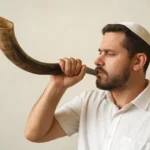
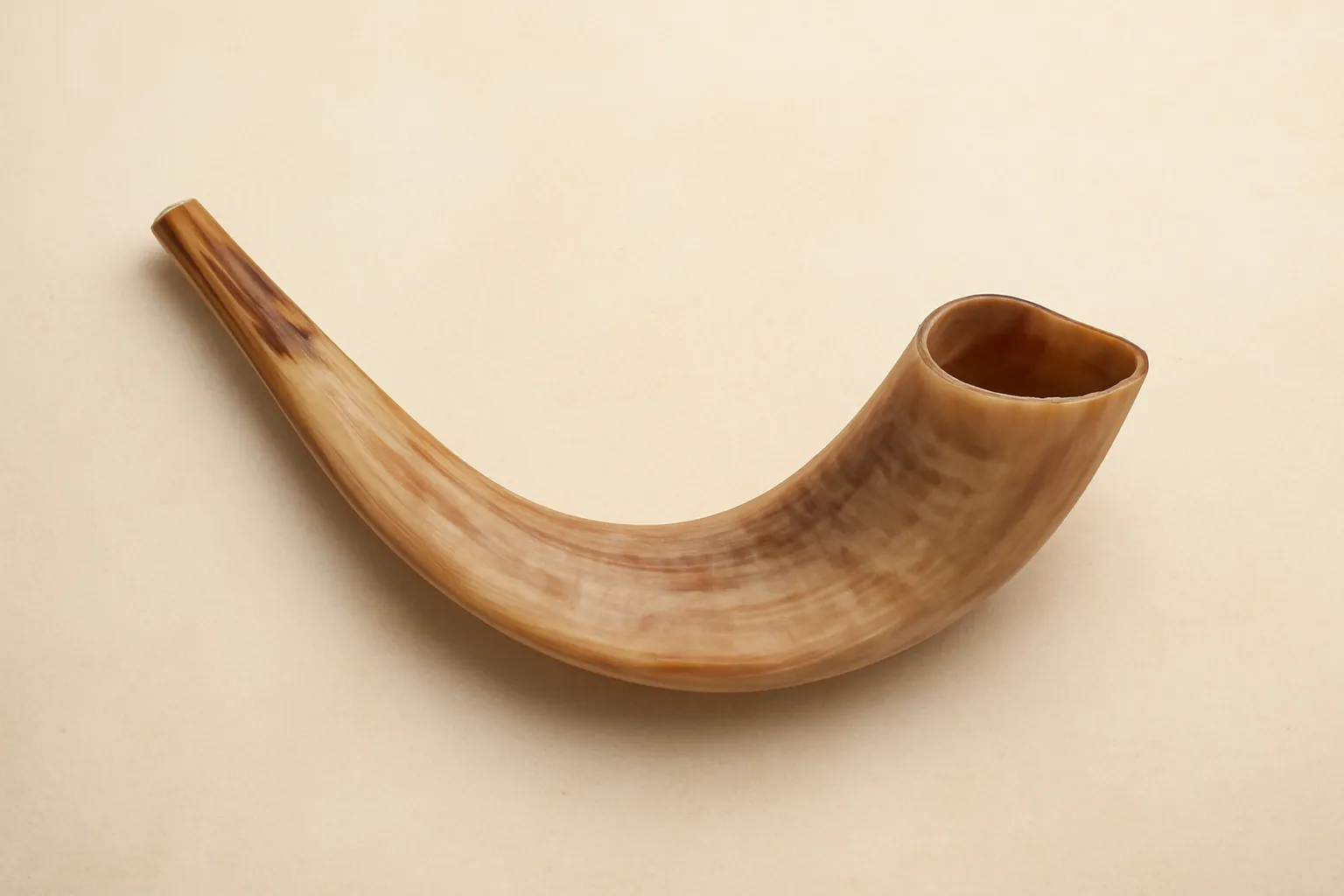
The shofar is a natural horn fashioned from the horn of a ram, although bull or other horn sources are sometimes used. The key characteristic is that it has no valves, mouthpiece, or finger holes; the pitch and timbre arise from the shape of the horn, the length, the diameter, and the player’s technique. The instrument is open on one end and closed on the other, with the player buzzing air at the lips and shaping the sound with the tongue, throat, and breath control.
Important notes about materials and care:
- Ram’s horn is the traditional material. The horn must be cleaned, dried, and sometimes treated to prevent cracking and odor.
- In modern practice, many shofars used in classrooms, studios, or community events are made of synthetic materials or metal—yet authentic spiritual performance still often honors the ram’s horn as the instrument’s core.
- Natural horns can vary in length and curvature, which affects sound production. A longer horn often produces a deeper, more resonant low end, while a shorter horn can feel brighter but with less sustain.
In a well-crafted shofar, the inner membrane is removed to ensure clean air passage, and the exterior is cleaned and dried. Some horn makers seal the horn or apply a protective finish to reduce cracking. Care guidelines include keeping the horn away from extreme heat, moisture, and direct sunlight, which can cause warping or microbial growth inside the horn. Because the shofar is a fragile, porous object, handling it with respect and gentle care is part of its practice.
From a cultural perspective, the horn’s sound color—bright, piercing, and carrying—has been described as “divine” by many listeners. The instrument’s voice can cut through ambient noise in a large room or outdoors, which historically made it a practical tool for signaling. Yet its most enduring impact is symbolic: memory, awakening, repentance, and communal identity. For performers, the horn invites a direct, almost primal engagement with breath and resonance.
Techniques for playing the Hebrew trumpet: basics and beyond
Learning to play the shofar is less about fingerings and more about embouchure, breath, timing, and the ability to articulate a sequence of blasts. The instrument’s lack of valves means that players rely on lip tension and air pressure, along with the horn’s natural acoustics, to shape the sound. Here are core components of technique and practice.
Core calls and their traditional patterns
There are four standard call types in traditional shofar practice, with regional variations. These calls are not just sounds; they carry ritual meaning and timing within liturgical sequences. The traditional set, used especially on Rosh Hashanah and certain other occasions, includes:
- Tekiah — a long, straight blast; often described as a single, unbroken note. It can signify a call to attention or a moment of affirmation.
- Shevarim — a series of broken sounds that resemble sighing; it conveys lament or reflection.
- Teruah — a rapid sequence of short, staccato blasts; it expresses agitation, urgency, or a call for alertness.
- Tekiah Gedolah — a very long tekiah, sometimes considered a concluding, climactic note that lands with emphasis.
In practice, many musicians blend these elements into a single performance, alternating between long, sustained tones and shorter, punctuated bursts. Some communities emphasize certain sequences over others, and improvisation is common in modern performances, especially in interfaith or contemporary music settings.
Breath, embouchure, and articulation
Successful shofar playing depends on controlled diaphragmatic breathing, relaxed jaw, and precise lip engagement. Practitioners often begin with exercises that build endurance and reduce tension in the facial muscles. A few practical tips include:
- Take a deep breath from the diaphragm and keep the chest open; steady airstream is essential for a clean blast.
- Relax the lips and jaw; a firm but flexible embouchure helps you sustain long notes and articulate blasts cleanly.
- Use the tongue lightly to shape consonant-like sounds, particularly for the shorter teruah blasts.
- Practice slow, controlled blasts before attempting rapid sequences to avoid straining the throat.
Dynamic control—how loudly or softly the blasts occur—adds expressive range. While the shofar is a natural horn with limited traditional pitch control, players can adjust tonal color by adjusting the tip of the tongue, the angle of the horn, and the speed of the air stream. In modern contexts, performers explore a wider spectrum of timbres, sometimes bending the traditional rules to achieve new sonic textures while respecting the instrument’s ceremonial roots.
Within liturgy and symbolism: the shofar as memory and call
The Hebrew trumpet sits at the center of many important Jewish observances. Its uses are deeply ritual and its presence invites contemplation, communal engagement, and a sense of historical continuity. The instrument’s primary liturgical moments are most visible on Rosh Hashanah (the Jewish New Year) and the period of introspection that leads to Yom Kippur, but it also appears in various services, processions, and life-cycle events throughout the year.
Symbolically, the shofar embodies several themes:
– Awakening and repentance: Its piercing sound calls listeners to examine conscience and return to ethical paths.
– Covenant and memory: The horn’s ancient provenance anchors modern communities to biblical narratives and communal memory.
– Judgment and mercy: The blasts function as a ritual invitation to humility before divine judgment while also seeking divine mercy.
In contemporary contexts, many communities incorporate the ram’s horn into interfaith programs, concerts, and educational outreach. Such usage can help audiences engage with Jewish history and ritual in a non-invasive, reflective way. Nevertheless, it is customary to approach the instrument with respect for its religious origins and to seek guidance from knowledgeable leaders when introducing the shofar into mixed settings.
Modern uses of the Hebrew trumpet: ritual, arts, and beyond
Today, the shofar extends far beyond its traditional liturgical role. It appears in a broad range of modern contexts that preserve the instrument’s essence while expanding its reach. These uses include religious observance, education, world music collaborations, experimental art, and therapeutic practices. Below are key areas where the ram’s horn has found new life.
Contemporary liturgical practice
In many Jewish communities, the shofar remains a central feature of religious services. Large synagogue ensembles might combine traditional calls with modern arrangements, wrapping ancient sounds in contemporary musical ideas. For laypeople, the experience of hearing a well-timed tekiah or a plaintive shevarim can be a powerful entry point into liturgical life. Some rabbis stress that the instrument’s sound should be used with reverence, especially in synagogues that follow strict guidelines about muting or controlling the environment in worship spaces.
World music, fusion, and cross-cultural ensembles
Musicians around the world have embraced the shofar as a sonic bridge between cultures. It has appeared in collaborations with jazz ensembles, classical composers, and folk groups, often as part of a broader palette of wind or brass instruments. In these contexts, performers experiment with microtonal inflection, extended techniques, and spatial audio to create soundscapes that honor the horn’s spiritual lineage while serving a broader musical narrative.
Key aspects of modern usage include:
- Integrating the shofar into contemporary concert programs, sometimes alongside string quartets, percussion, or electronic textures.
- Using the horn in film and theater scores to evoke ancient or sacred atmospheres, memory, or solemn ceremony.
- In educational settings, teaching about history, culture, and acoustics through hands-on shofar demonstrations and performances.
Educational and therapeutic applications
Educational programs often use the ram’s horn to teach about history, culture, and the physics of sound. Students learn about breath control, oral articulation, and the relationship between instrument design and sound production. In some wellness and mindfulness programs, the practice of controlled breath and focused listening associated with shofar techniques is used as a form of respiratory training, tone therapy, or stress reduction. While this use should be approached with cultural sensitivity, many participants report that the horn’s sonority fosters a feeling of grounding and presence.
Practical considerations: care, buying, and authentic practice
For anyone considering learning or collecting a shofar, a few practical guidelines help ensure a respectful and rewarding experience. These considerations cover authenticity, care, and appropriate usage.
- Authenticity: If you seek an instrument with traditional ceremonial significance, look for a horn that has been prepared by a reputable craftsman who understands the care and handling necessary for a ram’s horn.
- Hygiene and safety: Proper cleaning and drying are essential to avoid odor or mold inside the horn. In a classroom or shared space, establish hygiene guidelines to protect students and players.
- Legal and cultural sensitivity: In some communities, the shofar is used in strictly religious contexts. When introducing it in mixed environments, obtain guidance from religious leaders or community organizers to ensure respectful use.
- Maintenance: Store the horn in a cool, dry place, away from direct sunlight. Avoid abrupt temperature changes and ensure it is well-supported during display or transport to prevent cracking.
- Learning path: Beginners typically start with a few basic blasts, gradually adding the fundamental sequences (tekiah, shevarim, teruah) before attempting long tekiah gedolah blasts. Practice with a mentor or instructional materials to learn technique and tradition simultaneously.
How to begin: a primer for newcomers
Starting with the shofar can be a meaningful entry into a centuries-old practice. Here is a simple roadmap to begin learning while respecting its heritage:
- Learn the symbolism: before sounding, understand what each blast signifies in the traditional liturgy and how it fits into a service or ceremonial context.
- Acquire a suitable horn: choose a horn that suits your level of experience. A shorter, well-made horn can be easier for beginners, while seasoned players might prefer a longer horn for a broader sound palette.
- Develop breath and embouchure: practice diaphragmatic breathing and gentle lip buzzing to build stamina and control.
- Practice the core calls: Tekiah, Shevarim, Teruah, and Tekiah Gedolah. Start slowly and focus on clean articulation and even tone.
- Engage with community: attend services or workshops to hear how others use the horn and to learn etiquette and tradition from experienced players.
As you grow, you may explore more expressive approaches, such as combining traditional sequences with contemporary phrasing or collaborating with other musicians to explore new sonic textures while honoring the instrument’s historical roots. The ram’s horn invites both reverence and curiosity—a doorway to sound, history, and shared memory.
Notable considerations for learners and enthusiasts
Two themes recur for anyone engaging with the shofar in modern times: respect for its sacred heritage and openness to creative exploration. When performing in public or educational settings, consider the following:
- Respect the instrument’s purpose: in many communities, the shofar is not just a musical tool but a vessel of ritual significance. Perform with mindfulness and awareness of surrounding listeners and participants.
- Learn the tradition: study the traditional calls and their liturgical contexts. Understanding the meaning behind Tekiah, Shevarim, Teruah, and Tekiah Gedolah deepens the learning experience.
- Balance tradition with innovation: modern musicians may experiment with sound design, extended techniques, or cross-genre collaborations, but it is important to preserve the instrument’s cultural integrity.
- Provide clear instructions for listeners: if you’re performing in a mixed audience, offer brief contextual notes about the instrument’s role and history so that listeners understand the significance of what they hear.
Frequently asked questions about the Hebrew trumpet
To close, here are answers to common questions beginners and curious readers often have about the shofar:
- What is the difference between a shofar and a modern trumpet? A shofar is a natural horn with no valves or finger holes, producing sound primarily through lip tension and breath. A modern trumpet is a brass instrument with valves and a design that allows for precise pitch control and a wide range of tonal options.
- Can non-Jewish people play the shofar? Yes, but it requires sensitivity and respect for its religious significance. Some communities request guidance from a rabbi or a knowledgeable leader when planning performances or educational events.
- Why does the shofar have a limited range of notes? The instrument’s pitch is constrained by its natural geometry. Because there are no valves, players rely on lip buzz, air speed, and horn shape to produce the available overtones and the characteristic calls.
The shofar remains a resonant symbol of Jewish history and a living instrument in modern sound worlds. Whether used in solemn liturgy, intimate educational settings, or adventurous musical collaborations, it continues to bridge ancient memory with contemporary practice. By approaching the ram’s horn with care, curiosity, and reverence, new generations can experience the same call to attention that generations before them heard—an invitation to listen deeply, breathe fully, and remember together.
Glossary of key terms
To help readers navigate the terminology, here is a compact glossary of the main terms discussed in this article:
- Shofar — the traditional Hebrew name for the ram’s horn used as a trumpet in Jewish ritual and liturgy.
- Ram’s horn — a descriptive term for the natural horn used to make the shofar, typically from a ram.
- Tekiah — a long, straight blast in the shofar’s traditional call sequence.
- Shevarim — a sequence of three broken sounds, often described as sighing.
- Teruah — a rapid series of short blasts, conveying urgency or alarm.
- Tekiah Gedolah — a long, climactic blast that serves as a concluding signal in many rituals.
In exploring the Hebrew trumpet, we encounter a history that is both ancient and alive, a technique that emphasizes breath and intention over mechanical complexity, and a modern practice that embraces artistic collaboration while preserving reverence for tradition. The shofar is more than a sound; it is a link across time and place, a reminder of memory, and a beacon for communities seeking to listen, renew, and awaken together.