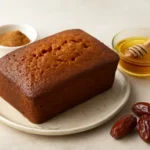
Jewish Honey Cake for Rosh Hashanah: A Classic Jewish Dessert
In many Jewish homes around the world, the scent of honey wafts through the kitchen as the year turns to Rosh Hashanah. The star of the season’s table is often a moist, deeply fragrant honey cake, a dessert that blends tradition, symbolism, and family memories into every slice. This article offers an extensive guide to understanding and making a traditional Jewish honey cake for the Jewish New Year, along with variations, tips, and cultural context. Whether you are baking for a family celebration or exploring Jewish culinary heritage, this guide will help you craft a cake that is both delicious and meaningful.
The Significance of Honey in Rosh Hashanah
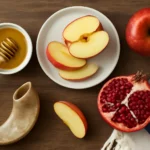
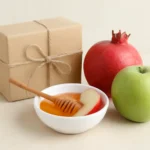
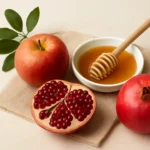
The practice of dipping apples in honey for Rosh Hashanah is one of the most recognizable customs of the Jewish New Year. The idea is simple and powerful: to begin the year with sweetness and joy, and to invite a favorable trajectory for the months ahead. Honey cake extends this symbolic sweetness, turning the fruit of the season into a dessert that can be shared with family and friends.
Beyond symbolism, the honey cake serves as a bridge between ritual and daily life. It is a beloved example of how Jewish bakers have historically transformed seasonal ingredients—like honey, eggs, and flour—into a treat that is at once comforting, celebratory, and accessible. The cake can be simple enough for a weekday baking project or layered with spices and zest for a more festive presentation.
Classic Honey Cake Recipe: Ingredients and Methods
A classic honey cake is typically enriched with spices, a touch of coffee or tea to deepen color, and a balance of sweetness that remains moist while holding together well when sliced. The following components are common in many traditional versions, though you may find regional twists across Jewish communities from Ashkenazi kitchens to Sephardic and Mizrahi homes.
Ingredients
All-purpose flour or a gluten-friendly alternative for a gluten-free adaptation
Honey (light or dark varieties both work; buckwheat honey offers a robust flavor)
Eggs, at room temperature
Vegetable oil (or melted butter for a richer flavor)
Sugar (granulated or light brown sugar for depth)
Milk (dairy or plant-based, like almond or soy milk)
Baking powder and a pinch of salt
Vanilla extract or orange blossom water for fragrance
Spices such as cinnamon, nutmeg, and allspice (optional but traditional)
Grated citrus zest (orange or lemon) for brightness (optional)
Strong brewed coffee or tea (optional, used sparingly to deepen color and flavor)
Dusting of powdered sugar or a simple glaze for finish (optional)
Equipment and Preparation Tips
Prepare ingredients and equipment in advance: room-temperature eggs, honey at room temperature, and measured dry ingredients help ensure a smooth batter.
Choose a baking pan that promotes even heat distribution, such as a loaf pan, tube pan, or round cake pan. A lightly greased and floured pan prevents sticking.
To maximize moisture and color, some bakers briefly warm the honey with a small amount of water to thin it for easier mixing. This step is optional but can improve mixing and texture.
For a moister crumb, avoid overmixing the batter once the dry ingredients are added. Gentle folding preserves tenderness.
Step-by-Step Instructions
Preheat the oven to 350°F (175°C). Grease and flour your baking pan or line it with parchment paper.
In a large bowl, whisk together the flour, baking powder, salt, and spices until evenly combined.
In another bowl, whisk the eggs and sugar until light and slightly thickened. This helps the batter achieve volume.
Stir in the honey, oil, and vanilla (or citrus zest). If using coffee or tea, add it now and mix until the color is uniform.
Alternately add the dry ingredients and the milk, starting and ending with the dry ingredients. Stir until just combined; the batter should be smooth but not overmixed.
Pour the batter into the prepared pan and smooth the top. Bake for 40–60 minutes, depending on pan size and oven. Check for doneness with a toothpick: it should come out with a few moist crumbs, not wet batter.
Allow the cake to cool in the pan for about 10–15 minutes, then transfer to a wire rack to cool completely before slicing. If you like, glaze lightly with a lemon or orange glaze or dust with powdered sugar.
Variations of Honey Cake for Rosh Hashanah
The classic recipe above provides a sturdy base, but there are many variations of honey cake that honor different family traditions, regional flavors, and dietary needs. Below are several common variations of honey cake for Rosh Hashanah, each with its own character and set of ingredients.
Traditional Ashkenazi Honey Cake
This version stays close to the classic mold: a lightly spiced, fragrant cake that leans on the sweetness of honey and the warmth of cinnamon and nutmeg. It often uses vegetable oil to keep the crumb tender and moist for the long festival table.
By intensifying the spice mix with cinnamon, cloves, and a touch of allspice, you create a cake with a deeper, more aromatic profile. Some bakers add grated orange zest or cardamom for an Eastern European and Middle Eastern fusion of flavors.
Apple-Honey Cake
Apples pair naturally with honey in Jewish symbolism. A version that folds in grated apple or apple sauce can deliver a subtly fruity note that remains classic in spirit. This variation can be particularly moist if you reduce the sugar slightly and compensate with the natural fruit sweetness.
Citrus-Infused Honey Cake (Orange or Lemon)
Adding citrus zest and a splash of citrus juice gives a bright, sunny character to the cake. The citrus notes complement the honey’s sweetness and can brighten a dense crumb, making the cake feel lighter on the palate.
Olive Oil Honey Cake
Replacing part or all of the vegetable oil with extra virgin olive oil can yield a more nuanced, fruity-leaning flavor and a moist texture. This variation is popular in regions where olive oil is a staple and lends a subtle depth to the sweetness.
Gluten-Free and Dairy-Free Honey Cake
For kitchens with gluten intolerance or dietary restrictions, there are reliable gluten-free flour blends, often combining rice flour, potato starch, and tapioca. Substituting milk with plant-based alternatives and using oil instead of butter makes a dairy-free, egg-friendly version suitable for many observant households.
Some bakers favor dark honey varieties (like buckwheat honey) for a bolder flavor, or add toasted walnuts or almonds to the batter or as a topping for crunch and texture.
Vegan and Dairy-Free Options
A modern take on honey cake often explores vegan and dairy-free routes. Note that honey itself is not considered vegan by all vegans, so a vegan adaptation might substitute with a thick sugar syrup or maple sweetness for a fully vegan dessert. If you want a vegan Rosh Hashanah honey cake, consider these approaches:
For those who abstain from honey for vegan reasons, some bakers substitute with agave nectar or maple syrup to preserve the honey-like sweetness while aligning with vegan dietary choices. It’s important to adjust the amount of sweetener to avoid an overly sweet or too-wet batter.
Tips for Perfect Texture and Rich Flavor
The texture and flavor of honey cake can vary widely depending on the ratio of wet to dry ingredients, the type of honey, and the spice blend. Here are practical tips to achieve a reliable, moist crumb and a deep, honeyed flavor:
Choose honey with a honey flavor you enjoy, as the cake will carry its character. Lighter honeys give a milder sweetness, while darker honeys provide robust notes.
Batters often improve with a quick rest after mixing; letting the batter rest for 10–20 minutes can help the flour hydrate and the flavors to meld.
Use room-temperature ingredients to promote even emulsification and a smooth crumb.
To achieve optimal browning and depth of flavor, an initial exposure to heat helps set the cake. If your oven browns too quickly, cover the top loosely with foil partway through baking.
Test doneness with a skewer or toothpick: it should emerge with a few moist crumbs, not raw batter.
Serving, Storage, and Presentation
A well-made honey cake can stay moist for several days if kept properly, making it ideal for family gatherings that span Rosh Hashanah and the days of awe that follow. Here are ideas for serving, storage, and presentation.
Serving ideas: Warm slices with a dollop of dairy-free cream, a scoop of vanilla ice cream, or simply a dusting of powdered sugar.
Storage: Store wrapped tightly at room temperature for up to 4–5 days, or refrigerate to extend freshness. If you freeze slices, wrap them well to prevent freezer burn and thaw at room temperature before serving.
Pairings: Apple slices, honeycomb pieces, or a light fruit compote complement the cake well. A cup of tea or coffee echoes the traditional ritual of sweetness and renewal.
Presentation: For a festive table, layer slices on a cake stand with a glossy glaze or an elegant citrus zest garnish. A simple brush of honey onto the cut edges can enhance shine and aroma.
Historical and Cultural Context
The honey cake is more than a dessert; it is a cultural artifact that reflects the way Jewish communities blend ritual, memory, and hospitality into food. Its roots are tied to the symbolism of sweetness in the new year, as well as to the practical skill of bakers who preserved tradition while adapting recipes to local ingredients and customs.
Origins in Jewish Baking Traditions
In many Jewish households, baking is a family activity that passes down recipes through generations. The honey cake likely emerged in Ashkenazi kitchens where honey was a readily available sweetener and spices were commonly used to vary flavors. Over time, regional adaptations—whether Eastern European, Mediterranean, or Middle Eastern—brought new twists to the recipe. The result is a dish with a broad semantic field: it is at once a ceremonial food, a comfort dessert, and a symbol of renewal.
Across Jewish communities, families often bake and share honey cake during the Rosh Hashanah celebration. The cake may appear alongside apples and honey, challah, and other seasonal foods on the festive table. Some households bake loaves that can be cut into individual portions and passed around the table, reinforcing the sense of community and hospitality. In many homes, the cake is saved for the first Shabbat of the year, turning it into a bridge between the holidays and the ongoing rhythms of Jewish life.
Flavor Profiles and Regional Variants
The flavor of honey cake is shaped by the honey, spices, and any citrus or fruit additions you choose. In some families, the recipe emphasizes a gentle sweetness and a delicate crumb; in others, a bold, warmly spiced profile takes center stage. The regional variants may reflect the dietary staples and available ingredients of a given community, yet the core idea remains constant: to bless the year with a dessert that embodies sweetness and hope.
Practical Substitutions and Dietary Adaptations
Not every kitchen is the same, and honey cake lends itself to practical substitutions without sacrificing character. If you need to adapt for allergy constraints, dietary preferences, or ingredient availability, consider the following:
For gluten intolerance, use a reliable gluten-free flour blend with a touch of xanthan gum to help mimic structure.
To reduce dairy, swap milk for a plant-based milk and use oil instead of butter, or use a portion of applesauce to maintain moisture.
To intensify flavor without extra sugar, use a small amount of coffee or tea as part of the liquid, which helps dissolve spices and honey.
For a less sweet cake, reduce the sugar slightly and rely more on the depth of honey and spices.
Why is honey cake so closely associated with Rosh Hashanah?
Honey is a symbol of sweetness and blessing for the coming year in Jewish tradition. Baking and sharing honey cake during Rosh Hashanah is a tangible way to express hopes for a joyful, sweet year ahead.
Can I make honey cake ahead of time?
Yes. Honey cake often improves after a day or two as the flavors meld. Store it tightly wrapped at room temperature or refrigerate for longer freshness. Glazes or dustings can be added just before serving.
What is the best honey for baking?
Any natural honey works, but lighter honeys yield a milder flavor while darker honeys provide a deeper, more robust profile. You can experiment with combinations for a custom flavor.
Is honey cake dairy-free?
Traditional recipes may use dairy or oil. To ensure a dairy-free version, use vegetable oil (or olive oil) and non-dairy milk. Always verify ingredients if you are observing strict dietary rules.
Conclusion: A Timeless Dessert with Lasting Meaning
The Jewish honey cake is more than a dessert: it is a culinary vessel for memory, faith, and community. Its lineage traces back through generations of bakers who balanced sweetness with the solemnity of Rosh Hashanah, turning a simple batter into a ritual of hospitality. Whether you bake a traditional version or a modern adaptation, the cake carries with it the intention of inviting sweetness into the new year and sharing that blessing with family and friends.
Final Tips for a Successful Honey Cake
Start with room-temperature ingredients to ensure smooth emulsification and even texture.
Don’t overmix after adding the dry ingredients to keep the crumb tender and moist.
Consider a glaze or dusting to add a finishing sheen and a hint of extra sweetness.
Label and date your baked cake if you plan to store it for holidays or family gatherings.