Overview: The Jewish horn instrument and its place in history
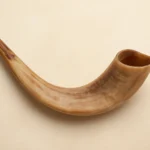
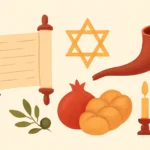
The term Jewish horn instrument most often refers to the shofar, a sacred wind instrument made from a natural horn that has become emblematic of Jewish ritual and musical culture. This ancient device, traditionally crafted from a ram’s horn but sometimes sourced from other animals, occupies a unique niche in the soundscape of Jewish life. Unlike many Western brass instruments, the shofar is not designed for precise pitch or chromatic scales. Instead, it offers a powerful, primal timbre that can express a range of emotional states—from solemn awe to urgent exhortation. In communities around the world, the shofar is celebrated not merely as a tool of sound but as a historical bridge linking biblical times to contemporary worship, cantorial art, and modern Jewish musical expression.
In this article, we will trace the history of the shofar, survey its types and materials, explain the sound patterns and blowing techniques, examine its ritual significance, and consider its evolving role in Jewish music today. We will use the term shofar to denote the traditional ram’s-horn instrument, while also acknowledging how broader discussions sometimes refer to horn instruments in Jewish culture, including modern adaptations and related ceremonial wind calls.
Historical roots: from biblical times to the rabbinic era
The shofar appears repeatedly in biblical narratives and is described as functioning in a variety of ceremonial capacities. In the Hebrew Bible, the sound of the shofar is closely tied to national events, religious reform, and divine revelation. One of the most famous associations is with the fall of Jericho, where trumpet-like blasts signal a dramatic moment in the narrative. In the wilderness and in the early Israelite monarchies, the shofar served as a signal to gather the people, announce important announcements, and mark sacred timetables.
After the destruction of the First and Second Temples, the shofar continued to hold symbolic weight within Jewish worship. Rabbinic authorities treated the shofar as a potent sign of memory, repentance, and hope. While the Temple service itself ceased, the practice of using the horn instrument in communal prayer persisted, especially on major public holidays. The rabbinic corpus shaped the liturgical framework around the shofar, formalizing blast sequences and outlining the occasions when the horn should be sounded.
Across the centuries, Jewish communities dispersed across continents adapted the use and interpretation of the shofar to local musical traditions. In some places, it merged with existing wind practices; in others, it preserved a distinctly ancient sound that was valued precisely because it remained relatively simple and direct. This continuity—linking today’s liturgy with a distant past—helps explain why the shofar remains a universal symbol of Jewish identity in both religious and cultural contexts.
Sound patterns and blowing techniques: the classical blasts
The shofar is prized not for precise pitch but for a set of distinctive sound patterns. The traditional sequence consists of several named blasts, each with its own emotional and symbolic resonance. These patterns are typically focused on a few basic shapes produced by the breath and lip tension rather than on fingering or pitch changes.
Major blast types: tekiah, teruah, shvarim, and tekiah gadolah
Tekiah — a long, straight, unbroken blast. It produces a clear, sustained sound that can function as a proclamation or an opening fanfare.
Teruah — rapidly repeated short blasts, often described as a staccato or trumpeting effect. This pattern evokes urgency, alarm, or a call to wakefulness.
Shvarim — a sequence of three to four wavering and sighing notes, sometimes described as a breathy, broken sound. It evokes lament, introspection, and the sense of a people calling out in vulnerability.
Tekiah gadolah — a final, extended tekiah that is longer than a standard tekiah, often used to close a series with a sense of culmination or majestic finality.
In many liturgical contexts, these blasts are combined in various orders. The most common formal arrangement used on Rosh Hashanah and other occasions blends tekiah, teruah, and shvarim textures in a carefully paced progression, culminating with tekiah gadolah. The exact sequences can vary by tradition, but the underlying purpose remains constant: to awaken, to remind, and to invite thoughtful reflection.
Beyond the canonical patterns, experienced shofar blowers (known as shofarim) adapt their technique to evoke different atmospheres. The texture of the horn’s sound depends on the horn’s size and curvature, the player’s embouchure, and the breath support. The result is a spectrum of timbres—from bright, piercing tones to deeper, hushed murmurs—each carrying weight in liturgical or concert settings.
Construction, materials, and physical design
The shofar is a natural horn, typically associated with a ram, but in practice can be fashioned from any suitable animal horn that can be cleaned and hollowed. The essential physical properties of the instrument—its length, curvature, and the natural lip opening—shape its tone and projection. Because the shofar is a natural horn, there is no precise pitch; instead, players exploit the animal horn’s geometry to produce a robust, singing timbre that can carry through a synagogue or a large hall.
Materials and variations: ram’s horn as canonical, other horns in use
Ram’s horn (the canonical source) remains the most traditional and widely used material in Jewish communities around the world. It is valued for its historically rooted symbolism and its workable acoustics.
Other animal horns, such as bovine horns or cabras, may be used in some communities or for symbolic purposes when a ram’s horn is not available. The acoustic result can differ, producing a darker or lighter timbre depending on the horn’s size and shape.
In modern times, people sometimes encounter synthetic or carved horn replicas used for education, rehearsal, or performances where authentic horn sourcing is impractical. While these alternatives may not carry the same ceremonial resonance, they can be useful teaching tools and performance aids.
Physical design and practical considerations
Curvature and length influence projection and ease of playing. Some horns are relatively straight, while others curve, affecting the player’s air flow and the horn’s resonance.
Cleaning and maintenance are essential, especially when the horn is made from organic material. A shofar must be thoroughly cleaned and dried to prevent damage and retain a clean, healthy voice.
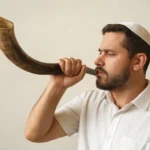
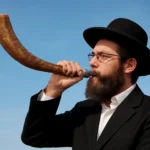
Sound production relies on efficient embouchure, steady breath, and precise lip tension. Unlike brass instruments with valves or slides, the shofar relies purely on the player’s technique and the horn’s physical properties to shape the tone.
Ritual role: from ancient temple rites to modern synagogue life
The shofar’s ritual significance emerges from its history, symbolism, and the emotional charge of its sound. In the biblical era, it functioned as a call to assembly and a signal within sacred ceremonies. In the post-temple era, it became a powerful liturgical sound used to mark key dates in the Jewish calendar and to invite moral discipline and spiritual awakening.
Rosh Hashanah and Yom Kippur: central holidays and the shofar
Rosh Hashanah — the blowing of the shofar is a central feature of the day’s liturgy, serving as the auditory centerpiece of the holiday and a reminder of the canon of repentance and renewal. The shofar’s call is understood as an invitation to self-examination and to consider one’s deeds over the past year.
Yom Kippur — the solemn, reflective character of the day is complemented by shofar readings and sometimes by repeated blasts that punctuate long observances. The horn underscores themes of atonement, humility, and the possibility of renewal as the fast day progresses.
Other occasions throughout the year—in some communities, weddings, funerals, or memorials—may feature the shofar as a symbolic or ceremonial instrument. The deliberate use of the horn in these contexts underscores its status as a living symbol of Jewish memory and communal responsibility.
Shofar in Jewish music: significance, influence, and cross-cultural connections
The shofar has a special place in the broader musical world of Jewish culture. While its ceremonial role is distinct from purely musical performance, it has nonetheless influenced cantorial styles, synagogue music, and contemporary Jewish composition. The instrument’s primal timbre resonates with audiences in ways that complement voice-led liturgical recitation, providing a sonic contrast that enhances the emotional arc of services.
Cantorial tradition and liturgical integration
Cantorial performance often features the shofar as a coloristic element within the service. Cantors may call upon skilled shofar blowers to insert a ceremonial blast between musical prayers, enhancing the spiritual atmosphere and signaling transitions within the service.
The shofar’s presence in the service can also function as a mnemonic, helping worshippers remember patronages of tradition, the call to repair the world, and the need for communal accountability.
Klezmer and Jewish instrumental music
In the klezmer tradition and related Jewish instrumental genres, wind instruments often joined a tapestry that included violins, clarinets, flutes, and accordions. While the shofar is not a staple of klezmer ensembles in the same way as horn or reed instruments, its symbolic presence—along with trumpet-like calls—contributes a sense of historical depth. In modern arrangements and contemporary Jewish fusion music, composers may call for a shofar sound as an homage to ritual heritage or as a dramatic, ceremonial cue that evokes ancient Jerusalem’s worship.
Israel and national symbolism
The shofar also appears in Israeli cultural and national contexts as a symbol of continuity with ancient heritage and a reminder of biblical narratives that shape Jewish identity. Ceremonies, state events, and educational programs often include the shofar to connect citizens with roots that span millennia. This broad cultural role reinforces the instrument’s status as more than a ritual object; it is a living symbol that travels through history, linking ancient texts to modern life.
Variations by community: Ashkenazi, Sephardi, and Mizrahi perspectives
Across diverse Jewish communities, the shofar carries distinct practical and interpretive flavors. While the basic instrument—an animal horn that is blown to produce sound—remains the same, the acoustic aesthetic, the preferred blast sequences, and the contextual uses can differ.
Ashkenazi traditions
Ashkenazi communities often emphasize traditional blast sequences during Rosh Hashanah services, with clear patterns of tekiah, teruah, shvarim, and tekiah gadolah that are taught and practiced in study and worship settings.
The sound of the shofar in Ashkenazi practice is frequently coupled with tallit ceremony and other liturgical actions that heighten the sense of communal renewal.
Sephardi and Mizrahi expressions
Sephardi and Mizrahi communities may incorporate the shofar within broader musical textures that reflect their own liturgical melodies, chant styles, and modal sensibilities. In some traditions, the horn appears alongside other wind instruments or is used in extended musical improvisations that honor local musical identities.
The shofar’s role can extend to life-cycle events and holidays that are celebrated with a blend of ritual and vibrant musical expression, reflecting a holistic approach to Jewish worship that embraces regional flavor and spiritual nuance.
Educational and preservation considerations
As an instrument deeply tied to Jewish history and liturgy, the shofar occupies a place in education and cultural preservation. Communities, synagogues, and Jewish schools often offer programs that teach the history, symbolism, and practical skills associated with the shofar. Educational efforts emphasize:
The historical narrative of the horn and its biblical associations.
Technical training in safe blowing techniques and basic maintenance of the horn.
Reflection on the ethical and spiritual purposes of the shofar in contemporary life.
Hands-on demonstrations that connect students with the ritual rhythm of Rosh Hashanah and Yom Kippur.
Modern practice: innovation, ethics, and accessibility
In the twenty-first century, the shofar continues to evolve in both ceremonial and public contexts. Innovation manifests in several forms—educational outreach, commemorative events, and thoughtful collaborations with contemporary composers. At the same time, ethical considerations guide the sourcing and use of natural horns. Many communities advocate humane and sustainable practices for obtaining horn materials and emphasize reverence for the instrument’s sacred status.
Educational programs that teach the history, symbolism, and technique of the shofar, often featuring demonstrations for students and community members.
Contemporary compositions that incorporate the shofar’s voice into orchestral, chamber, or electronic works, expanding the instrument’s musical horizons while honoring its ceremonial roots.
Access and inclusion efforts to make shofar learning and performance available to more people, including youth programs, interfaith dialogues, and cross-cultural collaborations.
Practical guide for readers curious about the shofar
For those who wish to explore this remarkable Jewish horn instrument more deeply, here are practical points to consider:
Learn the core blast patterns (tekiah, teruah, shvarim, tekiah gadolah) and their typical order in rituals. Understanding these patterns helps in appreciating both liturgical and musical contexts.
Familiarize yourself with the historical significance of the shofar in biblical narratives, as well as its role in modern Jewish worship. Reading about the Temple era and rabbinic interpretations provides a richer listening experience.
Explore the varieties of horns used across communities, noting how materials, curvature, and tradition shape the instrument’s voice and meaning.
Consider attending a shofar-blowing demonstration during a local service or educational event to hear the instrument in context and observe technique under the guidance of an experienced shofar blower.
Support ethical and sustainable sourcing of horns if you are involved in any practice that involves obtaining horn materials for ceremonial use.
Glossary of key terms
Shofar — the ram’s horn used in Jewish liturgical contexts; the central “horn instrument” of Jewish ceremonial music.
Tekiah — a long, clear blast; one of the basic shofar patterns.
Teruah — a series of short, rapid blasts; often conveying urgency or alarm.
Shvarim — a sighing, broken-blast sequence; expressive of lament or supplication.
Tekiah gadolah — a final, extended tekiah that closes a sequence with grandeur.
Shofarim — plural form referring to players of the shofar or the blasts themselves.
Cantorial — relating to the cantor or cantorial tradition in Jewish worship.
Klezmer — a traditional Jewish instrumental music style that often features wind and string instruments; the shofar appears as cultural reference within broader repertoire.
Ashkenazi, Sephardi, Mizrahi — major Jewish cultural-linguistic groups with distinct liturgical and musical practices that affect shofar usage.
The Jewish horn instrument known as the shofar embodies a remarkable blend of history, symbolism, and sonic power. From its biblical associations with gathering and revelation to its central role in Rosh Hashanah and Yom Kippur, the shofar remains a living link between ancient ritual and contemporary Jewish life. Its raw, unembellished timbre reminds listeners of the primal impulse to awaken, repent, and aspire toward renewal. As Jewish communities continue to engage with liturgical practice, educational outreach, and artistic experimentation, the shofar’s voice persists as a profound symbol of memory, identity, and communal responsibility—an ancient instrument whose echoes continue to shape modern Jewish music and worship.