The tallit is one of the most recognizable symbols in Jewish prayer life. Known in English as the Jewish prayer shawl, and in traditional Hebrew as tallit or tallis, this garment is worn during morning services and on special occasions. There is a rich spectrum of customs surrounding its use, design, and symbolism, reflecting centuries of interpretation, ritual law, and personal devotion. In this article, we explore the meaning, history, and practical guidance on how to wear a tallit, including the differences between the tallit gadol (the larger prayer shawl) and the tallit katan (a smaller undergarment with tzitzit).
The tallit is more than a simple garment. It is a tangible reminder of the divine covenant and a physical vehicle for focusing intention during prayer. The tzitzit—the fringes attached to each of the four corners—carry the most explicit symbolism, tying the physical world to the commandments.
Key symbolic elements
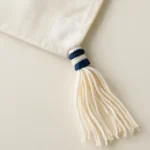
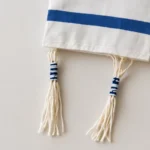
Tzitzit (fringes) on the four corners symbolize the 613 mitzvot listed in the Torah, reminding the wearer to live in accordance with Jewish law.
The four corners themselves are often interpreted as representing the four directions—north, south, east, and west—emphasizing a life of alignment with Torah in all places and times.
Many tallitot feature stripes or bands. In some communities, a blue thread called techelet runs among the white strands; this blue dye has ancient biblical associations with the sanctity of the commandments.
The white field of the tallit is commonly linked to purity, humility, and the idea of approaching God with a clean heart in prayer.
Beyond its theological messages, the tallit serves as a physical cue to shift from daily routine to a moment of reverence and communal ritual in the synagogue or home.
In addition to the spiritual significance, the tallit often represents belonging to a Jewish community. Wearing this garment can signal participation in a shared tradition, linking generations of worshippers who have prayed with a tallit in temples, study halls, and family homes.
History of the Tallit
The tallit has deep historical roots that span biblical references, rabbinic discussion, and evolving cultural practice. While the exact origin of wearing a four-cornered shawl is not described in a single ancient text, the commandment to attach fringes is explicit in the Torah. Over centuries, the practice developed into the distinctive garments used today in diverse Jewish communities.
Biblical foundation and early rabbinic tradition
The commandment to place fringes on a rectangular garment with four corners appears in the Torah, notably in Numbers 15:37-41 and Deuteronomy 22:12. The verses present the mitzvah of tzitzit as a way to remember and observe God’s commandments. In the earliest periods, Israelites wore various shawls or cloaks, and the idea of tassels or fringes at the corners gradually became a standardized practice among those who adhered to the mitzvah.
Development through the rabbinic era
During the Rabbinic period, sages discussed the requirements for tzitzit and the garments that could bear them. The tallit as a distinct clothing item began to take shape as a dedicated prayer shawl used specifically for worship. The practice spread across Jewish communities, with regional variations in materials, weaving methods, and the visual design of the garment.
Medieval to early modern periods
In the medieval era, the tallit became a more standardized part of Jewish liturgy in many communities. The tallit gadol—the larger, outer garment—emerged as the conventional mode for formal prayer in the morning. At the same time, the tallit katan, a smaller undergarment with tzitzit on its four corners, gained traction in various communities as an everyday undergarment. The two forms reflected differences in daily practice, climate, and customs across Ashkenazi, Sephardi, and Mizrahi traditions.
Modern times and diverse practices
In contemporary Jewish life, the tallit has become a powerful symbol accessible to many. In traditional and conservative circles, men traditionally wear the tallit gadol during morning prayers and on holidays, while in many non-Orthodox communities, women and people of all genders wear a tallit as a sign of inclusion and devotion. The undergarment tallit katan remains in use in some communities, while others prefer one-piece tallitot or prayer shawls without the undergarment distinction. The color palette, materials (wool, cotton, silk), and presence or absence of techelet dye reflect evolving aesthetics and communal norms.
Elements of the Tallit: Tzitzit, Techelet, and Design
The tzitzit: how the fringes are made and what they signify
Each corner of a tallit has a set of fringes known as tzitzit. Traditional tzitzit consist of eight threads. They are arranged as four double threads (four pairs) and are fastened to the corner with a series of knots and windings. The exact knot pattern can vary between communities, but the essential idea is to create a visible, purposeful tassel that serves as a constant reminder of the commandments.
Techelet: the blue thread and its significance
The ancient blue dye, known as techelet, is described in biblical sources as part of the tzitzit. Historically, techelet was derived from a marine mollusk and produced a distinctive sky-blue dye believed to symbolize the divine. In modern practice, many communities wear tzitzit with only white strands, while others incorporate a blue thread or a blue-tinted ribbon to hint at techelet. Some contemporary tallitot use synthetic or mixed dyes to approximate the traditional color.
Designs and materials: form and function
Tallitot come in a wide range of designs. Common design elements include:
Traditional white wool or cotton shawls with black or blue stripes;
Plain white tallit with subtle or no stripes;
Stripes in colors such as blue, gray, or black, often reflecting communal or personal preference;
Decorative corner motifs or blessings inscribed along the hem or at corners in some custom pieces.
The choice of fabric—which can be folded, draped, or wrapped—affects comfort and wearability in different climates. Wool is common for its warmth and historical resonance, while cotton or blended fabrics offer lighter, breathable options for warmer weather. The overall purpose remains the same: a portable reminder to live the values of Jewish law and prayer.
Types and Variations: Tallit Gadol vs Tallit Katan
What is the tallit gadol?
The tallit gadol is the larger rectangular prayer shawl worn over the shoulders during formal prayer times. It is draped over the upper body, with the tzitzit attached to the four corners. In most communities, the tallit gadol is used for communal worship, especially during morning services on weekdays, Shabbat, and holidays. Its presence marks a formal moment of prayer and study, a turning point from everyday activity to a focus on divine dialogue.
What is the tallit katan?
The tallit katan is a smaller, rectangular undergarment that typically sits under everyday clothing. It also bears tzitzit on its four corners and can be worn throughout the day. In some communities, the tallit katan is considered a daily obligation for men, fitted with tzitzit to remind the wearer of the commandments even when not in formal prayer. In other communities, especially more egalitarian ones, women and others may also wear a tallit katan or opt for a tallit gadol for prayer or special occasions.
Why the two forms matter in practice
Function: The tallit gadol is primarily a prayer shawl for formal worship, while the tallit katan is a personal reminder worn during daily life.
Usage: The tallit gadol is typically removed after the service, though customs vary; the tallit katan is worn throughout the day in communities that emphasize daily tzitzit awareness.
Community norms: Different Jewish communities (Ashkenazi, Sephardi, Mizrahi, and others) shape what is typical in terms of when and by whom each form is used.
Gender and inclusive practice
Across modern Jewish life, there is a broad spectrum of practice regarding who wears the tallit. While traditional Orthodox practice has limited the tallit to men, there is now wide participation by women and people of diverse gender identities in many circles. Some communities explicitly welcome women to wear the tallit gadol during services, while others use tallitot designed to fit different body types and preferences. In all cases, the goal remains to support sincere prayer and equality in spiritual expression.
When and How to Wear the Tallit
When to wear the tallit
The tallit is typically worn during morning prayer services, including on Shabbat and Jewish holidays. In some communities, a tallit katan is worn under regular clothes for daily tzitzit, while others reserve the tallit gadol for formal prayer times only. Practices vary, but the mitzvah of tzitzit is understood to be fulfilled whenever one wears a garment with four corners that bears the tzitzit.
How to put on a tallit gadol
Stand with the tallit folded over the forearms or held by its corners.
Place the tallit over the shoulders, so that the neckband sits comfortably at the back of the neck and the fringed corners hang down in the front and behind.
Adjust the garment so that all four corners are evenly positioned and the tzitzit hang freely.
If the tallit has a neck opening, thread the head through and adjust for a secure fit without constricting movement.
How to wear a tallit katan
The tallit katan is typically worn beneath clothing, with tzitzit attached to the four corners. If you wear a tallit katan, you may also place a larger tallit over your shoulders during prayer times, or wear the smaller garment alone for daily reminders of the commandments.
Special customs and blessings
In some communities, an introductory blessing is recited before donning the tallit gadol. The blessing acknowledges the commandment to tzitzit and invites blessing on the wearer as they enter prayer. If you are new to wearing a tallit, consult your local rabbi or community leader about whether a blessing is customary in your practice.
Care, Handling, and Practical Tips
Care and maintenance
Proper care helps the tallit maintain its beauty and longevity. Common guidance includes:
Hand-wash or machine-wash on a delicate cycle with cold water when the material allows (check the label).
Avoid harsh detergents that may damage fibers or fade colors; use gentle detergents if needed.
Air-dry away from direct sunlight to prevent color fading.
Store the tallit folded neatly in a dry, cool place; consider using a garment bag for protection.
Storage and travel considerations
While traveling, you can roll or fold the tallit to minimize wrinkles and preserve tzitzit. Some people carry a small tzitzit bag, especially for tallit katan, to keep threads from tangling. If you fly with a tallit, place it in a protective case or garment bag to prevent damage to the fringe.
Repair and restoration
Over time, fringes may loosen or knots may loosen. A tailor or seamstress with experience in tallit work can re-knit or re-tie tzitzit. Preserve decorations and any sacred inscriptions with care, as they contribute to the garment’s meaning and value within the community.
Design, Aesthetics, and Personal Expression
The tallit serves both a liturgical function and a vehicle for personal or communal expression. Many people choose tallitot that reflect their heritage, family history, or preferences in color and texture.
Colors: White is common and signifies purity, but stripes in blue, gray, or other colors are popular and culturally meaningful in different communities.
Stripes: Some tallitot feature matching horizontal stripes; others are plain. The stripes often reflect Sephardic, Ashkenazi, or modern design traditions.
Text and motifs: Some examples include carved or embroidered blessings, Hebrew inscriptions, or symbolic motifs aligned with personal devotion or family heritage.
When selecting a tallit, many people consider:
Material and weight for comfort in various weather conditions;
Fit and size appropriate to the wearer’s height and shoulder breadth;
Ease of movement and the ease with which tzitzit can hang freely;
Ethical or religious considerations, such as the method of dyeing and the sourcing of fibers.
Common Questions and Myths About the Tallit
Is the tallit only for men?
Historically, many communities reserved the tallit gadol for men, but modern practice in many streams of Judaism is inclusive. Women and people of diverse genders may wear the tallit gadol or tallit katan during prayer, study, or personal devotion, depending on communal norms and personal choice.
Can a child wear a tallit?
Yes. In many communities, children participate in prayer with a small tallit or a child-sized tallit as part of their Jewish education and spiritual development. A child wearing a tallit often marks a meaningful moment in learning and belonging within the family or community.
What if I cannot obtain techelet?
The techelet blue thread is a historically significant aspect of the tzitzit, but it is not universally required in all communities. Many wear tzitzit with white strands only. The spiritual significance resides in the commitment to observe the mitzvah of tzitzit, while the techelet tradition remains a meaningful option for those who wish to honor its biblical symbolism.
Are there rules about which fabrics to use?
The Torah does not mandate a specific material for tzitzit, but traditional practice uses wool or plant-based fibers. Contemporary tallitot often incorporate cotton, blends, or synthetics. The key is that the corners have tzitzit, and the wearer treats the garment with reverence during prayer.
Selecting a Tallit: Tips for Beginners and Collectors
Purpose: Decide whether you want a tallit gadol for formal prayer or a tallit katan for daily tzitzit reminders. Some people choose both.
Size: Choose a size that fits comfortably around your shoulders and does not hinder movement. A too-tight tallit can be distracting during prayer.
Material: Consider climate, skin sensitivity, and care requirements. Wool is traditional; cotton and blends offer lighter wear.
Design: Whether you prefer plain white, striped, or decorative edges, select a design that resonates with your sense of spirituality and community.
Origin: Some people prefer tallitot made from locally sourced materials or crafted by artisans within their community or family tradition.
For those starting to explore the tallit, it can be helpful to consult with a rabbi or mentor within your community to understand local customs and the best way to incorporate the tallit into prayer life.
Care and Respect: How to Treat Your Tallit
Ritual respect: Treat the tallit with care, as it is a sacred object used in worship and study.
Cleaning: Follow care instructions on the label; avoid harsh chemicals that can degrade fibers or dyes.
Storage: Store in a clean, dry place, ideally in a protective bag or case to prevent snagging of the tzitzit and to preserve the weave.
Repairs: If tzitzit become loose, seek appropriate mending from a knowledgeable tailor or craftsman familiar with tallit tzitzit.
In some families, tallit-making is a cherished family practice, and gifts of tallitot are passed down as heirlooms. Such traditions deepen connection to history and memory, turning the tallit into more than a garment and into a narrative of faith.
Clarity on Terminology: Variations in Language
Language around the tallit can vary by community and tradition. Some common terms you may encounter include:
Tallit or tallis: the standard term for the prayer shawl in many communities.
Tallit gadol: the larger outer garment worn during prayer.
Tallit katan: the smaller undergarment with tzitzit.
Tzitzit: the fringes attached to the four corners of the tallit or tallit katan.
Techelet: the biblical blue thread historically included among the tzitzit.
Understanding these terms can help in conversations with rabbis, teachers, and fellow worshippers, and can also guide you when shopping for or discussing tallitot with vendors or artisans.
Conclusion: The Tallit as a Touchstone of Prayer and Identity
The Jewish prayer shawl represents a bridge between the physical and spiritual worlds. Its four corners, woven fringes, and potential techelet dye invite the wearer to remember the mitzvot, turn toward study and worship, and carry a sense of belonging to a long tradition of prayer. Whether you encounter the tallit gadol in a synagogue, a tallit katan in daily life, or a family heirloom passed down through generations, this garment remains a powerful symbol of devotion, community, and continuity.
As Jewish communities continue to evolve, the tallit remains a living practice—one that accommodates diverse beliefs, genders, and expressions of faith. The essential thing is not the form of the garment alone but the inner intention: to dedicate time, space, and attention to prayer, study, and service. In this way, the tallit is more than fabric; it is a medium through which tradition and personal meaning meet, guiding the wearer toward a mindful and ethically engaged life.