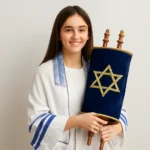
Planning a bat mitzvah is a milestone that blends tradition, family, community, and personal growth. This comprehensive guide walks you through how to plan a bat mitzvah from start to finish, with practical steps, checklists, and considerations for different settings. Whether you’re new to the synagogue world or have experience with other life-cycle events, you’ll find clear pathways, realistic timelines, and editable templates to tailor to your family’s values and budget. The goal is to make the process informative, meaningful, and, above all, enjoyable for the honoree, the family, and your guests.
Understanding the bat mitzvah: significance, scope, and variations
A bat mitzvah marks a girl’s transition to religious responsibility in many Jewish communities. It usually occurs when the girl reaches the age of 12 or 13, depending on tradition, and can involve reading from the Torah, leading certain prayers, or delivering a dvar torah (a short speech). The exact observance, liturgy, and requirements vary by denomination and by synagogue, so this section helps you grasp what goes into a bat mitzvah and how planning may differ across contexts.
Orthodox communities often emphasize traditional Torah reading, aliyot (being called to the Torah), and adherence to halacha (Jewish law) as guided by the rabbi and the synagogue’s rules.
Conservative congregations may welcome varied approaches to tefillah (prayer) leadership, Torah portions, and education, with structure shaped by the rabbi and education director.
Reform and other progressive movements frequently encourage creative readings, inclusive language, and expanded participation for family and friends while maintaining reverence for the ceremony.
Regardless of denomination, a bat mitzvah ceremony typically blends a religious rite with a personal celebration, creating a meaningful memory for the honoree.
In addition to the religious ceremony, most families plan a celebration that follows the service. This can include a reception, a party, a sit-down dinner, or a casual gathering, depending on cultural traditions and family preferences. The planning process for a bat mitzvah often spans months and involves coordination with clergy, the synagogue, vendors, and the extended family.
Setting the foundation: initial planning steps
Clarify goals, values, and budget
Before you book venues or hire vendors, sit down as a family to articulate your core goals for the bat mitzvah planning. Consider questions such as:
What is most important to the honoree: Torah study, public speaking, giving back to the community, or a strong family celebration?
What tone do you want for the event: traditional, modern, or a blend?
What is your overall budget, and how flexible is it?
Are there family or community expectations that should guide decisions?
From these reflections you can build a practical planning budget and a preliminary timeline. A well-considered budget helps prevent surprises and ensures you can allocate funds to essential components such as instruction, ceremony, and reception.
Choose a date and venue (and think about timing)
Scheduling is a critical early step. When planning how to plan a bat mitzvah, consider:
Availability of the synagogue and the rabbi or cantor who will lead the service.
Family schedules, school calendars, and travel plans for out-of-town guests.
Whether the ceremony will be on a weekday, Shabbat, or a Sunday to accommodate family or guest needs.
Venue types for the celebration: synagogue social hall, hotel ballrooms, community centers, or one cohesive venue that hosts both ceremony and reception.
Booking well in advance reduces stress and often secures preferred vendors. If you’re hosting a reception outside the synagogue, ensure the venue accommodates dietary restrictions, accessibility needs, and audiovisual requirements for the ceremony and music.
Assemble your planning team
Successful bat mitzvah planning usually involves a small team that shares responsibilities. Consider roles such as:
Family coordinator who oversees timelines, communications, and decision-making.
Temple liaison who works with the rabbi or cantor, and the synagogue program office.
Vendor lead who researches, interviews, and negotiates with caterers, photographers, musicians, and rental companies.
Education mentor who guides Torah study and practice for the honoree.
Set up a shared calendar and a simple project-management tool or checklist so everyone can see progress, assignments, and deadlines. Clear communication reduces misalignment and helps keep the planning on track.
Working with the synagogue and clergy
Understanding requirements and traditions
Each synagogue has its own policies regarding:
Torah readings, aliyot, and Haftarah selection.
Levels of participation acceptable for the honoree (including whether a drop-in by family members is allowed during the service).
Required prayers, translations, or explanations during the service.
Mitzvah project expectations, if the synagogue endorses or requires one.
Begin conversations early to understand what the rabbi or cantor expects and to align your planning with liturgical norms. A respectful, proactive dialogue fosters a smoother process for everyone involved.
Meeting with the rabbi, cantor, or education director
Arrange a formal meeting to discuss:
The honoree’s Torah portion and potential Haftarah readings.
Timeline for study sessions, rehearsal, and any special musical pieces.
Participation of family and guests in prayers or readings.
Logistical details such as dress code, seating, accessibility, and accommodations for guests with dietary or mobility needs.
Ask for a written outline of expectations and a rehearsal schedule. Having a documented plan helps prevent confusion and aligns everyone from the start.
Rehearsal scheduling and logistics
Rehearsals typically occur a few weeks before the ceremony. Include:
Sequencing of Torah readings, prayers, and blessings.
Entrance procession, aliya order, and any special musical or dramatic elements.
Mic placement, stage blocking, and sound checks for the honoree and speakers.
Emergency contacts and contingency plans in case of unforeseen changes.
Ensure the honoree has ample practice time, both for the Torah portion and public speaking. A confident honoree enhances the ceremony and reduces stress on the big day.
Programming and liturgy: what happens during the ceremony
Service structure and flow
A well-structured ceremony typically weaves together prayer, readings, and reflection. Common elements include:
Processional and welcome remarks from the rabbi or a family member.
Torah blessing, aliyot, and reading of the Torah portion by the honoree or a group of honorees.
Haftarah reading (if applicable) and corresponding blessings.
Ha-aretz or kedushah portions, depending on tradition, along with translations or explanations for accessibility.
A dvar torah (a short talk) or reflection by the honoree, often centered on a personal connection to the portion or a mitzvah project.
Concluding prayers and a ceremonial blessing for the bat mitzvah girl.
For families exploring how to plan a bat mitzvah, it can be meaningful to tailor the service with personal touches, such as bilingual prayers, inclusive language, or readings by other family members, provided they align with the synagogue’s norms.
Torah portion, Haftarah, and readings
Selecting the Torah portion and Haftarah can be a collaborative process between the honoree, family, and clergy. Consider:
Choosing a portion with a personal or family resonance to increase engagement.
Balancing the reading length with the honoree’s comfort level and classroom preparation.
Including translations or summaries for guests unfamiliar with Hebrew or liturgy.
Incorporating additional readings, poems, or songs that reflect family heritage or community values.
Some families also incorporate a light, age-appropriate speech (dvar torah) that interprets the portion through modern lenses, emphasizing values like community service, empathy, or responsibility.
Special readings and prayers
Depending on tradition and venue, you might include:
Musical selections performed by the honoree, family members, or guest performers.
A short gratitude or blessing from a parent or grandparent.
participatory prayers for the congregation, with guidance for guests who want to participate but are new to the ritual.
Clear communication about expectations for these elements helps ensure the ceremony remains cohesive and respectful of religious customs.
Celebration logistics: planning the reception and after-party
Guest experience: invitations, RSVPs, and seating
The reception is an opportunity to celebrate with family and friends. Consider:
Designing invitations that reflect the tone of the bat mitzvah and include essential details: date, time, venue, dress code, and RSVP instructions.
Tracking RSVP responses and dietary restrictions for guests with allergies or preferences (vegetarian, kosher, gluten-free, etc.).
Creating a seating plan that balances family dynamics and comfort, while respecting synagogue or venue policies on seating.
Digital RSVPs and a web page can streamline communications and provide a central place for updates, photos, and reminders about the event.
Vendor management: who to hire and what to ask
For most bat mitzvah celebrations, you’ll need to engage several vendors. Key considerations:
Catering: kosher or non-kosher options, dietary accommodations, tasting sessions, service style (buffet vs. plated).
Music and entertainment: live band, DJ, or a combination; consider a playlist that respects the tone of the ceremony and reception.
Photography and videography: capture the day while respecting privacy and religious considerations (e.g., staying out of certain spaces during liturgical moments).
Decor and ambiance: color schemes, centerpieces, and signage that reflect the honoree’s personality and family culture.
Rentals and venue logistics: tables, chairs, staging, AV equipment, dance floor, and lighting needs.
When interviewing vendors, ask for references, portfolios, and itemized quotes. Get everything in writing and confirm cancellation policies, setup/teardown times, and any permit or liquor regulations if applicable.
Theme, décor, and personalization
A thoughtful theme can unify the event while honoring tradition. Ideas include:
A color palette inspired by the honoree’s favorite colors or family heritage.
Personalized tributes such as a photo wall, a memory book, or a timeline highlighting milestones and mitzvah projects.
Interactive elements for guests, like a guest book that doubles as a blessing station or a digital guestbook for out-of-town attendees.
Be mindful of the flow between ceremony and reception so the décor complements the space without overwhelming it. Always verify that any decor aligns with venue policies and the synagogue’s guidelines.
Budgeting and money management
Cost categories and planning considerations
Knowing where money goes helps you plan more effectively. Typical cost centers include:
Venue and clergy fees (synagogue rental, rabbinic honorarium, fees for cantors if applicable).
Catering and cake (meals, desserts, dietary accommodations, service charges).
Photography and videography (hourly or package pricing, albums, digital copies).
Entertainment and music (DJ, band, sound equipment).
Attire and fashion (dress, accessories, formalwear for family members).
Decor and stationery (invitations, signage, favors, signage and programs).
Transportation and accommodations (shuttle buses, hotels for out-of-town guests).
Contingency fund (a small buffer for unexpected expenses).
Budget-conscious strategies and savings tips
Smart planning can reduce costs without sacrificing meaning:
Book venues and vendors early to secure lower rates and preferred dates.
Consider bundled packages from a single caterer or event company to streamline coordination.
Use modest decor and personal touches (family-made centerpieces, DIY photo displays) to lower expenses while preserving sentiment.
Explore community or temple-based programs that offer recommended vendors with favorable rates.
Set a spending threshold and track expenditures with a simple spreadsheet or budgeting app.
Remember that the value of a bat mitzvah comes from its meaningful experiences, not only its price tag. Prioritize core elements—education, ceremony, and family celebration—when allocating funds.
Education and preparation for the honoree
Torah study and religious preparation
Preparation is a cornerstone of a successful bat mitzvah. Consider:
Regular practice sessions with a tutor or educator who understands your synagogue’s standards.
Structured practice schedules that gradually increase in difficulty and duration.
Supplemental study materials such as transliterations, glossaries, and practice sheets for the honoree.
The goal is to build confidence in public speaking, liturgical reading, and the spiritual meaning of the portion. A well-supported honoree is more likely to deliver a thoughtful, authentic dvar torah.
Public speaking and confidence-building
Delivering a dvar torah and participating in the ceremony are opportunities for personal growth. Helpful strategies include:
Coaching sessions that focus on voice projection, pacing, and eye contact.
Practice with family and close friends in a supportive setting to reduce nerves.
Writing prompts that connect Torah themes to everyday life and community involvement.
Encourage the honoree to rehearse both the liturgical portions and the personal remarks in advance, with constructive feedback from trusted mentors.
Meaningful mitzvah project and community service
A mitzvah project can be a central, transformative element of planning a bat mitzvah. Ideas include:
Volunteer work in local shelters, food banks, literacy programs, or environmental initiatives.
Fundraising campaigns that support causes aligned with family values or synagogue initiatives.
Collection drives (e.g., school supplies, winter coats) tied to the honoree’s interests.
Document the impact with a simple report or presentation that the honoree can share during the dvar torah or at the reception. This adds depth to the ceremony and reinforces the sense of community service.
Day-of planning and timelines
Timeline for the event day
A well-structured day helps everything flow smoothly. A typical schedule might look like:
Morning preparations and hair/makeup for the honoree and close family.
Photographs with family and friends before the service, if arranged with the synagogue’s policies.
Arrival at the synagogue, final sound checks, and a quiet moment of preparation for the honoree.
Ceremony: Torah readings, blessings, and dvar torah (short speech).
Transition to the reception venue (if separate) or a brief intermission for guests and family photos.
Reception program: welcome remarks, toasts, first dances, speeches, and a toast to the honoree.
Meal service, dessert, and dancing or entertainment, followed by a closing moment or candle-lighting if part of your tradition.
Share a copy of the day-of timetable with all vendors and key participants to ensure synchronized timing and expectations.
Roles and responsibilities on the day
Assign clear roles for the day of the bat mitzvah to ensure a calm, efficient flow:
Day-of coordinator oversees the schedule, communicates changes, and handles vendor coordination.
Family point people manage guest logistics, seating, and special needs.
Clergy liaison ensures prayers align with service flow and handles any on-site liturgical questions.
Photography/videography point directs photo opportunities and respects privacy during sacred moments.
Having a clear chain of command reduces stress and helps you remember the joy of the occasion.
Post-event considerations: memories, gratitude, and reflection
Thank-you notes and expressions of gratitude
After the celebrations, sending personalized thank-you notes to guests, vendors, and mentors is a meaningful gesture. Consider including:
Acknowledgments of specific contributions (material gifts, time, or guidance).
A short note about what the bat mitzvah experience meant to the honoree and family.
Photos or links to a shared album for guests to enjoy memories from the day.
Photos, videos, and keepsakes
Organize archives of the day to preserve memories for years to come. Options include:
Printed photo albums and a digital gallery for family and friends to view and download images.
A highlighted video reel that features the ceremony, speeches, and celebratory moments from the reception.
Personal mementos such as a copy of the honoree’s dvar torah or Torah portion for family keepsakes.
Consider creating a short recap or year-in-review post on your family blog or the synagogue’s website to celebrate the milestone and share lessons learned with others who are planning a bat mitzvah.
Potential pitfalls and how to avoid them
Planning a bat mitzvah involves many moving parts. Common challenges and practical mitigations include:
Underestimating the time required for Torah study or rehearsal. Mitigation: start practice sessions early and build in buffers for weather or scheduling conflicts.
Overloading the schedule with activities. Mitigation: prioritize core moments (ceremony, blessing, dvar torah) and keep time for rest and pictures.
Communication gaps between families, clergy, and vendors. Mitigation: designate a single point of contact for each stakeholder and use a shared checklist or routine updates.
Budget creep due to last-minute add-ons. Mitigation: set a hard, itemized budget and review it weekly; avoid signed contracts for «extras» until solidly approved.
Guest accessibility and inclusivity concerns. Mitigation: consider seating arrangements, hearing assistance devices, and clear signage; ensure dietary needs are respected.
With thoughtful preparation and proactive communication, you can minimize stress and maximize the joy of the journey toward the bat mitzvah.
Variations and flexible approaches to planning a bat mitzvah
Every family’s planning journey is unique. Here are variations to consider as you tailor the process to your context:
Hybrid ceremonies that combine in-synagogue rituals with outdoor or non-traditional venues, while preserving core liturgical elements.
Regional or cultural influences that integrate family heritage, music styles, and language preferences into readings and remarks.
Student-led or teacher-guided practice programs that empower the honoree through peer or mentor-led Torah study.
Phased timelines where the ceremony occurs at one stage, followed by a separate, extended family celebration, allowing for budgeting flexibility or guest travel considerations.
Inclusive participation by siblings, cousins, or friends who contribute readings, songs, or personal reflections in a way that respects tradition while inviting broad engagement.
Conclusion: a thoughtful, joyful path to a meaningful milestone
In planning a bat mitzvah, the most important aim is to honor the honoree’s growth while honoring tradition and community. By starting early, clarifying goals, engaging with the synagogue and clergy, and coordinating a cohesive team, you can navigate the complex but deeply rewarding process of planning a bat mitzvah. This guide provides a step-by-step framework, practical checklists, and room for personalization so that your family can craft a ceremony and celebration that are both dignified and deeply personal.
Remember that the heart of a bat mitzvah lies not only in the ceremonial reading of scripture but in the ongoing mitzvah—the act of joining community, learning, and giving back. With thoughtful preparation, your family can create a day that resonates with meaning, builds lasting memories, and strengthens bonds across generations.