The autumn season in Israel is traditionally defined by a powerful trio of sacred observances that frame the Jewish calendar: Rosh Hashanah, Yom Kippur, and Sukkot. Collectively, these holidays form a remarkable arc of memory, repentance, and gratitude that resonates through cities, villages, and remote landscapes alike. This guide explores Israel fall feasts in depth—what they mean, how they are celebrated in the Holy Land, and what visitors should know to engage respectfully and fully with these ancient practices. Whether you call the fall holidays “Israel’s autumn festival season” or simply “the Jewish holidays in the Land,” you will encounter a cadence of prayers, traditions, and seasonal hospitality that is uniquely Israeli.
Overview: fall feasts in Israel and the cycle of Tishrei
During the month of Tishrei on the Hebrew calendar, the Israeli fall feasts unfold in a sequence that connects the spiritual themes of renewal and atonement with the agricultural harvest. The best-known terms you will hear are Rosh Hashanah (the Jewish New Year), Yom Kippur (the Day of Atonement), and Sukkot (the Festival of Tabernacles). In Israel, these holidays are observed in ways that blend liturgical depth with everyday life: synagogue services, family meals, public celebrations, and quiet moments on the shores of the Mediterranean or in the hills of Galilee. The rhythm of these holidays is not merely historical; it shapes travel plans, food availability, transportation schedules, and the atmosphere of cities from Jerusalem to Tel Aviv to Eilat.
Key ways to think about the Israel fall feasts include:
Rosh Hashanah as a two-day, introspective start to the year, marked by shofar blasts and honey-dipped wishes.
Yom Kippur as a solemn day of fasting and prayer, often described as the holiest day in the Jewish year.
Sukkot as a joyous harvest festival that concludes with Shmini Atzeret and Simchat Torah in many communities, while some Israeli traditions merge these days for a single-day observance.
A shared sense of hospitality, community, and reverence for memory and renewal that makes this season especially meaningful for both locals and visitors.
Throughout this guide, you will see variations of the phrase “Israel fall feasts” and related terms used to capture the broad semantic space of this period: autumn holidays in Israel, the fall festival cycle in the Jewish homeland, Israel’s September–October sacred season, and other descriptive phrasings. All point to the same cadence: a time of reflection, gathering, and gratitude in the Land of Israel.
Rosh Hashanah: The Jewish New Year in the land of Israel
What it marks and when it occurs
Rosh Hashanah is the Jewish New Year, observed on the first two days of Tishrei. In Israel, as in most traditional communities, these two days are marked with special prayers, festive meals, and the sound of the shofar. The name itself means “head of the year,” signaling a moment to remember the past year and to seek a better future. The holiday begins with the eve of 1 Tishrei and continues into 2 Tishrei, typically falling in September or October on the Gregorian calendar. The central themes are judgment, reflection, and the hopeful sweetness of renewal, often expressed in the refrain of apples and honey or other symbolic foods.
Customs, prayers, and liturgy
Rosh Hashanah in Israel is marked by distinctive prayers and melodies that emphasize repentance, awe, and hope. Typical practices include:
Special piyot (liturgical poems) and musical motifs that accompany the services in synagogues across the country.
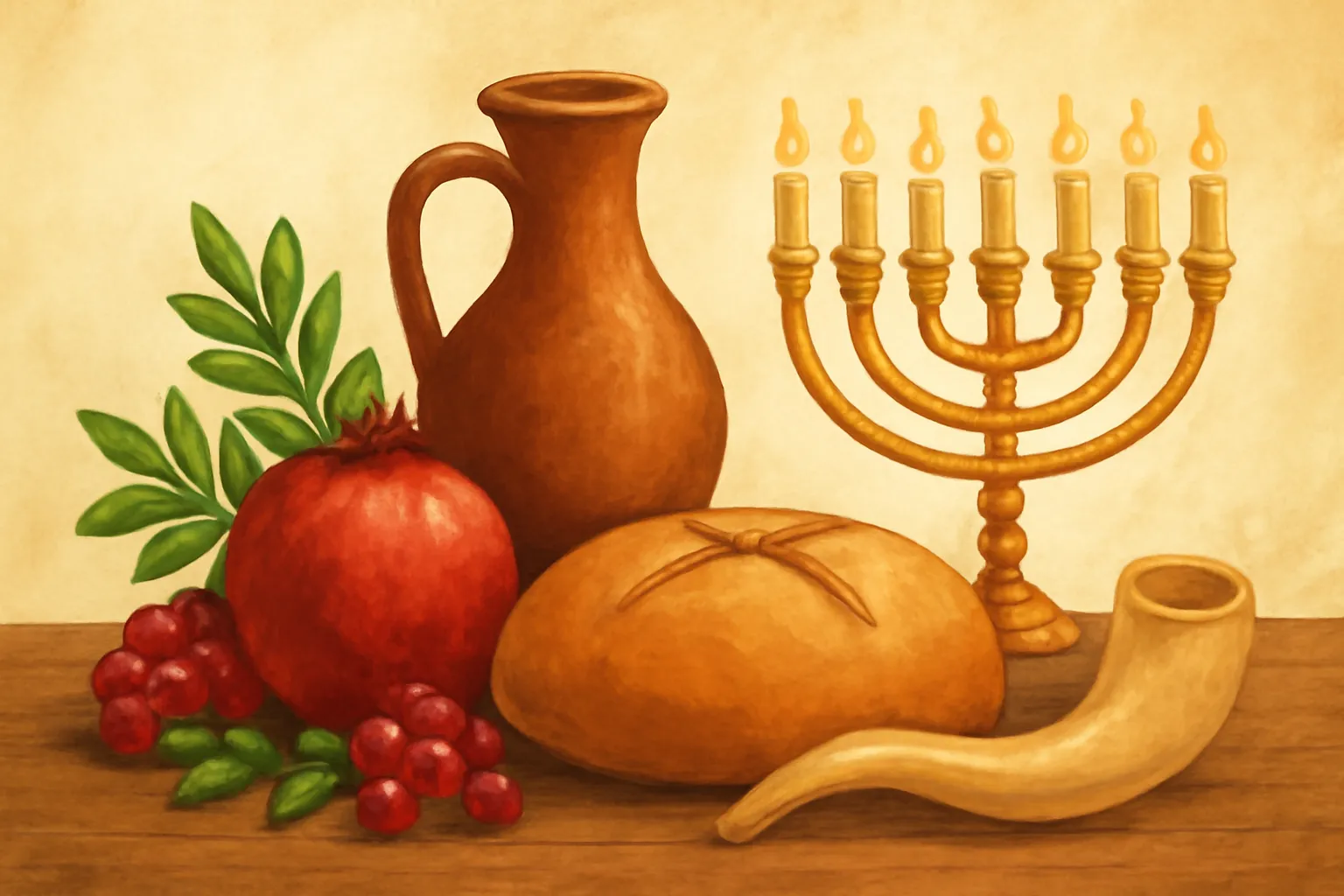
The sounding of the shofar, a ram’s horn blown in a sequence of blasts that call people to wakefulness and spiritual introspection.
Two days of festive meals that feature round challah, symbolizing the cycle of the year.
Prayers for peace, health, and prosperity for the coming year.
Tashlich, a symbolic cast-away of sins, often performed near water where bread crumbs are offered as a physical act of repentance; many Israelis participate in rivers, streams, or coastal bays for this ritual.
The foods chosen for Rosh Hashanah carry symbolic meanings that reflect the desire for a sweet and successful year. Common elements include:
Apples dipped in honey for a sweet new year.
Traditional fruits like pomegranate, whose many seeds symbolize abundance.
Round braided bread (challah) representing the cyclical nature of the year.
Other fruit dishes and grains that symbolize prosperity and blessing.
Rosh Hashanah in Israel: places, experiences, and practical tips
Travelers and locals alike encounter a special atmosphere during Israel’s fall feasts. Here are some practical notes and recommended experiences:
In major cities, public spaces often host concerts, readings, and family-friendly programs that honor the New Year in a contemporary Israeli context.
Jerusalem offers a uniquely resonant setting for Rosh Hashanah services near the Old City walls, with views across the hills of the Judean Desert and the scent of the market in the air.
Tel Aviv and central Israel provide a blend of traditional prayer spaces and modern cultural events, including interfaith and intercultural programs that reflect Israel’s diverse society.
Hotel and restaurant menus may feature seasonal specialties and special Shabbat-like menus as communities gather with family and friends.
For visitors, consider attending services at a major synagogue or visiting a local community center to learn about local customs in a respectful, inclusive setting.
Yom Kippur: The Day of Atonement in the Holy Land
Significance and timing
Yom Kippur is observed on the tenth day of Tishrei, ten days after Rosh Hashanah. It is the holiest day in the Jewish calendar and is dedicated to fasting, intensive prayer, and seeking forgiveness. The fast lasts about 25 hours, from sundown on the eve of Yom Kippur until nightfall the following day. In Israel, this day is uniquely quiet and different in atmosphere from other days: traffic slows, storefronts close, and many public life activities pause to honor the solemnity of the day.
Rituals, prayers, and liturgical moments
Yom Kippur features a distinctive liturgical cycle that emphasizes atonement, humility, and communal confession. Notable elements include:
Evening services that begin with Kol Nidre, an ancient prayer that asks for nullification of unfulfilled vows.
Intense daytime prayers in synagogues, with confessional sections and supplications for forgiveness.
Ne’ilah (closing prayer) at sunset, signaling the final opportunity to seek absolution before the day ends.
Important abstentions from work, driving, and other normal activities, reinforcing the sense of spiritual pause and communal focus.
Yizkor, a memorial service for remembering loved ones who have died.
Life in Israel on Yom Kippur
When the country observes Yom Kippur, the transformation is palpable:
Transportation largely ceases or runs on a dramatically reduced schedule, giving streets a rare quiet and stillness.
Air travel occasionally shifts as airlines adjust to the holiday calendar, and many businesses close for the day in adherence to traditional practice.
Public spaces, museums, and parks may close or run on limited hours, while restaurants and storefronts remain closed in observance, reflecting the day’s sanctity.
Communities across the country participate in public readings, reflective gatherings, and opportunities to study texts related to repentance and divine mercy.
Breaking the fast: post-Yom Kippur meals
After the fast, families gather for a light and then more substantial meal. Common practices include:
Starting with water and light foods to ease back into the daily rhythm, followed by a more substantial meal.
In many households, the menu features dairy and vegetarian dishes, breads, salads, and nourishing soups.
When you are in Israel during the fast, be mindful of the timing of opening hours for markets and grocery stores, as many reopen after sunset with limited stock for a break-fast meal.
Sukkot: The Festival of Tabernacles in Israel
Meaning, timing, and core symbolism
Sukkot, also known as the Festival of Tabernacles or Booths, begins on 15 Tishrei and lasts seven days in Israel, followed by Shemini Atzeret on the 22nd of Tishrei, which in Israel is often celebrated together with Simchat Torah on the same day. The central symbol of this festival is the sukkah, a temporary dwelling that commemorates the Israelites’ journey in the wilderness. The holiday centers on gratitude for harvest and protection and invites people to eat, learn, and celebrate under the improvised roof of stalks and greenery.
Two defining practices of fall feasts during Sukkot are the sukkah itself and the ritual of the four species.
The sukkah is a portable booth with a roof made of branches or other plant material. Families decorate it with fruits, greens, and decorations, turning it into a space for meals and study during the week of Sukkot.
The lulav (palm branch) along with hadas (myrtle), aravah (willow), and etrog (citron) is held together during the four species blessing and waved in specific directions as a symbolic act of unity and gratitude for divine protection.
Every day during the festival, Jews may eat and study in the sukkah, and some communities stay in the sukkah for extended periods to invite the presence of divine hospitality into daily life.
Public life in Israel during Sukkot
Israel’s fall feasts transform public spaces into vibrant expressions of culture and faith:
Public parks, city plazas, and university campuses often set up public sukkahs, inviting people to gather, eat, and celebrate together.
Markets and bakeries feature seasonal products and special dishes tied to the harvest celebration, such as fresh fruits and vegetables from the region.
In Jerusalem and other historic cities, the ancient streets take on a ceremonial atmosphere with processions, concerts, and interfaith dialogues that celebrate shared values of hospitality and gratitude.
Shemini Atzeret and Simchat Torah in the Israeli calendar
In the Israeli practice, the days of Shemini Atzeret and Simchat Torah are often observed together on the same day, which differs from the diaspora tradition that might separate them into two days. This pairing emphasizes concluding the festival cycle with prayers for rain and the joy of Torah reading as the annual cycle restarts. If you are visiting Israel during this period, you will notice festive processions, dancing with Torah scrolls, and a general sense of communal celebration that marks the climactic end of the fall feasts.
Practical guidance for travelers exploring the Israel fall feasts
Planning your trip around Rosh Hashanah, Yom Kippur, and Sukkot
If you are visiting Israel for these holidays, consider the following planning tips to maximize your experience and minimize disruption:
Schedule ahead for accommodation, transport, and sightseeing since many places operate on holiday hours or close completely on Yom Kippur and the days surrounding Rosh Hashanah.
Avoid planning high-traffic travel on Yom Kippur if you want to experience the country in a different rhythm—some portions of the country feel unusually quiet, while others, like major cities, have a different energy profile.
Consider joining a guided tour or a synagogue-hosted program to gain firsthand insight into the rituals, prayers, and songs that define the holidays in Israel.
Be prepared to encounter local customs such as visiting family homes for meals or attending community events that are open to visitors with open, respectful attitudes toward traditions.
Food, dining, and kosher considerations
Food is an essential part of the fall holidays in Israel. Restaurants, markets, and shuls (synagogues) often offer holiday menus or special dishes. Some practical notes:
Many restaurants operate on holiday hours or close entirely on Yom Kippur; plan to dine before sunset on Yom Kippur Eve.
During Sukkot, it is common to eat and drink in the sukkah if you have access to one, or to join a host’s sukkah for meals and stories about the festival.
Unlike some other contexts, be mindful of kosher dietary rules in hotels and restaurants that advertise glatt-kosher or similar certifications, especially during holy days.
Experiential ideas: where to go to feel the season
Israel offers a range of experiences that highlight the fall feasts’ themes of renewal, gratitude, and community. Consider these ideas to deepen your understanding and enjoyment:
Visit the Kotel (Western Wall) in Jerusalem during the high holidays to observe or participate in public prayers and to witness the solemn beauty of the season.
Walk through markets (shuks) in Jerusalem, Tel Aviv, or Hebron to taste seasonal fruits, honey, and nuts that symbolize the sweetness of the new year and the harvest festival.
Attend a local synagogue service or a community gathering to experience the shofar blasts and the chanting of prayers in Hebrew, often with traditional melodies that locals hold dear.
Explore rural or desert regions where the harvest season is visible in vineyards, orchards, and farm-to-table eateries that celebrate the agricultural roots of Sukkot.
Key terms and concepts you are likely to encounter
— Jewish New Year, beginning the High Holy Days.
Yom Kippur — Day of Atonement, the holiest day in the Jewish year.
Sukkot — Festival of Tabernacles, a harvest festival with sukkahs (temporary shelters).
Shofar — a ram’s horn blown during Rosh Hashanah services.
Tashlich — a ritual casting away sins by the water, commonly practiced on the afternoon of the first day of Rosh Hashanah or the second day in some communities.
Lulav (palm), Etrog (citron), Hadas (myrtle), and Aravah (willow) — the Four Species used in the Sukkot ritual.
Sukkah — a temporary dwelling constructed for the festival of Sukkot.
Shemini Atzeret and Simchat Torah — holidays immediately following Sukkot; in Israel these are often celebrated together on one day.
Ushpizin — the tradition of inviting guests (often symbolic guests such as biblical figures) into the sukkah during Sukkot.
Putting it all together: observing the Israel fall feasts with respect and curiosity
For anyone seeking to understand Israel fall feasts in a meaningful way, the core message is about renewal through memory and community. These holidays invite you to pause, listen to the prayers around you, share meals with others, and reflect on how gratitude, forgiveness, and generosity shape daily life in the Holy Land. Whether you are a traveler, a student of religion, or someone who simply wants to understand how a nation marks its seasons, the Rosh Hashanah–Yom Kippur–Sukkot arc offers a powerful window into Jewish festival culture in Israel.
To make the most of your experience, consider the following practical steps:
Read a brief primer on Hebrew calendar dates before your trip to understand when the holidays begin and end in a given year.
Learn a few respectful phrases or greetings in Hebrew or the local language used by the community you are visiting.
Respect the sanctity of the holidays by observing quiet hours around synagogue services and avoiding unnecessary noise in sensitive areas.
Approach food and religious practices with curiosity and humility, asking questions when appropriate and listening to personal stories from locals and hosts.
In the broader sense, the Israel fall feasts illustrate how a country with a rich mosaic of cultures, faiths, and landscapes can come together around shared rituals and traditions. They are not only about ancient prayers and dietary laws; they are about people gathering in spaces—from ancient stone synagogues in Jerusalem to modern cafés in Tel Aviv—to greet a new year, seek forgiveness, and give thanks for the harvest. This is what makes the autumn holidays in the Jewish homeland so compelling: during Rosh Hashanah, Yom Kippur, and Sukkot, the Land of Israel becomes a living classroom of memory, fidelity, and hospitality.
In closing
Whether you call it Israel’s fall feasts, the autumn holiday season in the Jewish homeland, or simply the September–October cycle of Rosh Hashanah, Yom Kippur, and Sukkot, this period invites a deep immersion into tradition and community. The insights you gain—about how people reflect on the past, atone for the present, and celebrate the harvest—offer a timeless lens on Jewish life in one of the world’s most storied landscapes. As you explore these sacred days in Israel, you will encounter a living mosaic of prayer, family, food, and hospitality that makes the fall feasts not just a sequence of dates, but a meaningful journey through memory and renewal.