The seventh month of the Jewish calendar, known by the name Tishrei, stands at a pivotal crossroads of timekeeping, ritual practice, and seasonal change. In the biblical order of months, Tishrei arrives after Elul and Av and sits at the start of a dramatic sequence of holy days that emphasize repentance, renewal, harvest gratitude, and communal joy. In modern practice, the month of Tishrei is marked by a powerful rhythm: the shofar blasts, the introspective days of Aseret Yemei Teshuva (the Ten Days of Repentance), the solemn fast of Yom Kippur, the outdoor celebration of Sukkot, and the final flourish of Shemini Atzeret and Simchat Torah.
This article explains why Tishrei is considered the seventh month, how the holidays of this period are observed in diverse communities, and what they reveal about Jewish conceptions of time, sin and atonement, and communal celebration. Throughout, you will see variations by tradition—two-day observances in the diaspora, differences between Israel and the wider world, and the way the Jewish calendar layers agricultural cycles onto liturgical calendars. The aim is to offer a comprehensive, accessible guide to the 7th month Jewish calendar and its major holy days, with practical context for readers who want to understand or observe these holidays with intention.
Understanding the seventh month: Tishrei in the Jewish calendar
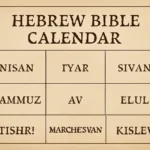
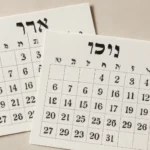
In the religious calendar used for sacred purposes, the month of Tishrei is typically described as the seventh month. This is because the religious tradition counts months starting with Nisan (the month of Passover) as the first month. In contrast, the civil or civic year in many Jewish communities begins with Tishrei, making it a new-year anchor for the social calendar as well as a time of harvest and renewal.
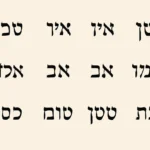
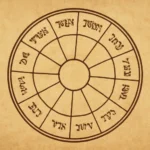
Religious year: Nisan is the first month, followed by Iyar, Sivan, Tammuz, Av, Elul, and then Tishrei.
Civil year: Tishrei is the start of the new civil year, aligning with the Jewish New Year observances and setting the tone for the autumn season.
The period of Tishrei falls in the northern hemisphere’s autumn, a season that carries both the memory of summer’s abundance and the anticipation of winter. This dual vantage—temporal and spiritual—gives Tishrei its distinctive character: a blend of judgment and mercy, a turn toward introspection and community celebration, and a move from personal reflection to public ritual.
Major holidays of the seventh month: an overview
The seven-day sequence that begins with Rosh Hashanah and culminates in Simchat Torah is named, in the aggregate, a cycle of revival. Each holiday within the seventh month has its own mood, liturgy, and customs, yet they are connected by a shared aim: to align personal behavior with communal ethics and to renew the covenant between God and the people.
Rosh Hashanah: The Jewish New Year in Tishrei
Often described as the opening act of the High Holy Days, Rosh Hashanah falls on the 1st and 2nd days of Tishrei in the diaspora, while Israelis observe one day in many traditions. In many communities, two days are observed because the calendar was fixed in ancient times before precise astronomical calculation, creating a safeguard against inadvertently missing the holy day.
Date: 1–2 Tishrei (diaspora); 1 Tishrei (Israel in some communities depending on tradition; in practice, many communities observe two days elsewhere).
: judgment, memory, renewal, and the possibility of atonement; the period is known as Aseret Yemei Teshuva (the Ten Days of Repentance) that lead toward Yom Kippur.
: the blowing of the shofar, penitential prayers, and the special musaf service. The sounds of the shofar—tekiah, shevarim, teruah, and a final tekiah gadolah—are central to the Rosh Hashanah experience.
Customs associated with Rosh Hashanah are rich and varied:
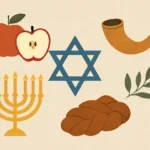
Sweet foods and the ritual of dipping apples in honey to symbolize a sweet coming year.
Pomegranate seeds to symbolize the hope for many good deeds in the new year.
Round challahs or other circular breads to symbolize cycles and continuity.
tashlikh ceremonies in some communities, where people symbolically cast away sins by tossing breadcrumbs into a body of water.
The theological heartbeat of Rosh Hashanah emphasizes divine judgment and the opportunity for teshuva (repentance). The prayers encourage humility, self-reflection, and renewed commitments to ethical conduct, community responsibility, and personal improvement.
Gedaliah fasting day (Tzom Gedaliah)
In some calendars, the day after Rosh Hashanah features a minor fast known as Tzom Gedaliah, commemorating the assassination of Gedaliah ben Achikam and the peril of the Jewish people when leadership faltered. It is a somber day of prayer and fasting that serves as a bridge between Rosh Hashanah and Yom Kippur for many communities.
Date: typically 3 Tishrei (occasionally observed on different days depending on the calendar rules).
Observance: a fast day with synagogue readings and prayers; no major celebratory meals.
Yom Kippur: The Day of Atonement
Yom Kippur is the culmination of the High Holy Days, a single-day fast that marks the most solemn moment in the Jewish year. It is a day for intensive prayer, confession, and repentance, with a focus on reconciliation with God and with other people.
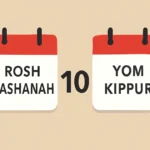
Date: 10 Tishrei, after Rosh Hashanah and the Aseret Yemei Teshuva period.
Fasting: complete abstention from food and drink for roughly 25 hours, from sunset the evening before until nightfall the following day, with exceptions for health concerns and similar needs.
Liturgy: long, centered services including Kol Nidre (the vow annulment prayer), extensive vidui confessional prayers, and N’ilah (the closing prayer service) that culminates at the end of the fast with the blowing of the shofar and the end of the fast’s observance.
Yom Kippur is not merely a personal day of atonement; it is universally oriented toward communal sanctity and spiritual awakening. The themes include purification, humility, and the hopeful renewal of covenantal commitments with God and with one another.
Sukkot: The Festival of Booths in Tishrei
Beginning five days after Yom Kippur, Sukkot is a week-long festival that celebrates the harvest and the Israelites’ wanderings in the desert. The holiday is named for the sukkah, the temporary booth or hut where some meals are eaten during the festival, and it is marked by outdoor celebration, family meals, and community gatherings.
Date: 15–21 Tishrei (seven days, with the first day a major yom tov in many communities).
The Sukkah: a booth with roof slats (schach) that provides shade but allows stars to be seen at night; the purpose is to remind participants of life in the wilderness and to acknowledge reliance on divine protection.
Four Species: the lulav (palm branch), etrog (citron), hadasim (myrtle branches), and aravot (willow branches). The ritual of binding these together and waving them is a distinctive Sukkot practice.
The practice of taking the four species and the daily lulav-waving rituals express gratitude for the harvest and a symbolic unity of all creation. People also gather in the sukkah to eat meals, share guests, and sometimes sleep outdoors to honor the season of hospitality and shelter.
Hoshana Rabbah: on the 7th day of Sukkot, it is customary to process around the synagogue with the lulav and etrog, recite special prayers, and beat willow branches to symbolize prayers for ultimate salvation.
Simchat Torah (the joy of Torah) celebrations close the Sukkot season with exuberant dancing and the completion and restarting of the annual Torah reading cycle.
Shmini Atzeret and Simchat Torah: The final days of Tishrei
Immediately following Sukkot, two closely related holidays—Shmini Atzeret and Simchat Torah—mark the end of the festival period and the beginning of a new cycle of Torah readings.
Date: Shmini Atzeret on 22 Tishrei; Simchat Torah on 23 Tishrei (diaspora; in Israel these can be combined or observed on a single day depending on tradition).
The prayers: special Musaf services for Shmini Atzeret, and for Simchat Torah the celebrations include dancing with Torah scrolls, repetitive Torah processions, and joyous singing.
Meaning: Shmini Atzeret is often described as a separate day of prayer for divine blessing, while Simchat Torah emphasizes the completion and restart of the Torah-reading cycle, symbolizing continuity, renewal, and the joy of Torah study.
Practical observance and liturgical notes for the seventh month
For readers who are planning to participate in these holidays or simply seek to understand the rhythm of the season, here are practical notes and common variations. The diaspora often observes two days of Rosh Hashanah and Shmini Atzeret/Simchat Torah separately; in Israel, many communities observe a single day for certain holidays, though some have two days as well. This dual practice is a reminder of how the calendar’s structure has been shaped by historical, geographic, and communal needs.
Calendar variations: In many communities, the first day and second day of Rosh Hashanah are observed as distinct days with separate liturgies and haftorah portions. The same two-day structure sometimes appears for Shmini Atzeret/Simchat Torah elsewhere, while Israel often follows a single-day pattern.
Shofar and prayer: The sound of the shofar is a hallmark of Rosh Hashanah and is traditionally heard during the musaf service. The shofar’s blasts are meant to awaken the heart and invite repentance. The108-day rhythm of the High Holy Days culminates in the Neilah service on Yom Kippur and follows with the shofar’s long final note at the conclusion of the fast.
Fasting and feasting: Yom Kippur is a day of fasting and grave reflection, followed by a return to meals and celebration after the fast ends. Sukkot blends hunger and hospitality: it is customary to host friends and family in the sukkah and to eat festive meals that include foods associated with harvest and hospitality.
Beyond ritual specifics, the overarching atmosphere of the seventh month is one of transition: from the solemn self-scrutiny of the Days of Awe to the communal joy of Sukkot, and then to the restorative quiet of Shmini Atzeret and the concluding delight of Simchat Torah. The overall arc emphasizes both personal responsibility and collective memory, reminding communities that the path toward moral growth can be lit by ritual, study, trees, and tables of friends.
Thematic synthesis: what the seventh month teaches about time, community, and spirituality
The sequence of holidays in Tishrei embodies several enduring themes that recur not only in Jewish thought but in many spiritual and cultural frameworks. These themes help explain why this period remains central in Jewish life year after year.
Time as a moral teacher: The careful progression from Rosh Hashanah through Yom Kippur to Sukkot makes time itself an instrument for moral refinement, not merely a backdrop for ceremonies.
Judgment and mercy: The tension between divine judgment and mercy is a central motif; the prayers and rituals invite both accountability and compassion.
Memory and renewal: The cycle culminates in renewal—the Torah is read anew, and the community recommits to its values with fresh energy.
Hospitality and gratitude: Sukkot’s emphasis on shelter and sheltering guests mirrors the social ethic of hospitality and gratitude for sustenance and protection.
Harvest and memory of exile: The agricultural roots of Sukkot connect people to the land and to the historical memory of wandering and divine shelter in the desert.
In addition to these themes, it is helpful to note the lexical variations that scholars use when discussing the period: one might refer to “the seven-month cycle,” “the seventh month on the Hebrew calendar,” or “the Tishrei period” as a way to signal seasonal, liturgical, and historical layers at once. The language you choose can help convey the nuance of the season to readers who are new to the topic or those seeking deeper context.
Glossary: key terms for the seventh month and its holidays
Tishrei: The seventh month in the religious calendar, marking a cluster of major holy days.
Rosh Hashanah: The Jewish New Year; a two-day (diaspora) or one-day (Israel) festival featuring the blowing of the shofar and penitential prayers.
Yom Kippur: The Day of Atonement; the most solemn day of the year, observed with fasting and extensive prayer.
Sukkot: The Festival of Booths, a harvest festival that includes dwelling in a sukkah and the use of four species.
Hoshana Rabbah: The seventh day of Sukkot, associated with special prayers and processions around the synagogue.
Shmini Atzeret: The Eighth Day of Assembly, a separate festival focused on prayer for the new year, observed in some communities with special prayers.
Simchat Torah: The celebration of the joy of Torah, marked by dancing with Torah scrolls and the completion and restarting of the annual Torah reading cycle.
Four Species (lulav, etrog, hadassim, aravot): The set of ritual plant items used in processions and blessings during Sukkot.
Tekiah, Shevarim, Teruah: The traditional categories of shofar blasts heard during Rosh Hashanah services.
Readers who want to explore further can use the terms above to navigate scholarly or rabbinic discussions about the seventh month and its holidays, or to plan personal or family observances in a respectful and meaningful way.
Observing from different perspectives: Israel vs the diaspora
A practical distinction in how the seventh month is observed arises from where one lives. In Israel, many communities observe one day for Rosh Hashanah and Shmini Atzeret/Simchat Torah, while others retain two-day observances due to tradition. In the diaspora, two-day observances for Rosh Hashanah and often for Shmini Atzeret/Simchat Torah are common, ensuring compliance with the historic calendar when uncertain new-month sightings could occur.
Diaspora practice: Typically two days for Rosh Hashanah and for Shmini Atzeret/Simchat Torah; Sukkot and Yom Kippur are generally observed on their designated days but with possible two-day yom tov status on some holidays depending on community custom.
Israel practice: Many communities observe a single day for each of these holidays, focusing on the central liturgical moments without the added day-to-day duplication seen elsewhere.
Regardless of location, the spiritual texture of the seventh month remains intense and meaningful: a sequence that invites personal transformation, community solidarity, and a shared sense of purpose as the year moves toward its end and a new cycle begins.
Historical and cultural context: why these holidays endure
The seventh month is not only a calendar designation but also a historical memory. It recalls the ancient agricultural calendar of the Land of Israel, when the autumn harvest would be celebrated and the people would gather in tents, sharing meals and stories under the open sky. It also preserves a narrative of wandering and shelter, linking the biblical era to modern practices of hospitality and communal prayer.
Over centuries, Jewish communities have adapted these holidays to different cultures, languages, and geographies while retaining their core meanings. In many places, the social dimension of these holidays—sharing meals, hosting guests, and participating in communal prayer—has become a centerpiece of Jewish identity. The legal and practical details—whether one or two days are observed, how the prayers are recited, and how the holiday foods are prepared—reflect the adaptability and continuity of Jewish law and custom across time and space.
Practical guidance for readers seeking to understand or observe
Learn the calendar structure: Recognize that Tishrei is the seventh month in the religious counting, and that it begins after Elul, with Rosh Hashanah at the start of the month.
Know the sequence: Rosh Hashanah (2 days in many communities) → Gedaliah fast (in some calendars) → Yom Kippur → Sukkot → Hoshana Rabbah → Shmini Atzeret → Simchat Torah.
Explore the core liturgy: For Rosh Hashanah, listen for the shofar; for Yom Kippur, engage with the Kol Nidre and Neilah prayers; for Sukkot, participate in the sukkah and the four-species ritual; for Simchat Torah, join the dancing with Torah scrolls.
Engage with the customs: Try apple and honey, pomegranate symbolism, and the sukkah atmosphere to experience the month’s sensory dimensions; invite guests for meals to reflect the hospitality theme.
Be mindful of local practice: If you are in the diaspora, check whether your community observes two days of a given holiday and plan accordingly; if you are in Israel, confirm whether the local synagogue aligns with one-day observance.
The seventh month remains a beacon of how Jewish time can be both structured and alive with meaning. Whether you approach it as a student, a participant, or a curious observer, you can appreciate how Tishrei weaves memory, accountability, and joy into a single, transformative season.